
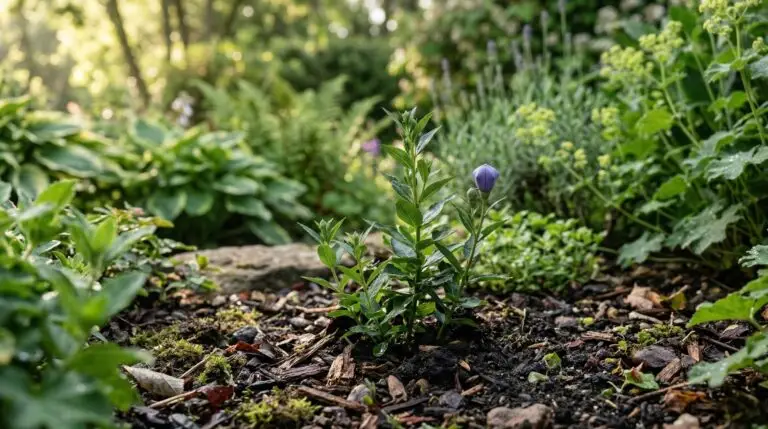
The most critical step in deadheading balloon flowers is learning to tell the difference between a new bud and a developing seed pod. Both are green, swollen, and roughly the same size, causing many gardeners to accidentally remove the exact blooms they are trying to encourage. A new bud feels firm and hollow when gently squeezed, while a spent flower leaves behind a hard, dense pod at the base of the shriveled petals. You must wait until the blue, pink, or white petals lose their color and begin to dry before making any cuts. Removing these fading flowers stops the plant from producing seeds and forces it to generate a second, slightly smaller flush of blooms. If you cut blindly without checking the firmness of the green swelling, you will strip the plant of its future flowers.
Timing your deadheading schedule
The frequency of your deadheading directly dictates the volume of your late-season blooms. A casual approach of snapping off dead flowers once a month results in a sparse, uneven second flush. For maximum flower production, establish a routine of checking the plants every three to four days during active growth. The blooms open in succession along the stem, meaning you will often find tight buds, open flowers, and spent pods on the exact same branch. This staggered blooming habit requires you to isolate the individual faded flower rather than grabbing handfuls of foliage. Use the tips of your pruners to snip the tiny pedicel connecting the dead flower to the main stem. This surgical approach ensures the adjacent buds receive the water and nutrients needed to inflate and open.
Proper cutting technique for continuous blooms
Use clean, sharp bypass pruners or garden snips to remove the spent flower head. Follow the stem down from the faded bloom until you reach the next set of leaves or a visible secondary bud. Make a clean cut about a quarter inch above that node. Balloon flowers produce multiple buds on a single stem, meaning you cannot simply shear the entire top of the plant without sacrificing weeks of color. This precision work takes more time than deadheading a sprawling patch of coreopsis, but the targeted approach guarantees you leave the lateral buds intact. As the season progresses, the stems may become leggy under the weight of the new blooms. If a stem bends to the ground, cut it back by one third to force tighter, more compact growth near the crown.
Soil fertility and post-pruning care
Pushing a balloon flower to bloom continuously through late summer depletes the nutrients in the surrounding soil. The plant exhausts its immediate energy reserves after the first massive flush of midsummer color. Apply a balanced 10-10-10 liquid fertilizer at half strength immediately after your first major deadheading session to fuel the new growth. Pour the solution directly at the soil line rather than splashing it over the foliage to prevent fungal spotting on the leaves. Maintain consistent soil moisture during this recovery phase, providing one inch of water per week if rain is scarce. Dry soil combined with the stress of pruning causes the secondary buds to abort and drop before they ever inflate. A well-hydrated plant recovers from deadheading within days and begins swelling new buds almost immediately.
Managing seed pods and late summer growth
Despite what many sources claim, balloon flowers do not require aggressive pruning to survive the summer heat. They only need consistent removal of the star-shaped seed pods that form immediately after the petals drop. Once the plant registers that a seed pod is maturing, it halts flower production on that stem. Check your plants twice a week during the peak July and August blooming periods to catch these pods early. The sticky white sap that bleeds from the cut stems is normal and will seal itself within a few hours. This sap can irritate sensitive skin, so wear gloves if you are processing a large mature clump. By keeping the plant free of developing seeds, you extend the flowering window well into September in most climate zones.
Transitioning to fall and winter dormancy
Stop deadheading your balloon flowers roughly four weeks before your first expected autumn frost. Leaving the final flush of flowers on the plant allows the seed pods to mature and signal the root system to prepare for dormancy. These dried pods turn a pale tan color and provide minor visual interest in the fall garden, much like the darkened centers of a fading Shasta daisy. The foliage will shift from green to a clear golden yellow before collapsing completely to the ground. Do not cut the yellowing stems until they pull away from the crown with zero resistance. The fleshy taproot relies on those dying leaves to pull down the last available energy for winter storage.
Protecting the taproot during the off season
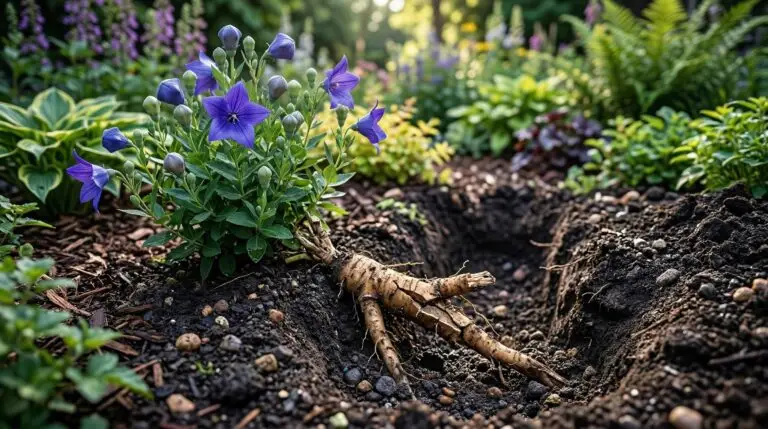
Balloon flowers possess a deep, carrot-like taproot that resents any disturbance once established. This root system is notoriously slow to break dormancy in the spring, often emerging weeks after surrounding perennials have leafed out. This late emergence leads many gardeners to mistakenly assume the plant died over the winter, resulting in accidental destruction by an eager spade. Place a physical marker at the center of the crown immediately after clearing the dead autumn stems. A simple wooden stake or heavy stone prevents you from digging into the dormant root during early spring cleanup. Leave the marker in place until the purple-tinged shoots finally push through the soil in late May.
More About Balloon Flower
Balloon flowers in children’s gardens and why kids love watching the buds pop open

Designing a blue and purple perennial garden with balloon flowers as the star
Best balloon flower varieties including double blooms and dwarf forms for small gardens
Dividing and transplanting balloon flowers without killing the deep taproot
Growing balloon flowers in containers for a whimsical patio garden display
Why balloon flowers are late to emerge in spring and how to avoid digging them up