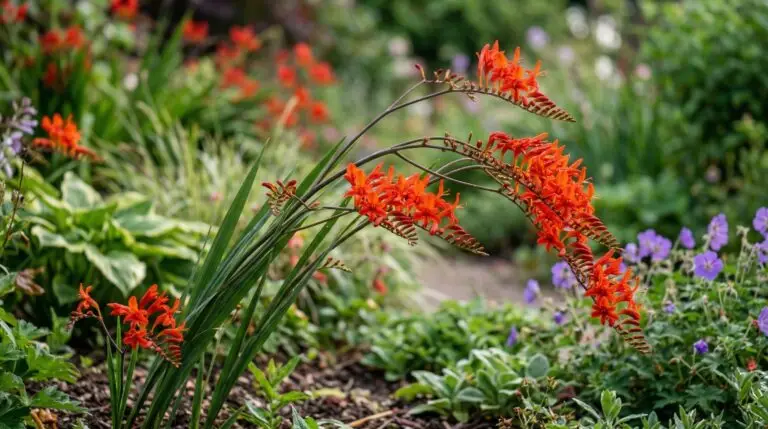
By the time you finish reading, you will understand exactly how a crocosmia plant creates its seeds and how you can guide those seeds into becoming completely new, unique plants in your garden. Most gardeners multiply their crocosmia by simply digging up and dividing the underground corms, which produces exact copies of the parent plant. Growing crocosmia from seed is a different process entirely, one that requires a bit more patience but offers a deep look into how plant genetics work. When you plant a seed, you are starting a brand new genetic line that might look slightly different from the plant you collected it from. We are going to walk through the entire lifecycle, starting with the green pods left behind after the flowers drop and ending with the first blooms of your new plants a few years down the road.
Finding and harvesting crocosmia seeds
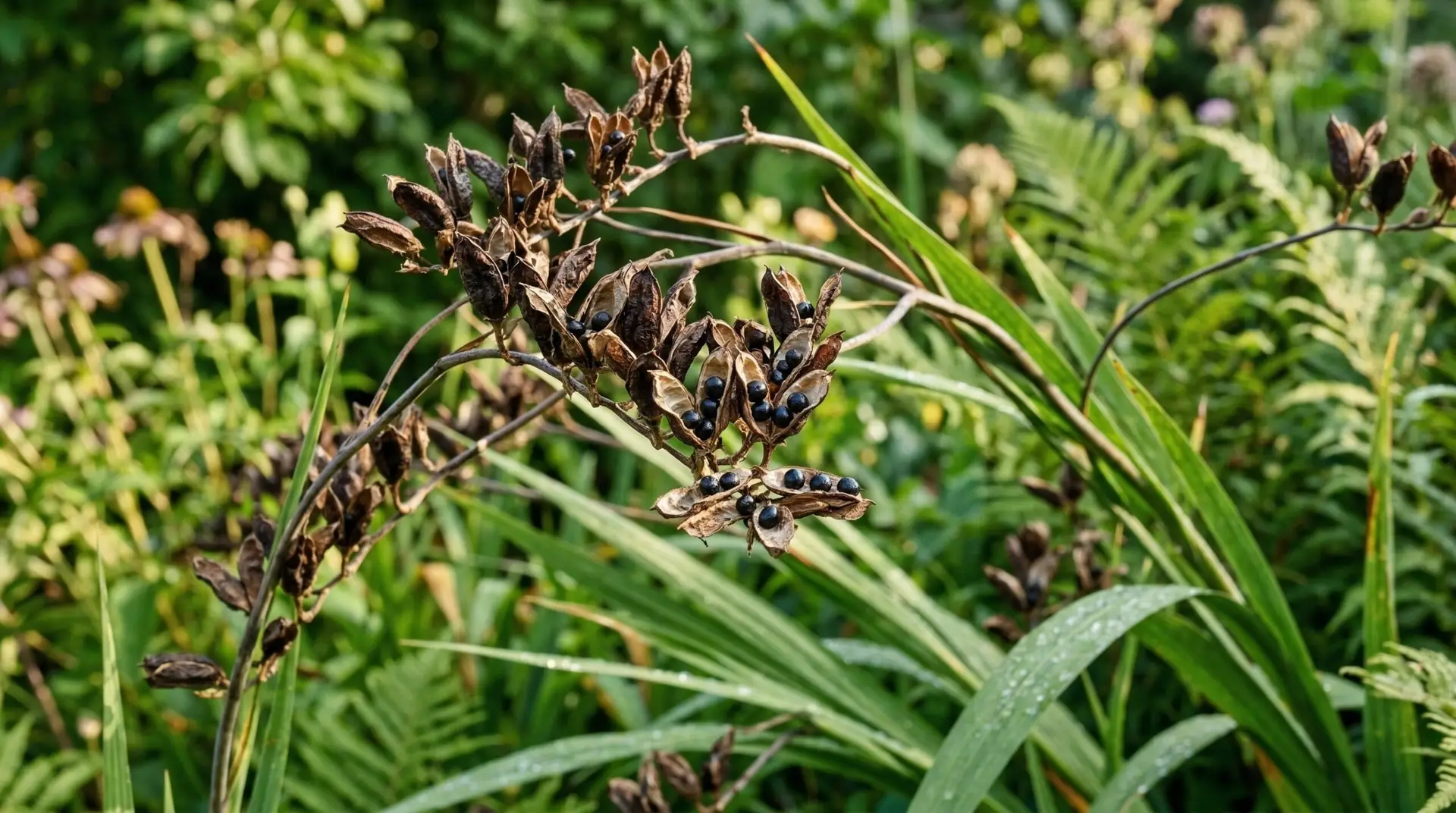
When the tubular flowers of a crocosmia plant finish blooming and fall away, they leave behind small green swelling structures along the arching stems. These are the seed pods, and their job is to protect the developing crocosmia seeds as they mature throughout the late summer and early autumn. Think of the seed pod like an incubator that needs to stay attached to the mother plant as long as possible to draw energy and nutrients. If you cut the green pods off too early, the seeds inside will stop developing and will not have enough stored energy to sprout next spring. You need to wait until the pods turn brown, dry out, and begin to crack open at the top. This papery brown stage tells you the seeds inside have completely hardened and are ready to face the outside world. Once the pods are dry, you can snap them off the stem and gently crush them between your fingers to release the round, reddish-brown seeds into an envelope or jar for safekeeping.
Waking up dormant seeds for germination
Seeds produced by plants in temperate climates have a built-in survival mechanism called dormancy that prevents them from sprouting at the wrong time of year. If a crocosmia seed fell to the ground in October and sprouted immediately, the young seedling would be killed by the first winter freeze. To break this dormancy, the seed needs to experience a period of cold, moist conditions that mimics a natural winter, a process we call stratification. You can provide this artificial winter by placing your crocosmia seeds in a plastic bag with a handful of damp potting soil and leaving them in your refrigerator for about four to six weeks. This cold period chemically signals to the seed that winter has passed and spring has arrived, making it safe to begin growing. After their time in the cold, you can plant the seeds in pots filled with standard seed-starting mix, pressing them just barely below the surface of the soil. Keep the pots in a warm spot under grow lights or in a sunny window, and make sure the soil stays consistently damp but never soggy while you wait for the green shoots to appear. Much like growing an iris from seed, getting the moisture level right takes a season or two to get a feel for, and that is completely normal.
The timeline from sprout to first bloom
When your crocosmia seeds finally sprout, the new growth will look remarkably like single blades of grass pushing up through the soil. This might seem contradictory if you are expecting the broad, pleated leaves of a mature crocosmia, but the reason is that the seedling is focusing all its energy downward rather than upward. During its first year of life, the tiny plant is working constantly to build its very first corm, which is the swollen underground stem base that stores food and water. Because building this storage organ takes a massive amount of energy, the plant will not produce any flowers during its first growing season. In fact, you should expect to wait two to three full years before a crocosmia grown from seed has enough stored energy in its corm to send up a flowering stalk. You can move your first-year seedlings out into the garden after the last frost, spacing them a few inches apart in a nursery bed where they can grow undisturbed. The foliage will naturally die back in the autumn, but the young corms will sleep safely underground until the following spring when they will emerge larger and stronger.
Embracing the mystery of hybridized plants
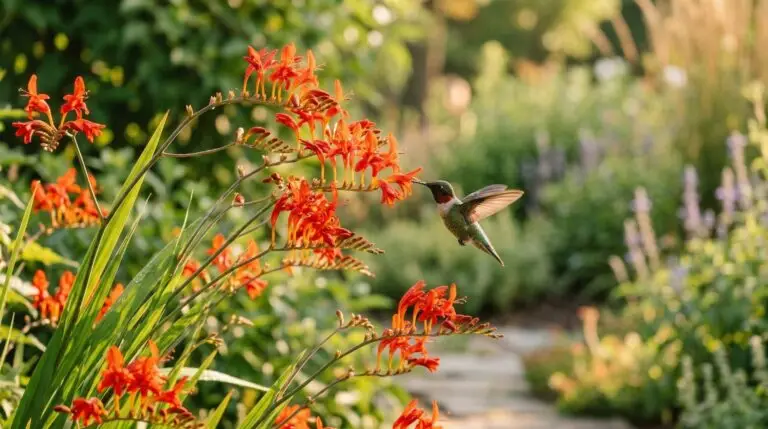
The long wait for a seed-grown plant to bloom pays off in the element of surprise, because seeds rarely produce exact genetic copies of the parent plant. Crocosmia flowers are heavily visited by hummingbirds and bees, which carry pollen from one variety to another as they feed on the nectar. When a flower is cross-pollinated this way, the resulting seeds contain a mix of genetic traits from both the mother plant and the unknown father plant. This means the seeds you collect from a red-flowering plant might grow up to produce orange, yellow, or bi-colored blooms depending on what other varieties were growing nearby. This genetic variation is the exact same process plant breeders use to create new varieties of many popular garden plants, similar to how a daylily breeder crosses different parents to see what new colors emerge in the offspring. Growing crocosmia propagation material from seed allows you to participate in this process of discovery right in your own backyard. You might end up with a completely unique flower color or a plant that blooms slightly earlier or later than its parents.
Understanding how to grow crocosmia from seed shifts your perspective from seeing plants as static objects to viewing them as dynamic, evolving living things. You now know that the brown pods at the end of the season are not just dead flowers, but protective cases holding the next generation of potential new varieties. By respecting the natural dormancy of the seeds and giving the young plants the time they need to build their underground corms, you are working with the biology of the plant rather than rushing it. The patience required to wait three years for a bloom is rewarded with a deeper comprehension of plant genetics and the satisfaction of nurturing a plant from a tiny speck to a flowering adult. You have learned the whole lifecycle of the crocosmia, giving you the foundation to experiment with seed saving and propagation in your own garden space.
More About Crocosmia
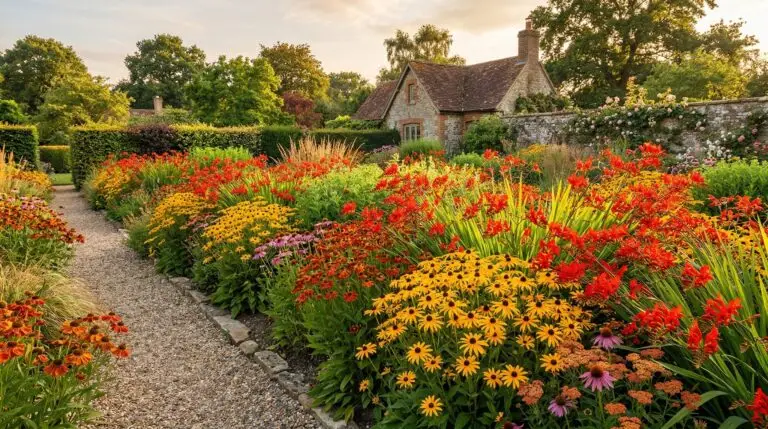
Crocosmia companion plants: what to grow, what to avoid

Overwintering crocosmia corms in cold climates zones 5 and below
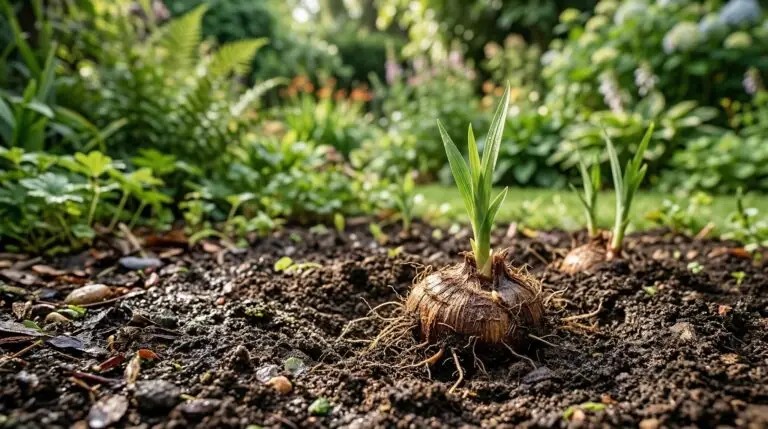
How to grow crocosmia for fiery arching sprays of color in midsummer gardens
Designing a late summer garden with crocosmia that peaks when spring flowers are gone
Best crocosmia varieties from fiery Lucifer to golden Emily McKenzie
Crocosmia as a hummingbird magnet and why they prefer these tubular flowers
Growing crocosmia in containers for tropical-looking patio displays