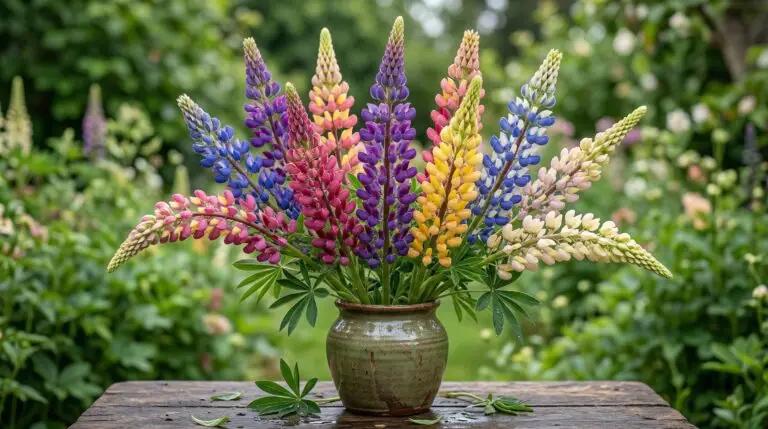
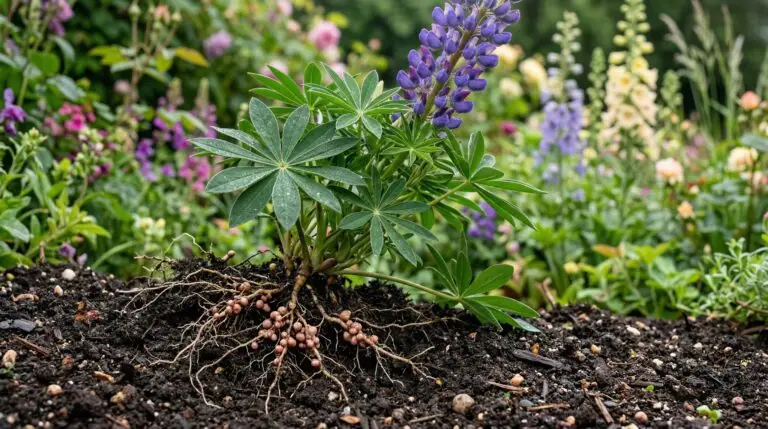
Growing conditions dictate every success or failure in the garden, and understanding your local context is the absolute foundation of working with lupines. A gardener in Zone 4 Minnesota enjoys cool summer nights and well-draining, slightly acidic soil that allows traditional perennial lupines to thrive for years. That same plant moved to Zone 9 Florida or Zone 8 Texas faces an entirely different environmental reality that usually results in rapid decline. The classic Russell hybrid lupines are genetically wired for maritime climates or high elevations where summer heat rarely spikes and humidity remains low. When placed in a typical southern or southwestern garden, these plants encounter soil temperatures and moisture levels they have no evolutionary tools to handle. The thick, fleshy taproot that stores energy safely in frozen northern soils becomes highly susceptible to rot when sitting in warm, wet southern earth. Adapting your strategy to your specific regional climate, soil chemistry, and rainfall patterns is the only way to successfully grow a lupine hot climate garden.
Understanding the heat and humidity barrier in the southeast
In the humid Southeast, this plant faces challenges that gardeners in the dry Mountain West never encounter. The primary enemy of a perennial lupine in places like Georgia or Alabama is the lack of nighttime cooling combined with severe daytime heat. When night temperatures stay consistently above seventy degrees, the plant respires faster than it can photosynthesize, essentially starving itself while sitting in damp, heavy air. This combination of high heat and high humidity creates the perfect breeding ground for crown rot and powdery mildew, which will quickly melt a healthy plant to the ground. Southern clay soils compound this problem by holding too much moisture around the thick taproot during heavy summer thunderstorms, suffocating the root hairs. Pathogens like Rhizoctonia thrive in these warm, wet soils and will attack the base of the plant before the gardener even notices a problem. Gardeners in these zones must abandon the idea of a permanent perennial border filled with these spiky blooms and shift their entire approach to seasonal timing.
Texas bluebonnets and native adaptations for the southwest
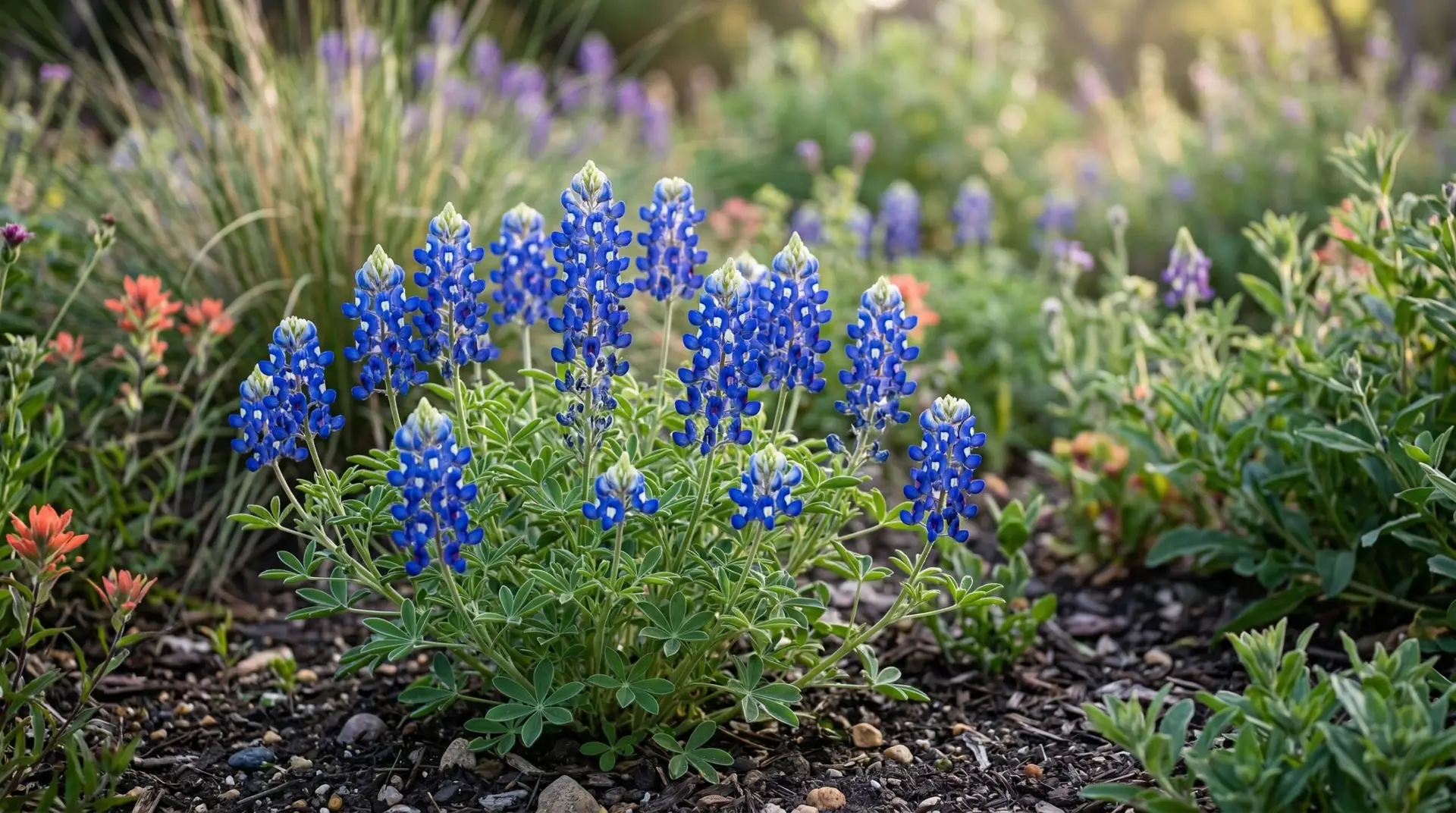
The dry heat of the Southwest requires a completely different approach, relying on native genetics rather than forced adaptations. The Texas bluebonnet, scientifically known as Lupinus texensis, is the standard lupine for south and southwestern regions where summer heat arrives early and stays late. This native annual has evolved to germinate in the cooling soils of autumn, build a deep root system over the mild winter, and explode into bloom before the punishing heat of June begins. In alkaline soils common across the Southwest, you can add sulfur to lower the pH to the 5.5 to 6.5 range that most cultivated lupines prefer, though native bluebonnets are highly tolerant of native limestone soils. The dry air of this region prevents the fungal diseases that plague southeastern gardens, but the intense solar radiation means the plants complete their life cycle rapidly. To successfully grow these natives from seed, gardeners must scarify the hard seed coats, mimicking the rough tumbling action of the flash floods that naturally distribute them in the wild. By relying on this regionally adapted species, gardeners can achieve the classic spiked flower look without fighting the local climate.
Treating lupines as cool season annuals in mild winter zones
Gardeners in Zones 8 through 10 can successfully grow traditional hybrid varieties if they completely change their planting calendar. Instead of planting in spring for summer blooms, southern gardeners should treat these plants exactly like they treat a snapdragon or a winter pansy. You plant the seeds or transplants in October or November, allowing the root system to establish during the cool, mild winter months. The plants will put on vegetative growth during the short days of January and February, then send up their tall flower stalks in March and April. This timing provides the necessary vernalization, or cold treatment, that many perennial varieties require to trigger flower production. By the time the oppressive heat of late May arrives, the plants have finished their display and can be pulled from the beds to make room for true summer heat lovers. This annual cultivation method completely bypasses the summer survival problem and provides reliable spring color in regions where perennial survival is impossible.
Microclimates and soil management for heat tolerance
If you live in a transitional zone like Zone 7 and want to push the boundaries of a lupine heat tolerant perennial, you must master the use of microclimates. Siting the plants where they receive morning sun but are completely protected from the harsh afternoon glare by a building or taller shrubs will significantly reduce heat stress. Raised beds are absolutely essential in areas with heavy rainfall, as the taproot requires sharp drainage to survive both winter wet and summer humidity. You can use organic mulch to keep the soil temperatures cool, but you must keep the mulch pulled several inches away from the immediate crown to prevent rot. Creating a garden room with a high canopy tree can provide the dappled light that mimics the woodland edges these plants naturally prefer in their native ranges. Similar to the demanding site requirements of a Delphinium elatum, success depends entirely on manipulating your local site conditions to recreate a cooler, better-drained environment. Planting low-growing, shallow-rooted groundcovers around the base can also shade the soil without competing for deep water.
The fundamental rule of regional gardening is that you must listen to what your specific climate dictates rather than forcing a catalog picture into reality. Attempting to maintain a cool-weather perennial in a hot, humid environment requires constant intervention and chemical treatments. When you pivot to using regionally appropriate native species or adjust your planting calendar to match the plant’s temperature preferences, the garden stops being a battleground. Understanding the exact mechanisms of your local weather patterns allows you to exploit narrow windows of opportunity for plants that technically belong in another zone. Observing how water moves through your property, tracking shadow patterns across the seasons, and testing your specific soil chemistry gives you the actual data needed to place a plant correctly. The most successful gardens always reflect an honest relationship between the gardener’s desires and the unyielding realities of the local soil, sun, and rain.
More About Lupine
Wild lupines along American roadsides and meadows and where to see them bloom
Why lupines die after a few years and how to keep them going through seed saving
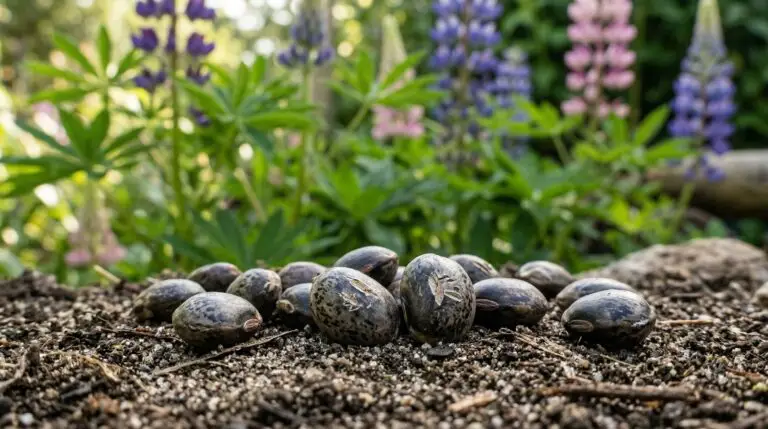
Growing lupines from seed and the scarification trick that unlocks fast germination
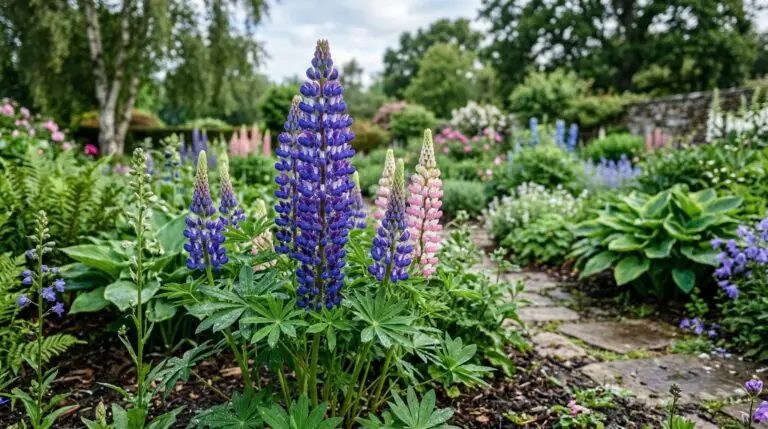
How to grow lupines for dramatic flower spires that bring cottage garden magic
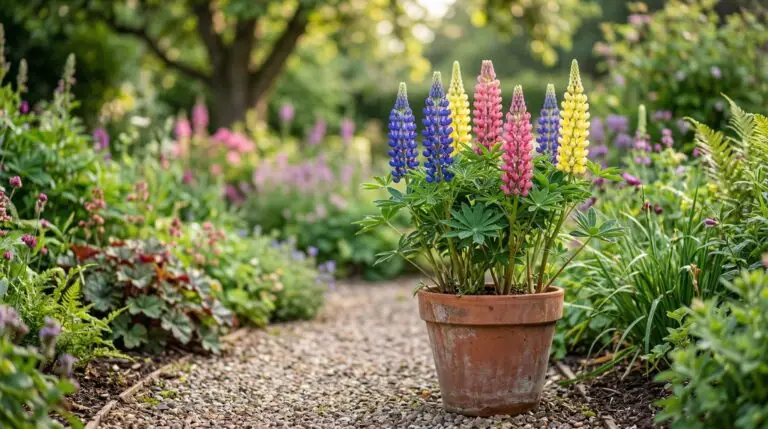
Growing lupines in containers for a vertical flower show on patios and doorsteps
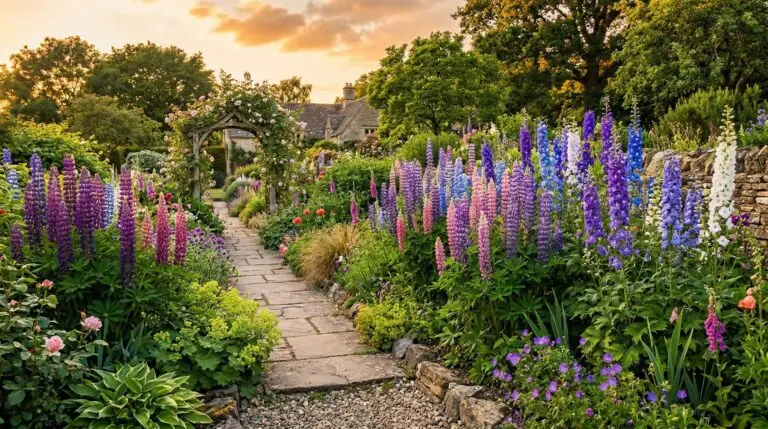
Companion plants for lupines in a classic English cottage garden border
Lupines as nitrogen fixers that naturally enrich and improve your garden soil
Lupine flower meaning and why these wild spires symbolize imagination and creativity