You plant coneflowers expecting rugged prairie survivors, but by mid-July, you walk out to the garden and find them splayed open, their heavy flower heads face-down in the mud. This is one of the most common frustrations I hear from home gardeners who want upright, self-supporting perennial beds. People buy these plants specifically because they are advertised as tough and low-maintenance, so seeing them collapse after a summer rainstorm feels like a betrayal. The instinct is usually to grab some twine and bamboo stakes to tie them up, but that almost always looks terrible and fails to address the actual root of the problem. When coneflower flopping happens, it is usually a direct result of how and where the plant is growing. By understanding the environmental triggers that cause weak stems, you can adjust your gardening practices and get those plants standing tall on their own.
Why your coneflowers are flopping over
The most frequent cause of echinacea leaning and collapsing is actually too much love, specifically in the form of rich soil and fertilizer. Coneflowers evolved in lean prairie soils where they had to work hard to survive, which naturally kept their growth compact and their stems thick. When you plant them in heavily amended garden beds loaded with compost or hit them with synthetic fertilizers, they respond by putting on rapid, weak growth. The stems shoot up taller than they normally would, but the plant tissues are soft and completely unable to support the weight of the heavy seed heads. The fix here is incredibly simple because you just need to stop feeding them and let them grow in average or even poor soil. If your soil is already excessively rich, you will have to rely on pruning techniques or structural companion planting to keep them upright while they grow.
Another major culprit behind weak stems is inadequate sunlight. Coneflowers are true full-sun plants that need at least six to eight hours of direct, unobstructed light every single day to develop the rigid cellular structure required to hold themselves up. When they are planted in partial shade or shaded out by taller neighboring plants, they will rapidly stretch toward whatever light they can find. This stretching creates elongated, spindly stems that are practically guaranteed to snap or bend over as soon as the flowers open. If you notice your entire clump of coneflowers leaning heavily in one specific direction before they even bloom, they are telling you they need more sun. Moving the plants to a brighter location in early spring or late fall is the only permanent fix for shade-induced flopping.
Overcrowding also forces coneflowers into an unnatural growth habit that leads directly to structural failure. When you pack perennials too tightly into a garden bed, the plants have to compete aggressively for both light and air circulation. A coneflower surrounded by dense foliage will shoot straight up without developing the lower branching and thick basal stems that give it stability. They essentially become tall, skinny sticks balancing heavy weights on top. Giving your plants adequate breathing room allows the wind to hit the stems, which actually stimulates the plant to grow thicker and stronger in response to the movement. You can still plant them alongside other prairie natives like Black Eyed Susan or a late-season Aster, but you must space them far enough apart that each plant gets full sun on its lower leaves.
Fixing the problem with the Chelsea chop
If you have tall varieties growing in rich soil and you want to prevent them from falling over, your best tool is a pruning technique known as the Chelsea chop. This method involves cutting the plants back significantly in late May or early June, right around the time of the famous Chelsea Flower Show in England. When you cut the main growing stems back by about one-third to one-half of their height, you force the plant to stop growing upward and start branching outward. The plant responds by pushing out multiple new side shoots, resulting in a shorter, bushier plant with a much lower center of gravity. These shorter stems are significantly thicker and better equipped to hold up the flowers during heavy summer rainstorms.
Executing the Chelsea chop requires a bit of nerve the first time you do it, but the results are entirely worth the temporary loss of height. You simply take a sharp pair of bypass pruners and cut the green stems right above a leaf node where you want the new branching to occur. Some gardeners choose to chop the entire clump at once to create a uniform, shorter plant that acts like a sturdy shrub. Others prefer to cut only the outer stems of the clump, leaving the center stems tall to create a tiered effect that supports itself. The only downside to this technique is that it will delay your bloom time by about two to three weeks, but the trade-off is a massive increase in total flowers and a complete elimination of the need for coneflower staking.
Choosing sturdy varieties and natural supports
Sometimes the easiest way to avoid flopping is to select plants with genetics that naturally resist leaning and collapsing. The traditional purple coneflower species can easily reach four or five feet tall, and those older genetics are inherently prone to toppling if environmental conditions are not absolutely perfect. Plant breeders have spent the last two decades developing shorter, more compact varieties specifically designed for smaller modern gardens and borders. Cultivars that max out at two feet tall have thick, rigid stems that almost never require staking, even when grown in slightly richer garden soils. If you are starting a new bed and want to avoid maintenance completely, shopping for dwarf or compact varieties is the smartest decision you can make.
If you already have tall varieties and do not want to chop them back, you can use a technique called matrix planting to create natural support systems. Instead of using ugly metal hoops or bamboo stakes, you surround your coneflowers with structural companion plants that hold them up. Ornamental grasses with stiff, upright habits are perfect for this, as their dense foliage creates a supportive cage around the base of the coneflowers. When the wind blows or the rain falls, the coneflowers lean into the flexible grasses instead of falling all the way to the ground. This creates a much more natural, cohesive prairie look and completely eliminates the chore of tying up individual stems with garden twine.
Learning how to manage coneflowers effectively requires a shift in how you think about garden care. The most useful piece of advice I give to gardeners starting out with prairie plants is to stop treating them like delicate greenhouse specimens. Do not pamper them with fertilizer, do not give them rich compost, and do not hide them in the shade. Plant them in lean soil, bake them in the full hot sun, and let the wind push them around while they are young. When you force these plants to struggle just a little bit, they respond by building the tough, rigid stems they need to stand tall and look great all season long.
More About Coneflower
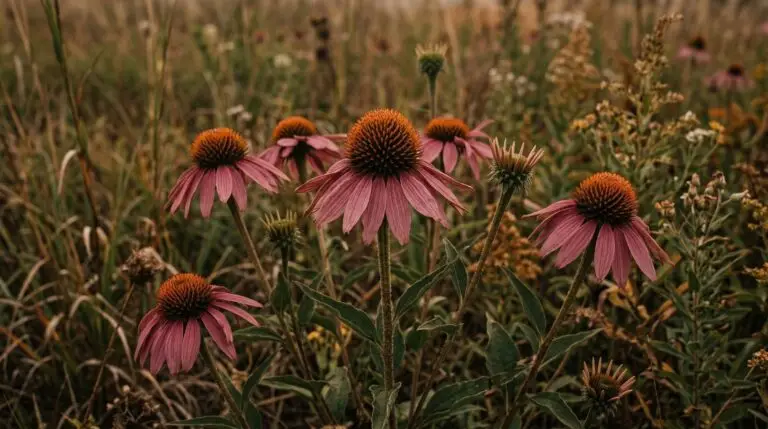
Echinacea for health and immunity and how it connects to the garden coneflower
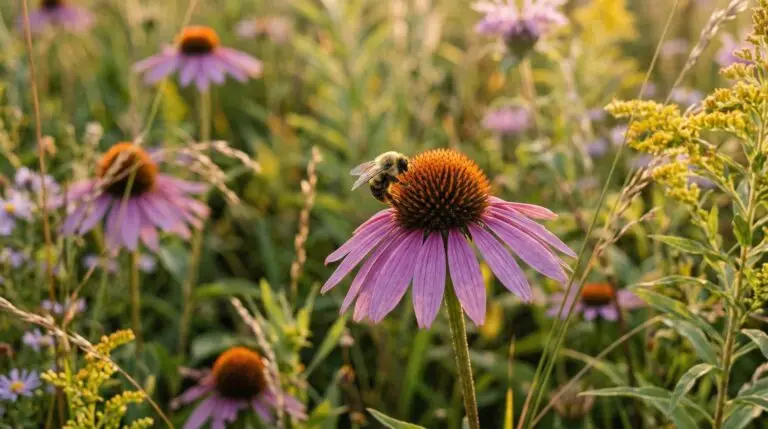
Coneflowers as the backbone of pollinator gardens attracting bees butterflies and birds

How to grow coneflowers from seed for a naturalistic wildflower garden

Coneflower and ornamental grass combinations for a modern prairie garden design
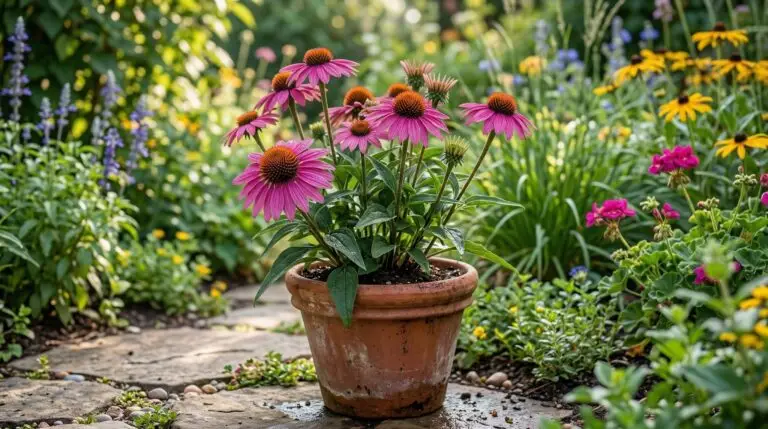
Growing coneflowers in containers for sunny balconies and apartment gardens
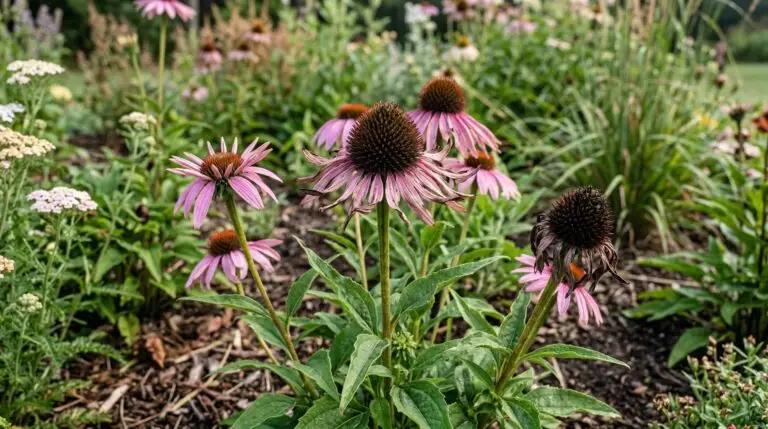
Using coneflowers as long-lasting cut flowers in summer and fall bouquets
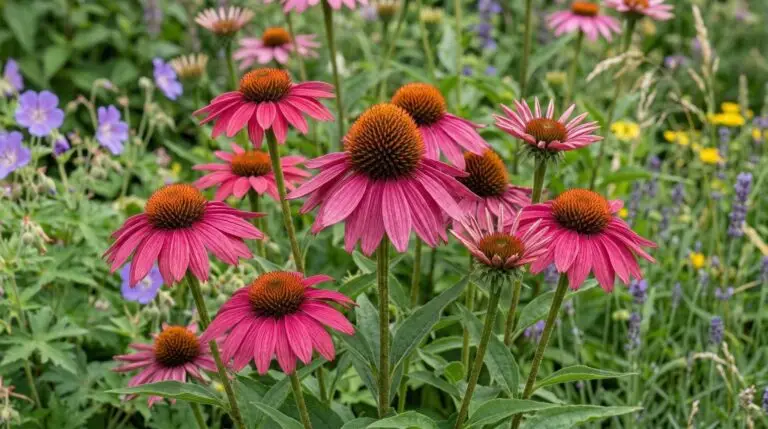
Best coneflower varieties from classic purple to sunset orange and double blooms