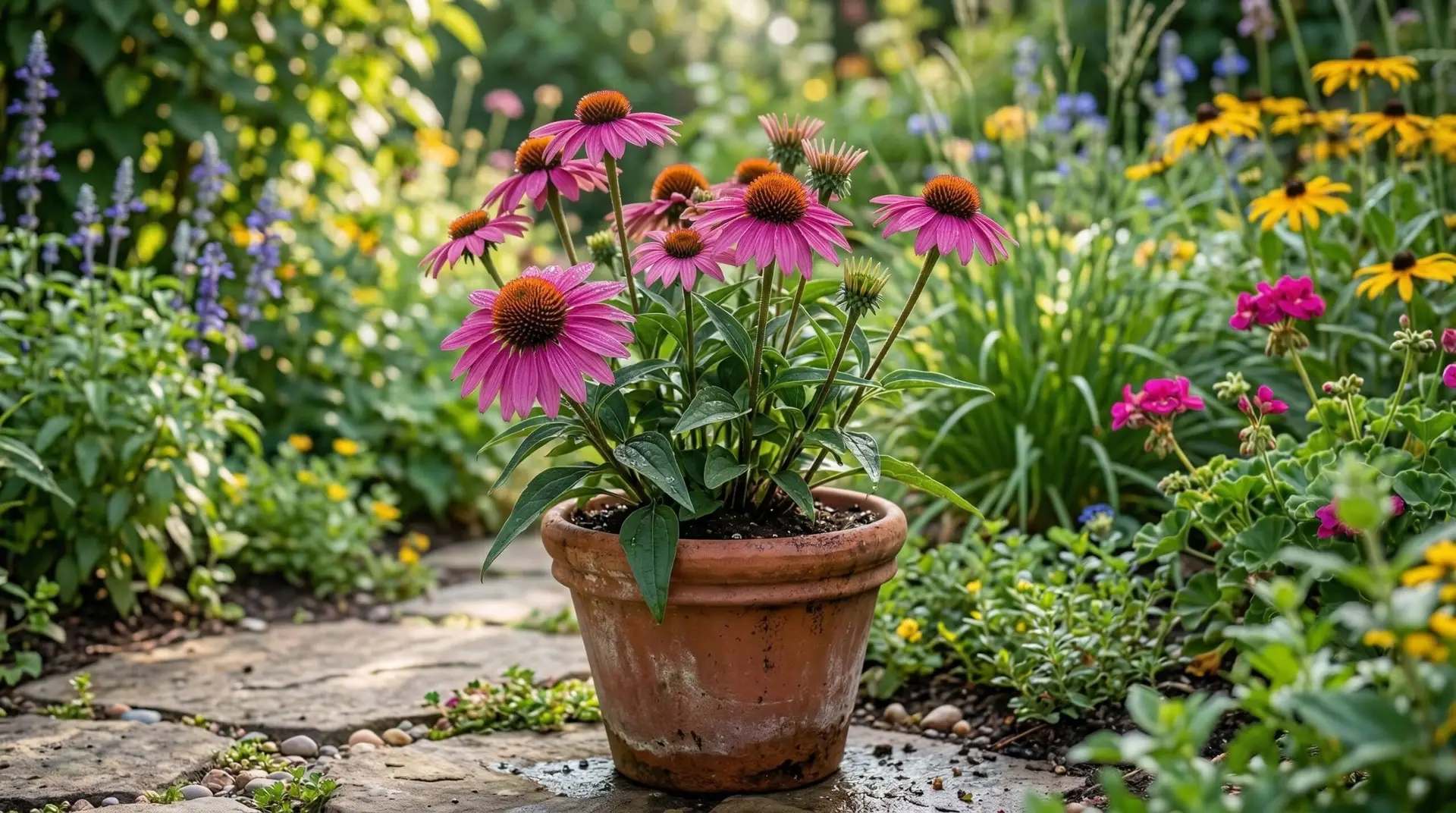
There comes a point in every gardening season when the ground is completely full, but the local plant sale has a table full of healthy perennials begging to come home. That is usually the exact moment when gardeners start looking at empty corners on sunny patios and wondering if a tall prairie native will survive in a bucket. Growing coneflowers in pots is entirely possible, but treating them like regular annuals will usually end in disappointment. These plants are built for the harsh conditions of the open prairie, meaning they have specific structural needs that standard patio planters rarely provide. Setting up an echinacea container requires understanding how these plants grow below the soil line rather than just looking at the pretty blooms on top. Creating a successful coneflower balcony garden takes a bit of heavy lifting at the start, but the reward is a permanent, drought-tolerant display that brings bees and butterflies right up to the seating area.
Contents 6 sections
Choosing the right pot for deep roots
The most common mistake made with container perennials is underestimating the root system. Coneflowers develop a deep, thick taproot designed to reach water far below the baked crust of the earth during summer droughts. Placing one of these plants in a standard eight-inch decorative bowl will stunt the plant immediately, causing the leaves to yellow and the stems to flop over. The secret to a healthy potted coneflower is depth, meaning the container needs to be at least sixteen to twenty inches deep to allow that taproot to stretch straight down. Heavy ceramic pots of this size are incredibly expensive and difficult to move, but there is an easy workaround for budget-conscious gardeners. Buying a cheap, tall plastic nursery pot, drilling a few extra drainage holes in the bottom, and slipping it inside a slightly larger decorative basket makes a perfect setup. This method saves money and makes it much easier to pull the plant out if the soil needs refreshing a few years down the line.
Getting the soil and sun balance right
Once the right container is sourced, the next hurdle is getting the soil and sunlight balance correct. Coneflowers demand full, baking sun to produce strong stems that will not bend under the weight of their own flower heads. A balcony that only gets three or four hours of morning light will result in leggy, weak plants that stretch desperately toward the sun and eventually snap in a strong breeze. When filling that deep container, skip the expensive moisture-retaining potting mixes sold at big box stores. Those heavy soils hold too much water against the crown of the plant during winter rains, leading straight to rot. Mixing standard potting soil with a generous amount of coarse builder sand or perlite creates the fast-draining environment these prairie natives expect. The water should run out of the bottom drainage holes almost immediately after watering, ensuring the roots get a drink without sitting in a muddy swamp.
Watering routines for hot balconies
Watering a potted prairie plant requires a different mindset than caring for thirsty annuals like petunias or geraniums. Because the coneflower is trapped in a container, it cannot send its roots endlessly outward to find moisture when the summer heat bakes the balcony. However, overwatering remains the fastest way to kill an echinacea, even in the middle of July. The trick is to wait until the top three inches of the potting mix feel completely dry to the touch before reaching for the watering can. When it is time to water, soak the pot thoroughly until water pours freely from the bottom drains, and then walk away for several days. During a week of ninety-degree days, a large container might need this deep soaking twice a week, while a cooler, cloudy stretch might mean watering only once every ten days. Learning to read the leaves is a useful skill here, as a thirsty coneflower will lose the stiff, upright posture of its foliage just slightly before the stems actually begin to droop.
Selecting compact varieties and companions
Not all coneflowers are suited for life above ground level. The classic native species can easily reach four feet tall, which turns into a giant sail on a windy apartment balcony, inevitably tipping the entire pot over during a summer storm. Nurseries now carry dozens of compact varieties specifically bred to top out at eighteen to twenty-four inches, making them the perfect scale for container life. These shorter plants maintain the exact same drought tolerance and bloom power, but their sturdy, thick stems keep them upright even in exposed, windy locations. To create a miniature prairie ecosystem in a large half-barrel planter, these compact coneflowers look brilliant when planted alongside other tough sun-lovers. Adding a low-growing Coreopsis around the edges gives a bright splash of yellow that spills over the rim. For a classic late-summer display, a dwarf Black Eyed Susan planted right next to the coneflower will guarantee a steady stream of goldfinches and native bees visiting the patio until the first frost.
Overwintering containers in cold climates
The true test of growing perennials in containers comes when the growing season ends and the cold weather arrives. Plants in the ground have the benefit of the earth insulating their roots, but a potted plant is exposed to freezing air on all sides. Gardeners in the South may find this easier because their mild winters allow the pots to stay exactly where they are year-round without much fuss. In northern zones, the approach changes entirely, as a hard freeze can turn the moisture inside a plastic pot into a solid block of ice, crushing the taproot. The most reliable method for cold climates is to wait until the plant dies back completely in late autumn, cut the dead stems down to the soil, and move the entire pot into an unheated garage or shed. The plant needs to stay cold to maintain its natural dormancy, but it needs protection from the brutal wind and alternating freeze-thaw cycles. Checking the pot once a month and giving it a tiny splash of water will keep the soil from turning into completely dry dust.
Waking up the pots in spring
When spring finally rolls around and the pots are moved back out into the sun, patience becomes the most valuable tool in the shed. Coneflowers are notoriously slow to wake up, and the dry, empty soil in the pot will often trick people into thinking the worst. The dormant crowns look dead for about two weeks after the initial spring thaw or a fresh transplanting. They are not dead, so give them time. Many good plants get thrown into the compost bin during this window by gardeners who assume the winter cold killed them. Keep the soil slightly damp but never soggy, and watch closely for tiny rosettes of green leaves pushing up through the dirt. Once those first leaves appear, a light top-dressing of basic compost is all the fertilizer they need to fuel a summer of blooms. Getting the soil drainage right and protecting the roots from deep freezes will keep a potted coneflower blooming on a sunny balcony for many years.
More About Coneflower
Echinacea for health and immunity and how it connects to the garden coneflower
Coneflowers as the backbone of pollinator gardens attracting bees butterflies and birds

How to grow coneflowers from seed for a naturalistic wildflower garden
Coneflower and ornamental grass combinations for a modern prairie garden design
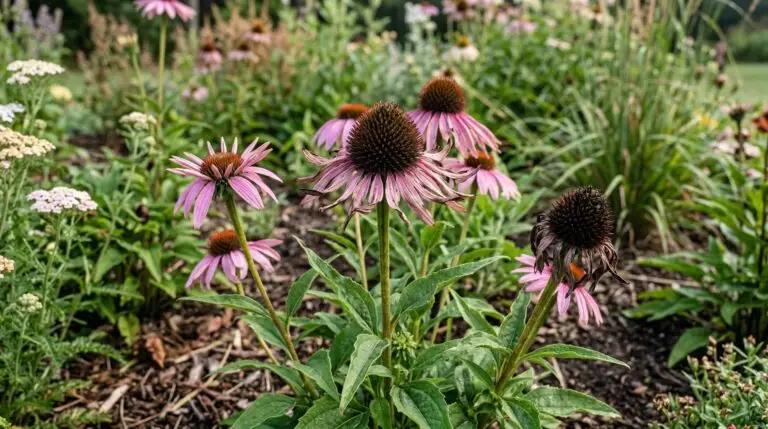
Using coneflowers as long-lasting cut flowers in summer and fall bouquets
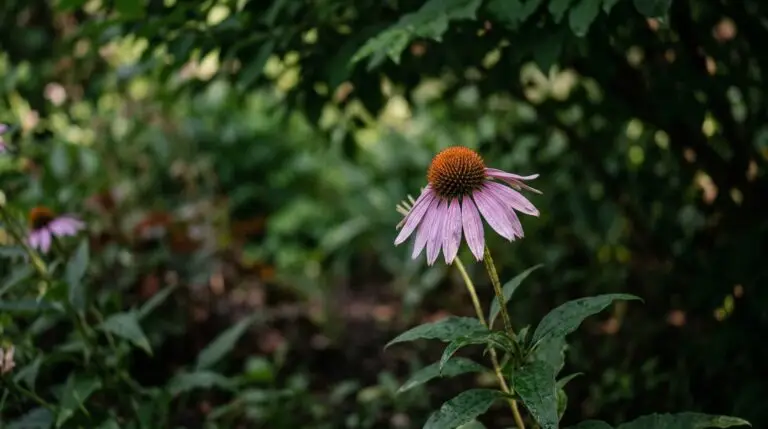
Why coneflowers flop over and how to grow sturdy upright plants without staking
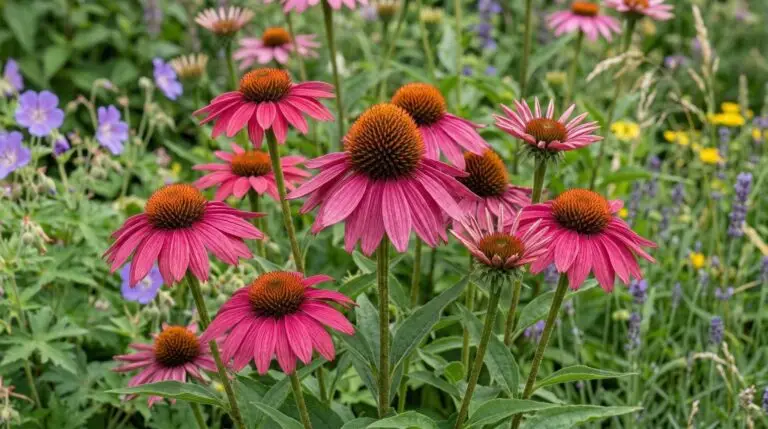
Best coneflower varieties from classic purple to sunset orange and double blooms
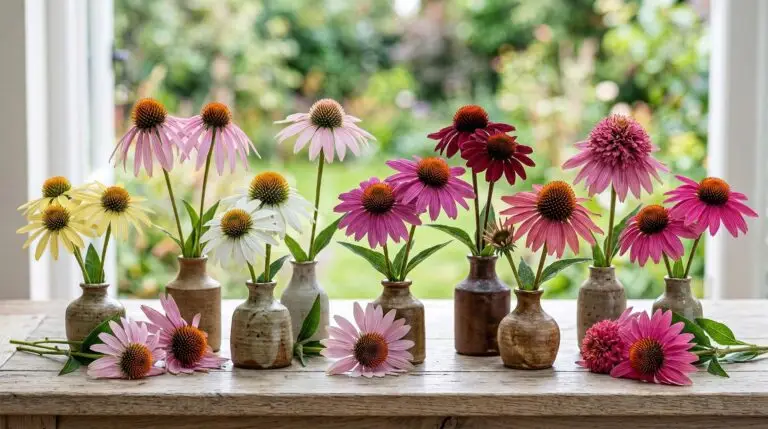
Native coneflower species of North America and why they matter for local ecosystems
Enjoying our flower guides? Add YourFlowersGuide as a preferred source on Google. It helps more readers find us.
Add to Preferred Sources