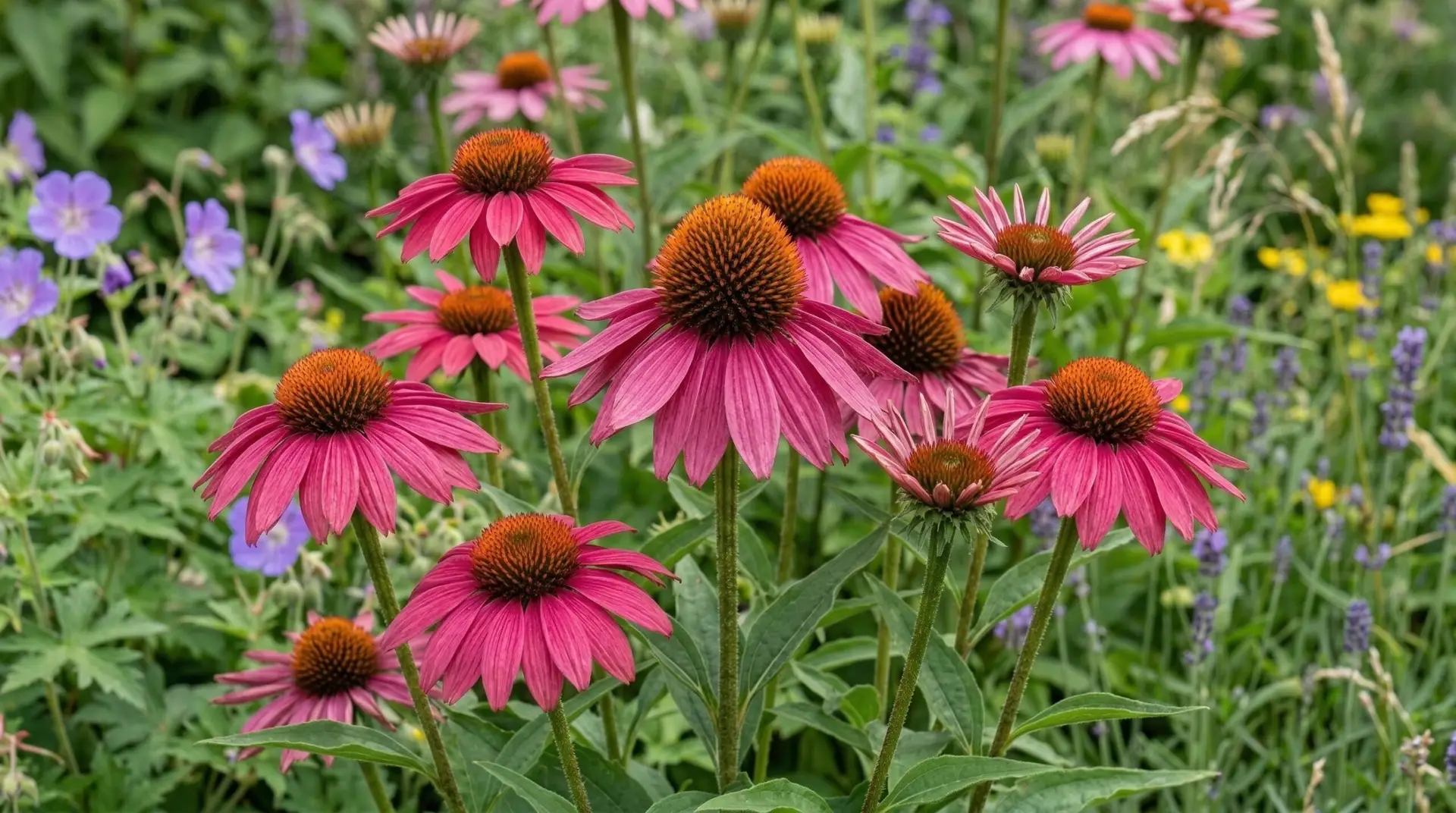
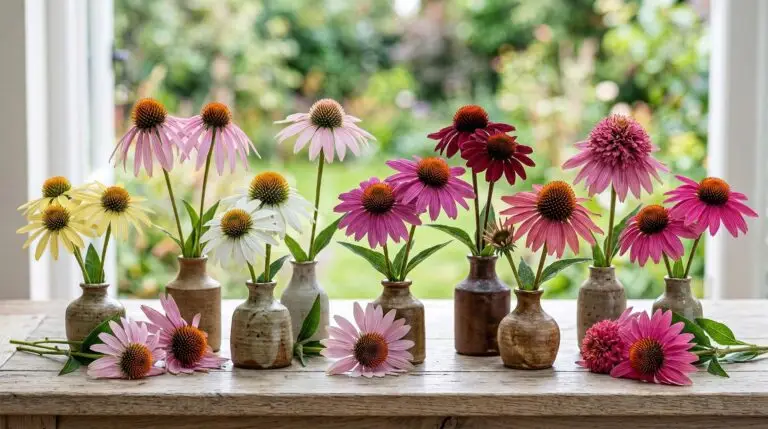
The market for coneflower varieties is currently flooded with hundreds of patented cultivars in every conceivable shade. Garden centers dedicate long aisles to plants promising neon colors, double petals, and dwarf habits. Many of these heavily bred introductions behave more like annuals than the rugged prairie natives they descend from. A selective gardener must look past the flashy nursery tags to find plants that actually return and perform year after year in heavy clay or dry sandy loams. Rather than trying to collect every new color release, a better approach is to plant a curated selection of proven performers that balance visual interest with true garden longevity. We will look closely at a handful of echinacea varieties that have proven their worth through rigorous field trials and real world conditions.
Contents 4 sections
The standard of purple excellence
When evaluating any new coneflower, the standard of comparison remains the classic purple forms that defined the species. The variety Magnus earned its reputation decades ago and still outperforms most modern introductions in both height and structural integrity. Magnus produces large flowers with flat, horizontal petals, avoiding the deeply reflexed, drooping look of wild species plants. The ray petals offer a clear, saturated pinkish purple that contrasts sharply against the coppery orange central cones. These tall stalks stand up to heavy summer rains without staking and form substantial clumps that persist for a decade or more. Many contemporary guides suggest replacing older varieties with newer dwarf types, but gardens lose vital vertical architecture when every plant is bred to be knee high. Magnus adds the necessary height to anchor a planting bed and offers a reliable, accessible nectar source for late summer pollinators.
For smaller spaces where a towering plant might overwhelm the design, PowWow Wild Berry is an exceptional alternative to Magnus. This seed grown variety produces an intense, saturated magenta color that resists fading even in harsh afternoon sun. The plants maintain a compact, basal branching habit that maxes out around two feet tall, making them highly useful at the very front of a perennial border. Because PowWow Wild Berry grows readily from seed rather than tissue culture, the plants retain a high degree of natural vigor and establish strong, deep root systems quickly. You can pair these shorter coneflowers with a classic Black Eyed Susan to create a highly drought tolerant, low maintenance combination that blooms continuously from midsummer through early autumn. The consistent performance of PowWow Wild Berry makes it an easy choice over the countless other dwarf pink hybrids that tend to vanish completely after their first wet winter.
Navigating the color revolution
The introduction of yellow, orange, and red genetics into the coneflower breeding lines changed the nursery industry completely. Breeders achieved these warm tones by crossing the standard purple coneflower with the yellow flowered Ozark native, Echinacea paradoxa. Unfortunately, many of the early warm toned hybrids were notoriously weak, often dying out over the winter or succumbing to crown rot in damp soil. Cheyenne Spirit is a much needed correction to this problem of fragile, short lived hybrids. Like PowWow Wild Berry, Cheyenne Spirit is grown from seed, which grants it the robust constitution often missing in expensive, vegetatively propagated clones. A single planting of Cheyenne Spirit will yield a mix of sunset colors, producing individual plants that bloom in tomato red, golden yellow, pale cream, and deep orange. This built in color variation provides a complex, naturalistic look without the need to buy and mix several different named cultivars.
Evaluating double bloom forms
Double coneflowers have a central cone completely replaced by short, tufted petals, creating a thick pom pom effect. Many traditionalists dismiss these fully double forms because their altered anatomy prevents bees and butterflies from accessing the nectar. While ecological concerns are valid, these double varieties offer serious visual weight and look entirely different from a standard Shasta Daisy or single coneflower. If you choose to include double forms in your garden, Hot Papaya remains one of the few that holds its heavy flower heads upright on strong stems. The blooms open as a fiery orange red and mature to a deep papaya color, providing a thick, textural presence in the middle of the border that refuses to flop over. Butterfly Kisses offers a similarly reliable double form in a soft pink, keeping a tight, compact habit that prevents the heavy blooms from pulling the entire plant into the mud after a rainstorm.
Managing native and hybrid lifespans
Understanding the genetic background of your chosen echinacea varieties helps manage expectations regarding their actual lifespan in the garden. The straight native species and older selections like Magnus are true, long lived perennials that will slowly expand their footprint over many consecutive years. The complex hybrids, particularly those bred for unusual warm colors or double flower forms, should be treated as short lived perennials that may only give you three to five seasons of strong performance. You can extend the life of these hybrids by dividing them every few years in the spring, which rejuvenates the crown and prevents central die out. Leaving the dried seed heads standing through the winter provides food for goldfinches and adds necessary rigid structure to the dormant garden. This late season structural value is similar to the fading stalks of an Aster, giving the garden visual interest long after the actual petals have dropped to the ground.
After observing countless new introductions rise to prominence and quietly disappear from catalogs a few years later, the true value of garden reliability becomes clear. Magnus is the single best coneflower variety for any gardener who values longevity, structural integrity, and classic form. While the neon oranges and double pinks offer temporary novelty, Magnus provides a permanent architectural backbone to the summer garden. Its tall, strong stems require no coddling, its horizontal petals display beautifully from a distance, and its lifespan rivals any long lived perennial in the nursery trade. It establishes a deep taproot that allows it to shrug off extended summer droughts without supplemental watering. Choosing Magnus means rejecting the disposable nature of modern plant breeding in favor of a robust plant that will anchor your garden for a generation.
More About Coneflower
Echinacea for health and immunity and how it connects to the garden coneflower
Coneflowers as the backbone of pollinator gardens attracting bees butterflies and birds
How to grow coneflowers from seed for a naturalistic wildflower garden
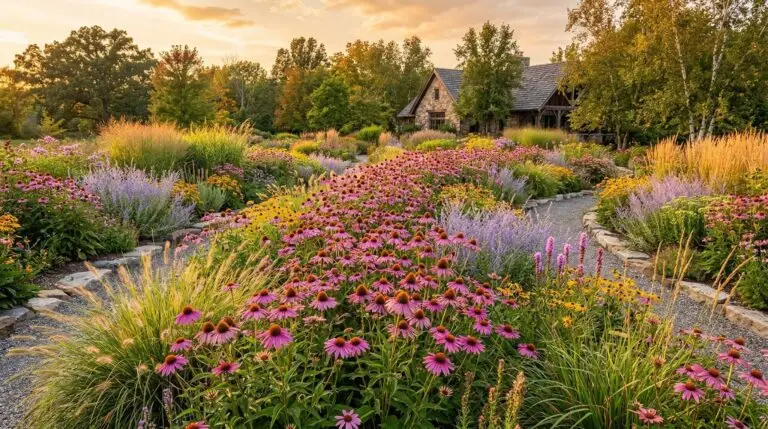
Coneflower and ornamental grass combinations for a modern prairie garden design
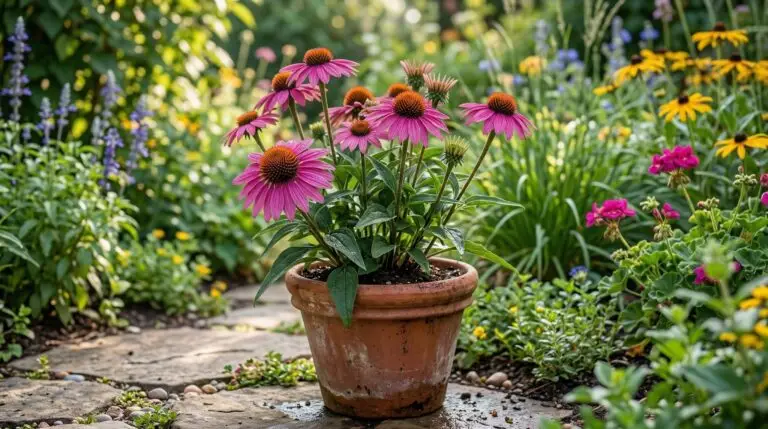
Growing coneflowers in containers for sunny balconies and apartment gardens
Using coneflowers as long-lasting cut flowers in summer and fall bouquets
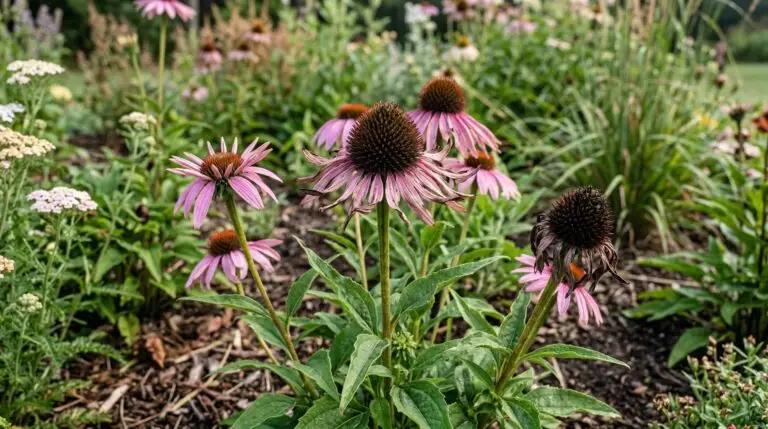
Why coneflowers flop over and how to grow sturdy upright plants without staking
Native coneflower species of North America and why they matter for local ecosystems
Enjoying our flower guides? Add YourFlowersGuide as a preferred source on Google. It helps more readers find us.
Add to Preferred Sources