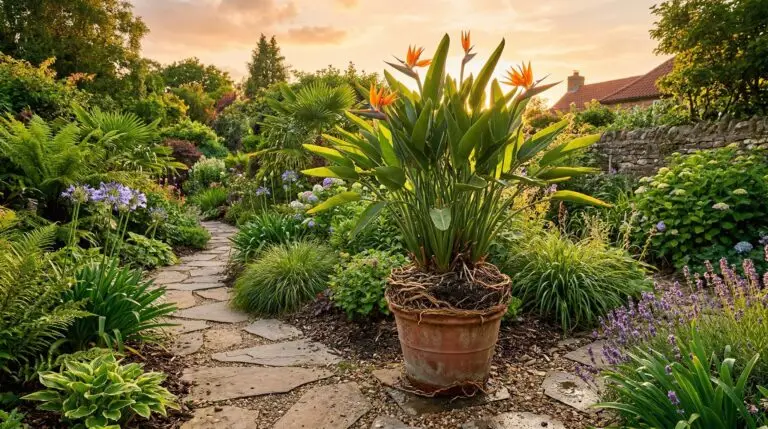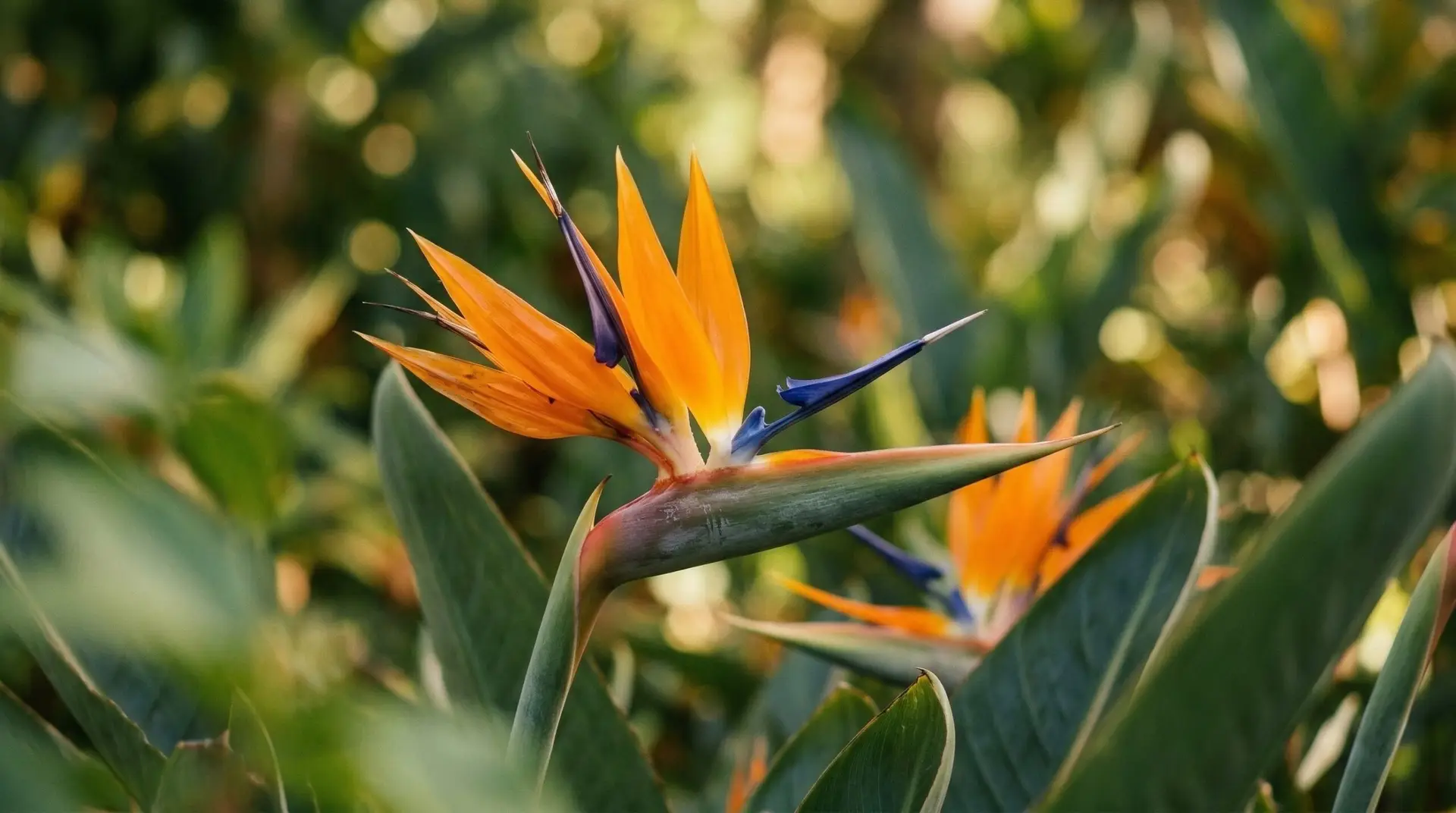
In the late eighteenth century, botanical explorers navigating the dense riverbanks of the eastern Cape of South Africa encountered a plant that looked entirely like a bird frozen in mid-flight. The indigenous Xhosa and Zulu peoples had long known this plant, calling it the crane flower because its striking orange and blue petals resembled the crowned crane native to the region. When European botanists brought specimens back to the heated glasshouses of the Royal Botanic Gardens at Kew in 1773, the plant caused an immediate sensation among the British aristocracy. The director of Kew Gardens, Sir Joseph Banks, named the genus Strelitzia in honor of Queen Charlotte, the Duchess of Mecklenburg-Strelitz and wife of King George III. This royal christening firmly embedded the bird of paradise flower meaning in the European consciousness as a symbol of magnificence and aristocratic privilege. From its origins as a wild riverside perennial, the plant began a global migration that would eventually see it become a universal emblem of tropical exoticism and untethered freedom. The story of the bird of paradise is a clear record of how human cultures project their own desires for escape onto the natural world. Modern gardeners still cultivate this species for the same dramatic flair that captivated those early botanists.
South African roots and ecological connections
Before the bird of paradise became a fixture in global botanical gardens, it held specific cultural weight in its native South African habitat. The plant evolved in a precise ecological relationship with the local sunbirds, which use the arrow-like blue petals as a perch to drink nectar. When the bird lands, its weight opens the petals to release pollen, a biological mechanism that indigenous observers recognized as a profound connection between flora and fauna. In the language of the local Nguni-speaking peoples, the crane flower was a familiar part of the coastal bush and ravine environments of KwaZulu-Natal. The plant eventually became the official floral emblem of the KwaZulu-Natal province, and it is a regional marker of identity and natural heritage. In South African cultural contexts, strelitzia symbolism is heavily tied to this wild origin, and the plant embodies the untamed freedom of the natural environment. The sharp, upward-thrusting angles of the blooms evoke a sense of flight and liberation that remains central to the plant’s identity in its homeland. South Africans continue to plant the crane flower in public spaces and private gardens to honor their unique regional ecology.
Traditional uses and the early botanical trade
Beyond its visual appeal, the bird of paradise has a history rooted in the practical and economic lives of the people who first lived alongside it. Traditional healers in southern Africa utilized parts of the Strelitzia plant in local medicine regimens. The strained decoctions made from the flower stems and inflorescences were sometimes used to treat swollen glands and venereal diseases, integrating the plant into the daily health practices of the indigenous population. The thick, fibrous leaves also provided utility, occasionally being woven or used as structural material in temporary shelters. As European colonization expanded, the economic value of the bird of paradise shifted from local medicine to international commodity. Dutch and British nurserymen recognized the lucrative potential of the plant’s seeds, which were difficult to harvest and highly sought after by wealthy collectors. The early botanical trade relied heavily on local South African labor to locate and harvest these seeds from wild populations along the riverbanks. This historical trade network laid the groundwork for the modern global cut-flower industry, where the bird of paradise remains a highly valued commercial crop.
The Victorian language of flowers and royal patronage
When the Strelitzia reginae entered the highly codified world of Victorian flower language, it defied the conventional categories assigned to delicate European blooms. Nineteenth-century floriography usually assigned modest virtues to local wildflowers, but the bird of paradise required a completely different vocabulary. Because it demanded expensive, specialized glasshouses to survive the cold British winters, only the wealthiest estates could successfully cultivate it. Consequently, the bird of paradise flower language translated directly to royalty, excellence, and success. Giving someone a bird of paradise bloom was a definitive statement of high regard, acknowledging the recipient’s unique and striking presence in high society. The flower became a status symbol among the European elite, who viewed its dramatic, avian appearance as a triumph of botanical collection over the limitations of northern climates. The association with Queen Charlotte further cemented its reputation as a flower of nobility, far removed from the humble connotations of native meadow flowers. European gardeners spent decades perfecting the cultivation techniques required to force these exotic plants into bloom, methods that modern greenhouse growers still utilize today.
Cultivation in Hawaii and the concept of paradise
As global trade routes expanded in the late nineteenth and early twentieth centuries, the bird of paradise found its way to tropical climates that closely mirrored its South African home. The plant thrived particularly well in the volcanic soils and warm humidity of Hawaii, where it was introduced as an ornamental landscape plant. Although it is not native to the Pacific islands, the bird of paradise integrated deeply into the modern Hawaiian aesthetic and the global perception of island life. In mid-century tropical floristry, designers frequently paired the sharp, angular profiles of the bird of paradise with other dramatic tropicals, using them alongside bright, flared hibiscus blooms and the glossy, heart-shaped spathes of anthurium plants. This visual combination became the defining image of the tropical vacation industry, shifting the strelitzia symbolism away from European aristocracy and toward concepts of leisure, joyfulness, and earthly paradise. The flower came to mean the human desire to escape the mundane constraints of daily life and flee to an idealized tropical haven. Today, it remains a central element of Hawaiian resort landscaping and tropical floral design, carrying the cultural weight of vacation and relaxation. Modern florists rely on this precise combination of tropical flowers to evoke the feeling of a permanent summer getaway.
Modern symbolism and architectural design
In contemporary floral traditions, the bird of paradise holds the specific distinction of being the official flower for the ninth wedding anniversary. Reaching nine years of marriage requires both grounded stability and the freedom to grow, qualities perfectly mirrored by the thick, sturdy stalks and soaring, bird-like petals of the Strelitzia. The flower means faithfulness and a relationship that continues to explore new horizons rather than settling into a rigid routine. Beyond romantic symbolism, the plant has carved out a unique space in modern architectural design, particularly in the mid-century modern landscapes of Southern California. Landscape architects in the 1950s and 1960s favored the plant because its clean, geometric lines complemented the flat roofs and large glass windows of modernist homes. The bird of paradise was a living sculpture, bringing a sense of structured, architectural freedom to domestic gardens. Modern hybridizers and nursery growers continue to propagate the plant for these exact structural qualities, ensuring that the visual legacy of the crane flower remains intact. The cultivation history of the bird of paradise from a wild South African ravine to a carefully curated modernist garden illustrates how a single plant can capture human fascination with flight, freedom, and the idea of paradise.
More About Bird of Paradise
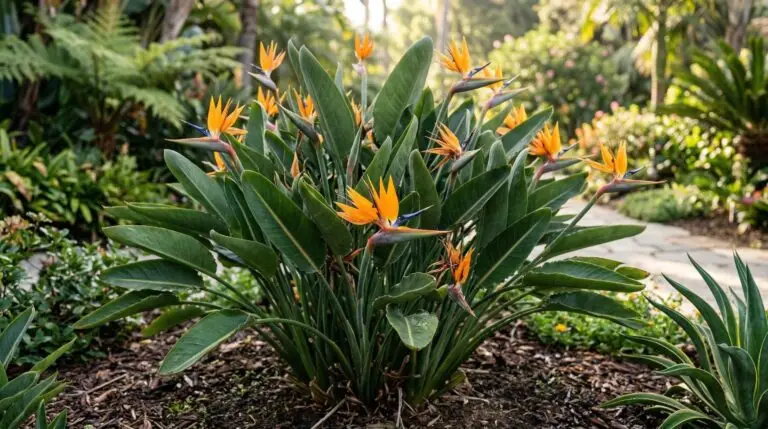
Growing bird of paradise outdoors in zones 9 through 11 for year-round tropical color
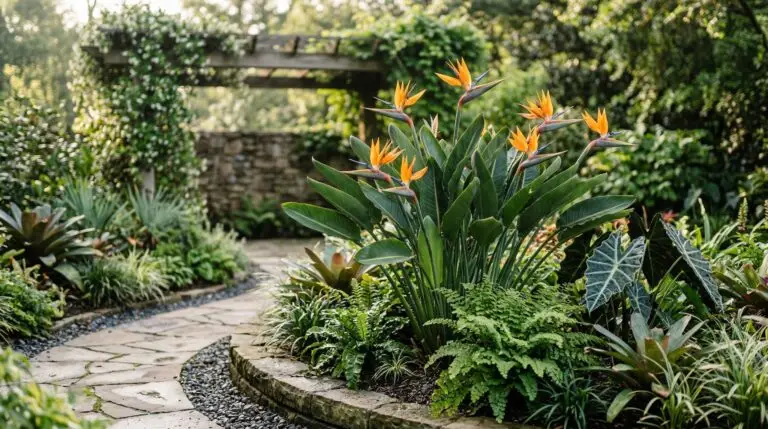
Using bird of paradise flowers in dramatic tropical floral arrangements
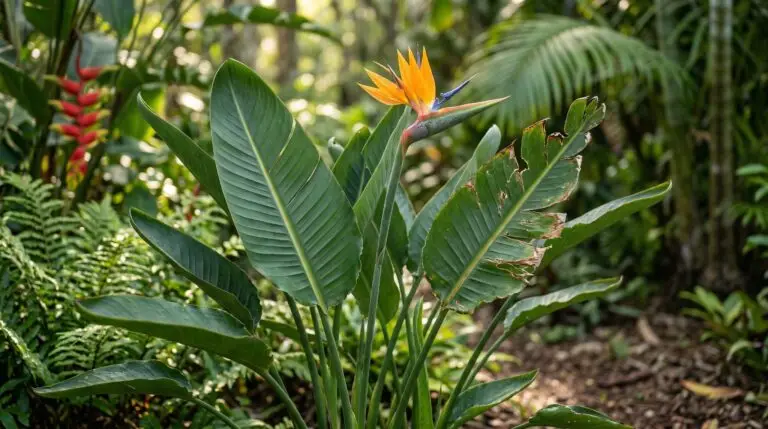
Bird of paradise leaf splitting and curling and what your plant is trying to tell you
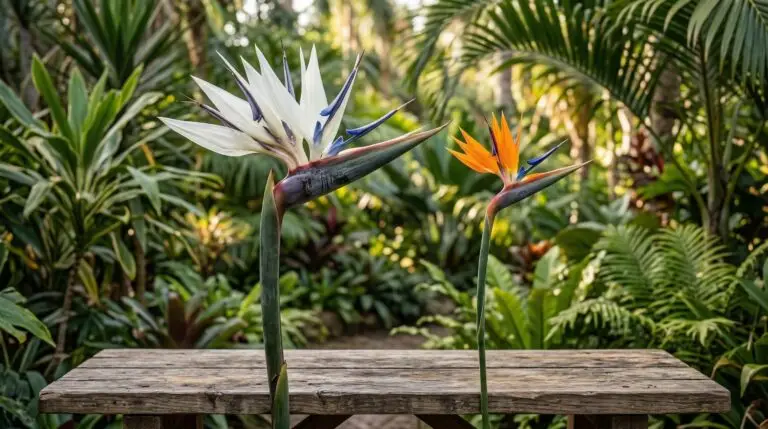
Giant white bird of paradise versus orange bird of paradise and which to choose
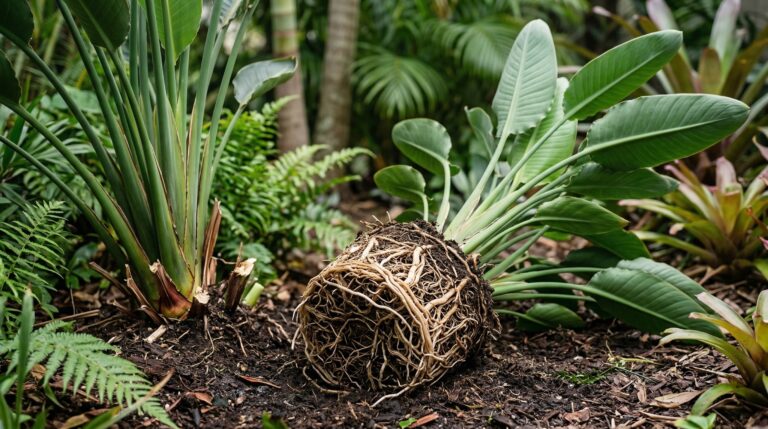
How to divide bird of paradise to share with friends or fill your garden
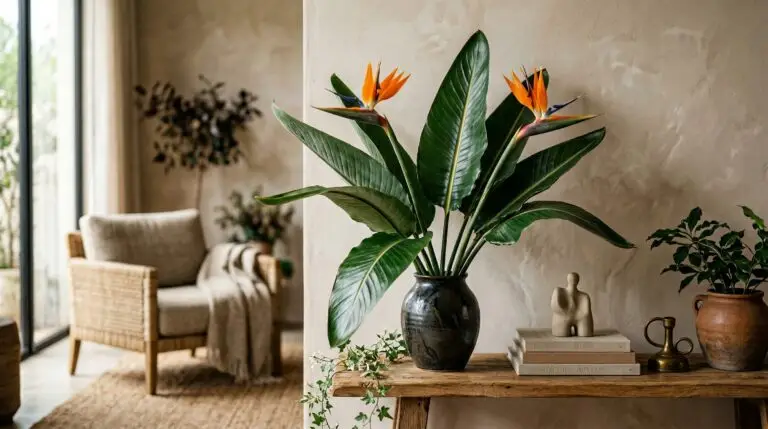
Bird of paradise in modern interior design as a living sculptural statement
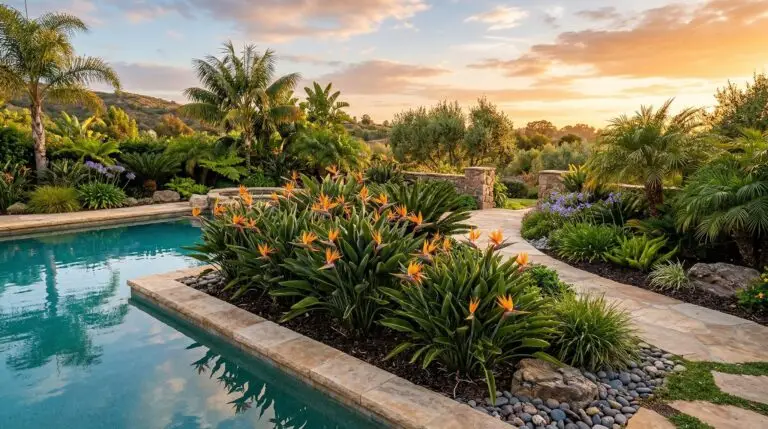
Bird of paradise in tropical landscape design for a resort-style backyard
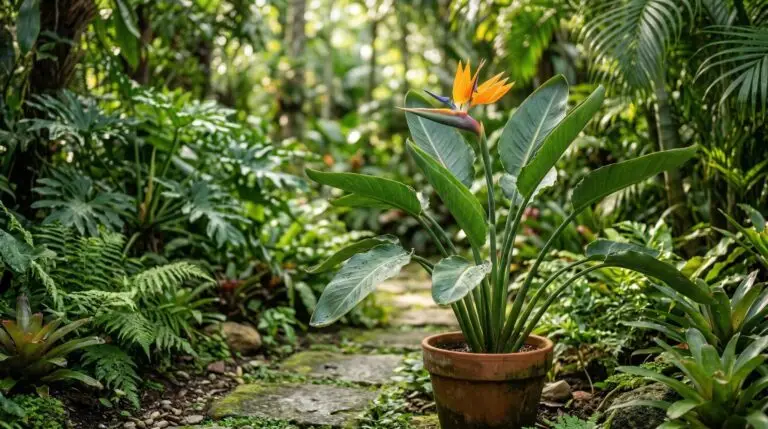
How to grow bird of paradise indoors and get it to bloom in your living room