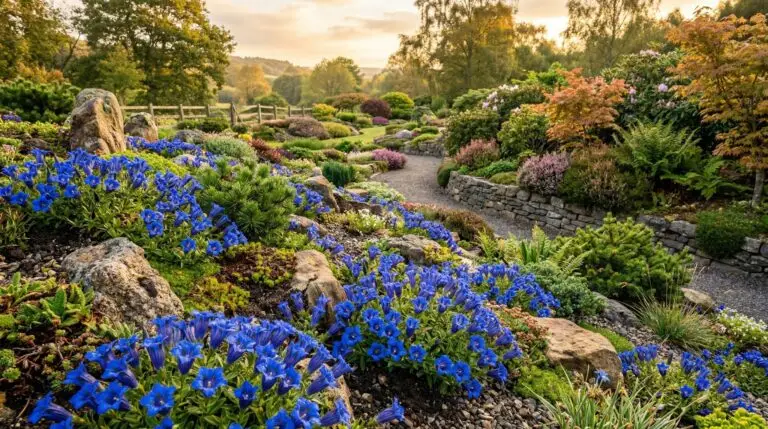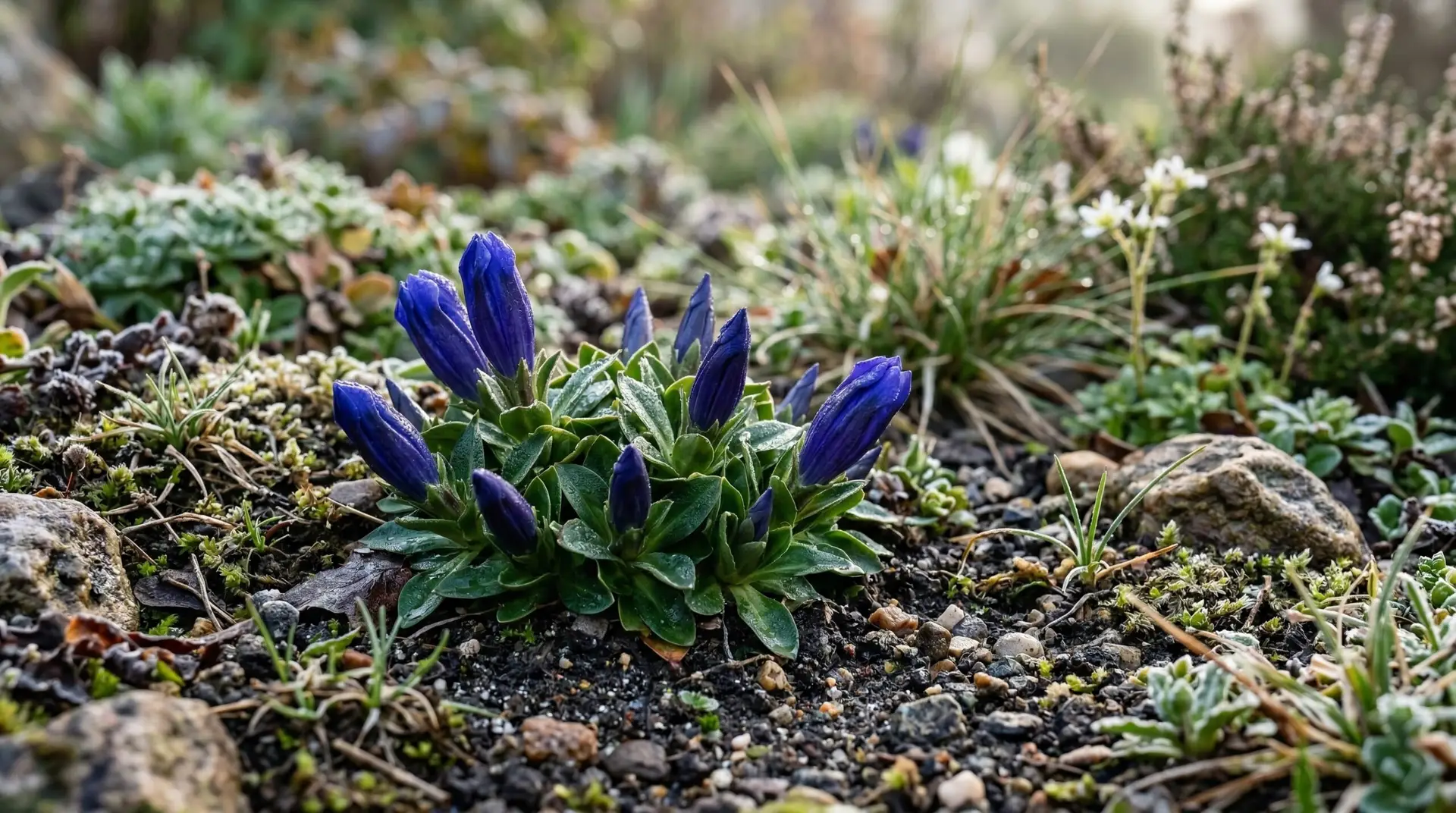
By understanding the harsh alpine environments where gentians evolved, you will grasp exactly why their seeds behave the way they do and how you can coax them into life in your own garden. Growing gentian from seed requires you to step away from the traditional vegetable garden mindset where seeds sprout in a few days. These brilliant blue flowers have developed a highly specific set of biological rules designed to keep their offspring alive through freezing winters and unpredictable springs. When you learn to work with these rules rather than against them, the process of starting gentians transforms from a frustrating mystery into a predictable, logical progression. You will learn to replicate the exact environmental cues these seeds are waiting for before they agree to wake up. This takes a season or two to get a feel for, and that is completely normal when moving from common annuals to specialized perennials.
Understanding why gentian seeds need the cold
To understand gentian germination, you have to look at how these plants survive in the wild. Gentians typically grow in mountainous or cool regions where winter arrives early and stays late. If a gentian dropped its seeds in late summer and those seeds sprouted immediately in the warm autumn soil, the fragile new seedlings would be destroyed by the first hard freeze of winter. To prevent this, the plant equips each seed with chemical inhibitors that actively block germination. You can think of these inhibitors as a biological combination lock that keeps the seed dormant and safe. The only way to unlock the seed is to subject it to a prolonged period of freezing and thawing temperatures, a process botanists call cold stratification.
This is why bringing a packet of gentian seeds home in May and planting them directly in warm garden soil usually results in bare dirt. The seeds are perfectly healthy, but their internal chemical locks are still engaged. They are waiting for a winter that has not happened yet. The cold stratification process slowly breaks down those chemical inhibitors over several weeks or months. As the temperature drops and moisture seeps through the seed coat, the seed receives the physical signal that winter has arrived. Only after this cold period passes and the temperatures begin to rise again will the seed recognize that spring is here and it is finally safe to sprout.
Replicating winter conditions for successful germination
The most reliable way to provide this necessary cold period is through a method called winter sowing. Instead of trying to trick the seeds inside a kitchen refrigerator, you allow nature to do the heavy lifting by planting them outdoors in the middle of winter. You start by filling small pots with a well-draining potting mix, pressing the tiny gentian seeds onto the surface, and covering them with a very thin layer of coarse sand. The seeds need to stay consistently moist but never waterlogged, which is why coarse sand works better than heavy potting soil to hold them in place. You then set these pots outside against a north-facing wall or in a shaded spot where they will experience the natural freeze and thaw cycles of winter snow and rain. This method closely mimics the exact conditions a wild seed would experience resting on an alpine slope.
If you live in a climate with very mild winters that rarely freeze, you will need to replicate this cold period artificially indoors. You can mix the seeds with a handful of damp sand, place them in a sealed plastic bag, and leave them in the back of your refrigerator for six to eight weeks. It is critical that the sand is damp, because dry cold will not break down the chemical inhibitors. Moisture is the vehicle that carries the cold signal through the seed coat. Once the six to eight weeks have passed, you can sow the seeds in pots and place them in a cool spot outdoors to wait for germination. This artificial chilling process is highly effective for many cold-climate perennials, much like the methods used when starting Hellebore seeds, which require a nearly identical period of cold moisture to break their dormancy.
The timeline from tiny sprout to first flowers
Once your seeds finally break dormancy in the spring, you will need to adjust your expectations regarding how fast they will grow. A tomato plant can grow from a seed to a towering vine in three months, but an alpine perennial operates on a completely different timeline. During their first full year of life, gentian seedlings will often remain incredibly small, sometimes producing only a tiny rosette of leaves that barely covers the surface of the soil. This might seem contradictory to good plant health, but the reason is entirely logical when you remember their wild origins. The plant is directing nearly all of its energy underground to build a deep, extensive root system that can survive the upcoming winter drought and freezing temperatures. The top growth is kept minimal because large leaves would lose too much moisture to the harsh mountain winds they evolved to endure.
Because of this heavy investment in root development, you will typically wait two to three full years before you see your first gentian flower. During the second year, the leafy rosette will expand and the plant will establish a stronger presence in its pot or garden bed, but it is still building the energy reserves necessary to produce those large, complex blue blooms. You might worry that you are doing something wrong because the plant seems stuck in a juvenile stage for so long. As long as the leaves are green and the soil drains well, the plant is doing exactly what it is supposed to do. You will often see this same deliberate, root-focused growth pattern when cultivating Delphinium elatum and other long-lived perennials that prioritize long-term survival over rapid, flashy growth.
Dividing mature plants as a faster alternative
If waiting three years for a flower feels like too much of a commitment, you can bypass the seed stage entirely by dividing an existing, mature gentian plant. Division is the process of digging up a large plant and physically separating its root system into several smaller, independent plants. Because these divided sections already possess mature, fully developed root systems, they do not need to spend years building energy reserves underground. A gentian divided in the early spring will often produce flowers by late summer of that exact same year. This method gives you an immediate head start and guarantees that the new plants will be exact genetic copies of the parent plant, producing the exact same shade of blue.
The physical process of dividing a gentian requires a bit of care because their root systems can be thick and deeply entangled. You will want to dig up the entire plant as soon as the ground thaws in early spring, right before the new leaves begin to actively push out of the soil. Using a sharp spade or a heavy garden knife, you slice cleanly through the center of the crown, making sure each new section has several healthy white roots and a few dormant growth buds at the top. You then replant these sections immediately at the exact same depth they were growing previously. By doing this in early spring, you give those severed roots the entire cool, moist season to heal and anchor themselves into the soil before the stressful heat of summer arrives.
Successfully cultivating these intensely blue flowers is ultimately an exercise in understanding plant ecology. When you learn that gentian seeds use chemical inhibitors to protect themselves from sprouting at the wrong time, the requirement for a long, cold winter makes perfect biological sense. You stop fighting the plant’s natural timeline and start providing the exact environmental cues it needs to feel safe enough to grow. Whether you choose to wait through the three-year process of raising a winter-sown seed or take the faster route of dividing an established crown, your success comes from respecting the biology of the plant. You are simply learning to replicate the deliberate pace that allowed these species to conquer some of the harshest environments on earth.
More About Gentian
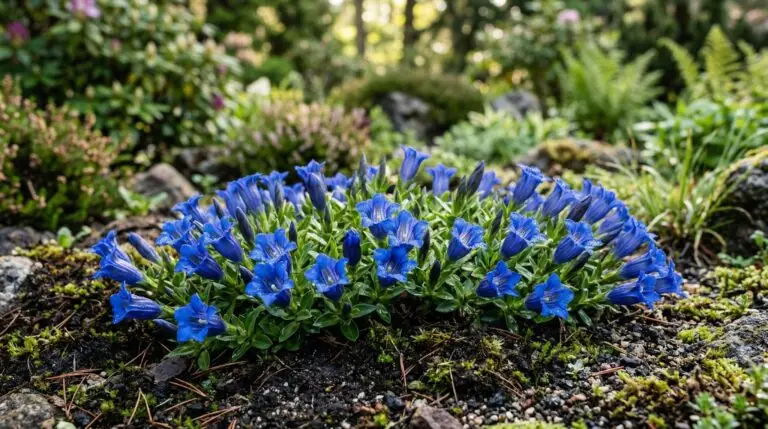
How to grow gentians for the most intensely blue flowers in the entire plant world
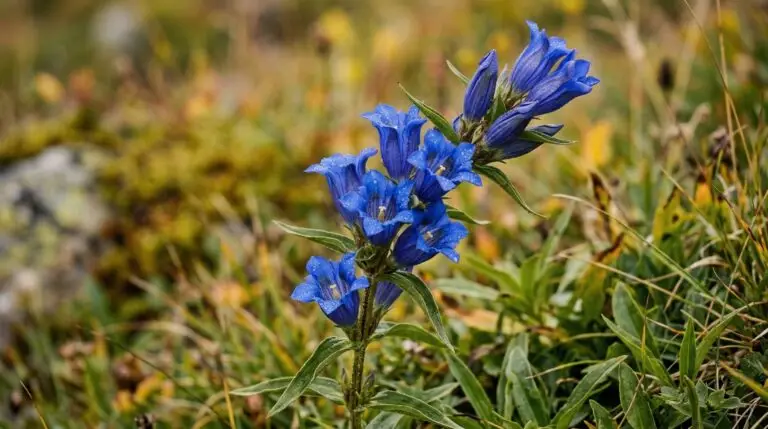
Gentian flower meaning and the alpine legend behind this intensely blue bloom

Growing gentians in rock gardens and alpine troughs where they truly shine
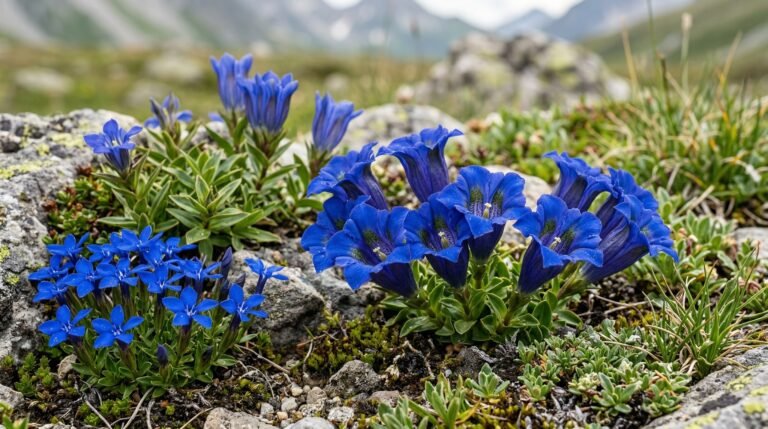
Best gentian species for gardens from alpine Gentiana acaulis to autumn-blooming types
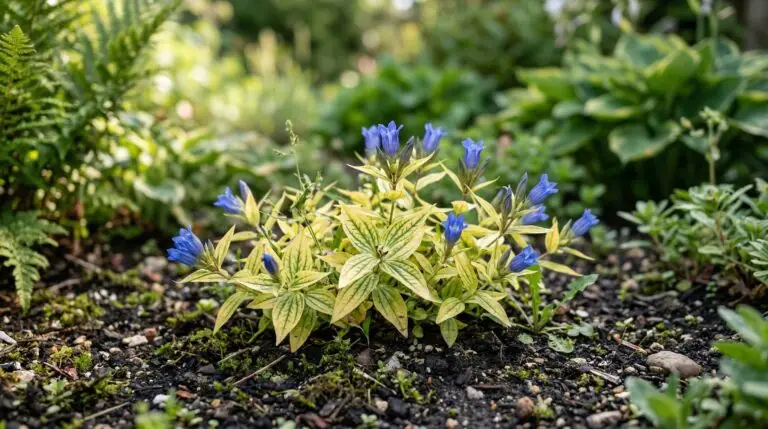
Why gentians are difficult to grow and the secrets to keeping them alive
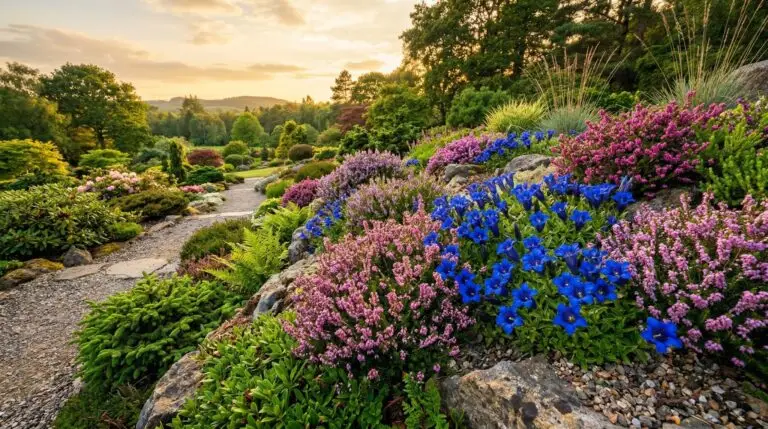
Companion plants for gentian: what to grow and what to avoid
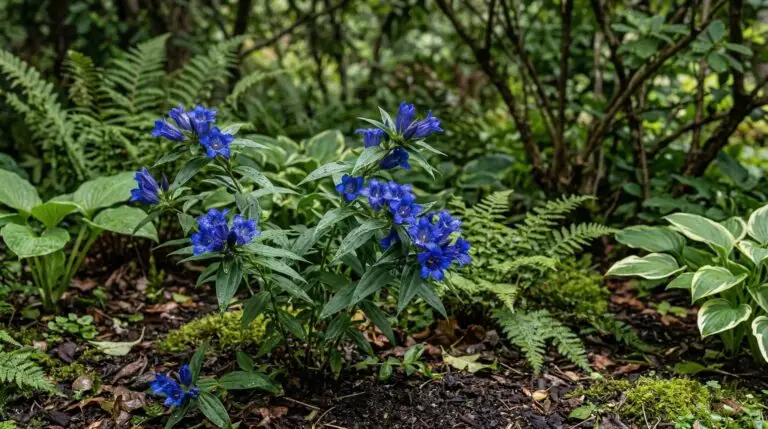
Willow gentian as the easiest gentian for beginners and shady woodland gardens
Gentian root in herbal medicine and the bitter that has healed for centuries