Many gardeners buy a potted gentian covered in intense blue flowers, plant it in their front bed, and watch it slowly decline over the next few weeks. You are likely reading this because you have experienced this exact frustration and are wondering why your plant is failing. Finding a gentian difficult to grow is an incredibly common experience because these alpine natives do not behave like typical garden center perennials. They evolved in highly specific mountain environments with sharp drainage, cool air, and acidic soil, which means throwing them into heavy suburban clay is a guaranteed death sentence. If you want to keep them alive, you have to stop treating them like everyday bedding plants and start replicating the mechanics of a mountainside.
The first step in troubleshooting gentian care problems is recognizing that these plants will not adapt to you. You have to adapt your garden to them. When people ask me why their gentian is dying, I always look at the soil first. Most residential soils are simply too heavy, too alkaline, or too warm to support a healthy root system for these specific mountain plants. We can fix these environmental mismatches, but it requires deliberate site preparation rather than just digging a hole and adding some fertilizer.
Understanding why your gentian is turning yellow or dying
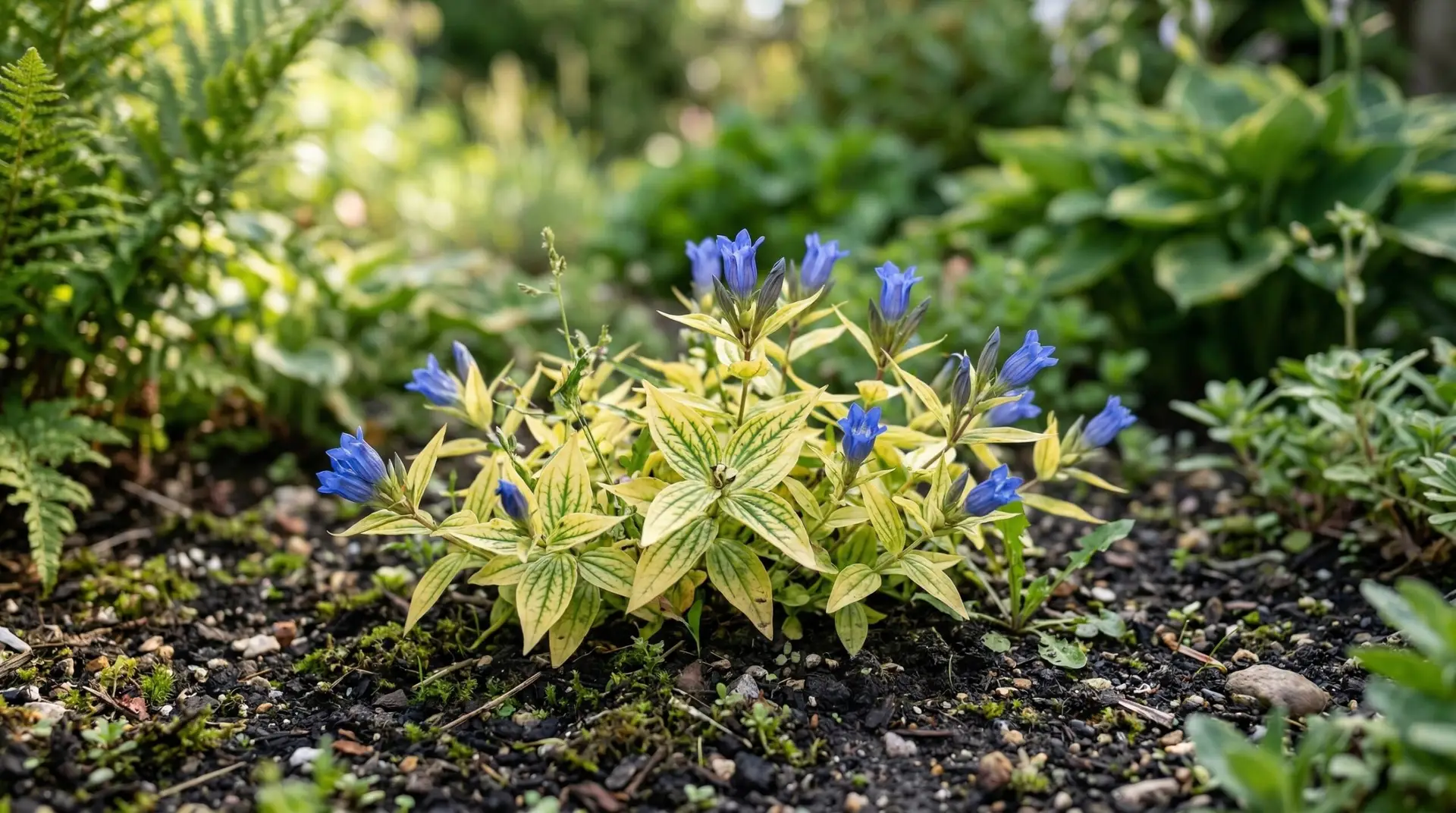
When a gentian starts turning yellow while the veins remain green, it usually means the plant is suffering from lime intolerance. Many of the most popular fall-blooming types, especially the Asian species, absolutely despise alkaline soil or any presence of lime. In alkaline conditions, the plant loses the ability to absorb iron and other nutrients, leading to a slow, yellowing decline that eventually kills it. If your soil tests above a neutral pH of 7.0, you will save yourself a lot of money and frustration by growing these specific plants in dedicated containers rather than fighting your native soil chemistry. You can use an ericaceous potting mix designed for acid-loving plants to provide the exact pH they need right from the start.
The second most common reason for a gentian dying is a misunderstanding of what “moist but well-drained” actually means. These plants require constant access to water during their active growth, but their roots will rot quickly if they sit in stagnant mud. When the crown of the plant turns mushy or the lower leaves turn black and collapse, it means the drainage is inadequate and the roots are suffocating. You have to build a soil structure that allows water to move rapidly past the roots, much like snowmelt running down a gravel slope. Mixing generous amounts of coarse grit, crushed pumice, or gravel into the planting hole is the only way to achieve this fast drainage while keeping the soil consistently damp. If you have shade gardens where you successfully grow a Hellebore in rich woodland soil, you might think that same spot will work for a gentian, but the gentian requires far more grit and aeration to survive the winter without rotting.
Managing summer heat stress and watering mistakes
Summer heat stress is another major hurdle for gardeners trying to keep alpine plants alive in typical lowland gardens. When temperatures stay high through the night, a gentian will often stop growing, look wilted even when the soil is wet, and sometimes collapse entirely. This happens because alpine plants rely on cool nighttime temperatures to recover from the hot sun. If you live in an area with hot, humid summers, you need to plant your gentian where it receives morning sun but is completely protected from the harsh afternoon rays. You can also help keep the root zone cool by applying a thick layer of gravel mulch around the base of the plant, which reflects heat and prevents the soil surface from baking. Much like a Delphinium elatum, a gentian will simply melt away if forced to endure a combination of high heat and poor air circulation.
Watering these plants correctly takes some observation because the symptoms of overwatering and underwatering look frustratingly similar. When a gentian is underwatered, the leaves lose their turgor pressure, feel papery, and droop toward the ground. The fix is immediate, deep watering, but you must avoid splashing water directly into the center of the crown, which encourages fungal diseases. Conversely, if the plant is drooping but the soil feels wet to the touch, you are dealing with root rot from overwatering, and adding more water will only accelerate the plant’s death. The best practice is to check the soil moisture an inch below the surface with your finger before picking up the watering can.
Choosing the right gentian for your specific yard
The most effective way to avoid gentian care problems is to stop buying random blue flowers off the clearance rack and start matching the specific species to your actual garden conditions. Spring-blooming alpine types like the trumpet gentian need a sharp winter chill to set flower buds and demand extremely gritty soil. Fall-blooming Asian types require strictly acidic, peaty soil that never dries out, making them terrible choices for dry, alkaline gardens. If you have average garden soil and want the easiest possible introduction to this group, the willow gentian is your best option. It tolerates heavier soils, accepts a wider range of pH levels, and actually prefers dappled shade, making it far more forgiving than its high-altitude cousins.
The single most useful piece of advice I can give anyone starting out with these plants is to build a dedicated planting pocket before you even buy the plant. Dig out your native soil to a depth of at least a foot, and replace it entirely with a custom mix of fifty percent coarse grit and fifty percent leaf mold or compost. This proactive step solves the drainage and aeration problems immediately, giving your plant a fighting chance to establish its root system. Gardening with difficult mountain plants is a matter of respecting their origins, and if you provide the cool roots and rapid drainage they expect, you will finally see those famous blue flowers return year after year.
More About Gentian
How to grow gentians for the most intensely blue flowers in the entire plant world
Gentian flower meaning and the alpine legend behind this intensely blue bloom
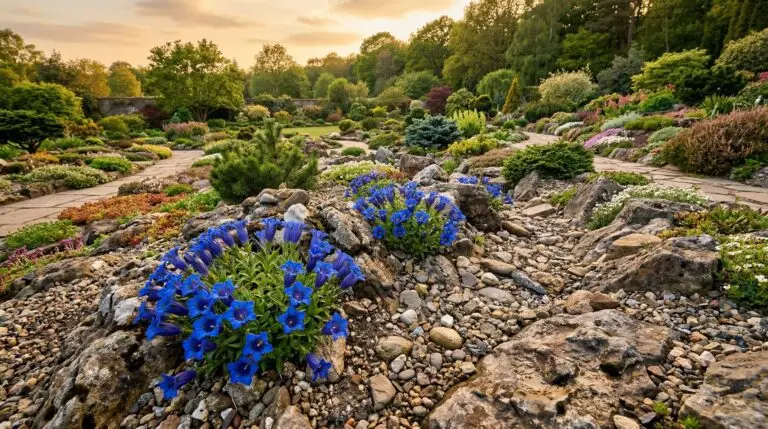
Growing gentians in rock gardens and alpine troughs where they truly shine
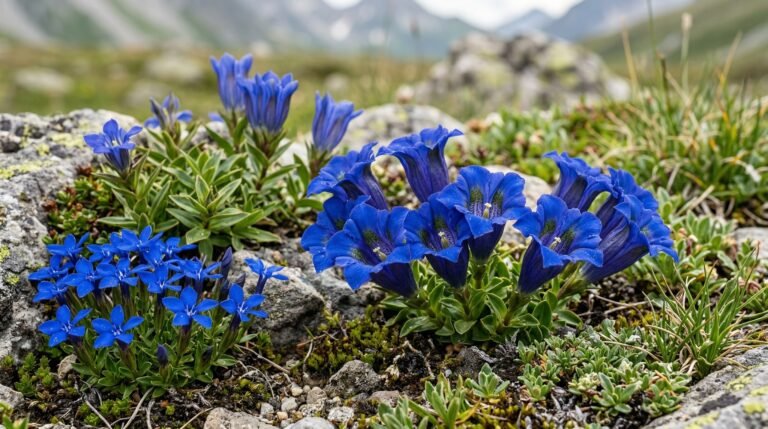
Best gentian species for gardens from alpine Gentiana acaulis to autumn-blooming types
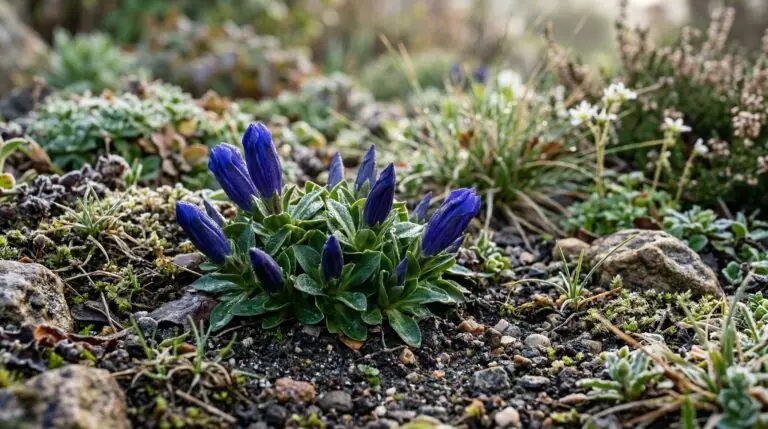
Growing gentians from seed and the cold stratification they demand for germination
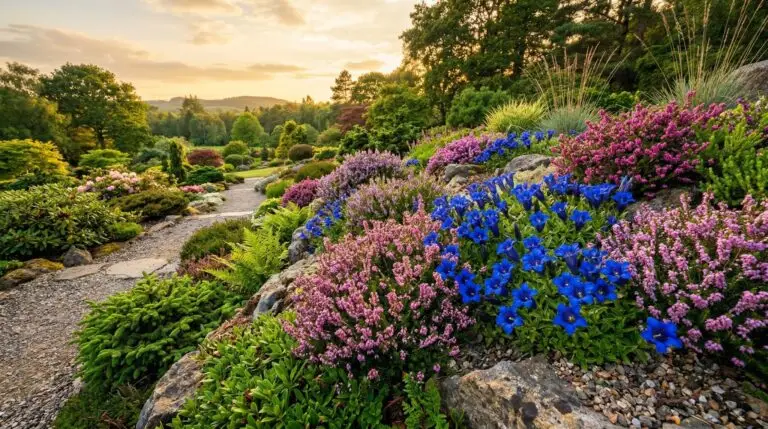
Companion plants for gentian: what to grow and what to avoid
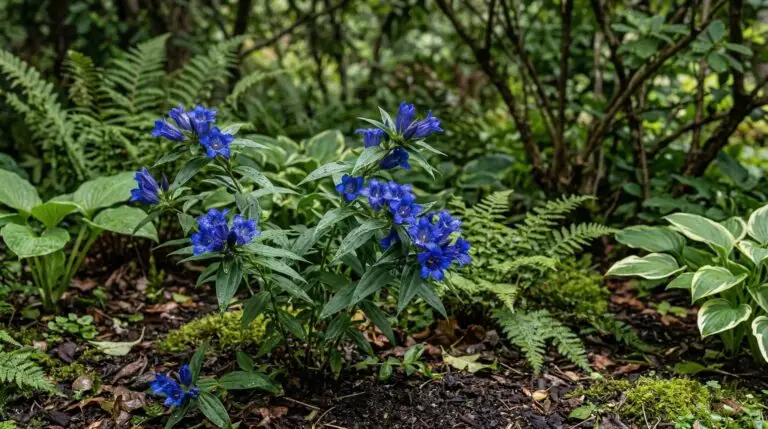
Willow gentian as the easiest gentian for beginners and shady woodland gardens
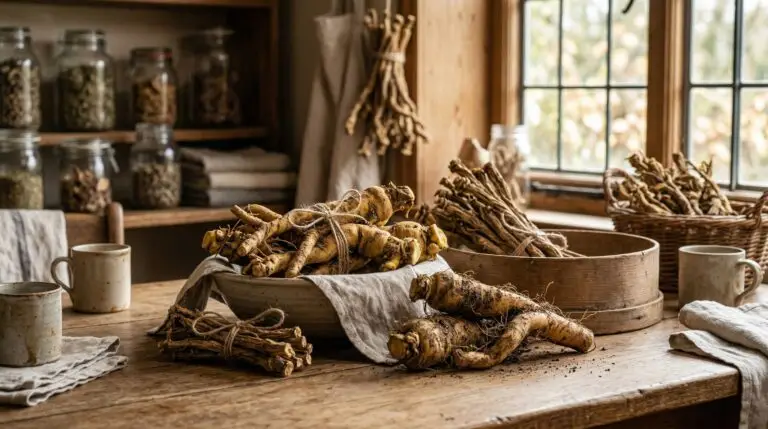
Gentian root in herbal medicine and the bitter that has healed for centuries