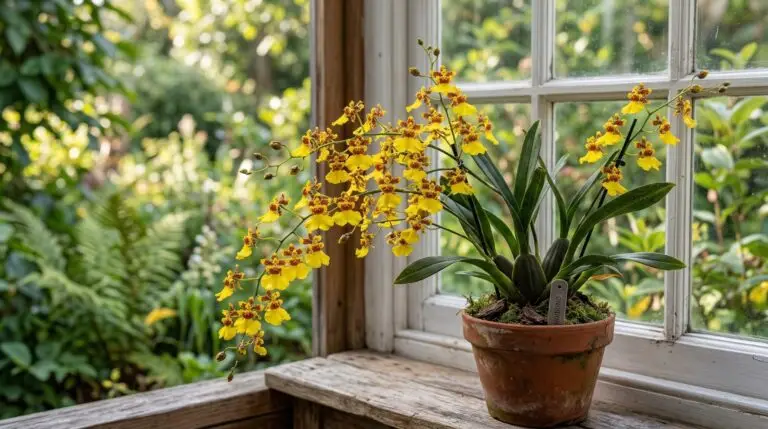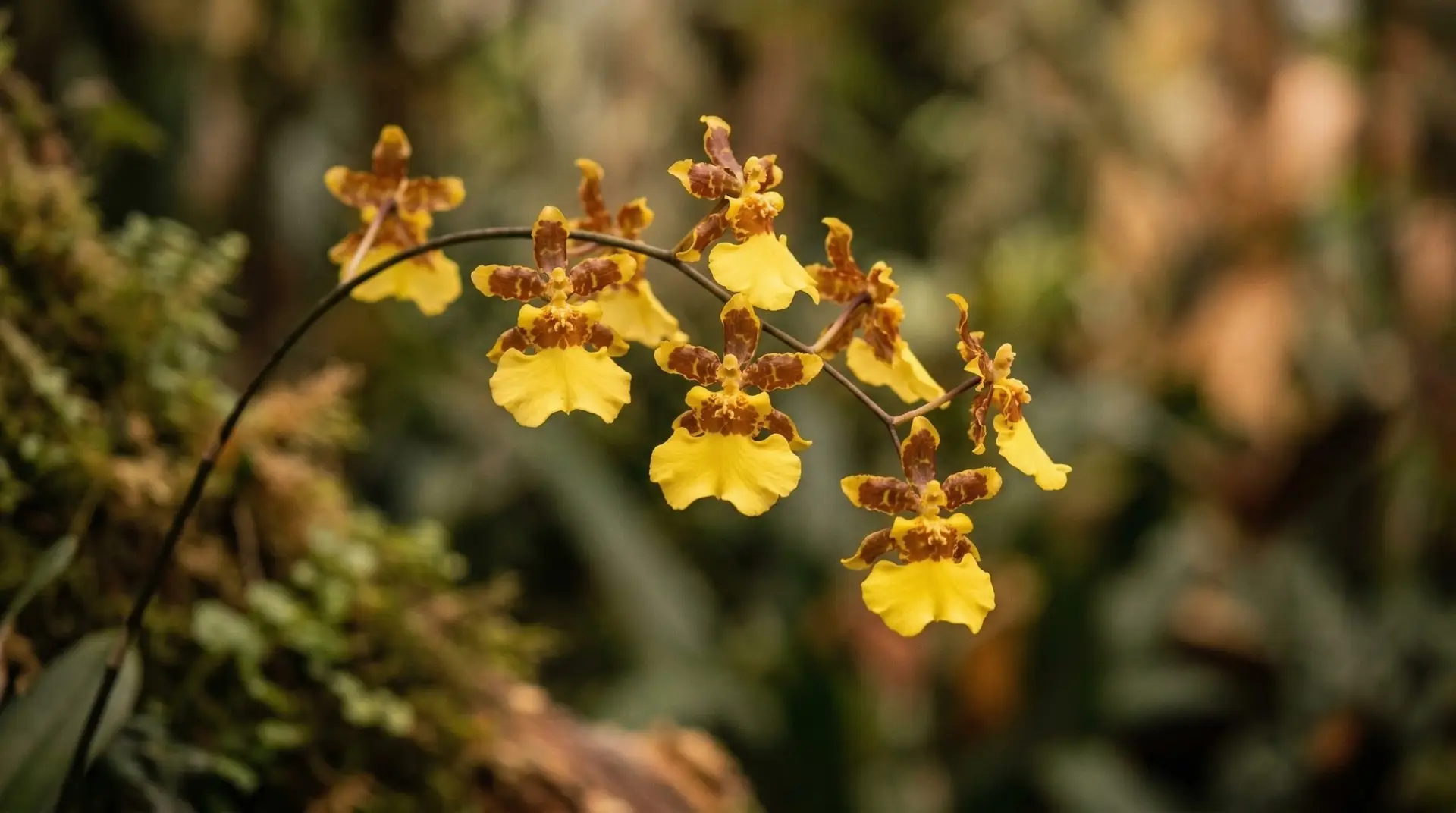
In the year 1800, the Swedish botanist Olof Swartz officially established the genus Oncidium after examining specimens brought back from the Caribbean and South America. Swartz noticed a distinct swelling on the lower lip of the flower, prompting him to name the genus after the Greek word “onkos,” meaning a pad or mass. However, the common observers who encountered these plants saw something entirely different in the complex floral anatomy. They saw tiny women in voluminous skirts, suspended on thin, wiry stems that bounced and fluttered with the slightest breeze. This striking visual resemblance gave birth to the name “dancing lady orchid” and forever linked the plant to human celebration. The sheer number of blooms on a single spray, sometimes reaching into the hundreds, created an immediate impression of a crowded ballroom. From its earliest documentation in Western botanical texts, the Oncidium orchid meaning has been tied to joy, movement, and a kinetic energy rarely found in the plant kingdom.
The neotropical roots of a cheerful epiphyte
The native range of the Oncidium stretches geographically across the coastal regions of Florida and the Caribbean down through the dense forests of Central and South America into Argentina. In these neotropical environments, the plants grow as epiphytes, clinging to the rough bark of trees high above the forest floor. Indigenous groups in the Andes and the Amazon basin long recognized epiphytic plants as entities possessing a unique life force, given their ability to survive on nothing but humid air and captured rain. The bright yellow and brown flowers of the wild Oncidium species emerged during the rainy season, signaling a time of renewal and biological abundance. Local populations often associated the sudden appearance of these bright, cloud-like floral sprays with good fortune and the positive energy of the changing seasons. The flowers brought a brilliant contrast to the deep green canopy, acting as natural markers of ecological health. Modern botanists still look to the presence of these wild dancing ladies as indicators of a thriving, undisturbed tropical forest ecosystem.
When European plant hunters began shipping Oncidium specimens back to England and France in the nineteenth century, the flowers caused an immediate sensation among the wealthy elite. The Victorian era was characterized by an intense obsession with rare flora, a period often referred to as orchidelirium. While collectors prized the heavy, waxy blossoms of the moth orchid for their formal elegance, the Oncidium offered a completely different aesthetic experience. The dancing lady became a symbol of Victorian parlor entertainment, bringing a sense of lightness and festivity to the often dark, heavy interiors of nineteenth-century glasshouses. British horticulturists spent decades learning how to replicate the humid, breezy conditions of the South American canopy to coax the plants into bloom. The English developed early breeding techniques in the late 1800s to create hardier plants, and modern hybridizers still use variations of the exact same approach to produce the vigorous Oncidiums sold today. The resulting hybrids maintained the wild, untamed joy of the original species while adapting to life in domestic cultivation.
Symbolism of movement, prosperity, and dance
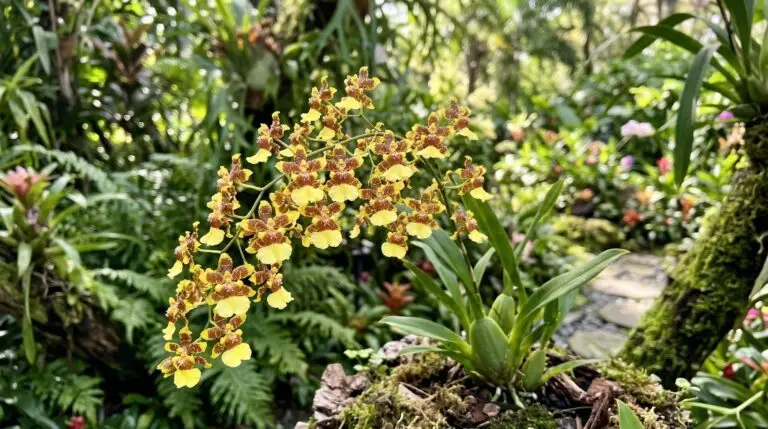
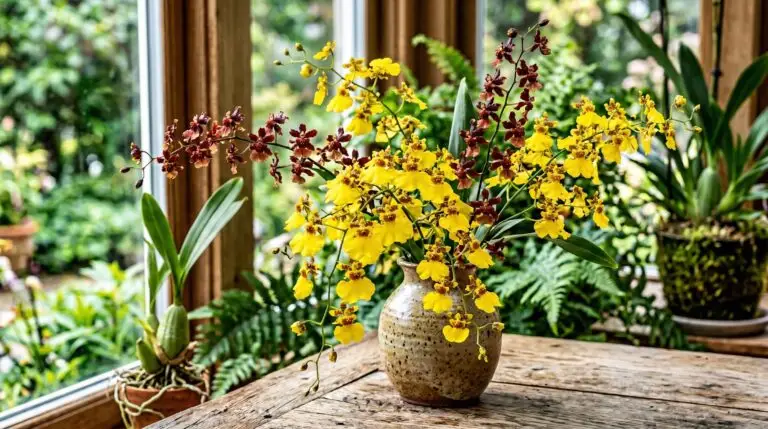
The dancing lady orchid meaning is rooted in the physical behavior of the plant as much as its appearance. Because the flowers are attached to highly branched, delicate inflorescences, they respond to air currents with a continuous, rhythmic nodding. In Latin American folklore, this movement was frequently compared to the swirling skirts of traditional folk dancers performing at village festivals. The flower became a natural emblem of celebration, community gathering, and uninhibited joy. Giving an Oncidium to a friend or family member was a way to impart positive energy and encourage a cheerful disposition during difficult times. The complex structure of the flower, with its small upper petals resembling arms and a head, and the large, ruffled lower lip forming the skirt, created a botanical mirror of human expression. This specific cultural connection to dance makes the Oncidium unique among ornamental plants, as it is celebrated for its kinetic behavior rather than just its static beauty.
As the global flower trade expanded in the twentieth century, the Oncidium found a highly receptive new audience in East Asia, where it acquired additional layers of cultural meaning. In Taiwan and Japan, Oncidium symbolism merged naturally with local traditions regarding wealth and good fortune. Yellow is historically associated with gold, imperial power, and prosperity in many Asian cultures. The sheer abundance of golden flowers on a single Oncidium spike translated perfectly into a wish for abundant wealth and continuous success. Businesses frequently display these orchids in their entryways to attract positive energy and financial luck, much like the bird of paradise is sometimes used to signal tropical extravagance and bold new ventures. During the Lunar New Year, the dancing lady is a highly sought-after gift, signifying a cheerful and prosperous start to the coming months. The plant successfully bridged its South American origins with East Asian cultural values, proving the universal appeal of its joyful form.
Cultivating positive energy in the modern era
The evolution of the Oncidium out of rare botanical collections into an accessible symbol of happiness was largely driven by mid-century horticultural advancements. In the 1950s and 1960s, breeders in Hawaii and Southeast Asia focused heavily on creating Oncidium hybrids that could thrive outside of specialized conservatories. The introduction of the famous ‘Gower Ramsey’ hybrid revolutionized the orchid industry by providing a robust plant that produced massive, branching sprays of pure yellow flowers. This specific breeding breakthrough allowed the dancing lady to enter the global cut flower market on a massive scale. Florists began incorporating the delicate yellow sprays into wedding arrangements and celebratory bouquets to add volume and a sense of joyful movement. The flower was no longer restricted to the greenhouses of wealthy collectors. It became a democratic symbol of celebration, available to anyone who wanted to bring a piece of living sunshine into their home.
Today, the Oncidium retains its deep historical connections to festivity and positive energy while sitting comfortably on modern windowsills. The same ruffled petals that captivated Swedish botanists in the Caribbean and inspired folk tales in the Andes continue to charm contemporary growers. Caring for an Oncidium requires an understanding of its epiphytic past, demanding the same airy roots and dappled light that the wild species experience in the tropical canopy. When a modern gardener successfully coaxes a dancing lady into bloom, they are participating in a horticultural tradition that spans hundreds of years and multiple continents. The sudden explosion of yellow, brown, or pink flowers on a wiry stem immediately changes the atmosphere of a room. The Oncidium remains a powerful botanical reminder that nature possesses a sense of playfulness, offering a timeless expression of joy that transcends cultural boundaries.
More About Oncidium Orchid
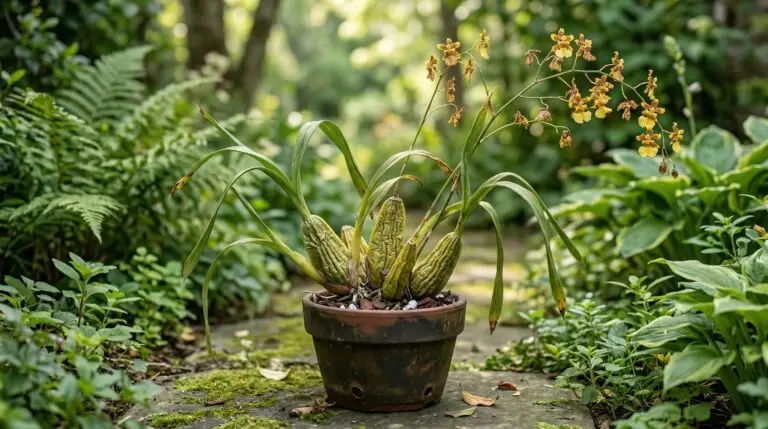
Why oncidium orchid leaves are wrinkled and the watering balance these orchids need
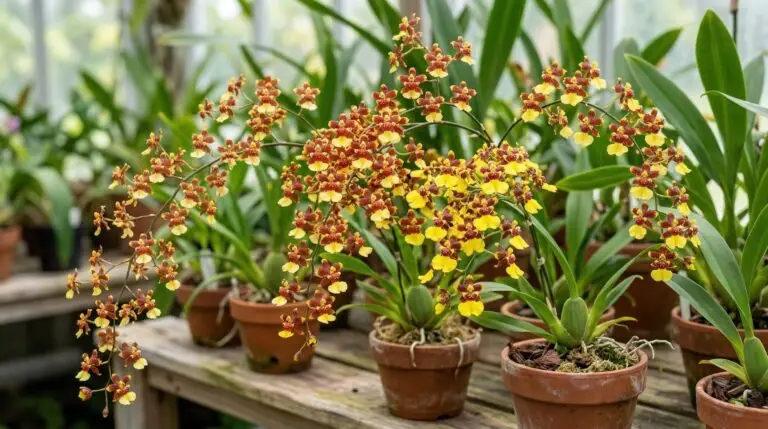
Best oncidium orchid varieties from yellow Twinkle to dramatic Wildcat
Repotting oncidium orchids when pseudobulbs crawl over the pot edge
How to trigger oncidium orchids to bloom with the right temperature and light changes
Oncidium Sharry Baby the chocolate-scented orchid that fills rooms with cocoa fragrance
Oncidium orchids as long-lasting cut flowers for exotic spray arrangements
Tolumnia orchids the miniature oncidium relatives perfect for small spaces