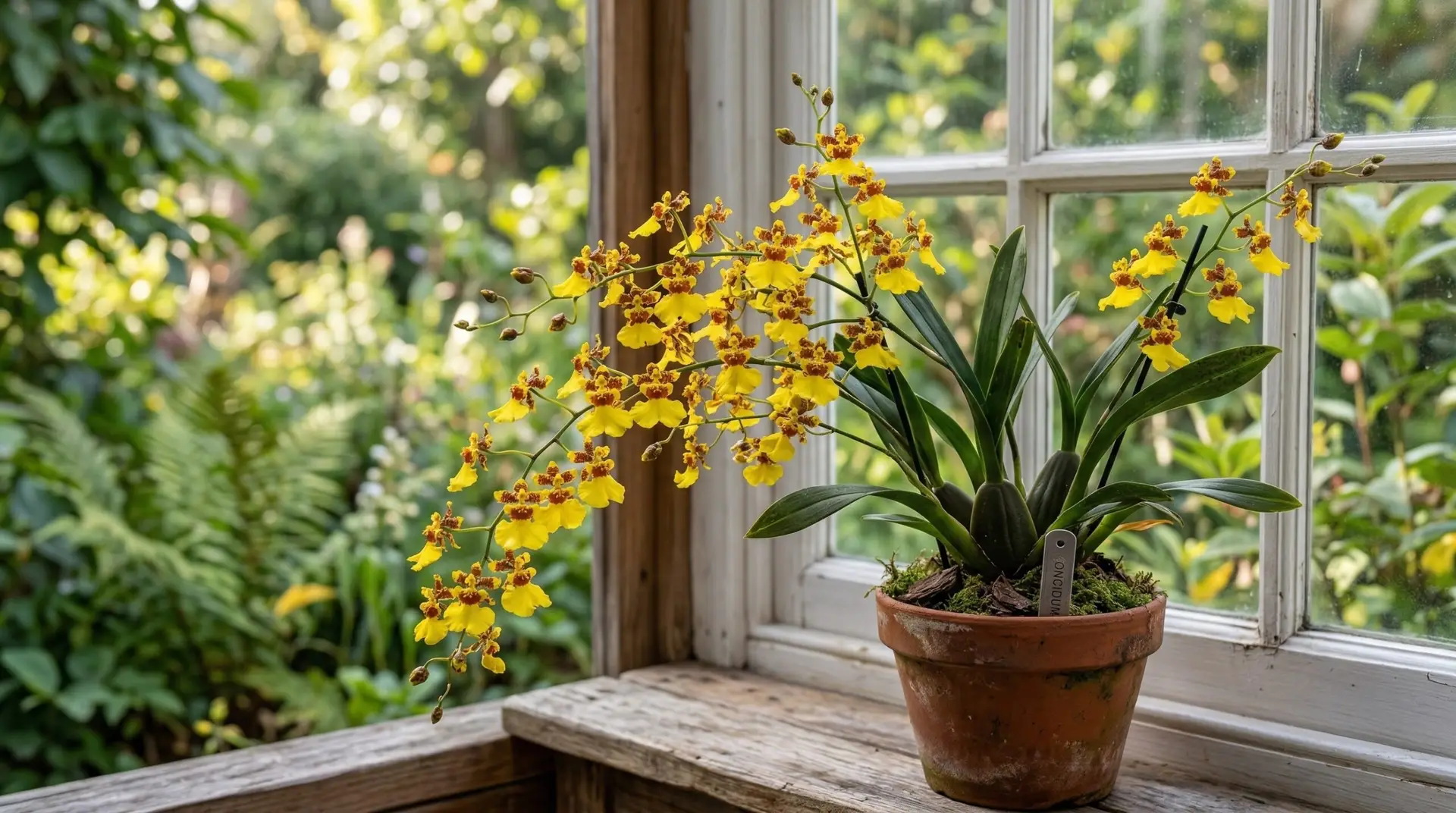
There is a familiar cycle that happens when an oncidium orchid comes home from the garden center. The plant looks entirely perfect sitting on the dining room table for about three weeks while the dozens of tiny yellow flowers put on a show. Then the flowers drop, the flower spike turns brown, and the reality of keeping the plant alive sets in. Getting these plants to bloom a second time requires figuring out exactly what they need to thrive inside a house. The secret to successful oncidium indoor growing almost always comes down to finding the exact right spot near a window. These plants are hungry for sunlight, and they will stubbornly refuse to produce another flower spike until they get enough of it.
Many people treat all orchids exactly the same, placing them in the dim center of a room and hoping for the best. That approach might keep a moth orchid alive for a few years, but an oncidium demands much more energy from the sun to build its large pseudobulbs and complex flower sprays. When placed in a dark corner, the plant will slowly decline over a year or two, producing smaller and smaller leaves until it finally gives up. Moving the pot right up to the glass is the most reliable way to turn a struggling plant around. The difference in light intensity between sitting on the windowsill and sitting just two feet away on a side table is massive. Giving the plant that prime real estate directly on the ledge is the first step toward seeing blooms again.
Contents 4 sections
Picking the best window for consistent light
The direction the window faces dictates how well the plant will perform throughout the year. An east-facing window is universally reliable for meeting oncidium light requirements because the plant receives several hours of direct, cool morning sun before the heat of the day builds up. West-facing windows also provide excellent light, though they can get dangerously hot during the late afternoon in the middle of summer. Gardeners in the South may find that a west window actually burns the thin leaves of an oncidium in July and August. In northern zones, that same west window provides the perfect amount of warmth and light to keep the plant actively growing. South-facing windows offer the brightest light of all, but the plant will usually need a sheer curtain drawn across the glass to filter the intense midday rays.
The transition to a brighter window needs to happen slowly to protect the plant from shock. Taking a plant that has been sitting in a dark room and immediately putting it in a sunny west window will result in bleached, scorched leaves within forty-eight hours. The safer approach is to place the pot near the edge of the window for a week, then move it onto the sill itself. The leaves might feel slightly warm to the touch when the sun is hitting them, and that is perfectly fine. If the leaves feel hot, the light is too intense and the plant needs to be pulled back a few inches. Finding that sweet spot on the oncidium windowsill takes a little observation during the first few weeks, but the plant will quickly settle in once the location is right.
Using leaf color as a guide
The plant will tell you exactly how it feels about the light it receives if you know what to look for. The color of the leaves is the most accurate indicator of whether the oncidium light requirements are being met. Most people assume a healthy plant should have deep, dark forest green leaves, but that is actually a sign of starvation in these orchids. When an oncidium is getting enough light to bloom, the leaves will turn a distinct, bright yellow-green color. Think of the color of a Granny Smith apple, and that is exactly the shade you want to see. If the leaves start turning completely yellow or developing red freckles, the light is slightly too strong and the plant needs a tiny bit of shade.
Paying attention to the pseudobulbs at the base of the leaves provides another clue about the growing conditions. These swollen, oval structures store water and energy for the plant, and they need plenty of sunlight to plump up properly. In deep shade, the new pseudobulbs will grow long, thin, and weak, never reaching the size of the older ones. When the plant sits in a bright window, the new bulbs will grow round, thick, and firm. It is completely normal for the oldest bulbs in the back of the pot to shrivel and turn brown over time. As long as the newest growth in the front of the pot is fat and bright green, the plant is getting exactly what it needs from the sun.
Adding artificial light in dark spaces
Sometimes a house simply does not have a good east or west window available, or large trees block all the natural sunlight. In these situations, setting up a grow light is the only way to get the plant to flower. There is no need to invest in expensive, commercial-grade greenhouse lighting to keep one or two orchids happy. A standard clamp lamp from a hardware store fitted with a full-spectrum LED bulb works incredibly well and costs very little. The light needs to be positioned close to the plant, usually about eight to twelve inches above the top of the leaves. If the light is placed on the ceiling or high up on a wall, the intensity drops so much that the plant barely registers it is there.
The timing of the artificial light matters just as much as the brightness of the bulb. These plants need a clear difference between day and night to trigger their blooming cycle. Leaving a grow light on for twenty-four hours a day will exhaust the plant and prevent it from ever setting flower spikes. Plugging the light into a cheap mechanical timer set for twelve to fourteen hours of light a day takes the guesswork out of the routine. The plants will respond to this consistent schedule by putting out strong new roots and eventually sending up a flower spike from the base of the newest pseudobulb. Consistency is the real secret here, as erratic lighting schedules confuse the plant and stall its growth.
Managing water around the window
Light and water are directly connected, and changing one always means changing the other. A plant sitting in a bright, warm window will dry out much faster than a plant sitting in a cool, dark room. The fine roots of an oncidium do not like to stay soaking wet, but they also resent drying out completely until they crack. Watering the plant thoroughly in the sink once a week is usually the right rhythm for a pot sitting on a sunny windowsill. The bark mixture should feel just barely damp before the next watering happens. If the pseudobulbs start to develop deep wrinkles, the plant is losing water faster than it can take it up, which often happens when the window is particularly hot.
The air immediately around a window can get quite dry, especially in the winter when the household heating is running. Oncidiums have very thin leaves that lose moisture quickly to dry air, leading to pleated or accordion-shaped new growth. Setting the pot on a tray filled with pebbles and a shallow layer of water helps add a little moisture back into the air directly around the leaves. Grouping the orchid with other humidity-loving houseplants like an anthurium or a fern creates a small microclimate that benefits all the plants. The water in the pebble tray should never touch the bottom of the orchid pot, as the roots will quickly rot if they sit in standing water.
Growing these orchids at home is entirely possible once the lighting is sorted out. The process requires a bit of patience, as an oncidium only blooms once a year, usually in the late summer or fall. You will spend months looking at nothing but green leaves and fat pseudobulbs before a tiny green spike finally emerges from the base of the plant. That long wait makes the eventual explosion of yellow, brown, or pink flowers incredibly satisfying. Stick to a bright window, watch the color of the leaves, and give the plant the time it needs to build up its energy.
More About Oncidium Orchid
How to grow oncidium orchids for cascading sprays of tiny dancing flowers
Why oncidium orchid leaves are wrinkled and the watering balance these orchids need
Best oncidium orchid varieties from yellow Twinkle to dramatic Wildcat
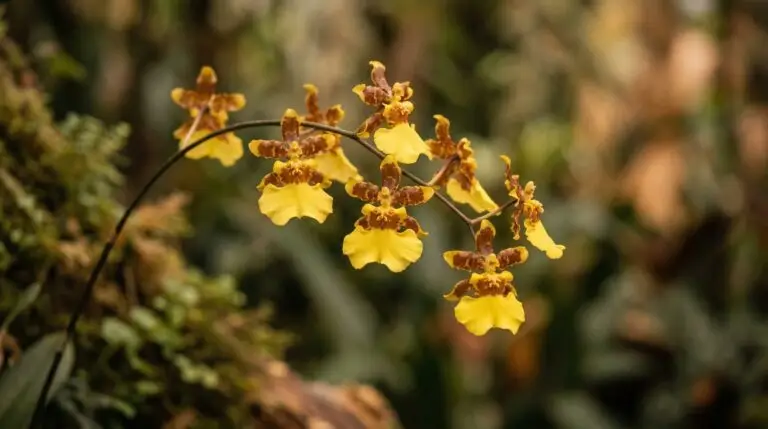
Oncidium orchid meaning and why the dancing lady brings joy and positive energy

Repotting oncidium orchids when pseudobulbs crawl over the pot edge

How to trigger oncidium orchids to bloom with the right temperature and light changes
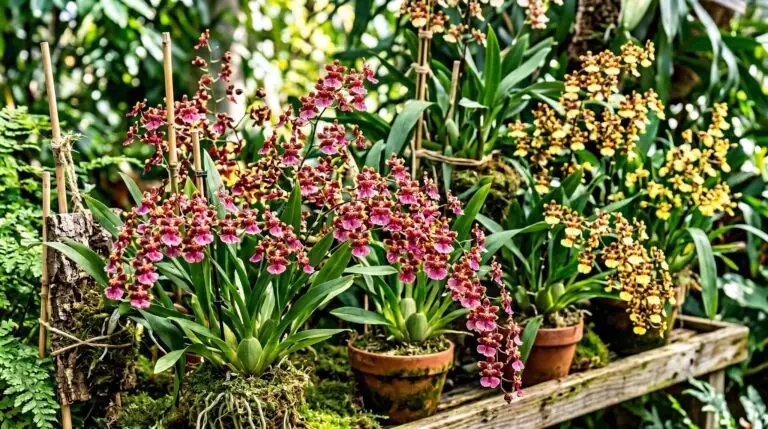
Oncidium Sharry Baby the chocolate-scented orchid that fills rooms with cocoa fragrance
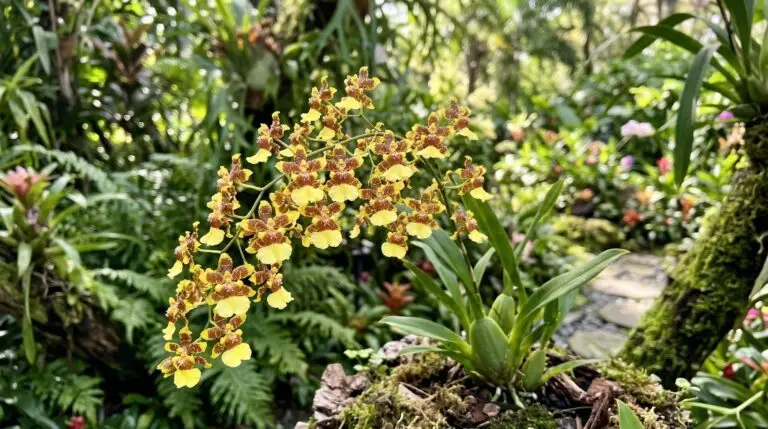
Oncidium orchids as long-lasting cut flowers for exotic spray arrangements
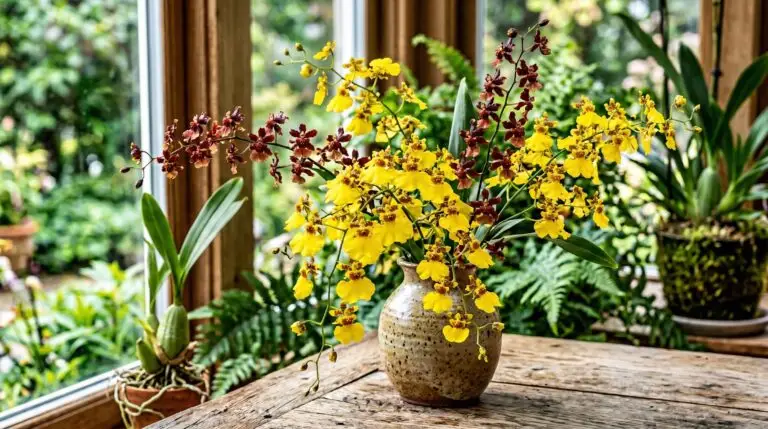
Tolumnia orchids the miniature oncidium relatives perfect for small spaces
Enjoying our flower guides? Add YourFlowersGuide as a preferred source on Google. It helps more readers find us.
Add to Preferred Sources