People usually bring me their oncidium orchids when the new leaves start looking like a folded paper fan. They buy a healthy plant with smooth foliage, bring it home, and a few months later, the fresh growth emerges with tight, zigzag crinkles that refuse to flatten out. This accordion pleating is one of the most common frustrations for indoor orchid growers, often surprising people who have only ever grown a standard moth orchid before. While it is easy to assume the plant simply needs a bigger drink of water, the reality of oncidium watering is a bit more complicated than that. Fixing this issue requires understanding how these specific orchids store water and what happens when their supply gets interrupted. Once you know how to read the physical signs your plant is giving you, you can adjust your care routine and get back to growing smooth, healthy foliage.
Reading the signs of dehydration in pseudobulbs and leaves
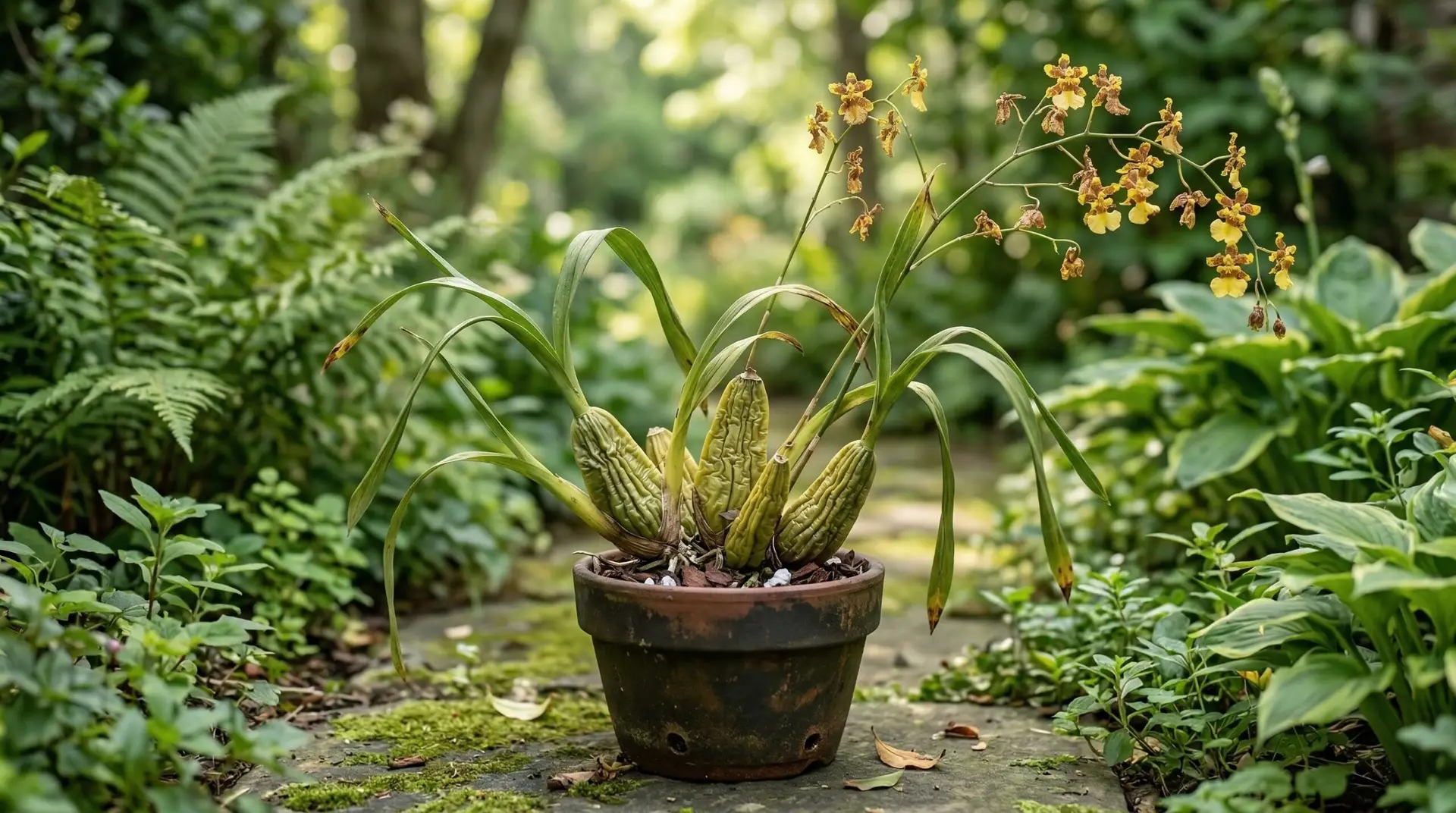
The swollen, egg-like structures at the base of your oncidium orchid are called pseudobulbs, and they are the water reservoirs for the plant. When an oncidium is perfectly hydrated, these pseudobulbs feel firm to the touch and look smooth and plump. As the plant uses up its stored water reserves, you will notice shallow, vertical wrinkles beginning to form along the sides of the oldest bulbs. A few minor lines on the oldest pseudobulbs are completely normal, but deep shriveling across all the bulbs means the plant is severely dehydrated. This lack of water directly causes the accordion pleating you see on the new leaves. When the developing leaf tissue does not receive enough moisture, the cells stick together inside the protective sheath instead of sliding smoothly upward as they grow. By the time the leaf finally pushes its way out, those stuck sections have hardened into permanent zigzag folds that will never straighten out, even if you correct the watering immediately.
Distinguishing between overwatering and underwatering
The most confusing part of treating oncidium wrinkled leaves is that severe dehydration can be caused by both underwatering and overwatering. When you underwater the plant, the potting medium dries out completely, the fine roots turn brittle, and the plant simply has no moisture to draw up into its pseudobulbs. When you overwater, the potting medium stays constantly soggy, which suffocates the roots and causes them to rot away into brown mush. Without a healthy root system, the plant cannot absorb water from the wet potting mix, leading to the exact same physical symptoms of dehydration in the leaves and bulbs. To figure out which mistake you are making, you have to look below the surface of the potting mix and examine the root system. You can gently pull the plant out of its pot to inspect the roots, looking for firm, white strands that indicate health. If the roots are papery and hollow, you need to water more frequently, but if they are slimy and smell like a damp basement, you have rotted the roots through overwatering.
Finding the right watering rhythm for your environment
Establishing a proper watering routine for an oncidium requires a different approach than you might use for other common houseplants. These orchids have very fine, wiry roots that dry out much faster than the thick, fleshy roots you would find on a moth orchid. Because of these thin roots, oncidiums prefer to approach dryness without ever becoming completely bone dry. You should water the plant thoroughly until water runs freely out of the drainage holes, ensuring the entire root ball is saturated. Then, wait to water again until the potting medium feels almost dry about two inches down into the pot. You will need to adjust this frequency as the seasons change, providing more frequent waterings during the hot summer months when the plant is actively growing new leaves and roots. During the cooler winter months, the plant uses less water, so you must extend the time between waterings to prevent the potting mix from staying dangerously wet.
Choosing the right potting medium to prevent future problems
Watering correctly is nearly impossible if your oncidium is sitting in the wrong type of potting material, especially if you treat it exactly like a moth orchid. Many commercial growers sell these plants packed tightly in dense sphagnum moss, which holds water like a sponge for weeks at a time. While this heavy moss works well in a hot, highly ventilated greenhouse, it almost always leads to overwatering and root rot in a standard home environment. If you find your potting mix takes more than a week to dry out, you should repot the orchid into a finer grade bark mix blended with a small amount of perlite and chopped moss. This type of airy mixture holds just enough moisture to keep those fine roots happy while allowing oxygen to circulate freely through the pot. The right potting mix provides a safety net, giving you a wider margin of error so that an accidental heavy watering does not immediately destroy the root system. People who switch from dense moss to a breathable bark mix usually find that their oncidium watering problems disappear entirely.
The single most useful piece of advice I can give anyone dealing with a wrinkled oncidium is to stop looking at the damaged leaves and focus entirely on the new root growth. You cannot fix the accordion pleating on the existing foliage, and obsessing over those crinkled leaves will often tempt you to water the plant more than it actually needs. Instead, watch the base of the newest pseudobulb for fresh, green root tips emerging from the plant tissue. Once you see those new roots growing down into the potting mix, you know your watering balance is finally correct and the plant is recovering. As long as you maintain that consistent, even moisture without suffocating the roots, the next generation of leaves will emerge smooth, straight, and perfectly healthy.
More About Oncidium Orchid
Best oncidium orchid varieties from yellow Twinkle to dramatic Wildcat
Oncidium orchid meaning and why the dancing lady brings joy and positive energy

Repotting oncidium orchids when pseudobulbs crawl over the pot edge

How to trigger oncidium orchids to bloom with the right temperature and light changes
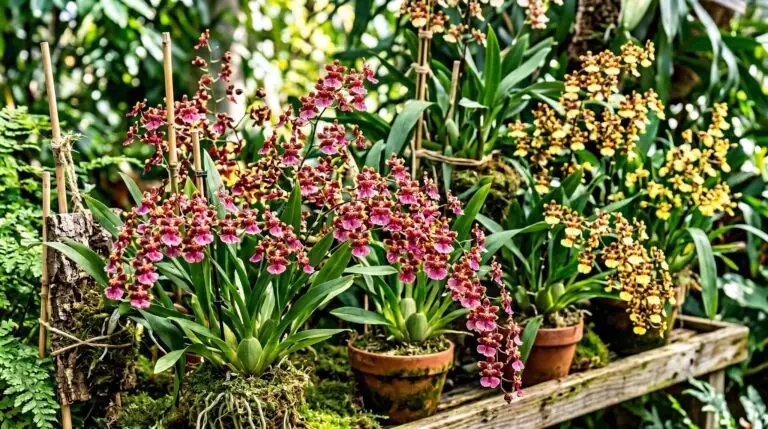
Oncidium Sharry Baby the chocolate-scented orchid that fills rooms with cocoa fragrance
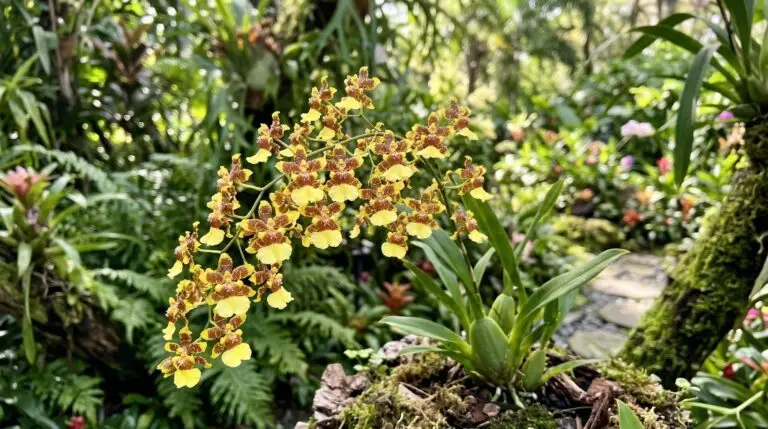
Oncidium orchids as long-lasting cut flowers for exotic spray arrangements
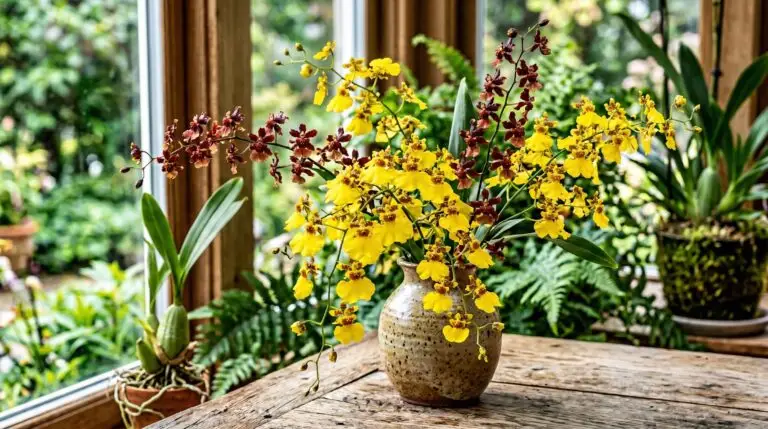
Tolumnia orchids the miniature oncidium relatives perfect for small spaces