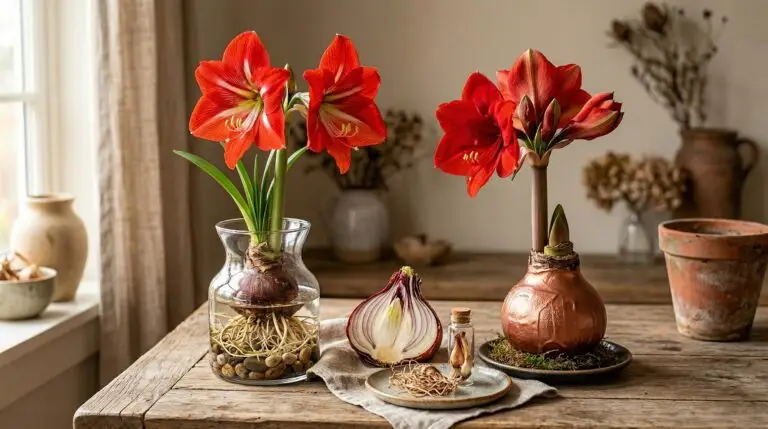
The winter light slanting through a frosted windowpane catches the thick, apple-green stalk of an amaryllis pushing upward from its dry, papery bulb. The bulb itself feels heavy in your hand, like a dense onion wrapped in layers of brittle, chestnut-colored skin that flakes away beneath your thumb. You can almost smell the faint, dusty earth still clinging to the dried root plate. As the bud swells at the top of the stalk, it splits to reveal petals the color of crushed cherries or the soft blush pink of a winter sunrise. This is the magic of winter indoor gardening, watching a dormant knot of life unfold into massive, velvety blossoms while the world outside is frozen solid. Finding the right amaryllis decor means looking past the standard plastic nursery pots and finding ways to let the whole plant become part of the room. The thick stems, the strappy leaves, and the heavy bulb all offer their own distinct textures to play with.
Moving beyond the simple terracotta pot opens up a world of amaryllis display ideas that treat the plant as a living sculpture. You want to place these bulbs where the low afternoon sun can illuminate their translucent petals from behind, turning them into glowing lanterns of coral, crimson, or pure snow white. The sheer scale of the flowers demands attention, often reaching the size of dinner plates, with a faint, sweet fragrance that hovers just above the anthers on warm afternoons. When you lift a dormant bulb, you feel its dense promise, a tight package of stored energy waiting for the trigger of moisture and light. By changing the vessel, the surrounding materials, and the placement in your home, you change the entire mood of the display. A single bulb can look austere and modern in clear glass or rich and classical when surrounded by dark green moss and aged metal.
Glass vessels and the beauty of bare roots
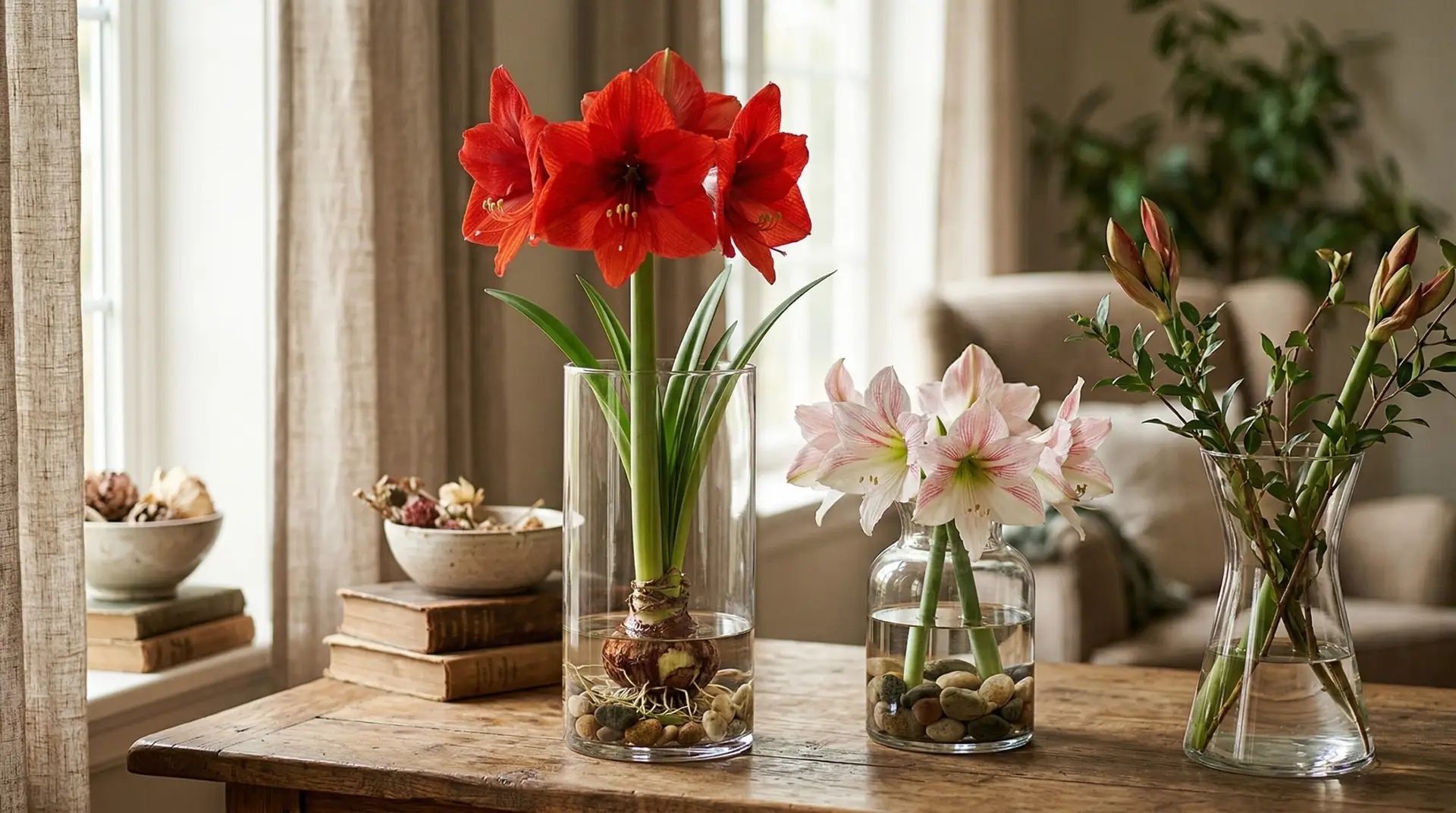
There is something deeply satisfying about watching the hidden mechanics of a plant at work, which is why forcing bulbs over water in clear glass vessels creates such a compelling visual. You start with a tall, heavy-bottomed glass cylinder or a classic forcing vase with a pinched neck, filling the base with smooth, gray river stones that clack against the sides. When you set the bulb on top of the stones, you must keep the water level just barely touching the dried root plate, never letting the bulb itself sit in moisture, or it will turn soft and rot. Within days, you will see thick, fleshy white roots reaching down through the water, navigating the spaces between the stones like blind white fingers. The water magnifies the roots and the stones, catching the room ambient light and adding a liquid shimmer to your winter table. This method strips away the soil, leaving only the clean lines of glass, stone, water, and the rising green architecture of the stalk. It feels as elegant and refined as a blooming moth orchid arching over a quiet reading corner.
As the stalk grows taller in the glass, the visual weight shifts upward, creating a delicate balance that requires the heavy stones below to anchor the display. The leaves emerge like thick, glossy ribbons, a deep emerald green that contrasts sharply with the pale roots suspended in the water below. When the flowers finally break open, their saturated colors reflect in the water surface, doubling the visual impact of the bloom. A dark burgundy amaryllis in a tall glass cylinder takes on the mood of a Dutch still life, especially when the light fades in the late afternoon and the shadows stretch across the table. You only need to change the water every few days to keep it smelling fresh and looking crystal clear, gently tipping the vase to pour out the old water while holding the bulb steady. The whole arrangement feels temporary and precious, a fleeting moment of pure color trapped in glass against the gray backdrop of winter.
Moss-wrapped bulbs for tactile warmth
If glass and water feel too cold for your winter rooms, you can wrap the bulbs entirely in sheet moss to create a display that feels like a quiet piece of the forest floor brought indoors. You take a dormant bulb and soak its lower roots in a bowl of tepid water until they soften, then pack a handful of damp potting soil around the base. The soil should feel like a wrung-out sponge, holding its shape without dripping water down your wrists. You then take large, flat pieces of green sheet moss, which smells sharply of rain and pine needles, and press them firmly around the soil and the lower half of the bulb. Using thin, natural jute twine, you wrap the moss tightly, crossing the string back and forth until you have a firm, round ball of green that leaves the top of the bulb exposed. This technique turns the plant into a self-contained object that you can set on a shallow ceramic dish, a slab of rough slate, or a polished wooden tray.
The moss dries out slowly in the heated indoor air, changing from a dark, damp forest green to a lighter, silvery sage color over the course of a week. When you touch the surface and it feels crisp and papery, you simply lift the entire moss ball and set it in a shallow bowl of water for ten minutes, letting it drink from the bottom up. Grouping three of these moss-wrapped bulbs together on a long tray creates a miniature woodland landscape right on your dining table or sideboard. The rough, organic texture of the twine and moss provides a perfect foil for the smooth, waxy finish of the amaryllis stem and the delicate, silk-like texture of the eventual flowers. As the buds swell and open, the contrast between the rustic base and the extravagant, highly bred blossoms makes the entire arrangement feel deliberate and grounded. It brings the same earthy, quiet joy as spotting the first pale green shoots of a snowdrop pushing through the frozen soil late in the season.
Gathering bulbs for a winter table centerpiece
A single amaryllis makes a fine statement, but planting three or five bulbs together in a wide, shallow container creates an amaryllis centerpiece that commands the entire room. You might choose an oversized, hammered silver bowl that catches the reflections of the room, or a wide, weathered copper basin with a verdigris patina that echoes the green of the leaves. You fill the bottom with an inch of coarse gravel for drainage, then add a layer of rich, dark potting mix that smells of aged compost and peat. When you set the bulbs into the soil, you leave their top halves exposed, letting their dry, papery tunics show above the dirt line like a cluster of exotic onions. Packing the bulbs closely together ensures that when they bloom, the flowers will form a dense canopy of color, a solid mass of petals that overlap and intertwine. You can cover the exposed soil with a layer of dried forest moss, tiny pinecones, or even small, smooth river pebbles to give the surface a finished, intentional look.
The true magic of a grouped planting reveals itself over time, as the bulbs rarely send up their stalks at the exact same pace. One stalk might be a foot tall with a swelling, pale green bud, while another is just a thick green thumb breaking through the neck of the bulb, and a third is already unfurling its massive, star-shaped flowers. This staggering of growth gives the centerpiece a sense of motion and extends the blooming period for weeks, ensuring there is always a new texture or color to observe. When the flowers open, their heavy anthers shed a fine yellow dust of pollen that catches the light of the dining room chandelier, falling softly onto the petals below. If you choose a variety with striped or picotee edges, the massed blooms look like a flock of tropical birds resting on your table. You water the arrangement sparingly, pouring just a half cup of water between the bulbs only when the top inch of soil feels completely dry to the touch, keeping the heavy roots satisfied without risking decay.
Decorating with amaryllis near the hearth
The mantle above a fireplace offers a stage where the dramatic height of the amaryllis can truly shine, contrasting the living greenery with the stone or brick of the chimney. You can arrange a row of individual bulbs in identical aged terracotta pots, the kind that wear a powdery white bloom of mineral salts on their rough sides. The dry, porous clay breathes, pulling moisture from the soil and releasing a faint, earthy scent when you water them on a Sunday morning. The heat from the fire below will encourage the stalks to stretch upward quickly, so you must rotate the pots every few days to keep the stems growing straight instead of leaning heavily toward the room windows. Against the backdrop of a dark winter night and a crackling fire, the flowers take on a warm, golden cast, their reds appearing deeper and more velvety, their whites glowing with a soft, creamy undertone. The sheer size of the blooms balances the visual weight of the fireplace, holding their own in a space that might overwhelm smaller, more delicate winter flowers.
As the weeks pass and the final blossoms begin to fade, the petals lose their crisp turgidity, taking on a thin, translucent quality like stained glass before they slowly curl inward. Even in decline, decorating with amaryllis offers a quiet, structural beauty, the thick green stalks remaining rigid while the dried flowers turn the color of old parchment. You snip away the spent blooms with sharp scissors, feeling the wet crunch of the hollow stem, but you leave the long, strap-like leaves to arch gracefully over the sides of the pots. These leaves will spend the rest of the winter gathering light, their deep green surfaces dusted with the faint gray ash that inevitably settles around a working hearth. You watch the firelight flicker across the glossy foliage on a cold February evening, the room smelling of woodsmoke and damp earth. The dormant bulb has spent all its hidden energy to bring a massive splash of color into the darkest part of the year, leaving behind a quiet green presence that waits patiently for the turning of the season.
More About Amaryllis
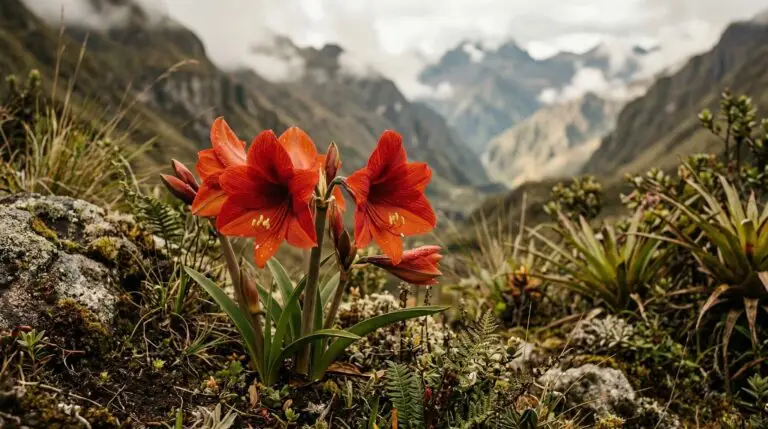
The fascinating history of amaryllis from South American wildflower to holiday tradition
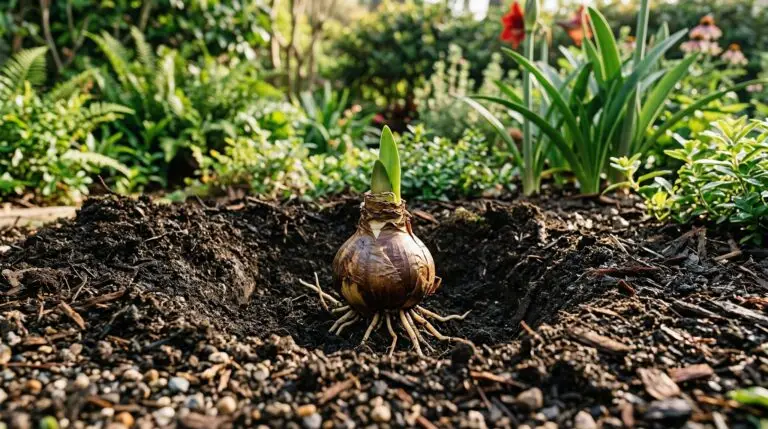
How to grow amaryllis outdoors in warm climates for year-round garden color
Common amaryllis problems including leaning stalks and split bulbs
Amaryllis color guide and the most striking varieties to grow at home
How to force amaryllis bulbs to bloom indoors for the holidays
Amaryllis gift ideas and how to choose the perfect bulb for someone special
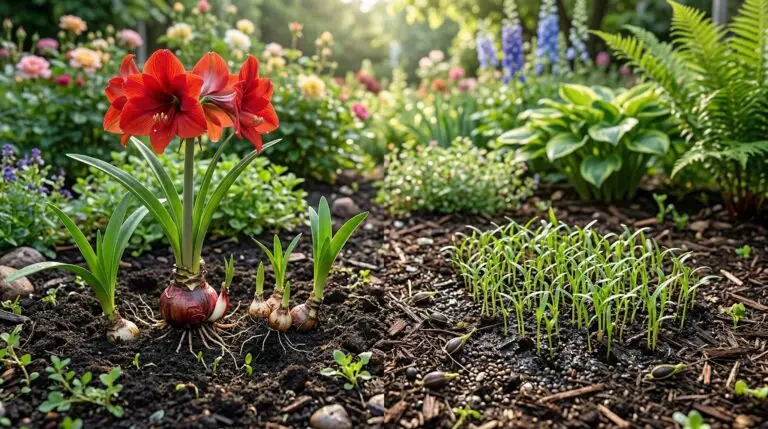
How to propagate amaryllis from offsets and seeds for a growing collection
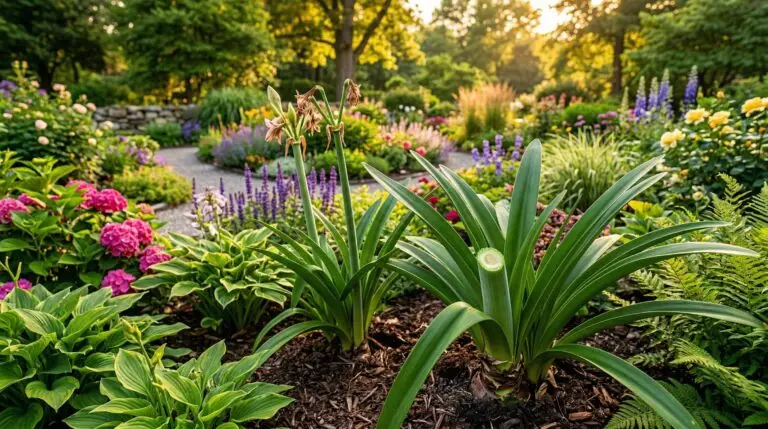
What to do with amaryllis after it finishes blooming so it flowers again next year