Contents
Chrysanthemum
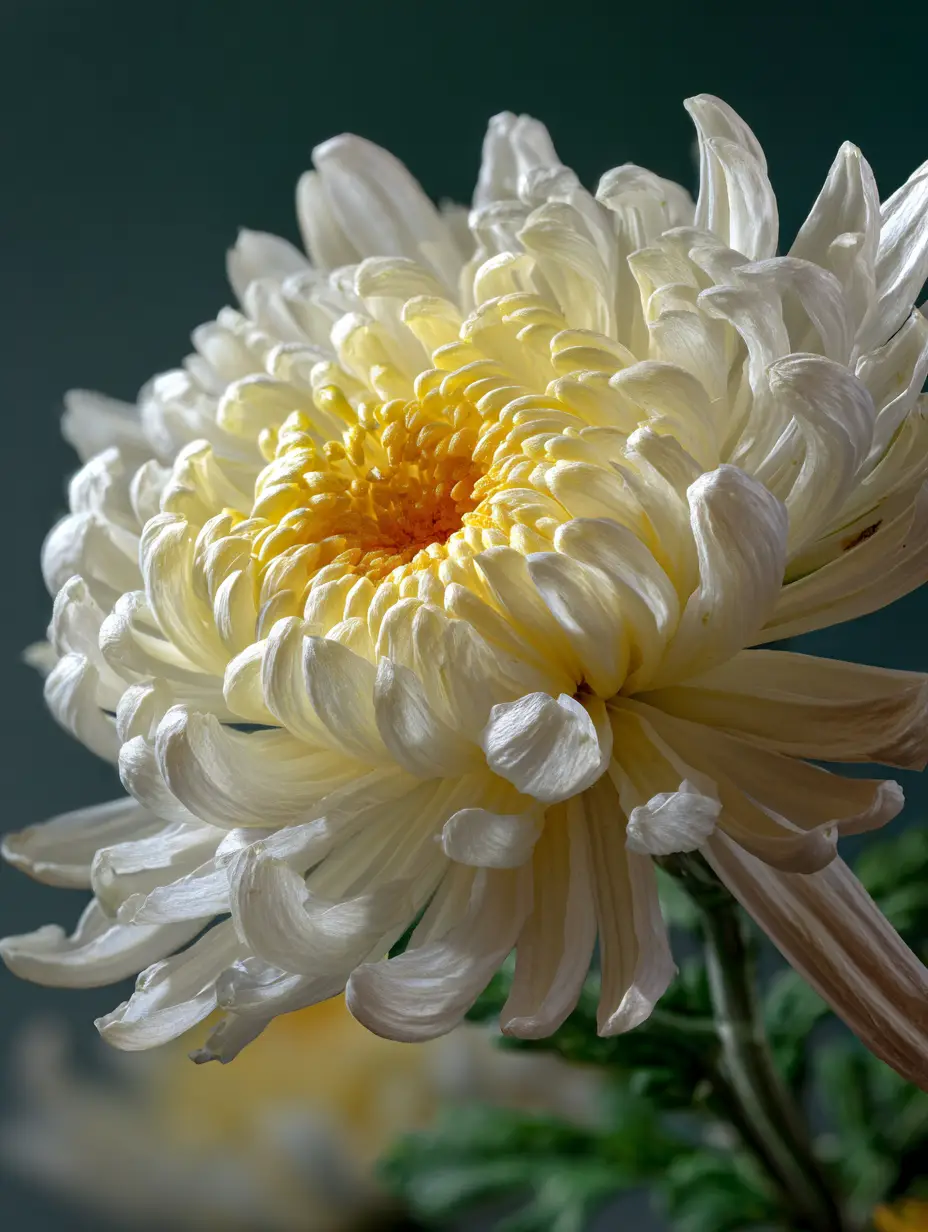
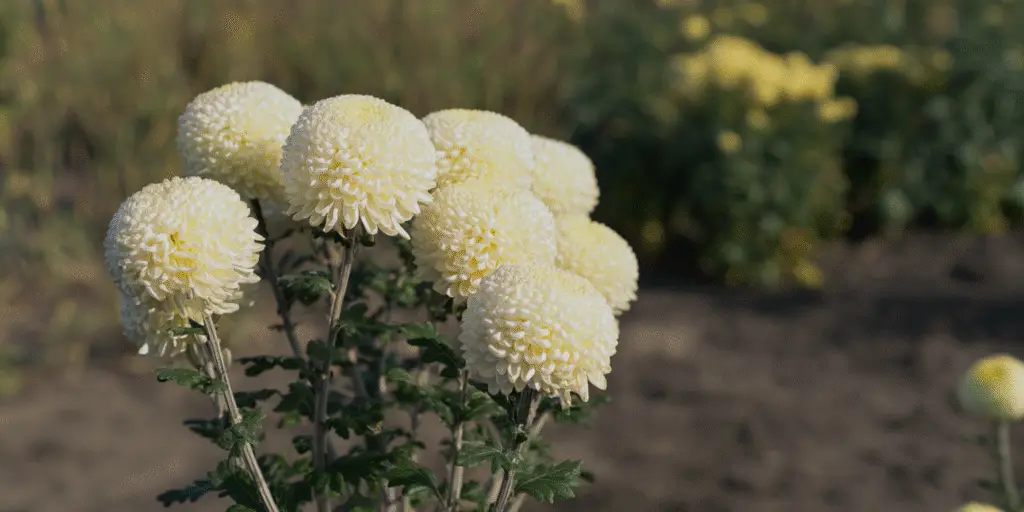
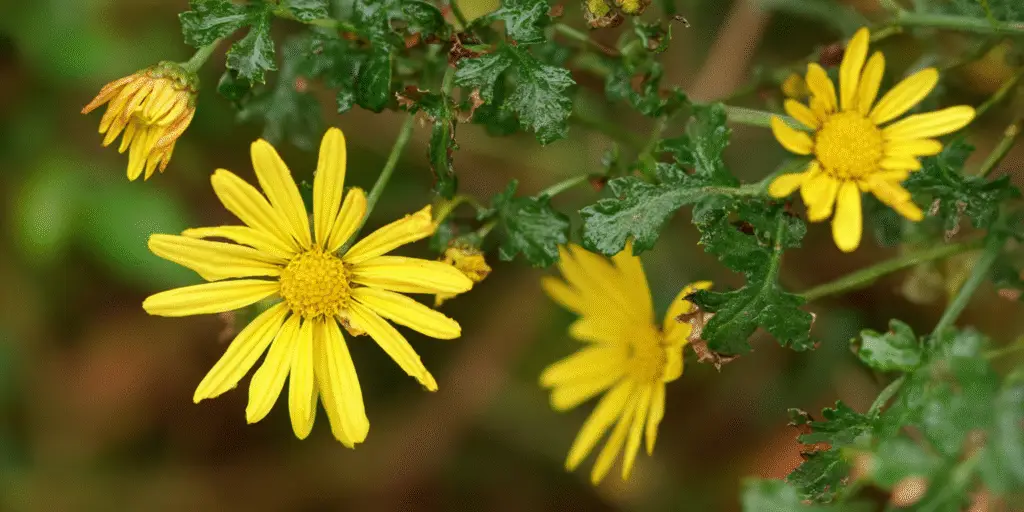
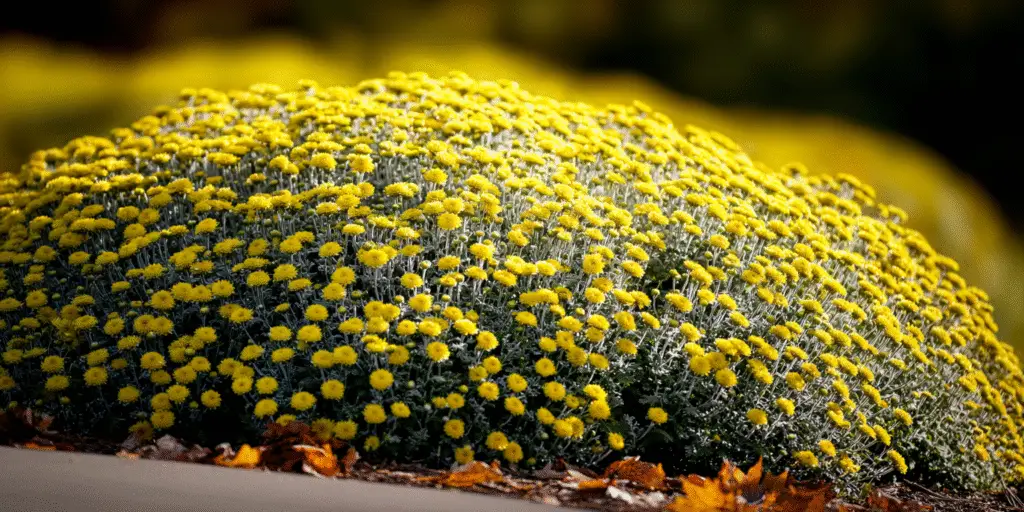
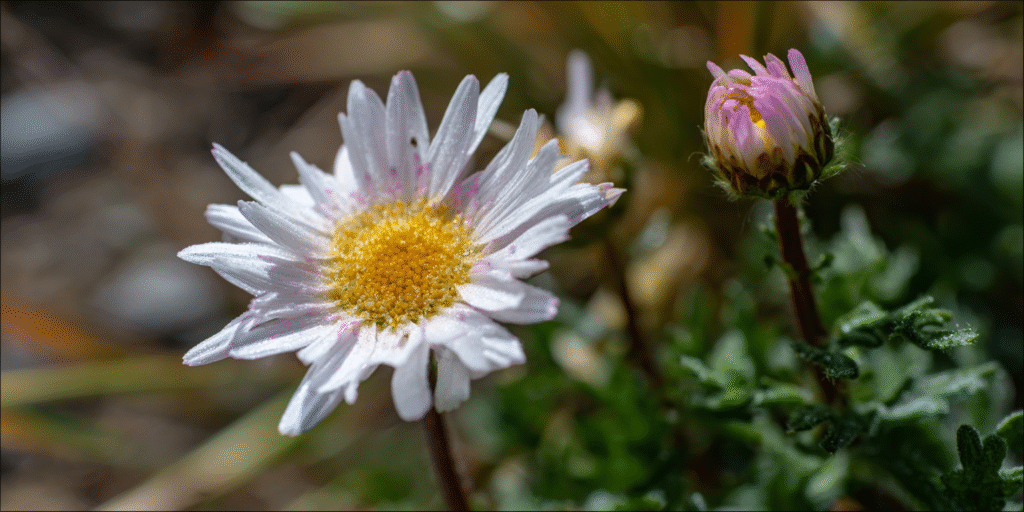
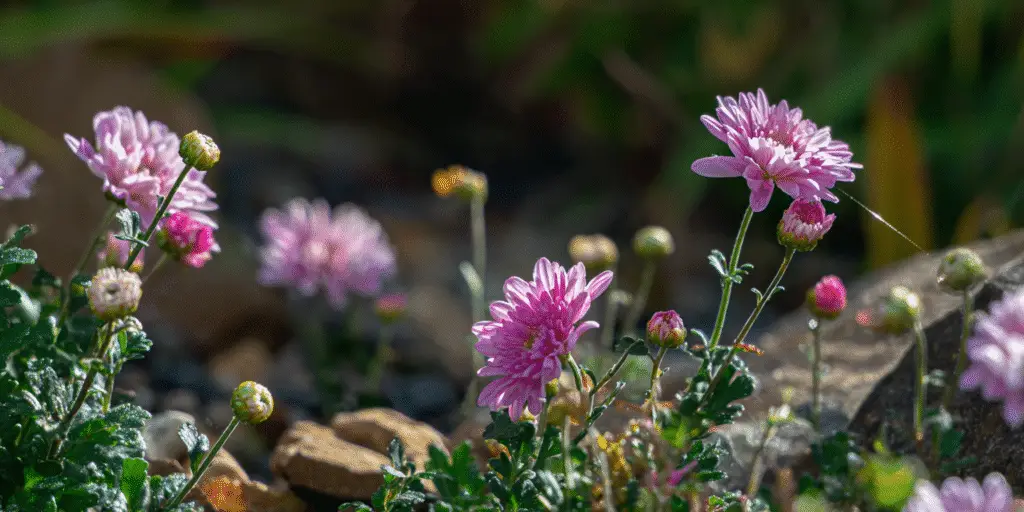
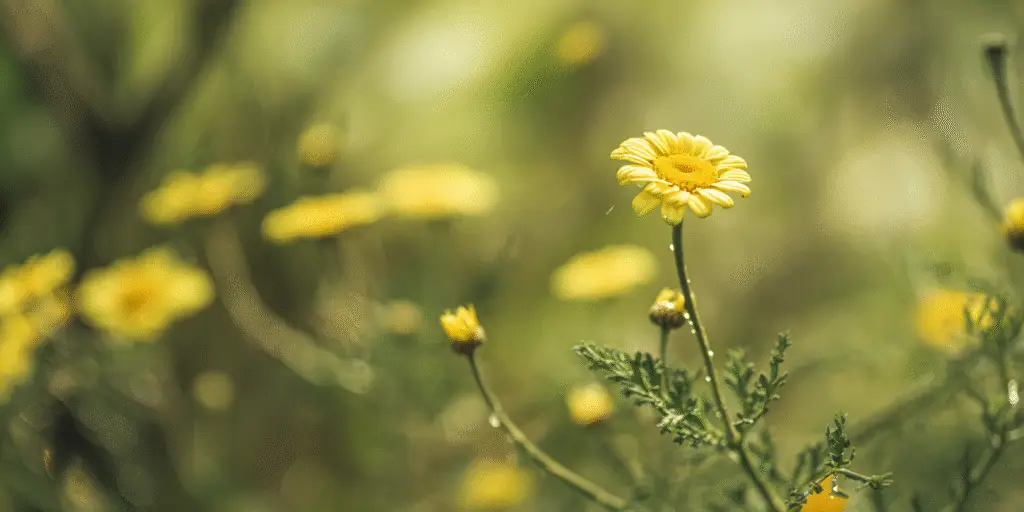
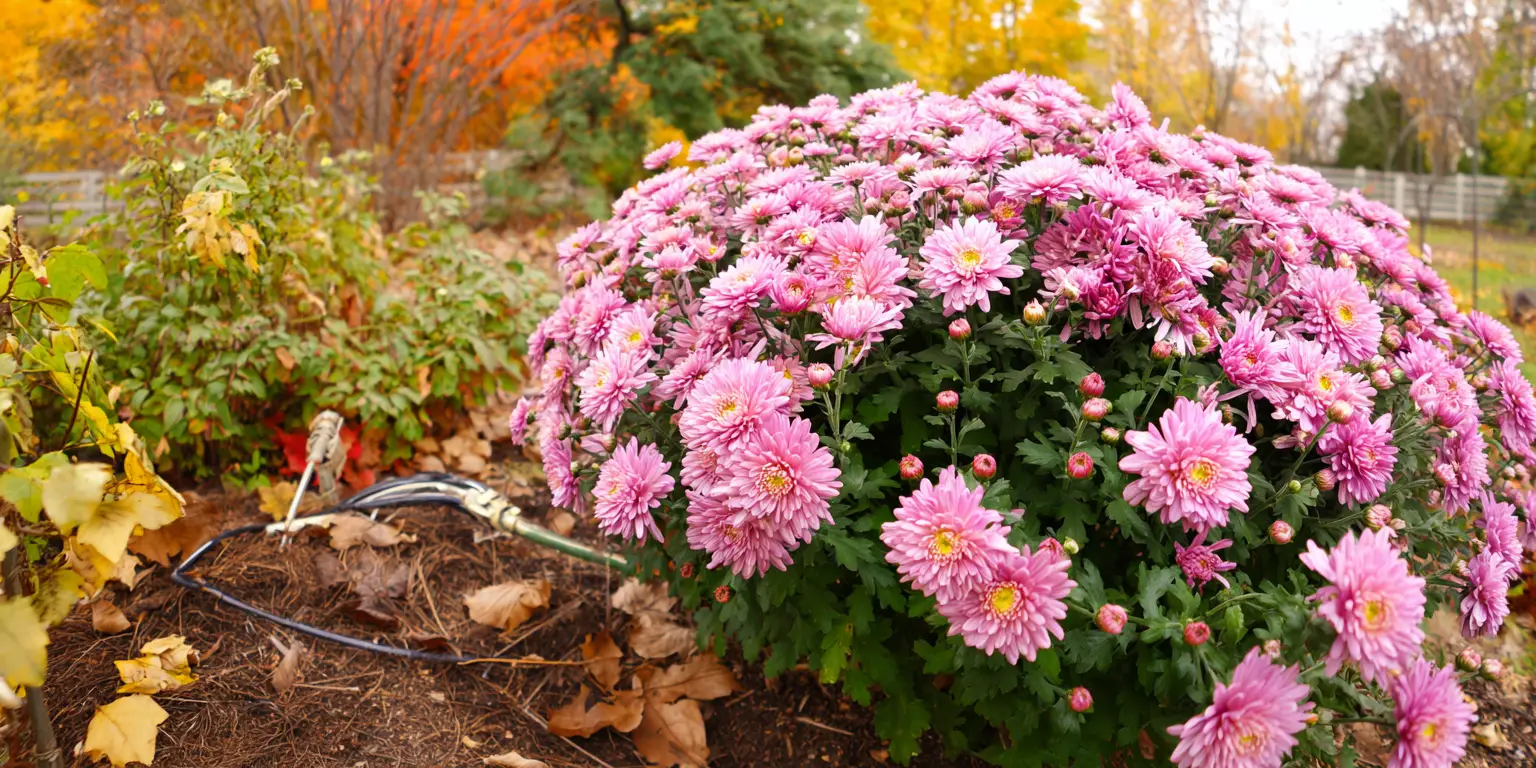
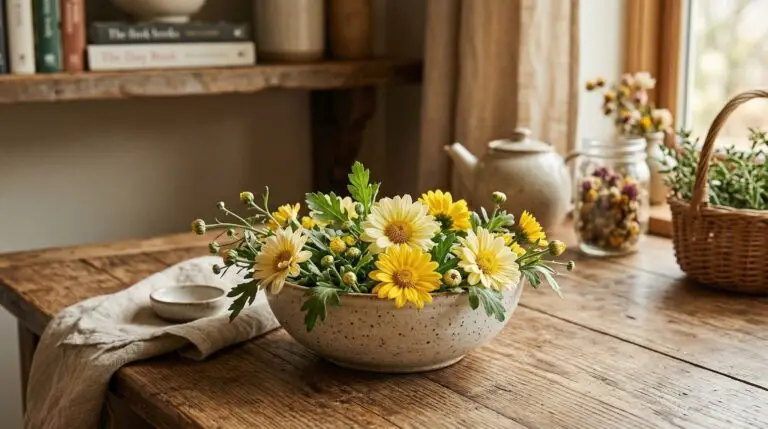
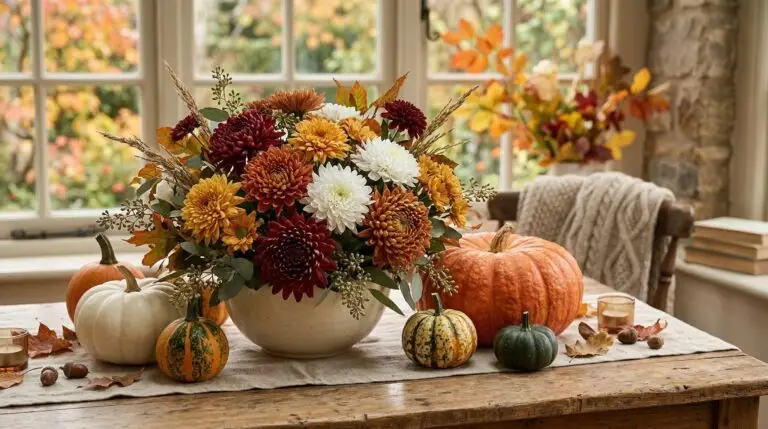
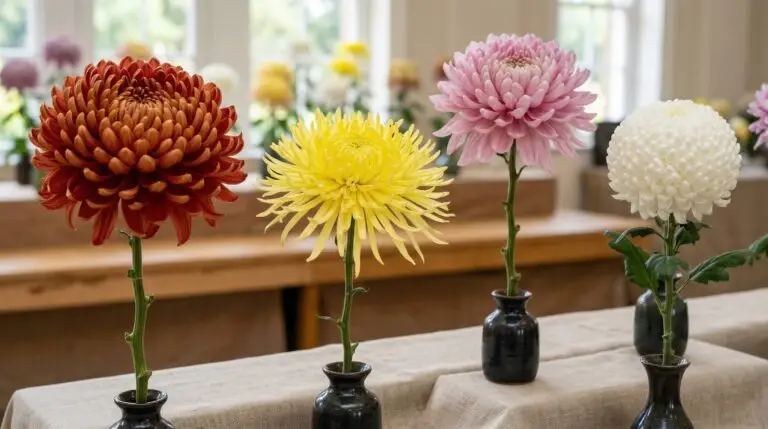
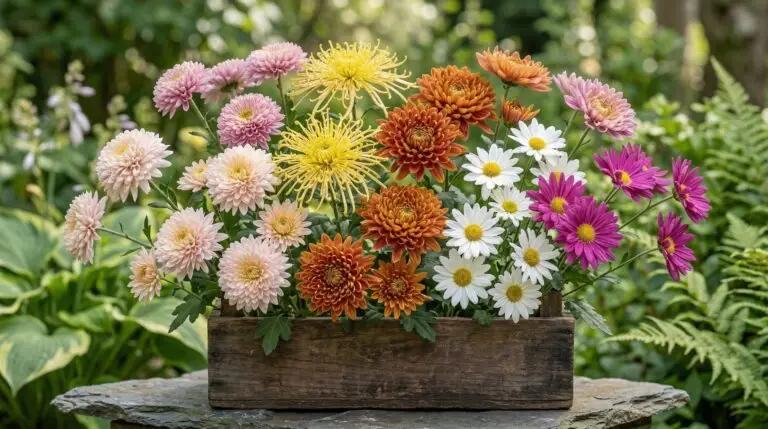
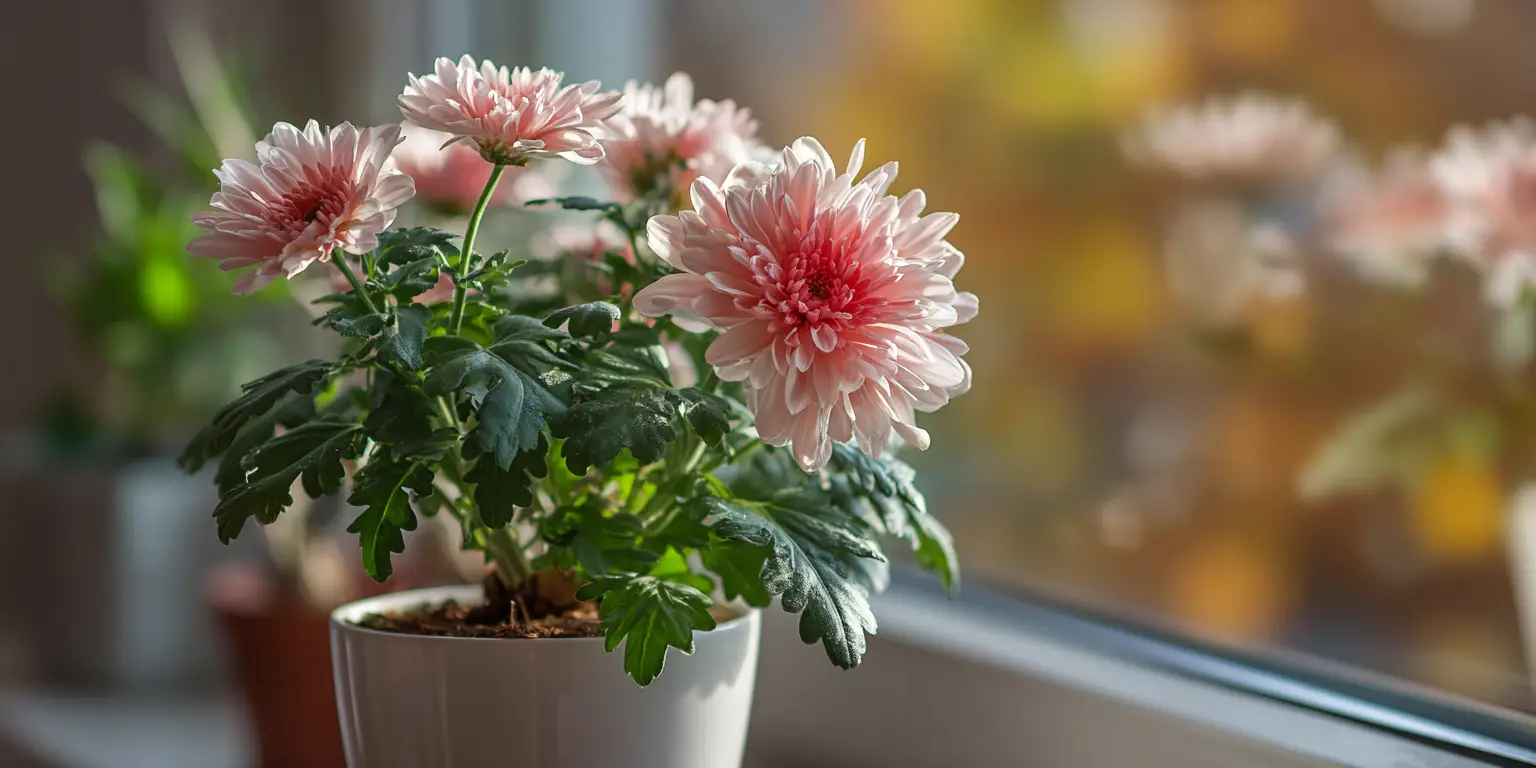
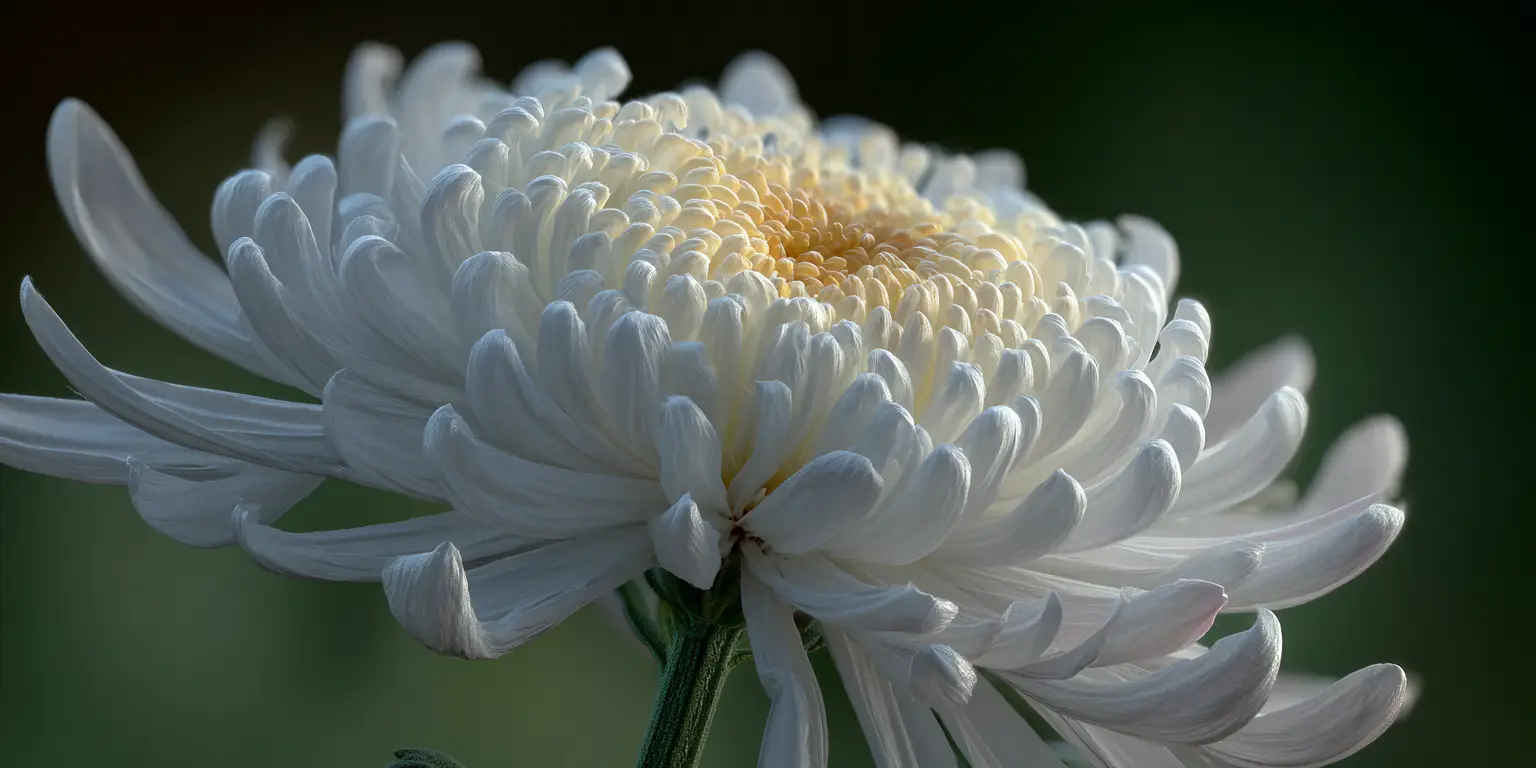
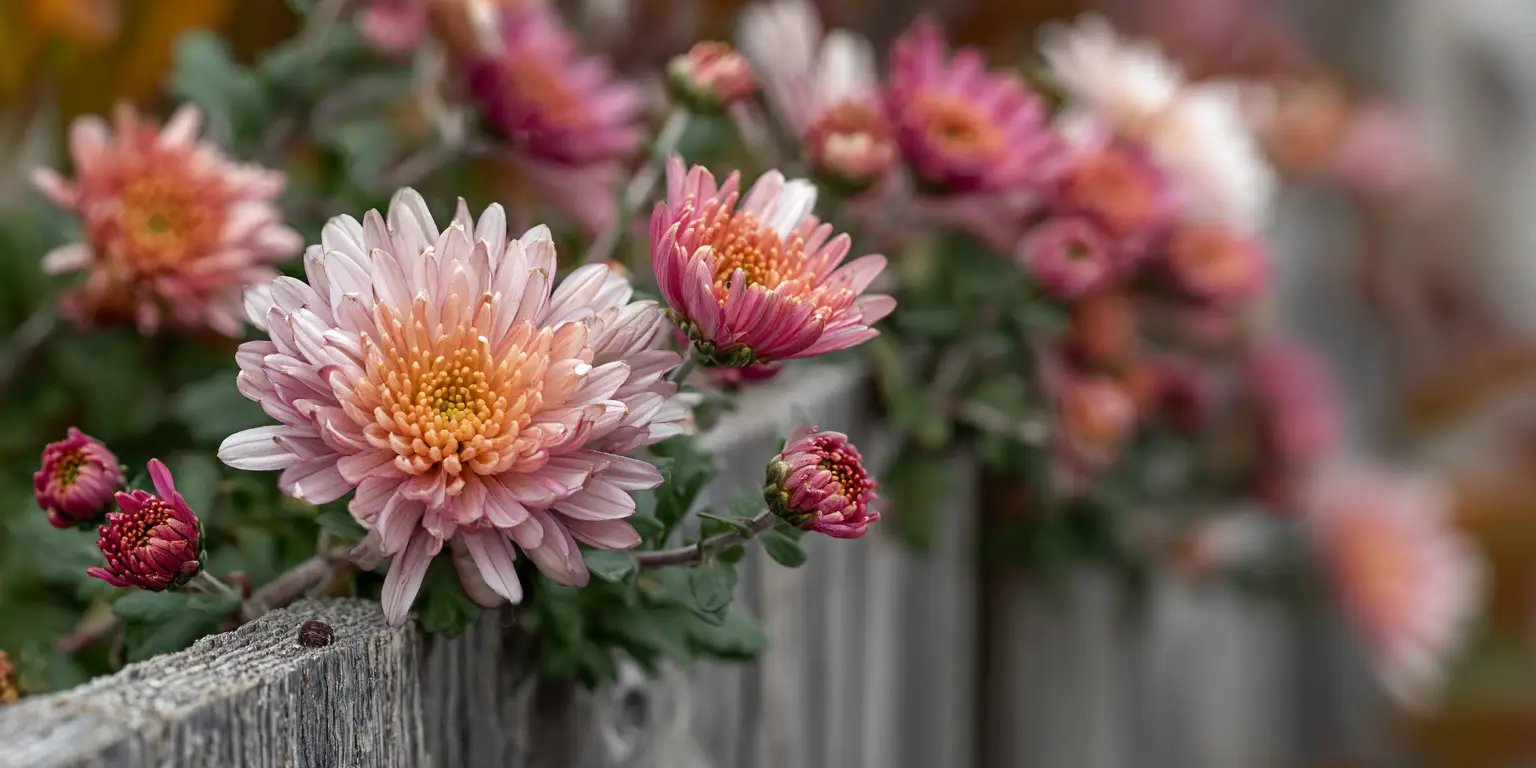
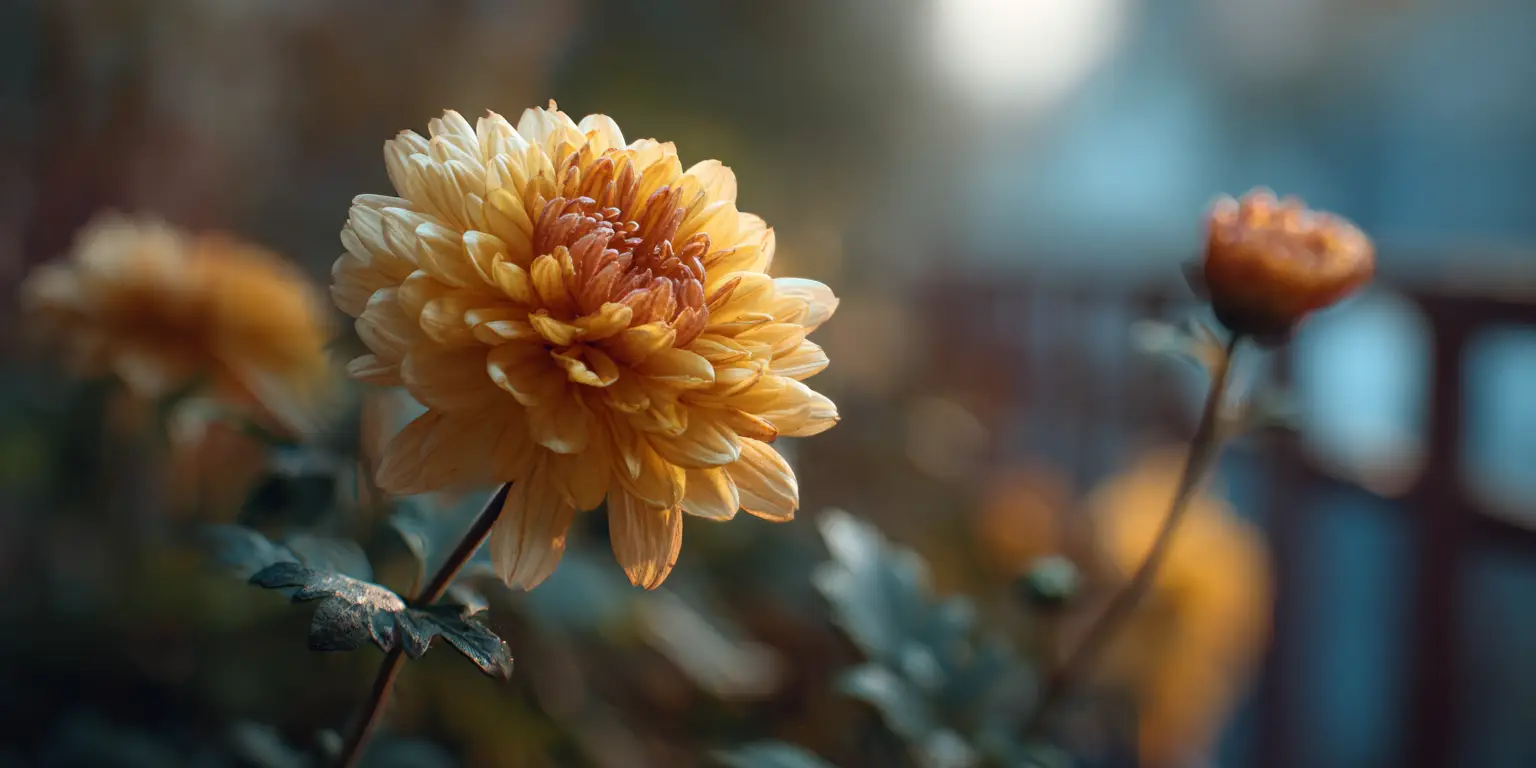
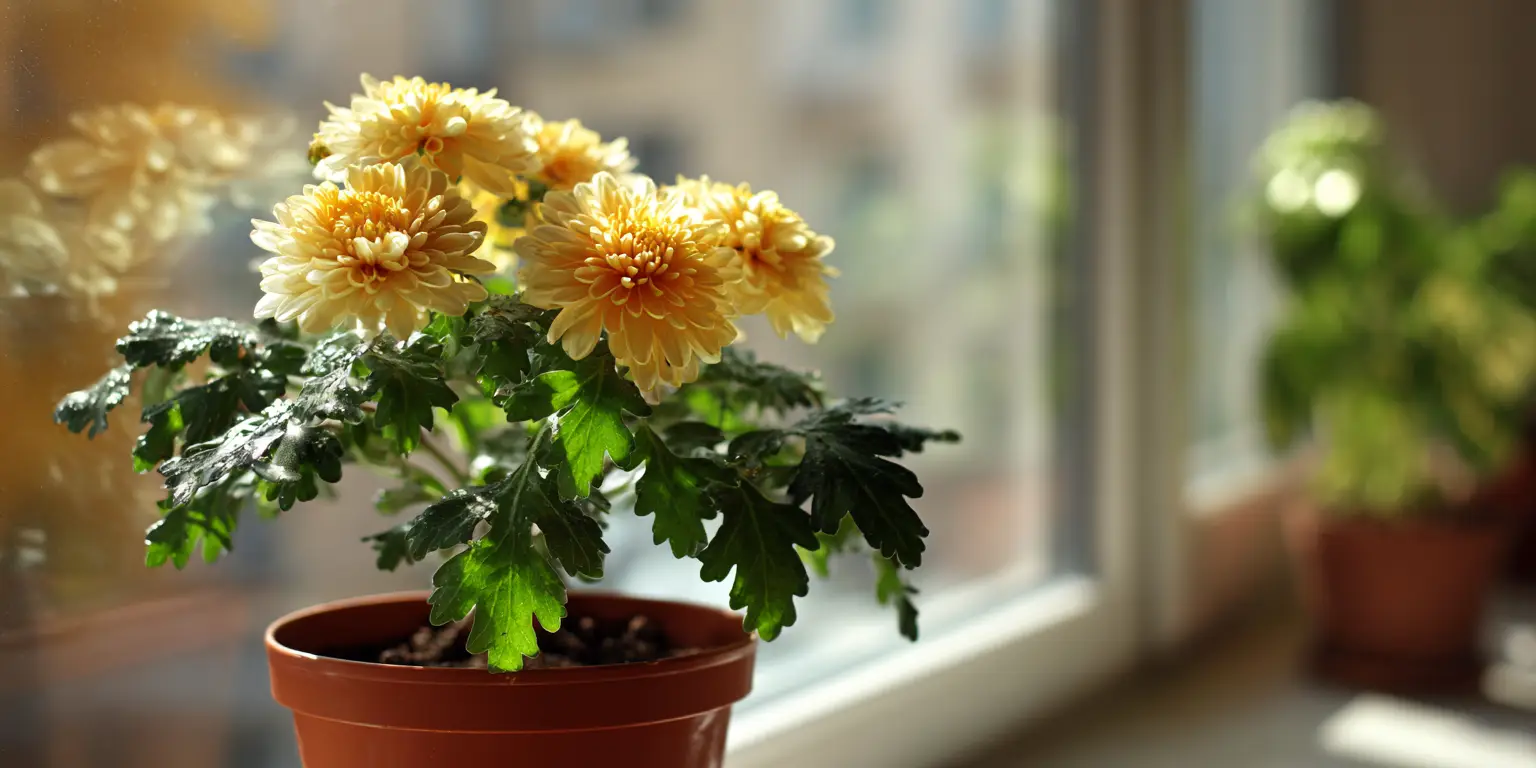
The Chrysanthemum, commonly known as the garden “mum,” is an herbaceous flowering plant celebrated for its vibrant late-season blooms. A member of the daisy family (Asteraceae), this perennial has composite flower heads composed of many tiny florets, yielding the classic full “cushion” look. Chrysanthemums are prized as quintessential fall flowers because they burst into color in late summer and autumn when many other blooms have faded. Gardeners value mums for their wide array of blossom forms and hues. For instance, many cultivars produce iconic yellow flowers, alongside varieties in red, orange, pink, purple, white, and bi-colors – virtually every hue except true blue flowers. Chrysanthemum plants range from compact mounding types to taller upright forms, making them versatile for borders, containers, or mass plantings. They are relatively easy to grow and bring weeks of bright color to gardens and patios. With a long history of cultivation and cultural significance, chrysanthemums remain one of the most popular types of flowers for both ornamental gardening and floral arrangements due to their hardiness and showy, long-lasting blooms.
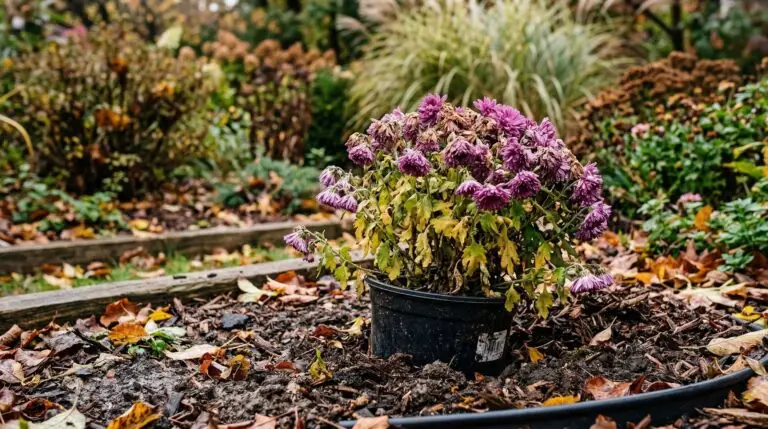
A clear, step-by-step guide to soil, planting, watering, feeding, pruning, and winter care. Includes zone timing, container tips, companions, and quick fixes for common problems.
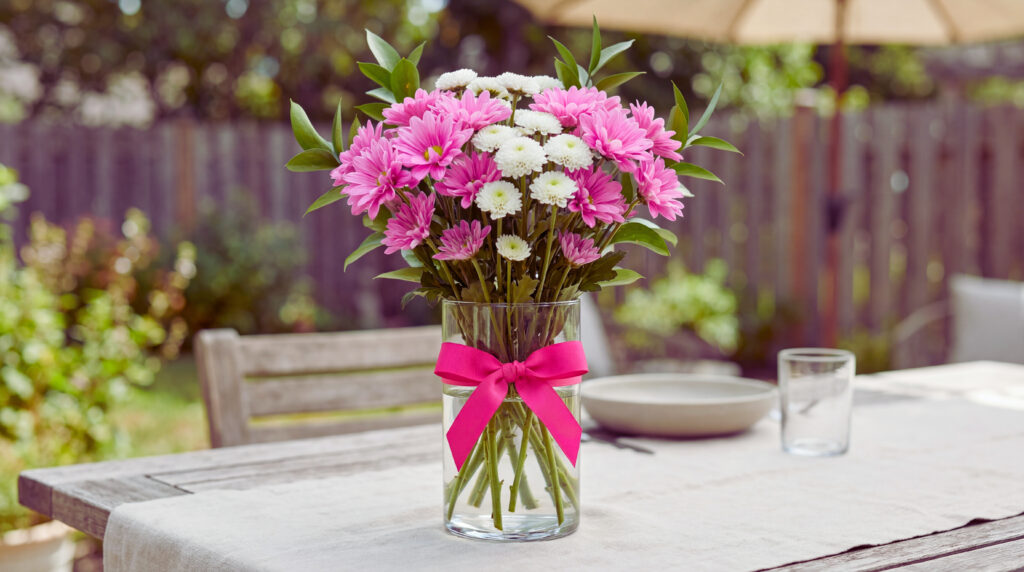
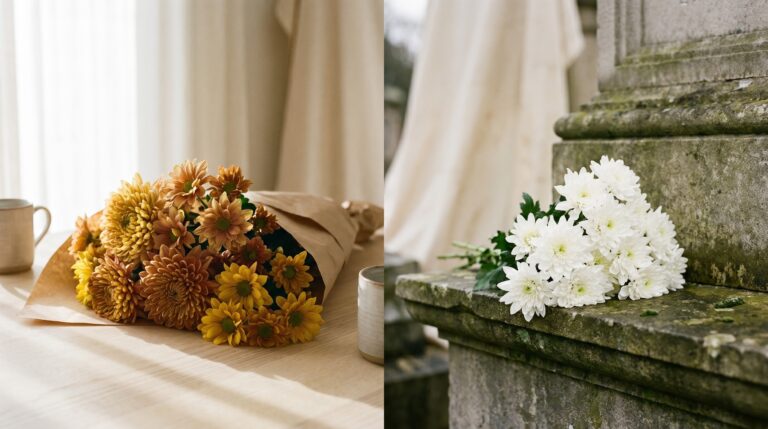
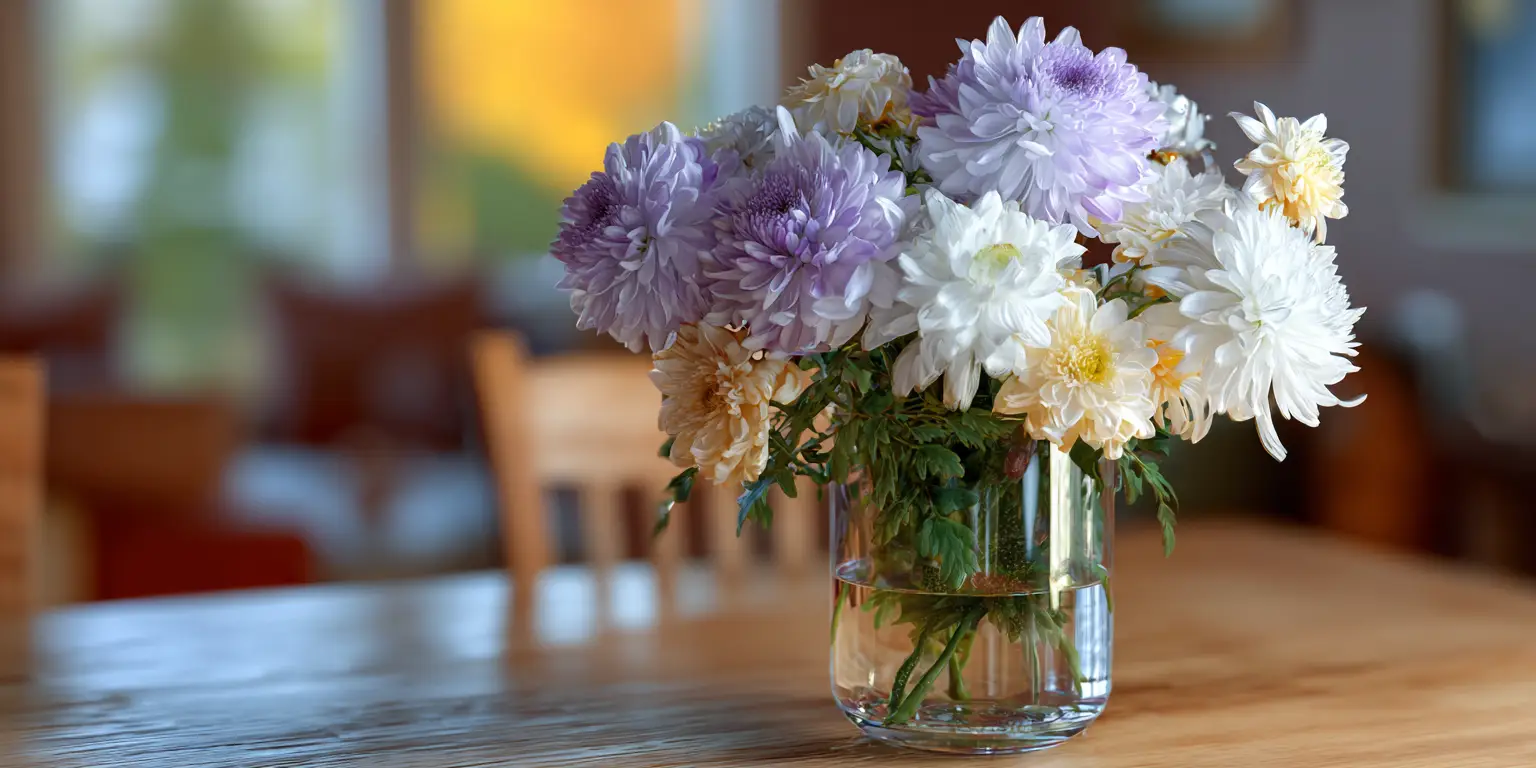
Explore simple, beautiful bouquet ideas for the home, gifts, and special occasions from romantic mixes to clean, minimal styles. Each idea includes suggested flower combinations, color palettes, and sizes, with photos for quick inspiration.
🌱 Taxonomy and origin
Chrysanthemums are classified under the genus Chrysanthemum in the Asteraceae family. Botanically, they are closely related to daisies, marigolds, and sunflowers. The genus name comes from the Greek words chrysos (gold) and anthemon (flower), reflecting the yellow tone of early cultivars. Modern chrysanthemum species and hybrids include dozens of forms, all characterized by composite flower heads and aromatic, lobed leaves. The plant’s origin traces back to Asia – primarily China, where chrysanthemums were first cultivated as far back as the 15th century BCE. They were grown as flowering herbs and valued in traditional medicine and teas. Over time, horticulturists in China and later Japan developed hundreds of varieties. Chrysanthemums entered Western botany by the 17th-18th century, Dutch and English gardeners eagerly imported these exotic flowers. The Swedish botanist Carl Linnaeus formally named the genus Chrysanthemum in 1753. Originally, many species were grouped under this name, but later taxonomists split off some (such as certain daisies and chamomiles) into separate genera. Today’s garden mums mostly belong to Chrysanthemum × morifolium, a complex hybrid also called florist’s chrysanthemum. Native wild chrysanthemums still grow in China, Japan, and northeastern Europe, but centuries of cultivation have produced over 20,000 cultivars worldwide. Thus, the Chrysanthemum we know today is the product of rich horticultural history, with deep roots in Asian culture and a firm place in global garden lore.
🌸 Bloom time
Chrysanthemums are renowned for their autumn blooming season. Most garden mums are short-day plants, meaning they initiate flowering as nights lengthen in late summer and fall. In the United States, hardy mums typically begin to bloom from September through October, often reaching peak bloom in mid-fall (around October). Early-season cultivars may start flowering in late August, while late-season varieties can continue into November, especially in milder climates. Bloom duration is generally long-lasting: each plant can remain in flower for several weeks, providing consistent color through the autumn. Gardeners often stagger different mum varieties or cultivars to extend the overall display, since some are bred to bloom earlier or later than others. Chrysanthemum blooms are also notably sturdy against light frost – many will tolerate a touch of cold, allowing them to brighten gardens even as the first frosts arrive. In warmer regions (or under greenhouse conditions), mums can occasionally be coaxed to bloom in other seasons by manipulating day length. However, in natural settings, fall is the prime time for their showy display. The bloom time can also depend on planting time, mums planted in spring have all season to establish and will reliably bloom in fall, whereas those planted in late summer might still flower on schedule but could have a shorter show. Overall, expect chrysanthemums to be the grand finale of the gardening year, closing out the growing season with mounds of cheerful blossoms when most other flowers have finished.
📏 Height and spread
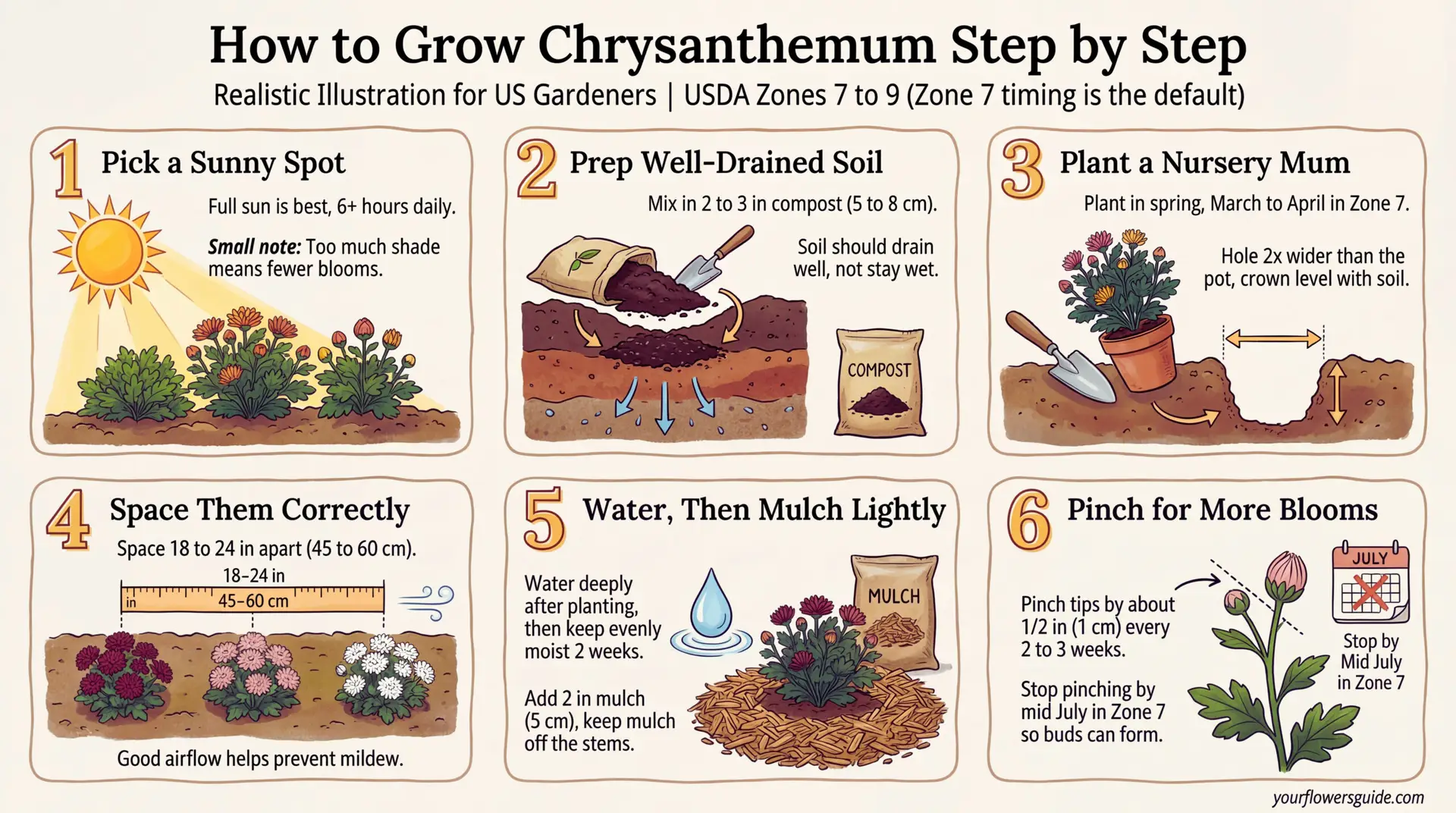
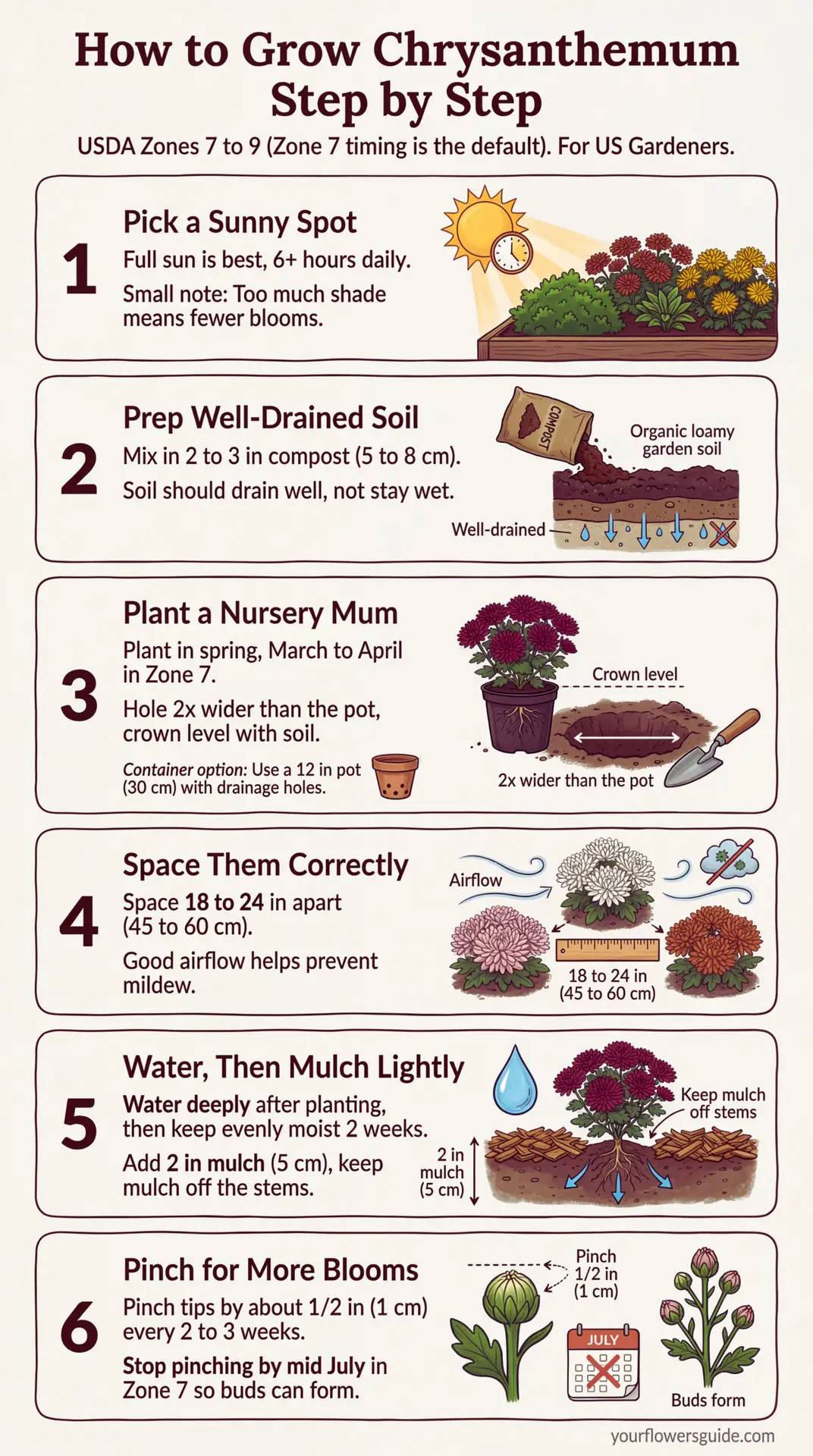
Chrysanthemum plant size varies widely by cultivar, ranging from petite cushion mums to taller cutting varieties. Dwarf and cushion mums often grow about 6-12 inches tall (15-30 cm) and form low mounds that can spread 1-2 feet (30-60 cm) wide. These compact types are ideal for borders, walkway edges, or containers, as they create a carpet of blooms close to the ground. Standard garden mums are usually medium-sized, reaching around 1-2 feet in height (30-60 cm) with a similar spread. They tend to have a bushy, rounded habit, especially if pinched back during the growing season to encourage branching. Some specialty or heirloom chrysanthemum varieties, including certain florist and exhibition types, can grow taller – up to 3 feet (about 90 cm) or more – and may require staking or support to keep their stems upright under the weight of large blooms. The spread of a chrysanthemum clump will increase over time. A healthy perennial mum will send up multiple stems and can form a clump 2-3 feet (60-90 cm) across after a couple of growing seasons if not divided. When planting chrysanthemums in the garden, space them roughly 18-24 inches apart (45-60 cm) for medium varieties to allow good air circulation and accommodate their spread. Compact varieties can be planted a bit closer (12-18 inches apart) since they stay smaller. With proper spacing and occasional division of overcrowded clumps (typically every 2-3 years), chrysanthemums will maintain an attractive shape and size. Their height and spread make them versatile – low types work as groundcover-like accents, while taller mums create excellent backdrops or focal points in fall flower beds.
☀️ Light
Chrysanthemums thrive with ample sunlight. In general, full sun exposure (at least 6 hours of direct sunlight per day) is ideal for robust growth and abundant blooming. Plants grown in full sun tend to produce more flowers and sturdier stems. In fact, insufficient light can lead to leggy growth and fewer buds. For best results, choose a planting site that gets morning and early afternoon sun. In very hot climates or during peak summer heat, a bit of light shade in the mid to late afternoon can help prevent heat stress and prolong the plant’s vigor – mums appreciate slightly cooler conditions as they develop flower buds. However, heavy shade is not recommended, as it will reduce blooming significantly. It’s also important to note that chrysanthemums are photoperiodic: their flowering is triggered by the lengthening nights of late summer. This means that exposure to artificial light at night (such as porch lights or streetlights) can disrupt their natural bloom cycle. Avoid planting mums too close to strong nighttime light sources, continuous light can confuse the plant’s internal clock and delay or prevent flowering. In summary, provide chrysanthemums with plenty of sun for the majority of the day. A sunny location with good air circulation will encourage dense foliage and a profusion of blooms. If grown indoors (as florist mums or houseplants), placing them by a bright window or under grow lights for at least several hours daily will keep them healthy, though outdoor sun is generally the easiest way to meet their high light needs.
💧 Water
Chrysanthemums perform best in evenly moist soil and require regular watering, especially during the active growing and blooming phases. These plants have relatively shallow root systems that can dry out quickly, so consistent moisture in the root zone is important. As a general guideline, aim to provide about 1 inch of water per week during the early growing season (spring through early summer), whether through rainfall or supplemental watering. As the plants begin to set buds and approach bloom (late summer into fall), increase watering to about 2-3 times per week, ensuring the soil stays moist. In warm, dry weather, mums may need even more frequent watering (every other day or so for potted specimens) to prevent wilting. Always water at the base of the plant, directly onto the soil. Avoid overhead watering that soaks the foliage, as wet leaves and flowers can invite fungal diseases. Using a soaker hose or drip irrigation is an efficient way to keep soil moisture consistent without splashing. When watering, water deeply until the soil is soaked to a depth of several inches – this encourages roots to grow deeper. Then let the top inch of soil dry slightly before the next watering to prevent waterlogging. Potted chrysanthemums tend to dry out faster than those in the ground, so check container plants daily, water thoroughly whenever the topsoil feels dry. Take care not to let mums completely dry out, as this can lead to drooping and reduced bud formation, but also avoid waterlogged soil which can cause root rot. By maintaining a balanced watering routine – moist but not soggy soil – your chrysanthemums will develop healthy roots and support a lush canopy of foliage and blooms.
🌍 Soil and pH
Plant chrysanthemums in soil that is fertile, well-draining, and rich in organic matter for best results. These flowers prefer a loamy soil that retains some moisture yet doesn’t stay waterlogged. Before planting, it’s beneficial to work compost or well-rotted manure into the garden bed, this improves soil structure, drainage, and nutrient content. Good drainage is crucial because mums are prone to root rot in overly wet or heavy clay soils. If you have clay soil, consider amending it with coarse sand, compost, or fine bark to increase porosity, or plant mums in raised beds to improve drainage. In terms of soil pH, chrysanthemums are adaptable but do best in the neutral to slightly acidic range. An optimal pH is around 6.5. They can tolerate pH roughly from about 6.0 to 7.5, with slight acidity often promoting healthy growth and nutrient uptake. If the soil is too acidic (pH much below 6), adding lime can raise the pH and supply calcium, whereas very alkaline soils (pH above 7.5) might be improved by incorporating sulfur or acidic organic amendments like pine bark. It’s a good idea to perform a soil test if you plan to grow many perennials like mums, this can guide you in adjusting pH and fertility. Chrysanthemums are moderate feeders, enjoying nutrient-rich soil. Aside from initial soil prep, an annual application of balanced slow-release fertilizer or a top-dressing of compost in spring can keep the soil fertile throughout the growing season. Just avoid over-fertilizing late in the summer, as excessive nitrogen can produce lush foliage at the expense of flowers. Overall, give your mums a well-prepared planting site with loose, rich, and well-drained soil in the proper pH range, and they will readily establish and reward you with vigorous growth and plentiful blooms.
❄️ USDA hardiness
Hardiness of chrysanthemums can vary, but most garden mums are perennial in USDA Hardiness Zones 5 through 9. In these zones, they can survive winter cold and return each year, provided they are given appropriate care. Some newer hardy mum varieties and certain species (like Chrysanthemum morifolium hybrids) can even survive in Zone 4 with protection, but in very cold regions (Zones 3 and colder) chrysanthemums are usually treated as annuals or dug up for winter. Conversely, florist’s chrysanthemums – the kind sold as potted gift plants – are often only hardy to about Zone 7 or 8, and may not overwinter outdoors in colder climates. If you live in a borderline zone (Zone 5 or 6), choosing “hardy mum” labeled varieties and planting them in spring can improve their chances of establishing before winter. Winter survival depends on several factors beyond just the temperature zone. Chrysanthemums need time to develop strong roots before the ground freezes, so fall-planted mums might not make it through a harsh winter whereas spring-planted ones have the whole growing season to root in. For overwintering in cold areas, it’s recommended to leave the spent foliage on the plant through winter (it can act as insulation) and then cut plants back to 4-6 inches in early spring. Mulching heavily around the base of the plant in late fall (after the ground starts to freeze) is also helpful – apply a layer of straw, pine needles, or shredded leaves to about 4 inches thick to protect the root zone from temperature fluctuations. In warmer zones, winters are mild enough that mums remain semi-evergreen or just die back and reshoot easily in spring. Keep in mind that high heat and humidity (common in Zone 9 summers) can be challenging for some chrysanthemum varieties, but generally they tolerate a wide range of climates. In summary, check the specific hardiness of your chrysanthemum variety, but expect well-established garden mums to be reliable perennials in most temperate parts of the U.S., thriving in Zones 5-9 with minimal issues and possibly in Zone 4 with extra care.
🌼 Propagation and longevity
Chrysanthemums can be propagated in several ways, and with good care a perennial clump can live and bloom for many years. The most common propagation method for gardeners is division. Because chrysanthemum plants tend to form expanding clumps, it’s beneficial to dig and divide them every 2-3 years in spring. To propagate by division, carefully lift the plant early in the growing season when new shoots appear, and split the clump into sections (each section should have a few shoots and roots attached). Replanting these divisions not only creates new plants but also rejuvenates the mums, leading to more vigorous growth and flowering. Another propagation method is through cuttings. In late spring or early summer, you can take 3-4 inch (7-10 cm) stem cuttings from healthy, non-flowering shoots. Remove the lower leaves and insert the cut end into a moist potting mix or sand. With high humidity and bright indirect light, these cuttings will often root within a few weeks, yielding new clones of the parent plant. Growing chrysanthemums from seed is possible, especially for species or open-pollinated varieties, but many garden mums are hybrids that will not come true from seed. Seeds can be sown indoors in late winter, however, the resulting plants may vary in quality and bloom time. Most gardeners stick to division or cuttings for reliable results. Regarding longevity, a hardy chrysanthemum can be essentially perennial indefinitely, as long as it’s maintained. However, without periodic division, an old clump’s center can die out and flowering may diminish after 3-5 years. Thus, dividing is key to keeping the plant youthful. Florist mums grown in pots are often treated as short-lived seasonal plants, they can be planted outdoors and may survive mild winters, but they tend to have weaker root systems and might not persist long-term. With the hardy varieties, expect them to come back each year and even spread. Good care – including cutting back after bloom, mulching in winter, and feeding in spring – will ensure your chrysanthemums remain a lasting part of your garden for many seasons.
👃 Fragrance
Chrysanthemum flowers are not particularly known for a sweet fragrance, instead, they have a subtle earthy scent and sometimes a spicy or herbal undertone. The intensity of fragrance varies among varieties. Many garden mums have almost no noticeable floral perfume to our noses, especially compared to highly fragrant blooms like roses or lilies. However, if you get close to the blooms, you might detect a faint, slightly musky or pungent aroma. The foliage of chrysanthemums, on the other hand, often has a stronger smell when handled or brushed against – it’s a distinctive, somewhat bitter herbal scent that some gardeners describe as “medicinal” or reminiscent of sage. This leaf aroma comes from compounds in the plant and is thought to help deter pests. While Chrysanthemum is not grown for fragrance, it’s interesting to note that the blossoms of certain types have been used in perfumery for their green, earthy notes. Additionally, some chrysanthemum species are used to brew chrysanthemum tea, a popular herbal infusion in parts of Asia. The tea made from dried chrysanthemum flowers has a mild floral fragrance and a flavor often compared to chamomile. In the garden, don’t expect a chrysanthemum patch to scent the air like a bed of lavender might. Any fragrance is generally subdued. The appeal of mums lies more in their visual impact – the riot of color and form – rather than olfactory qualities. For those sensitive to smells, chrysanthemums are usually a fine choice since their scent won’t overwhelm. That said, people with severe pollen allergies might find the aroma of crushed chrysanthemum leaves or the pollen of the flowers irritating. Overall, chrysanthemums offer more in beauty than in fragrance, with a neutral smell that won’t clash with other scented plants you may grow.
⚠️ Toxicity and pet safety
Gardeners should be aware that chrysanthemums are toxic to pets such as cats, dogs, and horses if ingested. All parts of the plant (flowers, leaves, and stems) contain several compounds that can cause adverse reactions. Notably, chrysanthemums produce pyrethrins and sesquiterpene lactones – these natural chemicals help the plant deter insects, but they are irritants or toxins to animals. If a pet chews on or eats mums, it may exhibit symptoms like drooling, vomiting, diarrhea, and loss of coordination. Some animals might also develop dermatitis (skin irritation) from contact with the sap or oils of the plant. Because of these risks, it’s important to keep chrysanthemums out of reach of curious pets. For example, avoid planting them in areas where your dog might dig or your cat might nibble, or use fencing/barriers if necessary. Potted mums placed indoors or on porches should be positioned where pets cannot easily access them. While the level of toxicity is usually not fatal (large quantities would have to be consumed to be life-threatening), it can certainly make an animal sick. In addition to pet concerns, some people experience skin irritation when handling chrysanthemums, especially if they have plant allergies – wearing gloves when pruning or dividing mums is a good precaution if you’re sensitive. Also, individuals allergic to ragweed or daisies might have allergic reactions to chrysanthemum pollen or plant oils. Always wash hands after handling the plants to avoid any potential irritation (for instance, avoid touching your eyes). In summary, treat chrysanthemum as a poisonous plant with regard to pets and young children, and handle with normal garden care. Enjoy their beauty, but be mindful about placement and cleanup of fallen leaves or blooms in yards with animals.
🌿 Vase life
Chrysanthemums are prized in the cut flower industry for their excellent vase life. When cut at the right stage and cared for, chrysanthemum blooms can last a long time in an arrangement – often 7 to 14 days, sometimes up to two weeks or more. This longevity outpaces many other garden flowers and is one reason mums are a florist favorite for bouquets and floral displays. To maximize vase life, start by cutting the stems in the cool of early morning or evening once the flowers are just fully open (avoid cutting blooms that are past their peak). Use clean, sharp pruners or scissors to make a diagonal cut on the stem. Immediately place the cut stems in a bucket of lukewarm water. Before arranging, strip off any leaves that would fall below the water line in your vase, as submerged foliage can rot and foul the water. Arrangers often recut the stems underwater or in running water to prevent air bubbles from entering the stem (which can block water uptake). For the initial vase water, slightly warm water (around 100°F, 38°C) can help blooms hydrate quickly. Mixing in a packet of floral preservative (flower food) provides nutrients and keeps bacterial growth down, further extending the life of the blooms. Once arranged, place your vase of mums in a cool location out of direct sunlight and away from heat sources or drafts. Check the water daily, chrysanthemums are thirsty and will drink a lot. Replenish water as needed, and completely change the water every few days, trimming a bit off the stem ends each time to keep them open and fresh. If any flower heads or leaves start to wilt or decay, remove them promptly to maintain overall bouquet freshness. With these care steps, chrysanthemum flowers will stay attractive for a very long time compared to other cut flowers – it’s not uncommon to see them looking good for nearly three weeks. This makes them economical and dependable for decorating homes, events, or as gifted bouquets, since you can enjoy their rich colors and forms for an extended period after cutting.
🐛 Pests and diseases
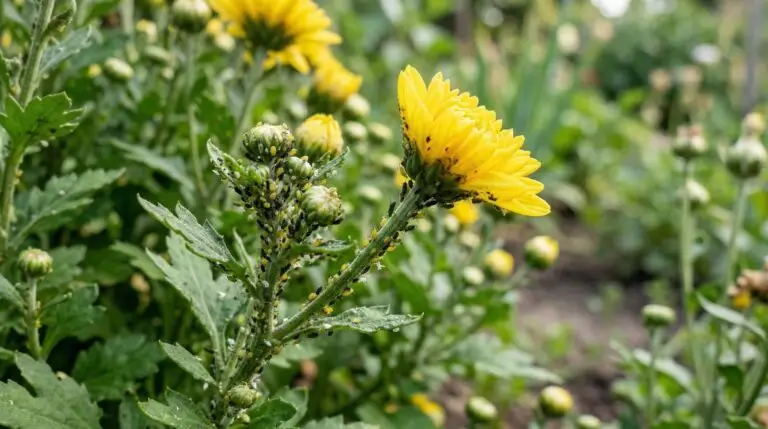
Chrysanthemums are generally robust plants, but they can be susceptible to certain pests and diseases, especially when conditions are less than ideal. Among insect pests, aphids are frequent visitors – these tiny sap-sucking bugs often cluster on new growth and buds, causing leaves to curl or yellow. A strong spray of water or insecticidal soap can usually dislodge and control aphids. Spider mites can also infest mums, particularly in hot, dry weather, signs include speckled, yellowing leaves and fine webbing on the undersides. Keeping plants well-watered and occasionally misting the foliage (in the morning, so it dries) can deter mites, as they thrive in dryness. If mites appear, insecticidal soap or horticultural oil can help. Thrips, tiny slender insects, may attack chrysanthemum flowers, causing discoloration or streaking of petals – again, insecticidal soap or neem oil are remedies. Additionally, chrysanthemum leafminer (the larva of a fly) can burrow into leaves leaving winding trails, removing and destroying affected leaves is the best control. In terms of diseases, several fungal issues can occur. Powdery mildew sometimes appears as a white powdery coating on leaves, particularly in humid conditions with poor airflow. Ensuring proper spacing, sunlight, and removing diseased foliage helps manage it, fungicides can be used in severe cases. Leaf spot (caused by fungi or bacteria) can create brown or black spots on foliage – again, clean up debris and consider a fungicide if it spreads. One disease of particular note is chrysanthemum white rust, a fungal disease that causes pale spots and pustules on leaves, it’s highly contagious and subject to agricultural quarantine in some areas, so infected plants should be destroyed if identified. Root rot is another threat, usually from overly wet soil or poor drainage, plants will wilt and collapse as roots decay. Prevent this by planting in well-drained soil and not overwatering. Chrysanthemums can also suffer from aster yellows, a disease caused by a phytoplasma and spread by leafhoppers, resulting in stunted, yellowed growth and deformed flowers – affected plants should be removed as there is no cure. To keep mums healthy, practice good garden sanitation: remove spent flowers and dead leaves, especially at season’s end, to eliminate overwintering sites for pests and pathogens. Rotate where you plant mums in the garden if possible, and avoid crowding them. Many modern chrysanthemum cultivars have some resistance to common diseases, so choosing resistant varieties can help. By staying attentive – checking the undersides of leaves for pests and watching for early signs of disease – gardeners can address issues promptly. In most cases, chrysanthemums will flourish with minimal pest damage, providing a glorious display as long as their basic needs are met and problems are managed early.
FAQ
Are chrysanthemums annuals or perennials?
Garden chrysanthemums (hardy mums) are perennials in most regions, meaning they can live for multiple years and bloom each fall. If planted in the ground and given time to establish, hardy mums will come back year after year in USDA zones where they are winter-hardy (generally Zones 5-9). In colder regions, or if mums are planted late in the season, they might not survive the winter and are treated as annuals. Florist mums (the kind sold in pots in grocery stores or florists) are often not as cold-hardy – those are usually grown as disposable annuals, especially outside of warm climates. However, even florist mums can perennialize in mild climates (Zone 7+). To ensure your mum acts as a perennial, plant it in spring or early summer so it grows a strong root system, and give it winter protection like mulch. So, chrysanthemums are perennials under suitable conditions, but they’re sometimes grown as annuals in practice when the climate or planting time doesn’t allow them to overwinter.
When and how should I prune or pinch my chrysanthemums?
Regular pruning (specifically pinching) is key to keeping chrysanthemums compact and floriferous. The best time to start pinching mums is in late spring once new shoots are a few inches tall. To pinch, use your fingers or pruners to remove the top 1-2 inches of each growing tip. This encourages the plant to branch out and form a bushier shape with more stems (and thus more flowers). You can repeat this pinching process multiple times through spring and early summer. A common practice is to pinch about once a month until approximately July. Stop pinching by mid-July, because after that the plant needs to set flower buds for the fall, pinching too late can remove those forming buds and result in fewer blooms. Aside from pinching, you generally don’t need to do heavy pruning in the first growing season. At the end of the bloom season (late fall), you have two choices: some gardeners cut the stems back to 4-6 inches above ground once the blooms fade and before winter, others leave the plants intact (dried stems and all) through winter for extra protection and only clean up and trim in early spring. Both approaches work. If you leave stems up, definitely trim the dead material away as new growth appears at the base in spring. Overall, periodic pinching early on is the most important pruning for mums, it results in a fuller plant that will bear dozens of flower heads come fall instead of just a few on a taller, lankier stem.
How do I overwinter chrysanthemums in cold climates?
To overwinter hardy chrysanthemums in cold regions, the goal is to protect the root system from freeze-thaw cycles and extreme cold. First, try to plant mums in the spring rather than the fall – spring-planted mums have established roots by winter, greatly improving their survival. If you have mums already in the ground going into winter, resist the urge to immediately cut them to the ground after blooming. Leaving the foliage and stems intact through the winter can provide a bit of insulation. Once the ground begins to freeze (after a few hard frosts), apply a thick layer of mulch around and over the base of the plant. Use organic mulch like straw, pine needles, shredded leaves, or wood chips, piling about 4 inches thick. This mulch will moderate soil temperature and moisture. In very cold areas (Zones 4 and below), you might even cover the plants with an overturned basket or nursery pot after the ground is frozen, for an added buffer against dry winter winds – just remember to uncover in early spring. If your mums are in pots, you have a few options: you can try to sink the pot into the ground and mulch over it, or move the pot into an unheated garage or shed. Keep potted mums just lightly moist over winter (they shouldn’t dry out completely, but you also don’t want waterlogged soil). Some gardeners take cuttings in fall and root them indoors as an “insurance policy,” or dig up and pot some garden mums to keep in a cool basement under grow lights until spring. Come spring, remove the mulch as soon as the worst freezes are past, and trim any dead stems to allow new shoots to come through. With these steps, even gardeners in chilly climates can often enjoy their chrysanthemums year after year.
Do chrysanthemums need full sun to bloom well?
Yes, chrysanthemums generally need plenty of sun to perform their best. Full sun (about 6 or more hours of direct sunlight per day) is recommended for most varieties to produce abundant blooms and sturdy stems. In less than full sun, mums can grow but may become leggy (stretching for light) and yield fewer flowers. They also might bloom later or not as profusely in shade. If you only have partial sun, choose the sunniest spot available – for example, a location that gets morning and early afternoon sun but maybe some late day shade can still work, especially in hot climates where a break from intense late-day sun can prevent stress. Just avoid deep shade. Sunlight is also important for the plant’s timing, mums are photoperiodic and rely on the contrast of bright days and lengthening nights to know when to set buds. An area with natural daylight and true darkness at night (no artificial lights shining on the plant) will help ensure the mum’s bloom cycle proceeds normally. In summary, full sun is ideal for chrysanthemums. If you give them lots of light, you’ll be rewarded with vigorous growth and maximum blooms. If planted in too much shade, expect a lackluster display.
What is the difference between garden hardy mums and florist mums?
The terms “garden mum” (or hardy mum) and “florist mum” refer to different types of chrysanthemums bred for different purposes. Garden hardy mums are varieties selected for their ability to survive outdoors through varying weather and winter cold. They tend to have smaller, dense blooms and a mounded growth habit, and they reliably come back each year in zones 5-9 (with some capable of zone 4). These are the mums you find in garden centers for planting in beds and borders, they put on a big fall show and, if properly cared for, act as perennials. Florist mums (often Chrysanthemum × morifolium as well, but specific cultivars) are bred primarily for the cut flower trade or indoor potted plant use. They often have larger, more exotic blooms (like big disbudded single flowers, spiders, or cushion pompons) and may have been forced under controlled conditions to bloom on a certain schedule. Florist mums are usually not as cold-hardy – many can only survive winters in mild climates (zone 7 or above). They also may not have a growth habit that holds up well in a garden setting (some are top-heavy or need support). In practice, if you buy a flowering mum from a florist or grocery store in a small pot, it’s likely a florist mum. You can enjoy it for decoration, and even plant it outside after it finishes blooming, but there’s a chance it won’t survive a hard frost or it may not perennialize long-term. On the other hand, if you purchase mums labelled for landscaping or in the nursery section, those are likely hardy garden mums meant to be planted outdoors and left there. They might not have blooms as giant or double as florist types, but they are tough and meant for the garden. In short, garden mums = hardy perennial types for outdoor flower beds, and florist mums = showy but tender types primarily for indoor display or cut flowers.
Are chrysanthemums poisonous to cats and dogs?
Yes. Unfortunately, chrysanthemums are considered toxic to cats and dogs (and also to horses). If a pet ingests parts of a mum plant, they can develop symptoms of poisoning. Compounds in the plant, including pyrethrins and certain irritant lactones, can cause gastrointestinal upset and other issues. Common signs to watch for are drooling/excess salivation, vomiting, diarrhea, and wobbliness or lack of coordination (almost as if the animal is dizzy or weak). In some cases, pets might also get dermatitis or rashes from contact with the plant’s sap. The severity usually depends on how much was eaten – a small nibble might just cause mild drooling or an upset stomach, while larger quantities could lead to more pronounced symptoms. Most often, chrysanthemum ingestion is not fatal, but it certainly can make the pet quite ill and require veterinary attention to recover. Because cats and dogs are curious and might be attracted to the texture of leaves or bright blooms, it’s best to keep potted mums out of their reach and to plant mums in spots of the garden pets can’t easily access. If you suspect your pet has chewed on or eaten a chrysanthemum, contact a veterinarian promptly. Treatment may involve inducing vomiting or supportive care to flush out the toxins. In summary, keep mums away from pets to be safe, and opt for truly pet-safe plants if your animals have a habit of munching on greenery.
How long do cut chrysanthemum flowers last in a vase?
Chrysanthemums are one of the longest-lasting cut flowers you can grow or buy. On average, cut mums will last about two weeks in a vase with proper care, and sometimes even longer. Many people report their mum bouquets staying fresh for 14-21 days. To achieve this, start by cutting the chrysanthemum stems at the right time – choose stems with flowers that have just opened or are about to fully open (buds that are still very tight might not open well after cutting, and fully blown blooms won’t last as long). Use clean tools to cut the stems at an angle. Immediately placing the stems in water is important to prevent them from sealing up. Once indoors, arrange your flowers in a clean vase filled with room-temperature water and mix in the flower food preservative if provided. As days go by, change the water every few days to keep it clear of bacteria (which can shorten vase life) and trim a little off the stem ends each time to keep them open to drinking water. Also, keep the vase in a cool spot away from direct sunlight, ripening fruits, or heating vents – excessive heat or ethylene gas can age the blooms faster. Remove any wilted flowers or leaves promptly. Chrysanthemum blooms are hearty, so you’ll notice they often outlast other flowers in mixed bouquets. If you take care of them as described, you’ll enjoy their beauty for a very long time compared to most other cut flowers.
Interesting tips
- Pinch for more blooms: Encourage bushier growth and more flowers by pinching back the growing tips in spring and early summer. Removing 1-2 inches of new growth from each stem (multiple times until mid-summer) results in a fuller plant loaded with flower buds come fall.
- Mulch in winter: If you live in a cold region, protect your hardy mums through winter by mulching heavily around the plants after the first frost. A 3-4 inch layer of straw or leaves over the root area helps insulate against temperature swings and improves the chances of spring regrowth.
- Deadhead spent flowers: To keep your chrysanthemum plants looking tidy and possibly extend the blooming period, pinch off or snip away faded flowers. Deadheading directs the plant’s energy from seed production back into vegetative growth or new buds. It can encourage late-season buds to open and simply keeps the plant attractive.
- Natural insecticide source: Certain relatives of the chrysanthemum (formerly classified in the genus) are used to make organic insecticides. The dried flowers of the pyrethrum daisy (once Chrysanthemum cinerariifolium, now Tanacetum) contain pyrethrins, potent compounds that are extracted for use in household and garden bug sprays. This is why many insects tend to avoid munching on mums – the plants produce their own mild bug repellents.
- Air-cleaning ability: Florist’s chrysanthemums aren’t just decorative – they were noted in the famous NASA Clean Air Study for their ability to filter airborne toxins like benzene, formaldehyde, and ammonia from indoor air. While you’d need many plants to significantly purify a room, a pot of blooming mums on the table might give a tiny air quality boost (and certainly a visual one!).
Related Guides & Flowers
- Coreopsis (Tickseed) – Fine, thread-leaf or broad-leaf daisies with nonstop summer color; great massing plant with similar composite blooms.
- Calendula (Pot Marigold) – Cool-season, long-blooming daisies for beds and cutting; overlaps with fall color palettes.
- Zinnias – Bold, long-stemmed daisies for summer-to-frost displays; excellent cut flower like mums.
- Marigolds (Tagetes) – Sun-loving bedding daisies with tidy mounds and easy care; good for edging and containers.
- Gerbera Daisy – Large florist-style daisies; vibrant single to double forms echo chrysanthemum heads.
- Black-eyed Susan (Rudbeckia) – Prairie daisies with sturdy stems and a long late-summer run; classic fall companion.
- Yarrow (Achillea) – Flat, multi-floret umbels read similarly in mass plantings; drought-tough and pollinator-friendly.
- Goldenrod (Solidago) – Late-season plumes that pair well with mums in autumn displays; great seasonal bridge.
- Cornflowers (Centaurea cyanus) – Classic cottage-garden daisies; useful blue accent to balance mum palettes.
- Globe Thistle (Echinops) – Architectural, spherical composite heads; striking texture contrast with mums.
- Cosmos – Airy daisies on tall stems; extended bloom season and soft movement in borders.
- Coneflower (Echinacea) – Cone-centered daisies with strong late-summer presence and long vase life.
References
- Penn State Extension – Chrysanthemum Care
Practical planting, light, and soil guidance for garden mums. - NC State Extension – Chrysanthemum (plants database)
Botanical overview, height range, cultivar diversity, and garden vs exhibition types. - Utah State University Extension – Growing Chrysanthemums in the Home Garden
Pinching schedule, branching, and timing tips for early, mid, and late varieties. - Purdue Extension – Chrysanthemums (HO-77 PDF)
Foundational extension bulletin on establishment and seasonal care. - ASPCA – Chrysanthemum Toxicity for Pets
Confirms toxicity to dogs, cats, and horses; lists typical clinical signs.
Written by: Your Flowers Guide editorial team
We are a small independent group of flower lovers who research and review each guide using trusted horticultural and educational sources. Learn more about us