Contents
Moonflower
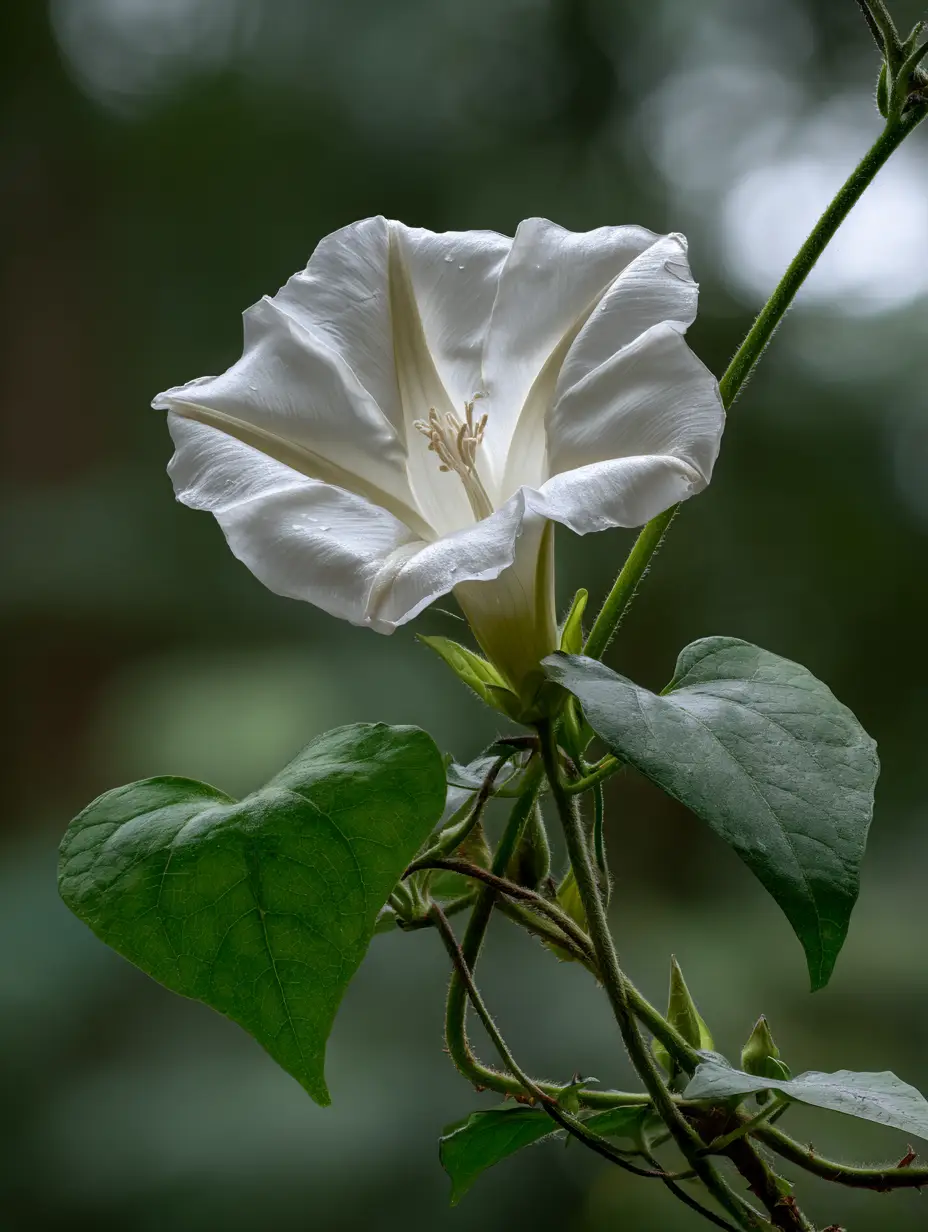
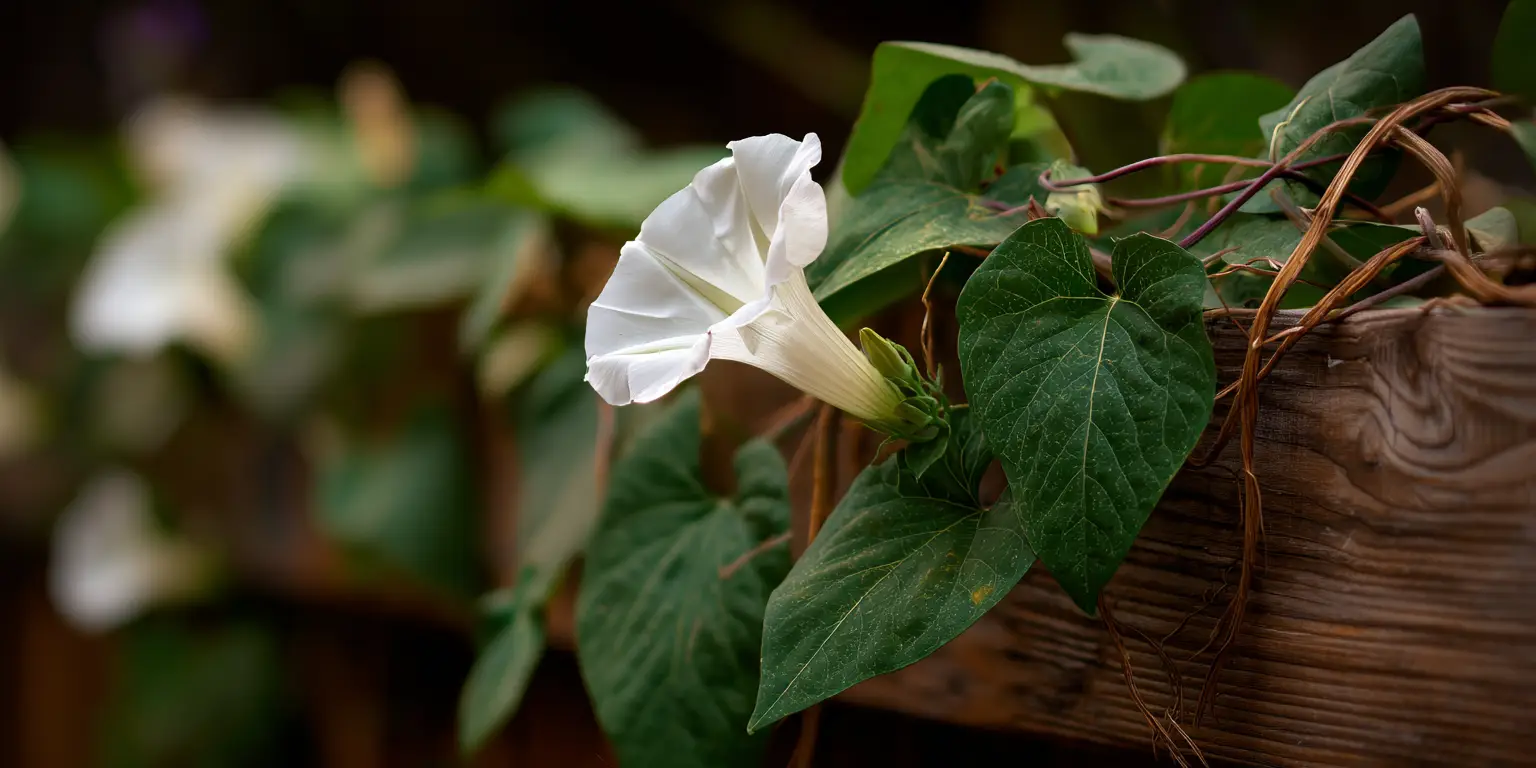
The Moonflower Plant (Ipomoea alba) is a night-blooming vine celebrated for its large, luminous white flowers that unfurl at dusk. A member of the morning glory family (Convolvulaceae), this fast-growing vine features heart-shaped green leaves and twining stems that climb vigorously. Gardeners prize the moonflower for its sweet evening fragrance and showy blooms that glow in the dark, making it a favorite for nighttime gardens. Native to tropical regions, this fragrant climber grows as a tropical perennial in warm climates but is typically cultivated as a flowering annual in cooler areas. Its enchanting blossoms and rapid growth habit have made the Moonflower Plant a popular choice for covering trellises, fences, and arbors, adding a touch of magic to summer nights.
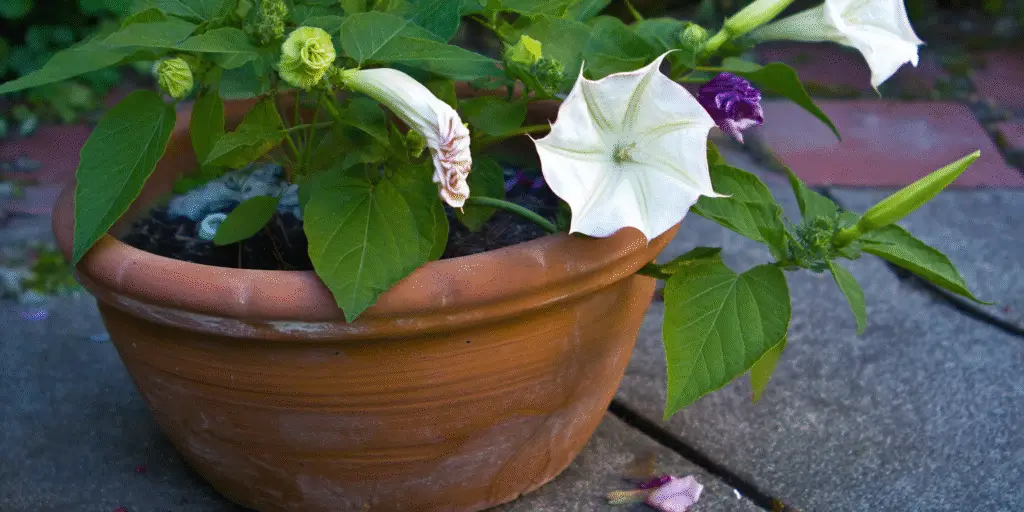
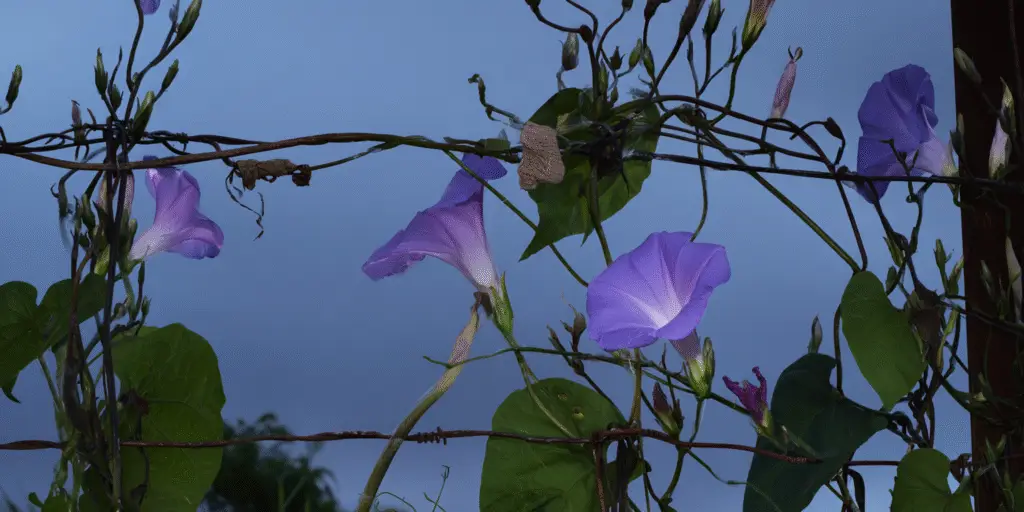

A clear, step-by-step guide to soil, planting, watering, feeding, pruning, and winter care. Includes zone timing, container tips, companions, and quick fixes for common problems.

Bouquet Ideas
Explore simple, beautiful bouquet ideas for the home, gifts, and special occasions from romantic mixes to clean, minimal styles. Each idea includes suggested flower combinations, color palettes, and sizes, with photos for quick inspiration.
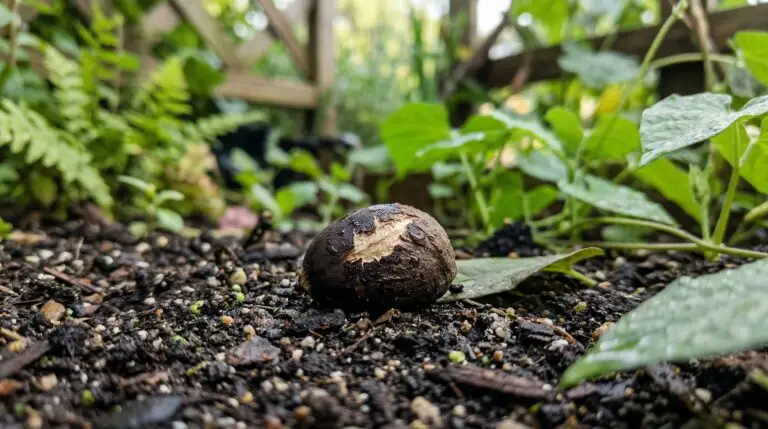
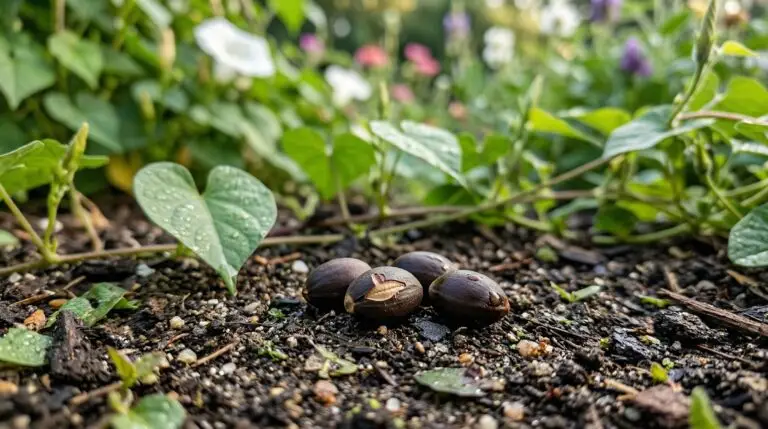
Growing moonflowers from seed and the nick-and-soak method for stubborn hard seeds
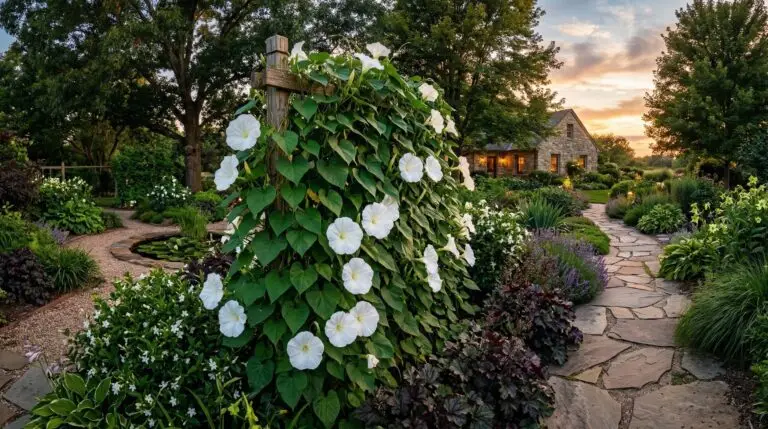
Creating a moonlight garden with moonflowers and other white flowers that glow after dark
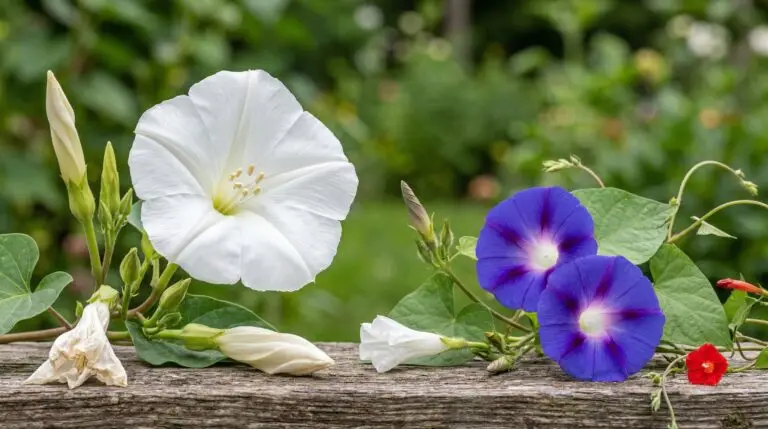
Moonflowers versus morning glories and growing both for day and night garden beauty
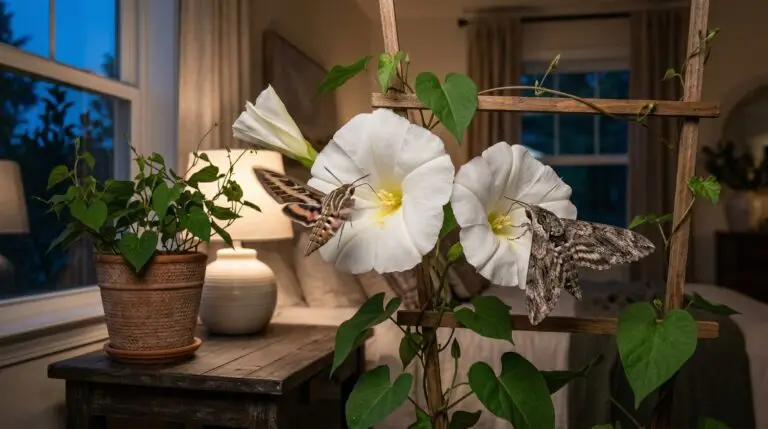
Moonflower pollinators and the fascinating world of hawk moths and night-flying creatures
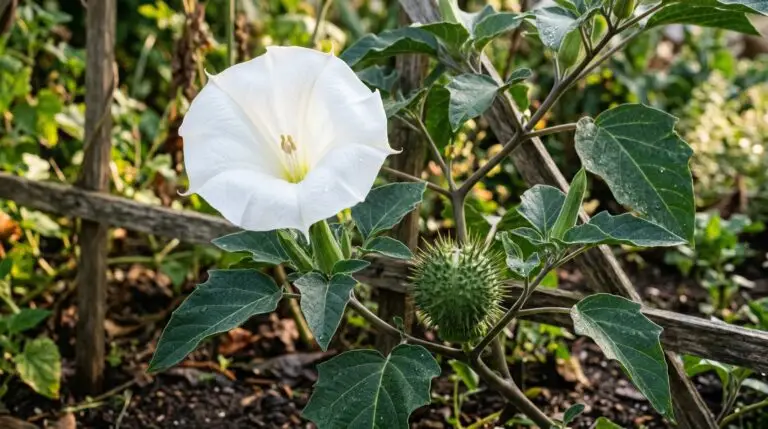
Why moonflowers are toxic and the important safety warnings for gardens with children and pets
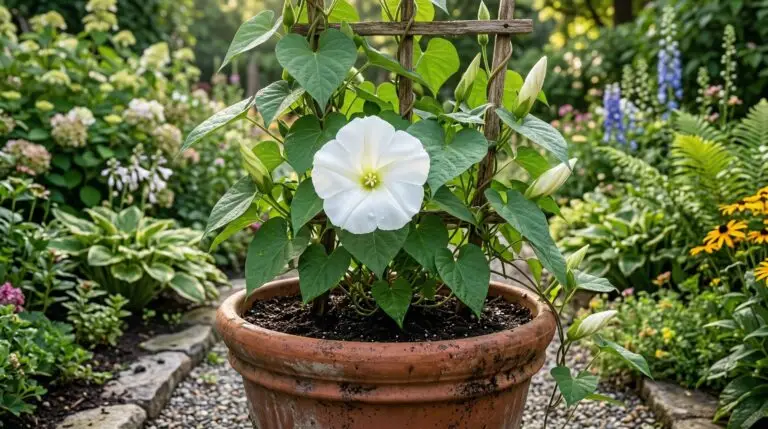
Moonflowers in containers for apartment balconies and small space evening gardens
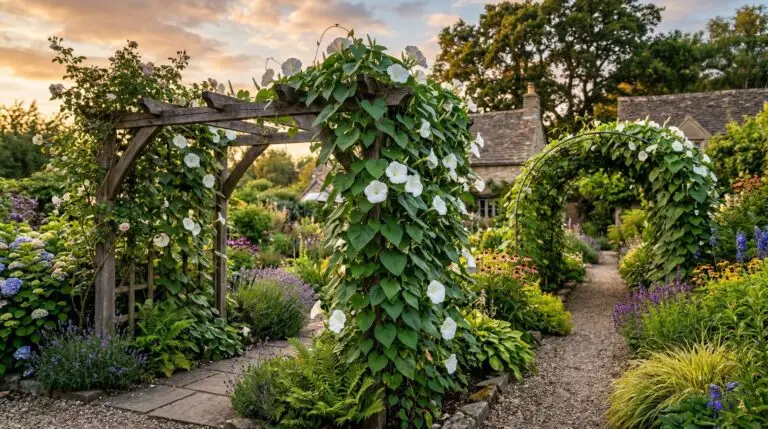
Training moonflower vines on arbors and trellises for a dramatic nighttime garden feature
How to grow moonflowers for enormous white blooms that open at dusk and glow in moonlight
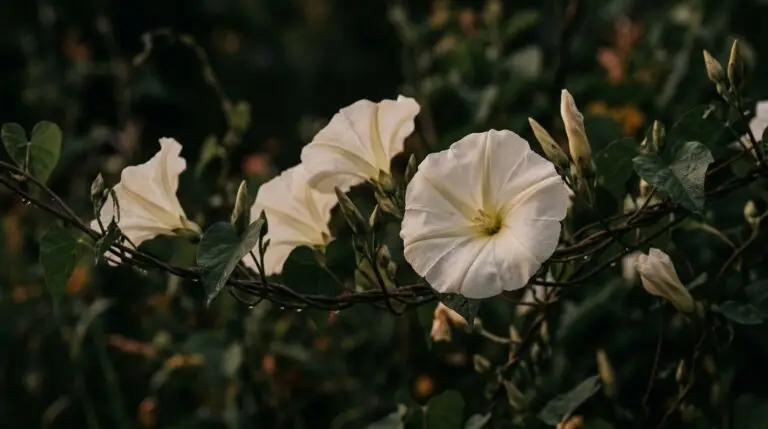
Moonflower flower meaning and the romance of night-blooming flowers in garden lore
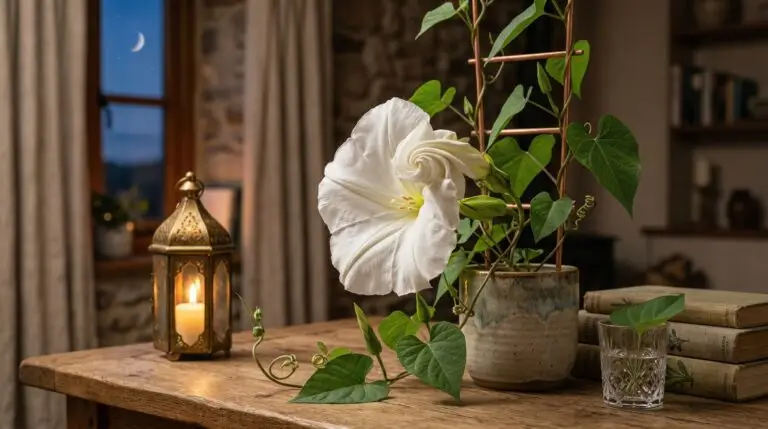
Watching moonflowers open at sunset and the garden ritual of evening flower watching
🌱 Taxonomy and origin
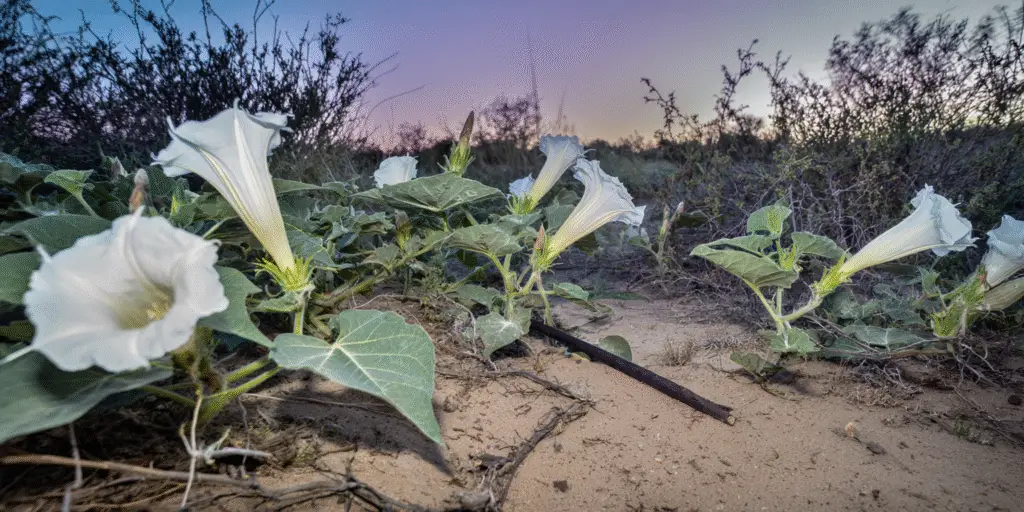
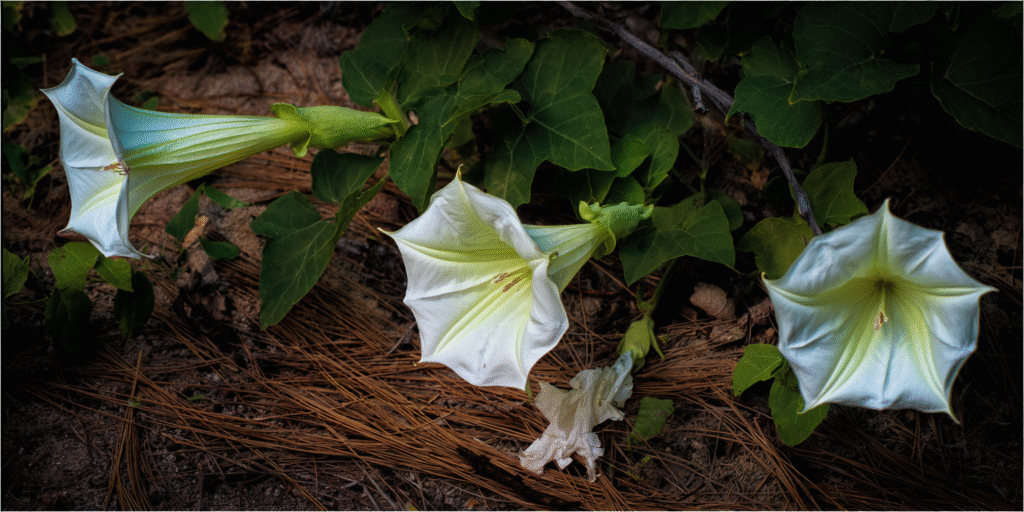
Botanically classified as Ipomoea alba, the Moonflower Plant belongs to the morning glory family. It is closely related to common morning glories (genus Ipomoea) known for their blue and purple blooms, although moonflower stands out with its pure white, nocturnal flowers. The species name “alba” means “white,” a nod to its bloom color. This vine is also commonly called moon vine or tropical white morning glory. Ipomoea alba is native to tropical and subtropical parts of the Americas, including Florida, Mexico, Central America, and South America, where it grows in warm, humid habitats like wetlands and forest edges. As a tropical species, it thrives in heat and humidity. Gardeners in temperate regions have embraced moonflower as an ornamental annual since it can quickly cover structures in a single growing season. Notably, “moonflower” can also refer to an unrelated plant in the nightshade family (Datura species), but the moonflower vine Ipomoea alba is distinct as a twining climbing vine with evening blooms.
🌸 Bloom time
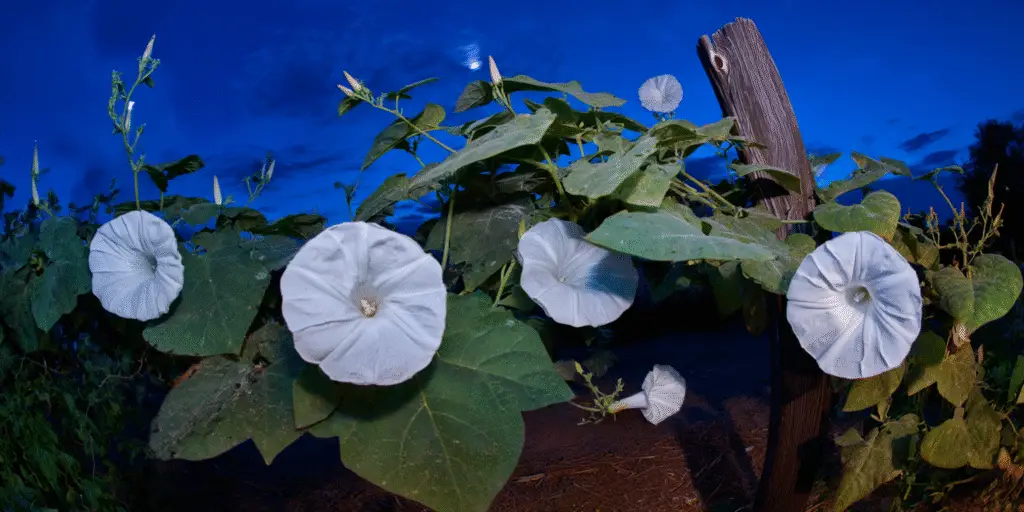
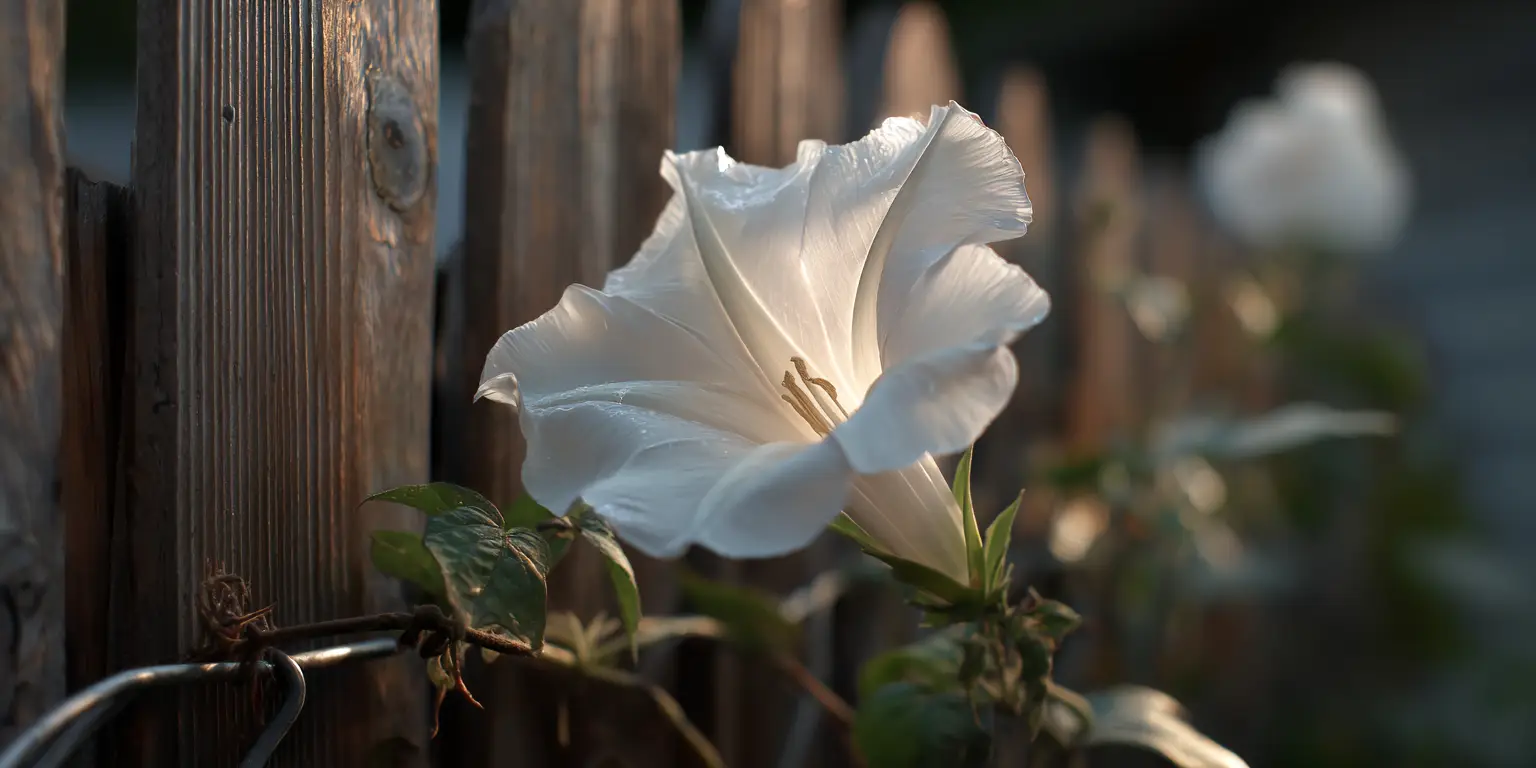
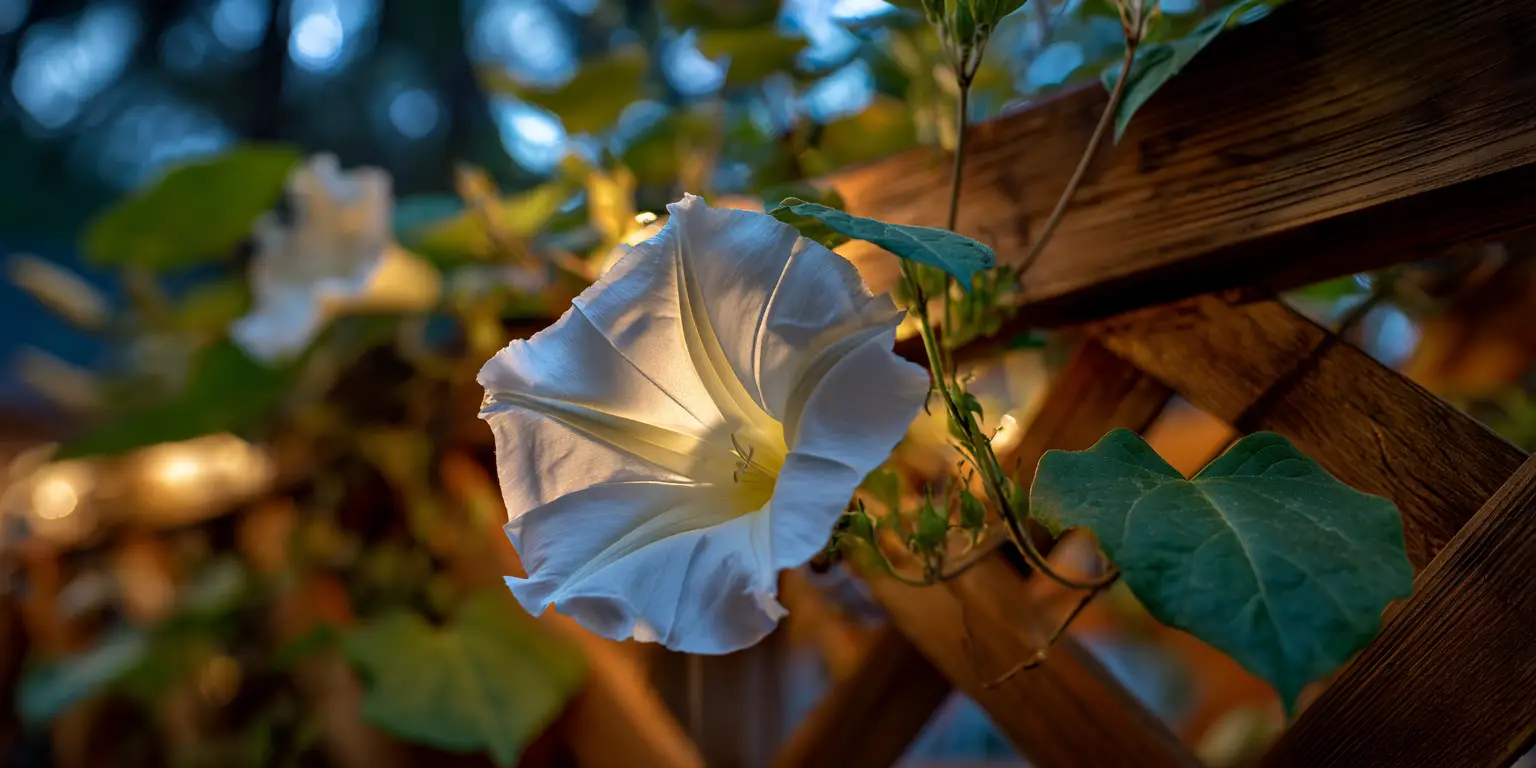
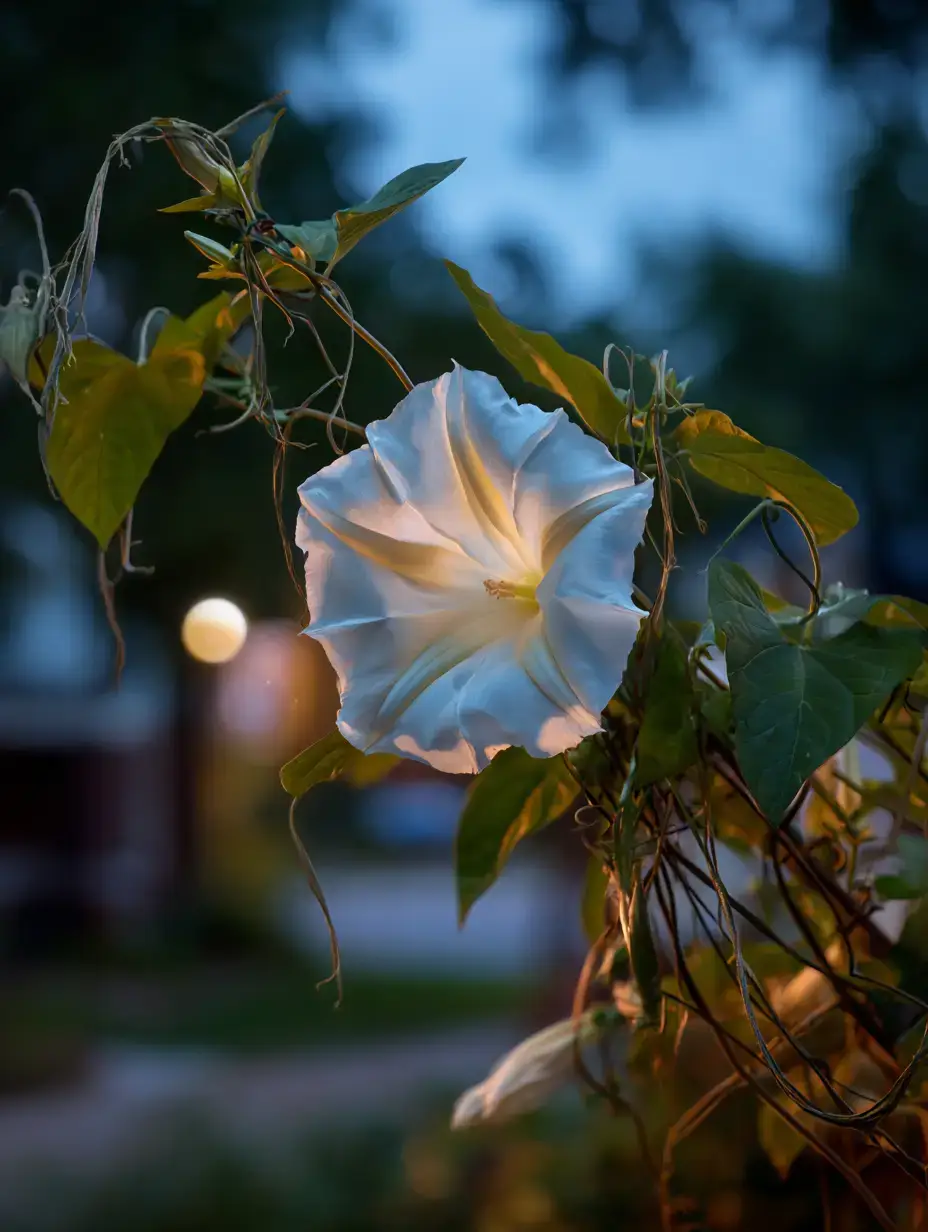
Moonflower vines are evening-bloomers, with flowering typically beginning in mid to late summer and continuing into fall. The plant requires warm weather and long days to start producing buds, so blooms commonly appear from July through October in most temperate gardens. Each elegant white bloom opens at dusk, often right as twilight falls, unfurling from a tightly wound, spiraled bud within minutes. These nocturnal flowers remain open all night, releasing a sweet fragrance, and then close or fade by the next morning’s light. The blossoms are short-lived, usually lasting only a single night, but the vine produces numerous buds in succession to provide a nightly display of white flowers for several weeks or months. Gardeners can prolong the bloom season by providing optimal sunlight and consistent care, while avoiding excessive nitrogen fertilizer (which can lead to more foliage at the expense of flowers). Deadheading spent blooms is generally not necessary for continued flowering since new buds will form regardless, but removing the spent flowers can direct the plant’s energy away from seed production and into further growth and blooming.
📏 Height and spread
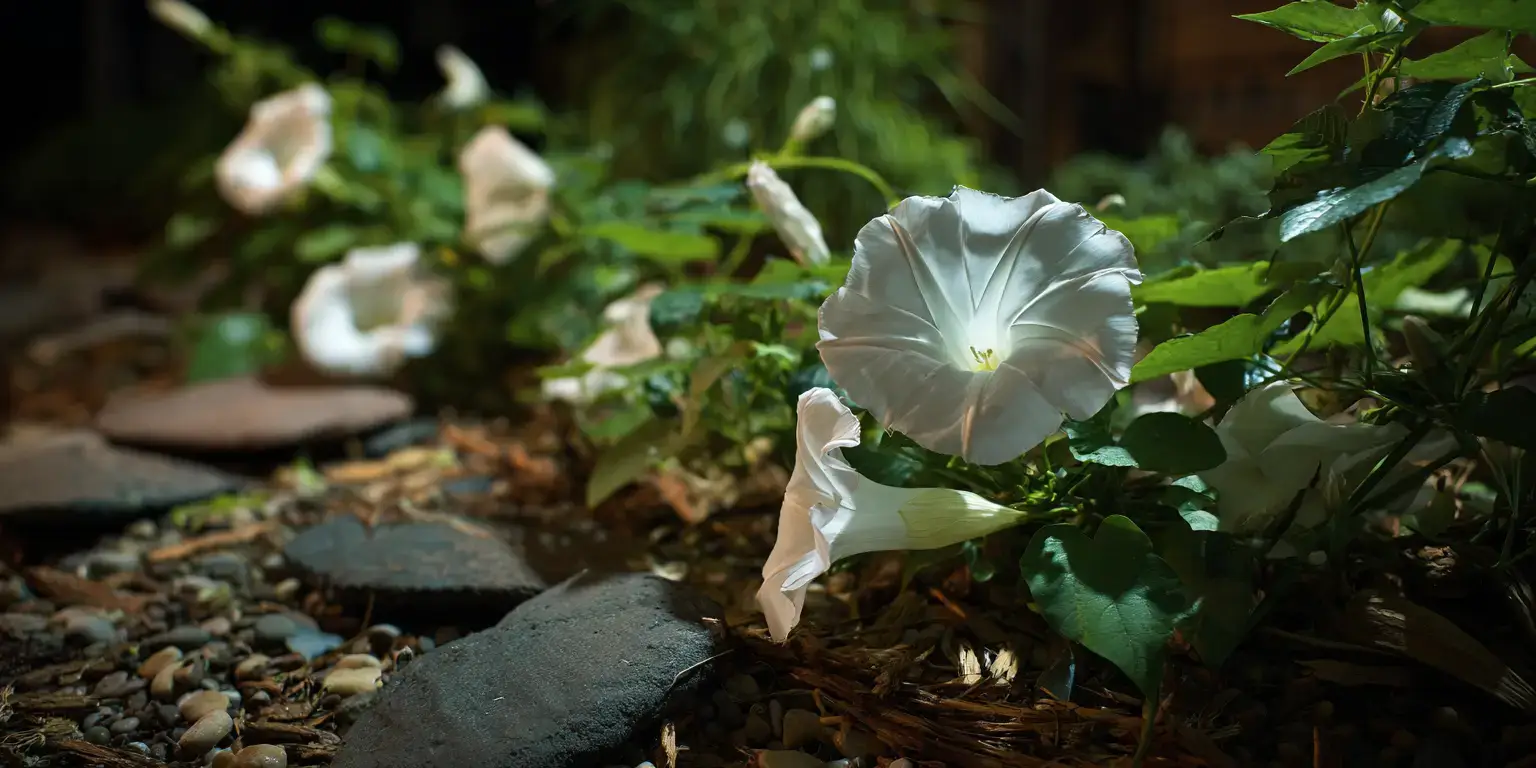
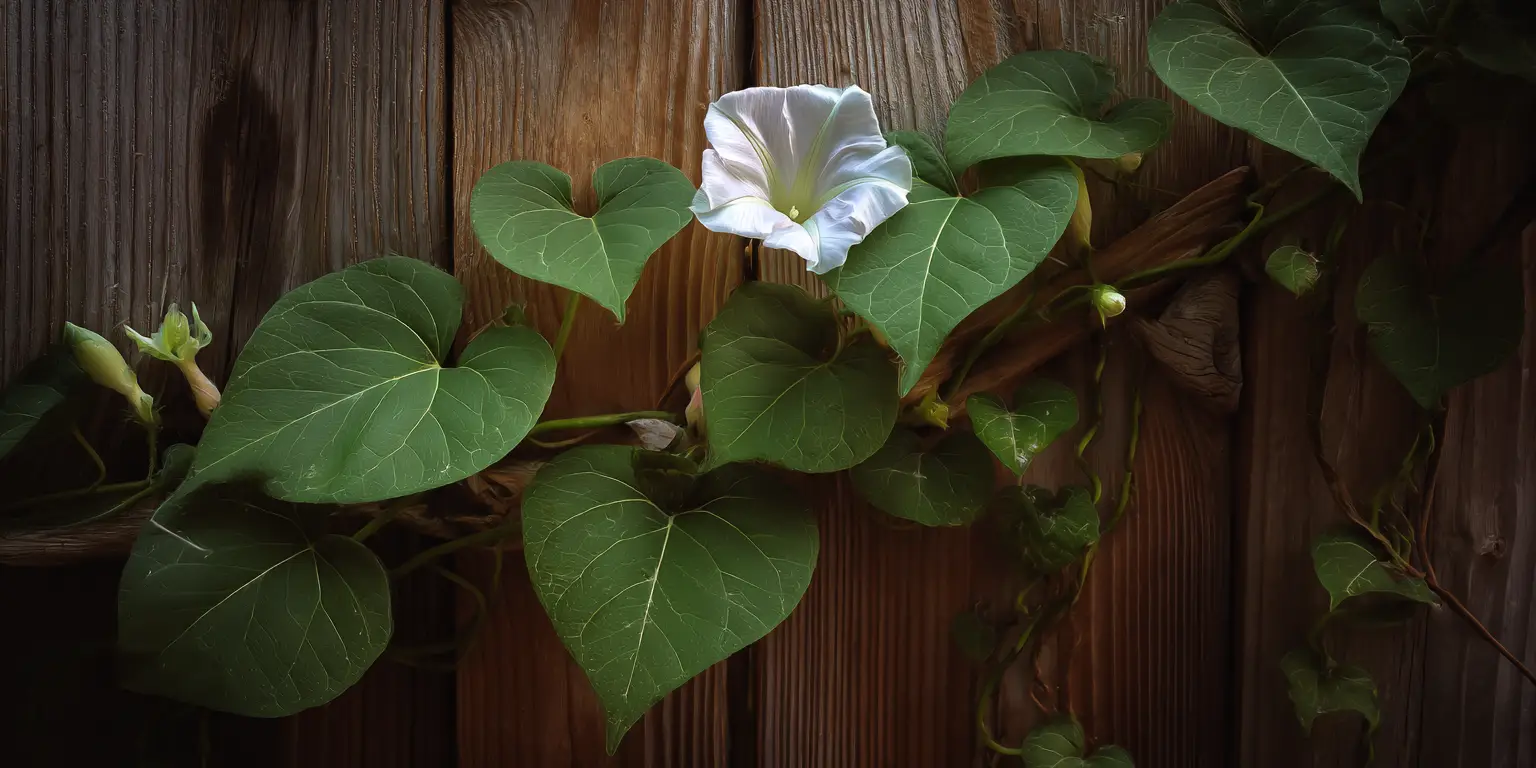
In one growing season, a moonflower plant can reach impressive lengths, making it an ideal choice for quick vertical coverage. The vine typically grows about 10 to 15 feet (3 to 4.5 meters) tall in temperate climates when started in spring, with a spread of roughly 3 to 6 feet (0.9 to 1.8 meters) wide. In optimal tropical conditions where it can grow year-round as a tropical perennial, this fast-growing vine may extend 20 feet or more over time. Moonflower climbs by twining, using its flexible stems to wrap around supports such as trellises, arbors, fences, or strings. Its growth habit is dense and vigorous, quickly blanketing structures with lush foliage. The leaves are broadly heart-shaped (about 4 to 8 inches long) and provide a thick screen of greenery. Given its rapid growth and size, ensure there is adequate space and a sturdy support for the vine to climb. While the vine’s spread (width) is usually determined by the structure it’s climbing on, its roots don’t spread aggressively underground, so it’s not considered an invasive root problem. However, in frost-free areas the vine can continue expanding each year and may require pruning or training to keep it within bounds.
☀️ Light
Moonflowers thrive in sunny conditions. Plant this night-blooming vine where it will receive full sun for the majority of the day (at least 6 hours of direct sunlight). Abundant sun exposure helps the plant accumulate the energy needed for prolific blooming later in the day. In partial shade or low-light locations, moonflower vines may grow plenty of foliage but yield fewer blooms, and buds that do form might not open as fully. In very hot climates, the vine can tolerate a bit of afternoon shade and still perform well, especially if the soil is kept moist, but generally more sun leads to better flowering. When choosing a site, consider that although the flowers open at night, the vine still relies on daytime sunlight to fuel its growth and bud development. Therefore, avoid planting in deep shade. If growing in a container, place it in a bright location. Ensuring sufficient light will reward you with more of the vine’s spectacular evening show.
💧 Water
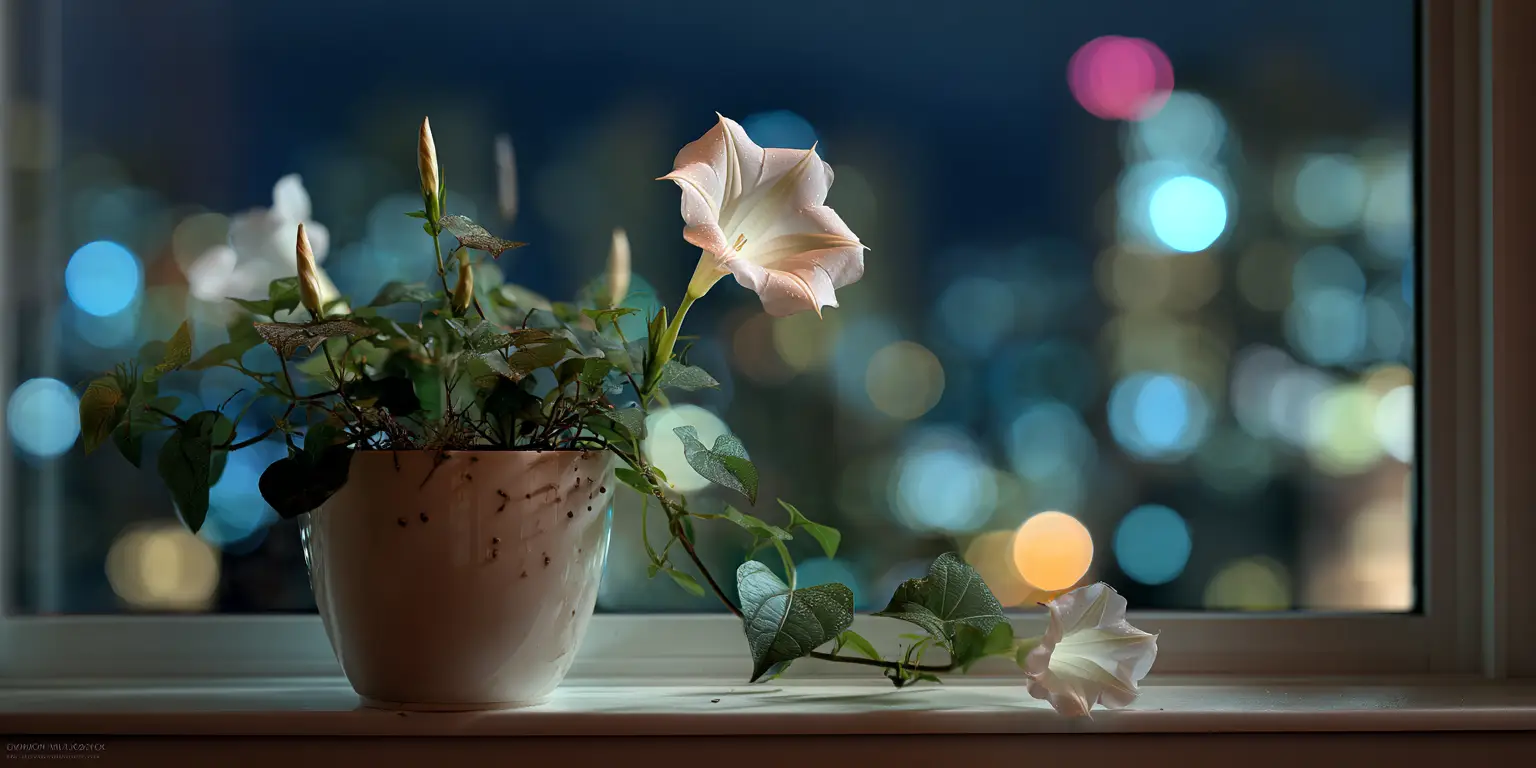
Provide a Moonflower Plant with moderate, consistent moisture for best results. This vine prefers evenly moist, well-drained soil. Water young plants regularly to help establish a strong root system-keeping the soil slightly damp (but not waterlogged) at all times. Once established, moonflower vines can handle short dry spells and are somewhat drought-tolerant, but prolonged drought will cause stress, wilting, and reduced flowering. It’s best to water whenever the top inch of soil feels dry, especially during hot summer days when the plant is growing vigorously and blooming. Take care to avoid overwatering, soggy or waterlogged soil can lead to root rot and other issues. Good drainage is crucial-if planting in a container, make sure it has drainage holes. Mulching around the base of outdoor plantings can help retain soil moisture between waterings. In summary, aim to keep the soil consistently moist but never saturated. Proper watering will support the vine’s lush growth and continuous production of buds.
🌍 Soil and pH
Moonflower vines grow well in a variety of soil types as long as the soil is well-draining. They prefer rich, loamy soil with plenty of organic matter, which provides nutrients for their rapid growth. However, these adaptable vines can tolerate average garden soil and even sandy or clay soils, provided excess water can drain away. Amending planting beds with compost can improve poor or compacted soils, ensuring the roots have both nutrients and aeration. Soil pH is not a critical issue for moonflowers – they do well in slightly acidic to neutral conditions, roughly in the 6.0 to 7.5 range. They have been known to tolerate somewhat alkaline soils too (into the low 8.0 range), though extremely high alkalinity or acidity may limit nutrient availability. If planting in a container, a general-purpose potting mix enriched with compost will work fine. Avoid soils that stay waterlogged, as standing water around the roots will harm the plant. Overall, provide fertile, well-drained soil for the moonflower to ensure healthy roots and abundant blooms.
❄️ USDA hardiness
Moonflower is a tender tropical perennial vine that can survive year-round only in warm climates. It is winter hardy to about USDA Hardiness Zones 10 through 12, meaning in those frost-free or nearly frost-free regions, the plant can live for multiple years. In zones 9, especially 9b, it may survive mild winters or die back and regrow if freezes are light and brief. In any region colder than zone 9, moonflower cannot withstand winter frost and is grown as an annual. Gardeners in temperate zones (Zones 8 and below) typically sow new seeds each spring, enjoying the vine during the summer and early fall, then replanting the following year. If you live in a borderline zone where occasional frosts occur, you might extend the life of a moonflower by growing it in a large pot and bringing it indoors or into a greenhouse over winter. However, indoor overwintering can be challenging, as the vine prefers outdoor conditions and can become stressed or spindly indoors. Because moonflower grows quickly from seed, most gardeners simply start fresh each year in non-tropical climates. Always wait until all danger of frost has passed in spring before planting moonflower outdoors, as cold can damage young plants.
🌼 Propagation and longevity
Moonflower is most commonly propagated by seed. The large seeds (produced in round, dry seed pods after the flowers fade) germinate readily with a bit of preparation. For best results, the hard seed coat should be nicked with a file or knife, or the seeds can be soaked overnight in warm water before planting. This scarification process allows moisture to penetrate and speeds up germination. Start seeds indoors approximately 6 to 8 weeks before the last expected spring frost if you want an early start, plant each seed about 1/4 inch deep in seed-starting mix. Keep the soil warm (around 70 to 85°F) and moist until germination, which typically occurs in 1 to 2 weeks. Once seedlings have a couple of true leaves and the weather has warmed past any frost danger, they can be transplanted outside. Alternatively, seeds can be sown directly in the ground after the last frost, but vines started this way may not bloom until late summer.
Though less common, moonflower can also be propagated from cuttings. Softwood stem cuttings can root in warm, humid conditions, but success rates are lower and it’s generally easier to grow new plants from seed. In warm climates, moonflower vines may self-seed in the garden-volunteer seedlings might pop up the next growing season from seeds dropped the previous fall.
In terms of longevity, Ipomoea alba is a short-lived perennial in tropical regions, often growing aggressively for a few years but not known for great longevity beyond that. Many vines will become woody and less vigorous with age. Gardeners in frost-free areas may rejuvenate older plants by pruning or may choose to replant from fresh seeds every few years to maintain vigorous growth and abundant flowering. In temperate zones, the life cycle is just one growing season. Fortunately, the Moonflower Plant’s rapid growth means even a single-season vine can reach impressive size and bloom heavily before frost arrives.
👃 Fragrance
One of the most enchanting features of the moonflower is its fragrance. The fragrant climber lives up to its name each evening as its blossoms open and release a sweet, heady perfume into the night air. Many gardeners describe the scent as a blend of sweetness with hints reminiscent of tropical flowers like jasmine or gardenia, often with a subtle vanilla undertone. The aroma is strong enough to be noticeable several feet away, especially on warm, still evenings. This delightful perfume not only appeals to people but also serves an ecological purpose: it attracts night-flying pollinators. Moths, including species like the sphinx or hummingbird moth, are drawn in by the moonflower’s nighttime fragrance and bright white blooms. If planted near a patio, bedroom window, or seating area, the vine’s evening scent can be enjoyed as a natural night-time air freshener. By morning, as the flowers close, the fragrance fades. For those cultivating a sensory or moonlight garden, the Moonflower Plant is an ideal choice, offering an unforgettable evening fragrance that enriches the nighttime garden experience.
⚠️ Toxicity and pet safety
Like many morning glories, the Moonflower Plant contains compounds that can be toxic if ingested. All parts of Ipomoea alba are somewhat poisonous to humans and animals, but the seeds in particular hold the highest concentration of toxic alkaloids. These indole alkaloids (similar to those in certain other morning glory species) can cause symptoms such as nausea, vomiting, and hallucinations if a significant quantity of seeds are eaten. In cats, dogs, and horses, ingestion of moonflower (especially the seeds) may lead to digestive upset, disorientation, or other neurological signs. For this reason, it’s important to keep pets and curious children from consuming any part of the plant. Fortunately, cases of poisoning are rare since the plant doesn’t have a pleasant taste and the thick, hard seeds are not easily eaten accidentally. Still, gardeners should exercise caution by promptly disposing of spent flowers and seed pods if pet safety is a concern. On the skin, moonflower sap or handling the plant typically does not cause irritation (unlike some other night-blooming species), so normal gardening contact is safe.
It’s worth noting that the common name “moonflower” is also used for a poisonous nightshade plant (genus Datura, sometimes called moonflower or Jimson weed) which has a much higher toxicity. Ensure you do not confuse the two: Datura moonflowers are shrubby and have spiny seed pods, whereas Ipomoea alba is a vine with smooth seed capsules. In summary, while the moonflower vine is a beautiful plant, it should never be eaten by people or pets.
🌿 Vase life
Moonflower blooms are breathtaking but fleeting, and this characteristic affects their usefulness as cut flowers. Once picked, the delicate blossoms tend to wilt quickly. A moonflower bloom opened on the vine in the evening will typically last only until the following morning even under ideal conditions, and in a vase it may droop even sooner. As a result, these flowers are not well-suited for traditional long-lasting floral arrangements.
If you wish to enjoy moonflowers indoors, one approach is to cut stems with unopened buds in the late afternoon and place them in water. With a bit of luck, the buds may open in the vase after dusk, allowing you to experience their beauty and fragrance for the night. However, by the next day, the blooms will likely have closed and begun to wither. There is also a risk that moving the plant or cutting the buds can disturb them enough that they fail to open. Overall, moonflowers are best appreciated on the living plant in the garden or container, where new blossoms can open night after night. Their value lies in creating an evening spectacle in the garden rather than serving as long-lasting cut white flowers. For indoor floral displays, gardeners often choose other longer-lived types of flowers, but may still occasionally bring in a moonflower bloom for a special one-night effect.
🐛 Pests and diseases
Moonflower vines are generally hardy and low-maintenance, experiencing few serious pest or disease issues. In many gardens, they can grow robustly with minimal intervention. Most insects find the foliage relatively unpalatable, and the plant’s rapid growth can usually outpace minor nibbling. That said, a few common pests might occasionally appear. Aphids may cluster on new growth and buds, sucking sap, which can cause distorted leaves or bud drop – these can be rinsed off with water or controlled with insecticidal soap if needed. Spider mites might infest the leaves during hot, dry conditions, leading to speckled, yellowing foliage, keeping the plant hydrated and occasionally misting the leaves can discourage mites. Caterpillars or beetles (including Japanese beetles) might chew on the leaves sporadically, but significant damage is uncommon and healthy vines can tolerate some leaf loss. Fortunately, moonflower’s leaves and vines are not a preferred food for deer, so it is often described as deer-resistant – a boon for gardeners in areas with deer pressure.
Diseases are rare on moonflower. The most important condition to avoid is waterlogged soil, which can cause root rot or stem rot. Ensure good drainage and avoid overwatering to keep the root system healthy. In very humid or rainy climates, foliage might occasionally develop fungal spots or powdery mildew, especially if airflow is poor. If so, pruning overcrowded vines to improve air circulation or applying a general garden fungicide can help, but often the plant manages fine on its own. Because the vine is an annual in most regions, disease build-up over multiple years is not usually an issue. Overall, Ipomoea alba is a low-maintenance, resilient vine with few pest or disease problems, making it an easy and rewarding plant for gardeners.
FAQ
Are Moonflower plants annuals or perennials?
Moonflower (Ipomoea alba) is perennial in tropical climates (roughly USDA Zones 9-12) where it doesn’t freeze, meaning it can live for multiple years. In cooler regions, however, it is grown as an annual because even a light frost will kill the vine. Gardeners in temperate areas replant it each spring from seed.
Do Moonflowers only bloom at night?
Yes, moonflower vines are known for their night-blooming habit. The large buds begin to unfurl at dusk and the flowers open fully during the evening, remaining open and fragrant through the night. By early the next day, the blooms close up (often wilting by late morning). They rarely open in daylight. This adaptation helps the plant attract nighttime pollinators like moths.
How large are Moonflower blooms?
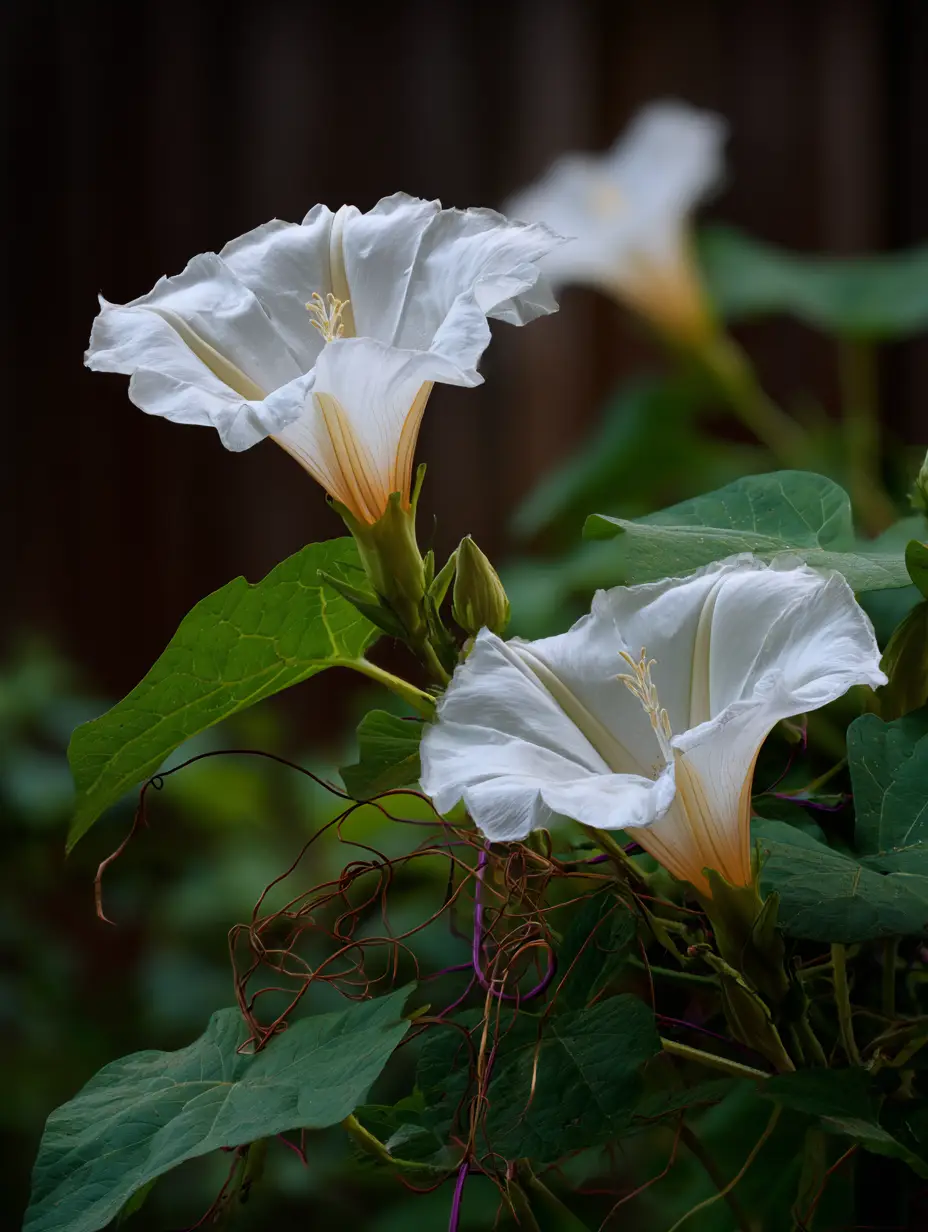
Moonflower blooms are quite large – typically around 5 to 6 inches in diameter (12 to 15 cm) when fully open. They are trumpet- or funnel-shaped with five broads, slightly overlapping petals forming a star shape. The striking size and pure white color of the flowers make them very noticeable in low-light conditions.
Why isn’t my moonflower vine blooming?
If a moonflower vine is healthy but not producing blooms, a few factors could be at play. First, make sure it’s getting enough sunlight – at least six hours of direct sun – because insufficient light can reduce flowering. Secondly, avoid giving it too much nitrogen-rich fertilizer, excess nitrogen encourages leafy growth over flowering. Poor or late blooming can also result from planting too late in the season or prolonged cool weather. Moonflowers need heat and a long growing season to bloom well, so starting seeds early (indoors, if necessary) can help. Finally, ensure the plant isn’t severely water-stressed or pest-infested, as stress can inhibit flower production.
Are Moonflower plants really fragrant?
Yes, the moonflower vine is very fragrant. Its blossoms emit a sweet, perfumed scent that is especially strong at night when the flowers are open. Many gardeners compare the fragrance to a mix of sweet tropical flowers like jasmine or honeysuckle, sometimes with a hint of spice or vanilla. The scent is one of the main attractions of growing moonflowers, as it can fill the evening garden air and also helps attract pollinating moths after dark.
How fast do moonflower vines grow?
Moonflower is considered a fast-growing climber. In warm weather, a well-cared-for moonflower vine can lengthen by many inches per week. Over a single spring and summer, it commonly reaches 10-15 feet in height (climbing up a support) if given suitable conditions. You will notice the vine rapidly sending out new twining stems and leaves during the peak of summer. Regular watering and good soil support its vigorous growth. Just be prepared to provide something for it to climb and guide the young shoots early on if needed.
Can I grow moonflowers in a pot or hanging basket?
Yes, you can grow moonflower in a large pot or even a hanging basket, but there are some considerations. Use a spacious container with good drainage, filled with rich potting mix. Because moonflower vines grow large, provide a trellis or support in the pot for the vine to climb, or situate the container next to a fence or railing that the vine can grab onto. In a hanging basket, the vines will spill over and hang, but they may also try to climb the hanger or nearby structures. Make sure to water potted moonflowers frequently, as containers dry out faster than garden soil. With enough sun, water, and nutrients, container-grown moonflowers can thrive – though they might be slightly smaller than those in the ground due to limited root space.
Is it safe to touch a Moonflower plant?
Touching or handling the moonflower vine is generally safe for people, it doesn’t typically cause skin irritation. Gardeners can prune, train, or pick flowers without issues. The main caution with moonflower (as with other morning glories) is ingestion. The plant parts, especially seeds, are toxic if eaten. So, while you can handle the plant freely, be sure that neither you nor your pets consume any part of it. Always wash hands after gardening as a routine practice, but you shouldn’t experience a rash or itch from casual contact with moonflower vines or leaves.
Do moonflowers attract any particular wildlife?
Moonflower’s night-blooming nature means it primarily attracts nocturnal pollinators. You may notice hawk moths or other large moths visiting the flowers after dark, drawn by the fragrance and bright white petals. Occasionally, late-evening hummingbird moths or early morning bees might investigate the flowers, but moths are the main pollinators. The dense foliage can also provide cover for small creatures in the garden, and in some regions, certain moth or butterfly caterpillars might nibble on the leaves (though not usually in harmful numbers). Unlike many flowers, moonflowers are not a major attractant for daytime butterflies or hummingbirds, since the blooms aren’t open during the day. And as a bonus for gardeners, moonflower vines tend to be deer-resistant, so deer usually leave them alone.
Interesting tips
- Moonflower Plant seeds have a tough coat – always soak or nick the seeds before planting to significantly improve germination rates. Patience is key, as scarified seeds will usually sprout within a week or two given warmth.
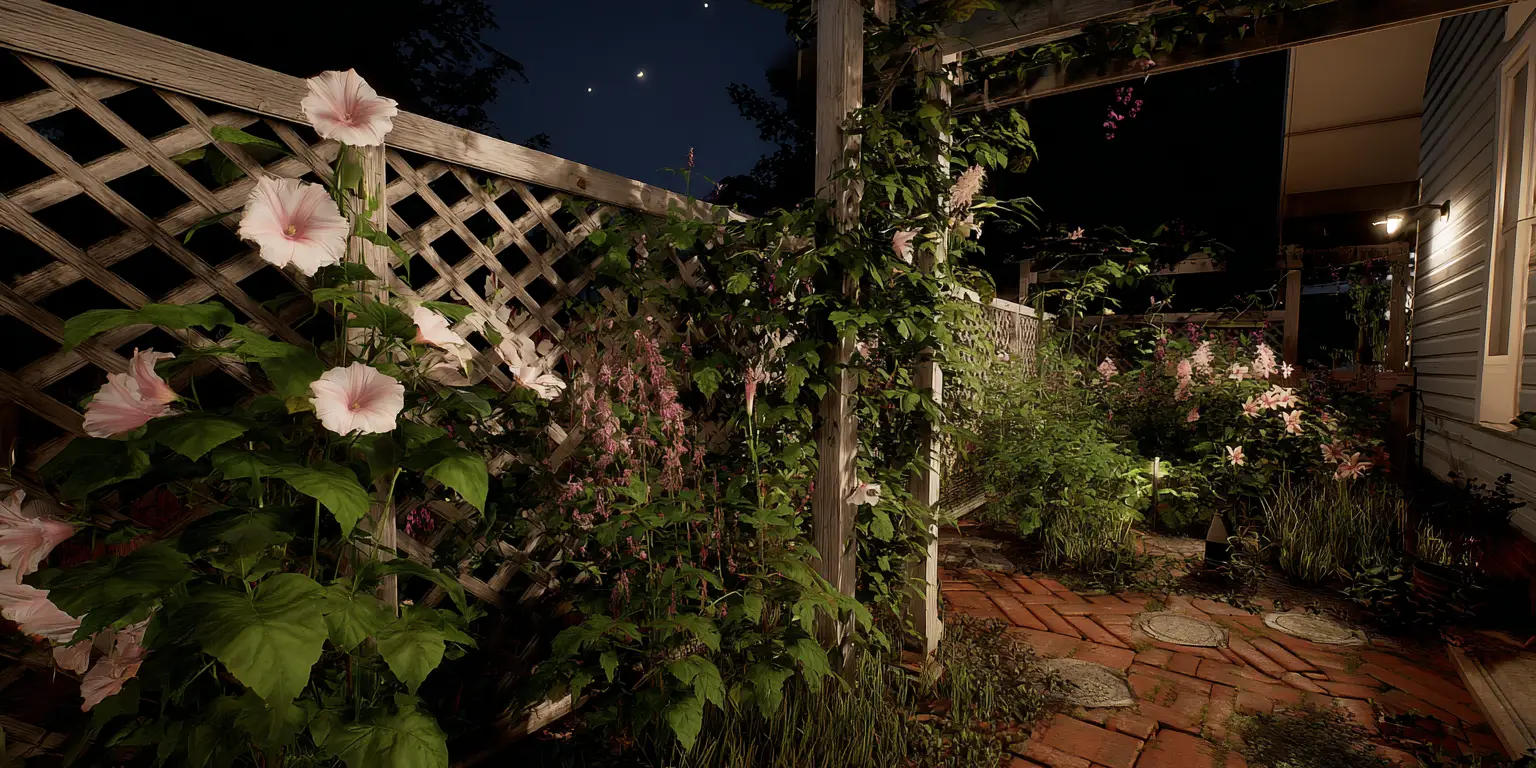
- Plant moonflowers near a patio, deck, or bedroom window to enjoy their evening presence. The combination of white flowers glowing in low light and their sweet fragrance can create a magical ambiance during summer nights.
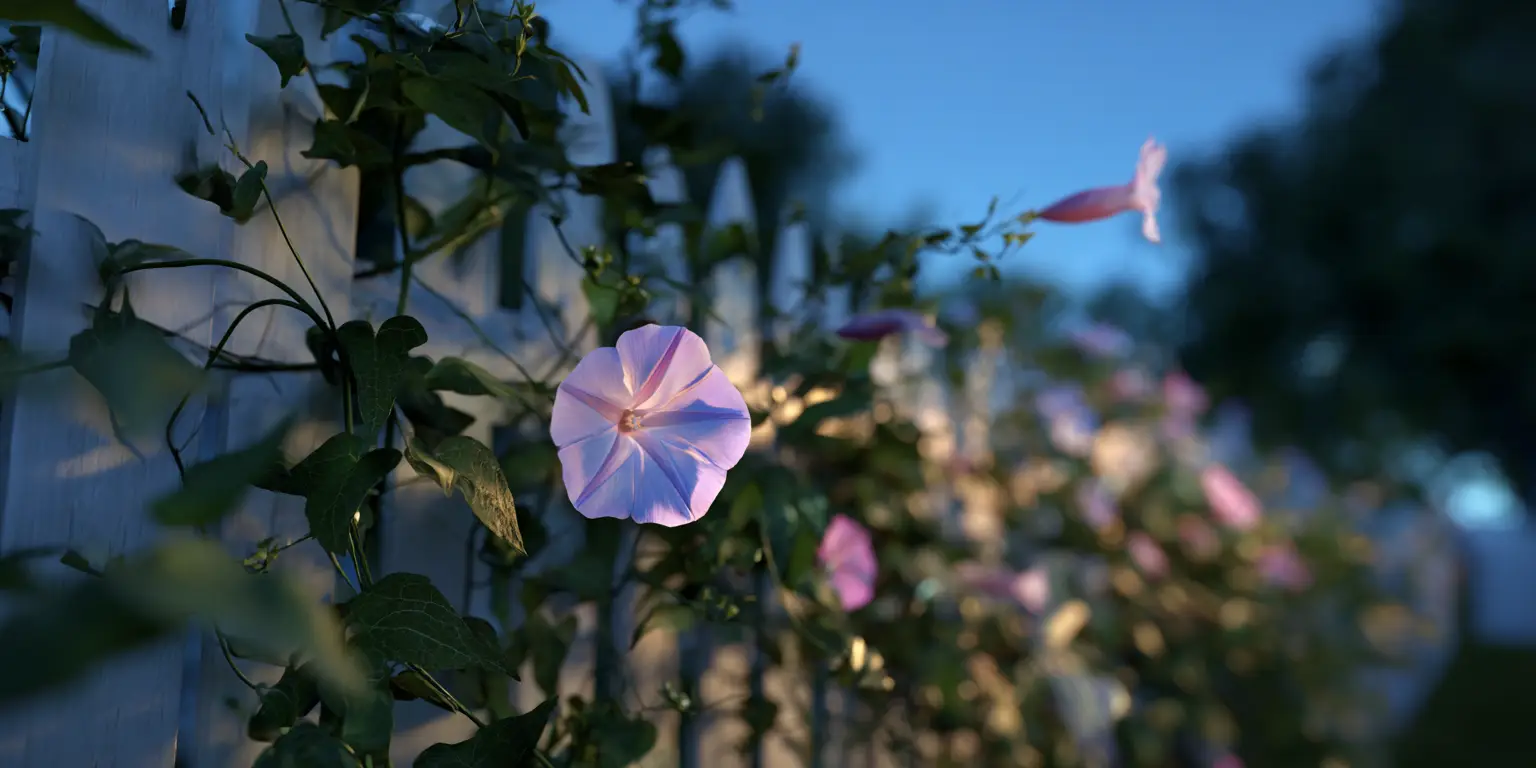
- Consider pairing moonflower vines with daytime-blooming morning glories or other climbing vines. By growing a mix, you can have blooms in the daytime (morning glories often have pink or blue flowers) and moonflowers at night on the same trellis, providing around-the-clock floral interest.
- Create a themed “moon garden” by combining moonflower with other evening bloomers and night-scented plants. Companions like night-blooming jasmine, evening primrose, four o’clock flowers, or angel’s trumpet can enhance the nighttime appeal with additional fragrance or moonlit hues.
- Because moonflower is a fast-growing vine, give it a sturdy support and plenty of room. Training it up a strong trellis or fence will help contain its growth and showcase the blooms. You can gently tie young vines to supports until they start twining on their own.
- If growing in a region with cold winters, collect the seed pods in fall before frost. Let them dry and save the seeds in a cool, dry place for next spring. This way you’ll have your own supply to replant and enjoy the Moonflower Plant year after year without needing to purchase new seeds.
- Avoid confusing the moonflower vine with the other “moonflower” (the Datura plant). While both have white, night-blooming flowers, Datura is a bushy plant that is highly poisonous and has thorny seed pods. The moonflower vine (Ipomoea alba), on the other hand, is a twining fragrant climber that is only mildly toxic but still not for consumption.
- For earlier blooms in short-summer regions, start seeds indoors and use black or dark-colored mulch or ground cover around outdoor plants to keep the soil warm. Moonflowers love heat, and warmer soil can encourage quicker growth and flowering.
Related Guides & Flowers
- Morning Glories (Ipomoea spp.) — Day-blooming cousin in the same genus; pair with Moonflower for a dawn-to-dusk vine display.
- Lily (Lilium spp.) — Large, luminous blooms (many evening-fragrant) that glow in moon gardens beneath trellised vines.
- Camellia (Camellia spp.) — Glossy evergreen structure with white cultivars that read well at dusk; great backdrop near a Moonflower arbor.
- Hibiscus (Hibiscus spp.) — Oversized tropical blooms that echo Moonflower’s drama; thrives in warm patios and containers.
- Love-in-a-Mist (Nigella damascena) — Airy, romantic texture as a soft filler around the base of climbing vines.
- Blue Flax (Linum lewisii) — Delicate, floating flowers that create a gentle haze under a white Moonflower canopy.
- Globe Thistle (Echinops) — Sculptural spheres for contrast and structure in evening borders.
References
- NC State Extension – “Ipomoea alba (Moonflower)” – Full plant profile, notes on moth pollination, culture, and seed toxicity (low severity; indole alkaloids).
- UF/IFAS Gardening Solutions – “Moonflower” – Clear overview of nocturnal bloom behavior and care basics for warm regions.
- Illinois Extension – “Moonflower | Flowers” – Concise guide with practical seed-starting advice for shorter seasons.
- Clemson HGIC – “Make a Nocturnal or Moon Garden” – Design context for evening gardens and night pollinators; a good companion reference.
Written by: Your Flowers Guide editorial team
We are a small independent group of flower lovers who research and review each guide using trusted horticultural and educational sources. Learn more about us