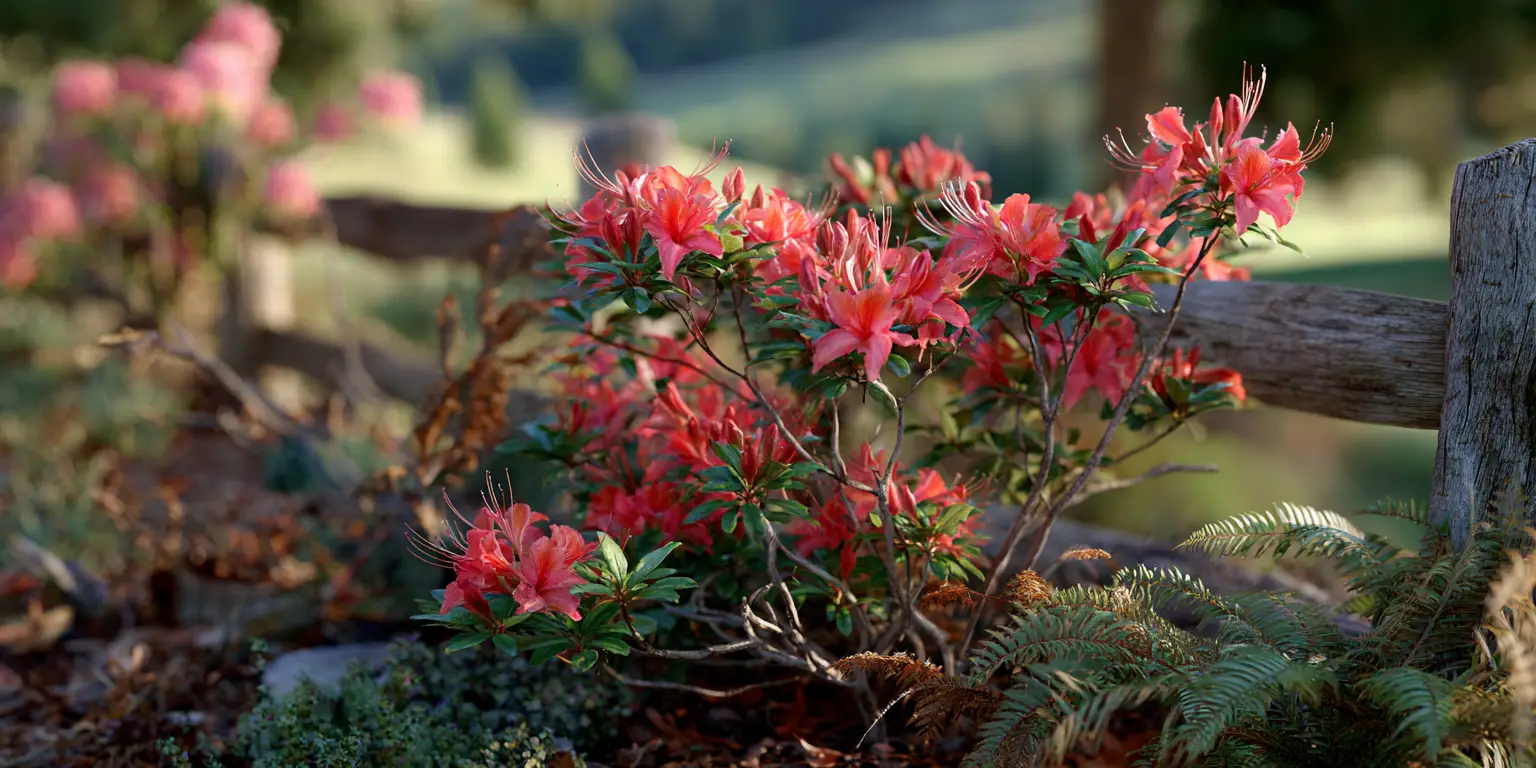
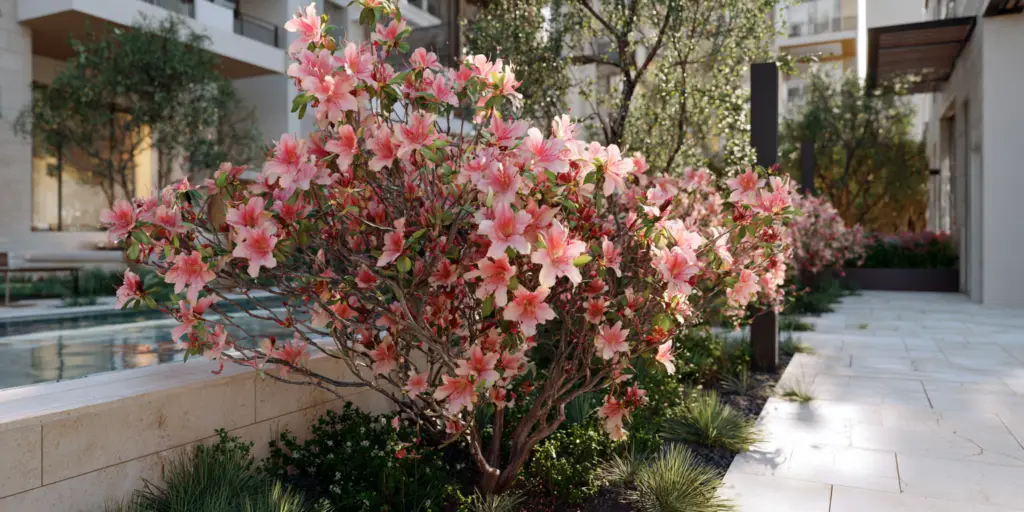
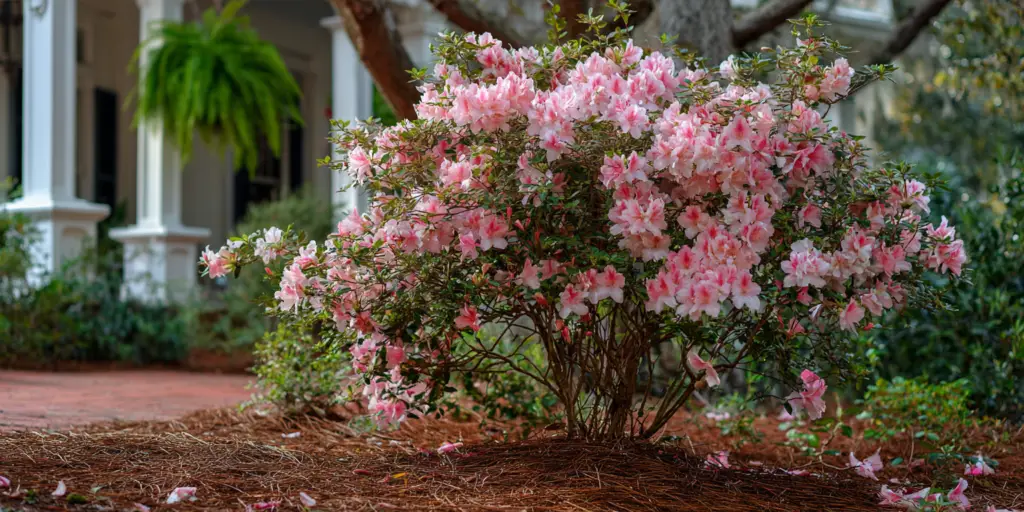
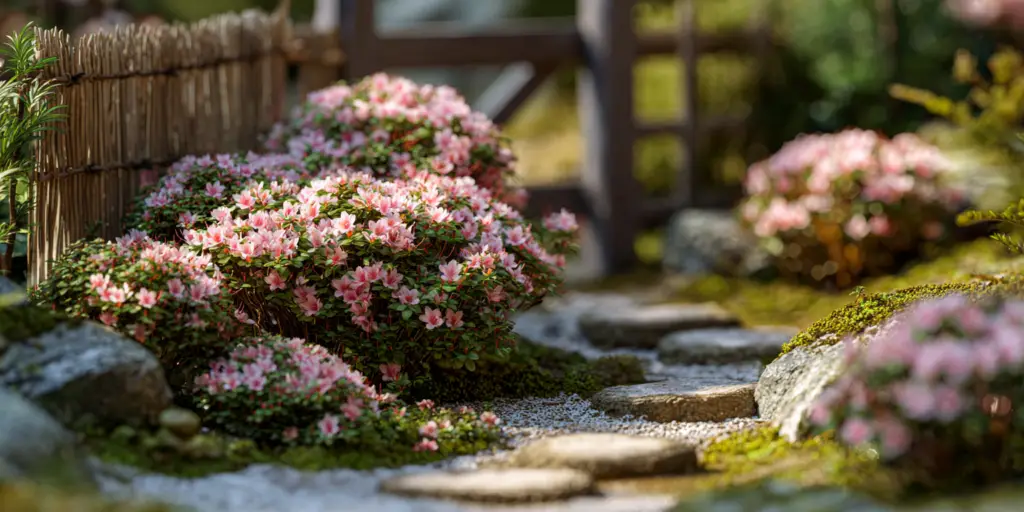
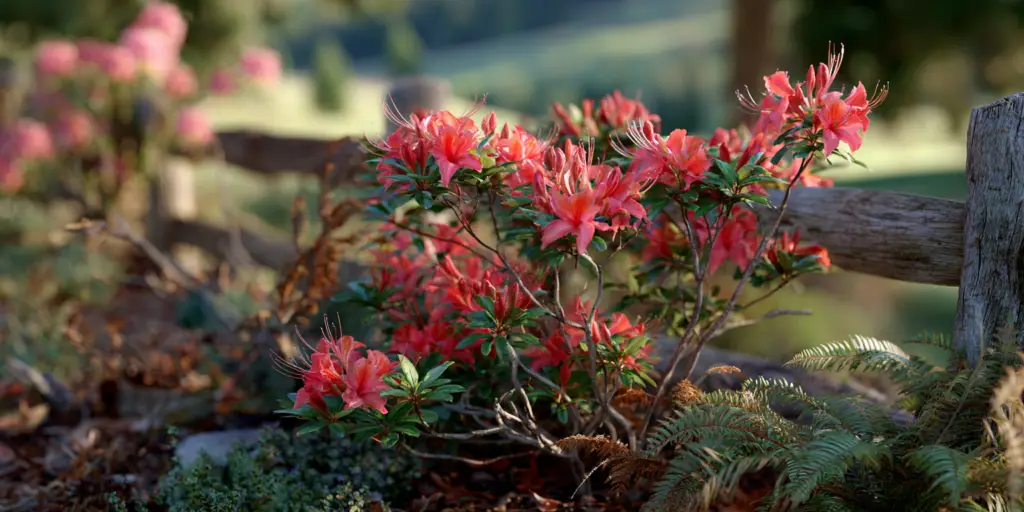
Flame azalea (Rhododendron calendulaceum) is a deciduous species native to the Appalachian Mountains. It bears non‑fragrant, funnel‑shaped flowers from late spring into early summer. Color ranges from yellow to deep orange and red, often before the plant has fully leafed out. Plants prefer open woodland light, cool roots, and acidic, well‑drained soils. Shrubs are upright and can reach small‑tree size in favored sites. This species is best adapted to cooler upland regions rather than the coastal plain.
At‑a‑glance
Group/Class: species (deciduous)
Height × spread: 4-8 ft × 8-10 ft (1.2-2.4 m × 2.4-3.0 m); occasionally taller
Bloom window: late spring to early summer
Color & flower form: funnel‑shaped flowers; yellow to orange to red; non‑fragrant
Fragrance: 0 none
USDA hardiness: USDA zones 5 to 7
Breeder / Year / Origin: wild species; native to eastern USA
Pet safety: avoid
How it differs
Native, deciduous species with later bloom than many evergreen azaleas.
Non‑fragrant flowers contrasted with scented native relatives.
Taller, upright habit compared with compact evergreen groups.
Naturally suited to cool, upland woodland conditions.
Strengths
Cold hardy into Zone 5 where soils are acidic and drained.
Attracts pollinators including butterflies and hummingbirds.
Striking warm colors and good fall foliage.
Adapted to naturalized woodland plantings.
Care in one minute
Site in sun to light shade in cooler regions; provide afternoon shade where summers are hot.
Soil: acidic and well drained; amend clay with organic matter; plant slightly high and mulch.
Keep evenly moist during establishment; avoid standing water.
Fertilize sparingly after bloom if growth is weak.
Prune lightly right after flowering as needed.
Watch‑outs
Poor performance on heavy or alkaline soils; chlorosis is common at high pH.
Not recommended for the Coastal Plain in the Deep South.
Slow to establish; protect from drought during the first years.
A southeastern U.S. native, R. calendulaceum is a key parent of many deciduous hybrid azaleas and is valued for late spring to early summer bloom in upland woodlands.
Written by: Your Flowers Guide editorial team We are a small independent group of flower lovers who research and review each guide using trusted horticultural and educational sources. Learn more about us