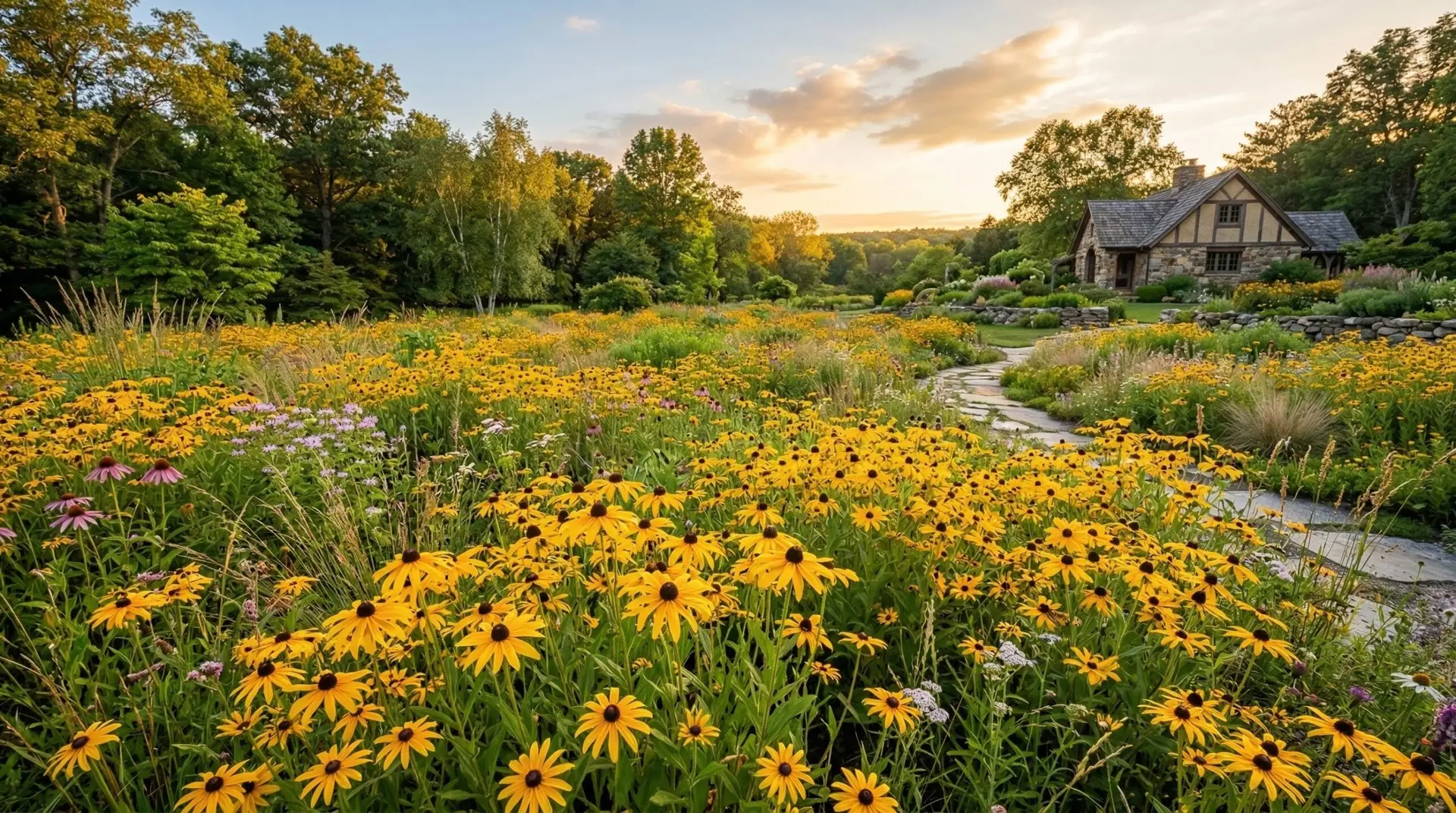
Late August morning brings a heavy dew to the rough, hairy stems of the black-eyed Susans at the edge of the driveway. A single metallic green sweat bee navigates the dark, domed center of the flower, moving methodically among the tiny florets. The petals are a flat, unyielding yellow, catching the low morning sun like coarse dyed wool. This plant is not a fragile garden specimen requiring constant intervention and rich compost to survive. It is a resilient native that thrives where the soil is poor, the sun is harsh, and the rain is scarce. A great spangled fritillary butterfly lands heavily on a neighboring bloom, its wings opening and closing in the still, humid air. The stiff stems barely register the weight of the insect, holding the golden heads high above the drying summer grasses. Observing this quiet exchange reminds me that a garden is a living system we join, rather than a static picture we paint.
Contents 3 sections
The slow work of making a meadow
Naturalizing rudbeckia requires a fundamental shift in how we measure time and success in the dirt. We are accustomed to buying a potted plant, digging a hole, and stepping back to admire our immediate handiwork. Establishing a meadow from seed is an exercise in delayed gratification, demanding a quiet faith in processes we cannot see. You begin by broadcasting seeds over bare, scratched earth just before the winter snows arrive, letting them settle into the cold ground. The seeds need the freezing, wet months to break their dormancy, a physical change that happens silently beneath the frost line. In their first spring, the seedlings emerge tiny and vulnerable, easily lost among the aggressive pasture grasses and early weeds. You must resist the urge to intervene too heavily, trusting that the deep taproots are pushing down into the dark soil while the leaves remain small. A wildflower meadow black eyed susan patch takes at least two years to reveal its true form, teaching us the value of waiting.
During that first growing season, the gardener must learn the difference between a weed and a wildflower seedling. The young leaves of the black-eyed Susan are rough and slightly fuzzy, lying flat against the soil in a low rosette. Thinning seedlings feels like a small act of cruelty, but crowded plants compete for light and water until none of them thrives. You pull the weakest plants gently from the damp earth, leaving enough space for the remaining roots to spread and gather strength. The open patches of soil may look bare to the human eye, but they are essential for the mature plants to breathe. By midsummer, the surviving rosettes have thickened, though they will not produce a single yellow flower in their first year. They are gathering energy, converting sunlight into root mass that will sustain them through the coming winter freeze. This quiet period of establishment is the foundation of a meadow that will eventually outlive the person who planted it.
Companions in the tall grass
A solitary black-eyed Susan is a beautiful thing, but the plant finds its true ecological purpose within a community. In a healthy meadow, plants rely on each other for physical support, shade, and a balance of soil nutrients. The stiff stems of the rudbeckia provide a climbing structure for delicate native vines, while their broad lower leaves shade the soil to conserve moisture. You can scatter seeds of coneflower among them, creating a drift of purple and gold that draws native bees from miles away. For early summer color while the rudbeckia is still growing, adding cornflowers provides a wash of blue that fades just as the yellow blooms begin to open. Annuals like cosmos can drift through the edges of the meadow, filling the visual gaps while the perennial roots establish their permanent territory. Beneath the soil, their roots divide the resources, with taproots reaching deep for water and fibrous roots holding the topsoil in place. The result is a dense, self-sustaining thicket that resists drought, crowds out invasive weeds, and requires no artificial fertilizer.
Finding rhythm in the mowing
Tending a rudbeckia roadside or a wild meadow involves knowing when to step back and leave the land alone. The standard practice of manicuring every square inch of green space leaves no room for the messy, vital processes of wild life. A meadow requires only one or two passes with a mower each year, timed carefully to respect the life cycles of the creatures that live there. You leave the stalks standing through the autumn and into the deep winter, resisting the urge to tidy the dead stems. The dark, conical seed heads become a vital food source for overwintering birds, drawing flocks of goldfinches that cling to the swaying stems in the snow. The hollow, dry stalks provide shelter for native solitary bees to lay their eggs safely out of the biting wind. When late winter arrives and the seeds are finally gone, you cut the dead vegetation down to the ground. This single act of clearing makes way for the spring sun to warm the soil, starting the cycle of growth over again.
As August gives way to September, the character of the black-eyed Susan begins to change. The bright yellow petals lose their rigid posture, drooping slightly and fading to the color of old parchment. The dark central cone, once tight and uniform, expands as the hundreds of individual disc flowers mature and go to seed. Spiders cast their webs between the drying stems, catching the heavy morning dew and turning the meadow into a field of silver threads. The energy of the plant is shifting downward, pulling carbohydrates back into the roots to survive the coming freeze. Even in decay, the plant possesses a stark, structural beauty that rivals the bright colors of its midsummer peak. Watching this slow decline teaches a gardener to appreciate the entire life cycle of a plant, rather than just the brief window of its bloom. The fading meadow becomes a place of quiet preparation, storing life away for the distant spring.
There is a profound comfort in watching a patch of black-eyed Susans claim a piece of neglected ground. They do not ask for our constant attention, our supplemental watering, or our chemical fertilizers to justify their space in the world. They simply send their roots down into the gravelly earth and turn the harsh summer sun into food for insects and birds. When we give them room, they multiply year after year, turning a barren roadside into a busy corridor of life. Walking past them on a late summer afternoon, you hear the low hum of bees and the dry rustle of wind through the leaves. The golden flowers mark the turning of the season, holding the intense heat of August even as the nights begin to cool. They anchor us to the rhythm of the year, steady and unbothered by the passing of human time. We do not truly grow them, but rather we make the space for them to grow themselves.
More About Black-eyed Susan
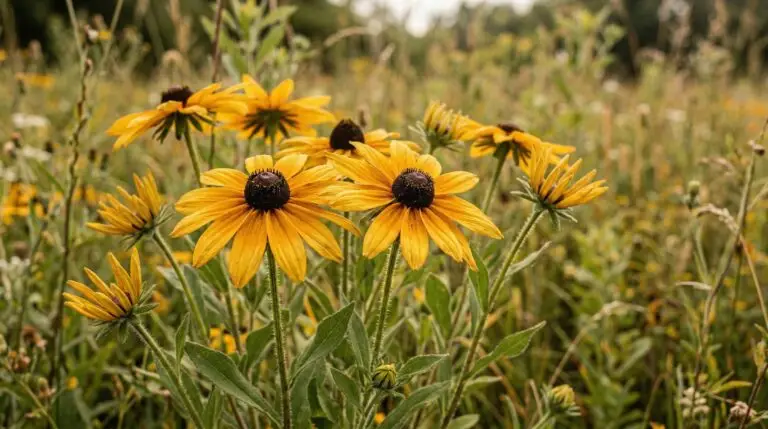
Black eyed Susan flower meaning as a symbol of encouragement and justice
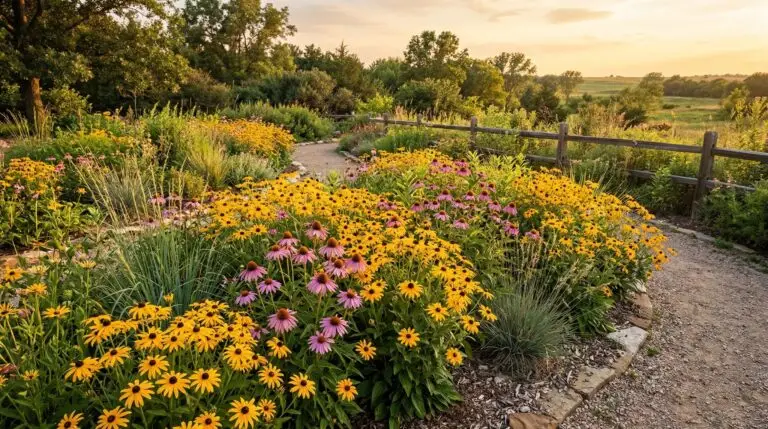
Black eyed Susan and coneflower planted together for the ultimate prairie garden
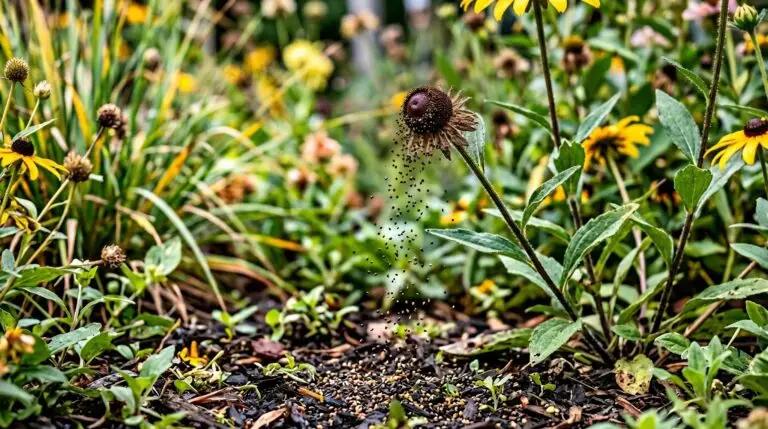
How to keep black eyed Susans from taking over your garden while still enjoying them
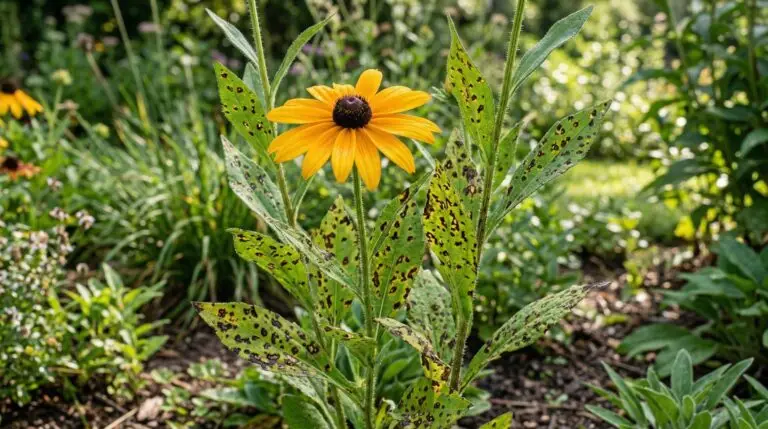
Black eyed Susan problems including leaf spot and aphids and organic solutions
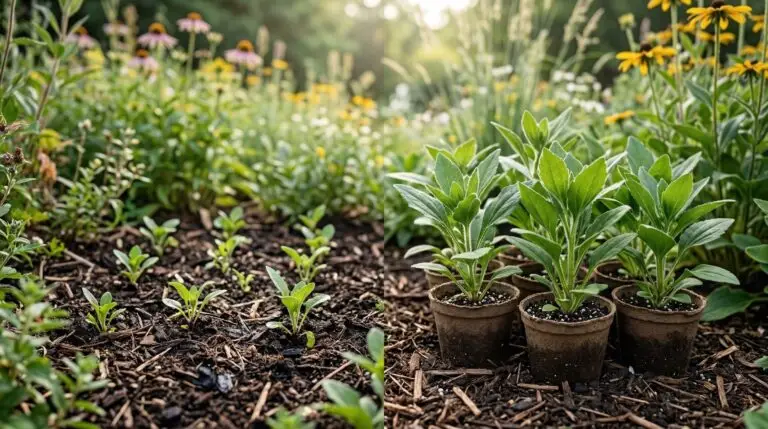
How to grow black eyed Susans from seed for masses of golden summer blooms
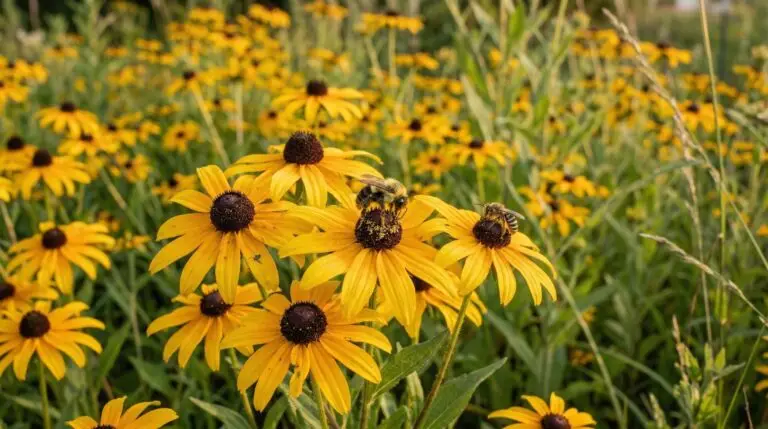
Why black eyed Susans are one of the best native plants for pollinator gardens
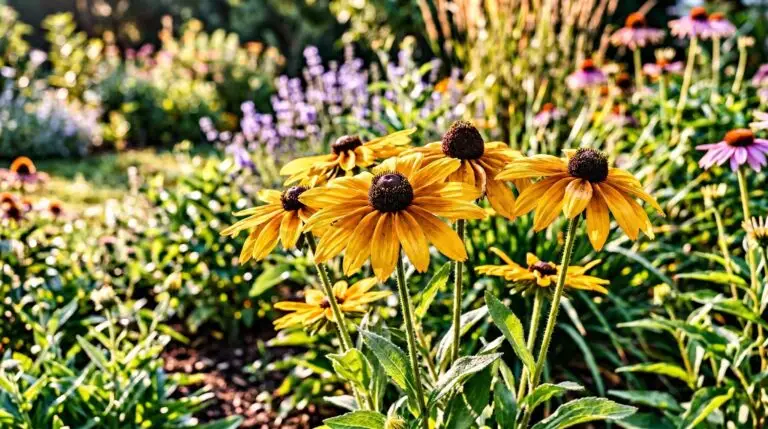
Using black eyed Susans as cut flowers for cheerful late summer bouquets
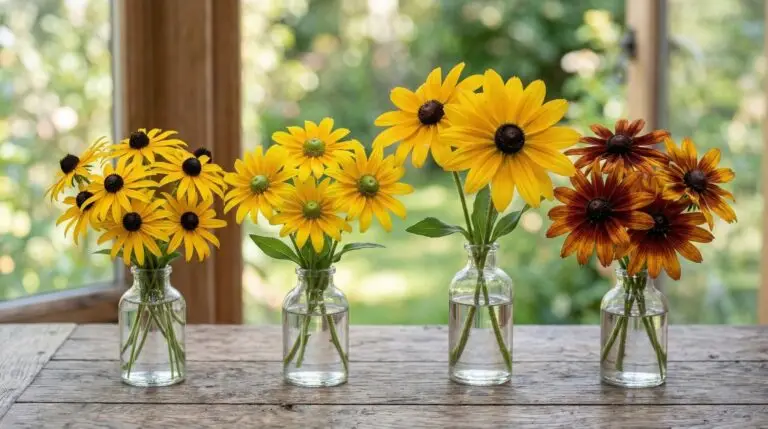
Black eyed Susan varieties from classic Goldsturm to dramatic Cherokee Sunset
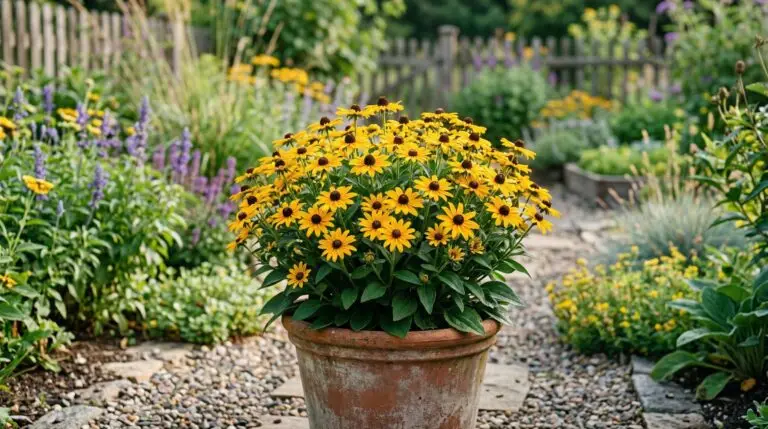
Growing black eyed Susans in containers for sunny decks and apartment balconies
Enjoying our flower guides? Add YourFlowersGuide as a preferred source on Google. It helps more readers find us.
Add to Preferred Sources