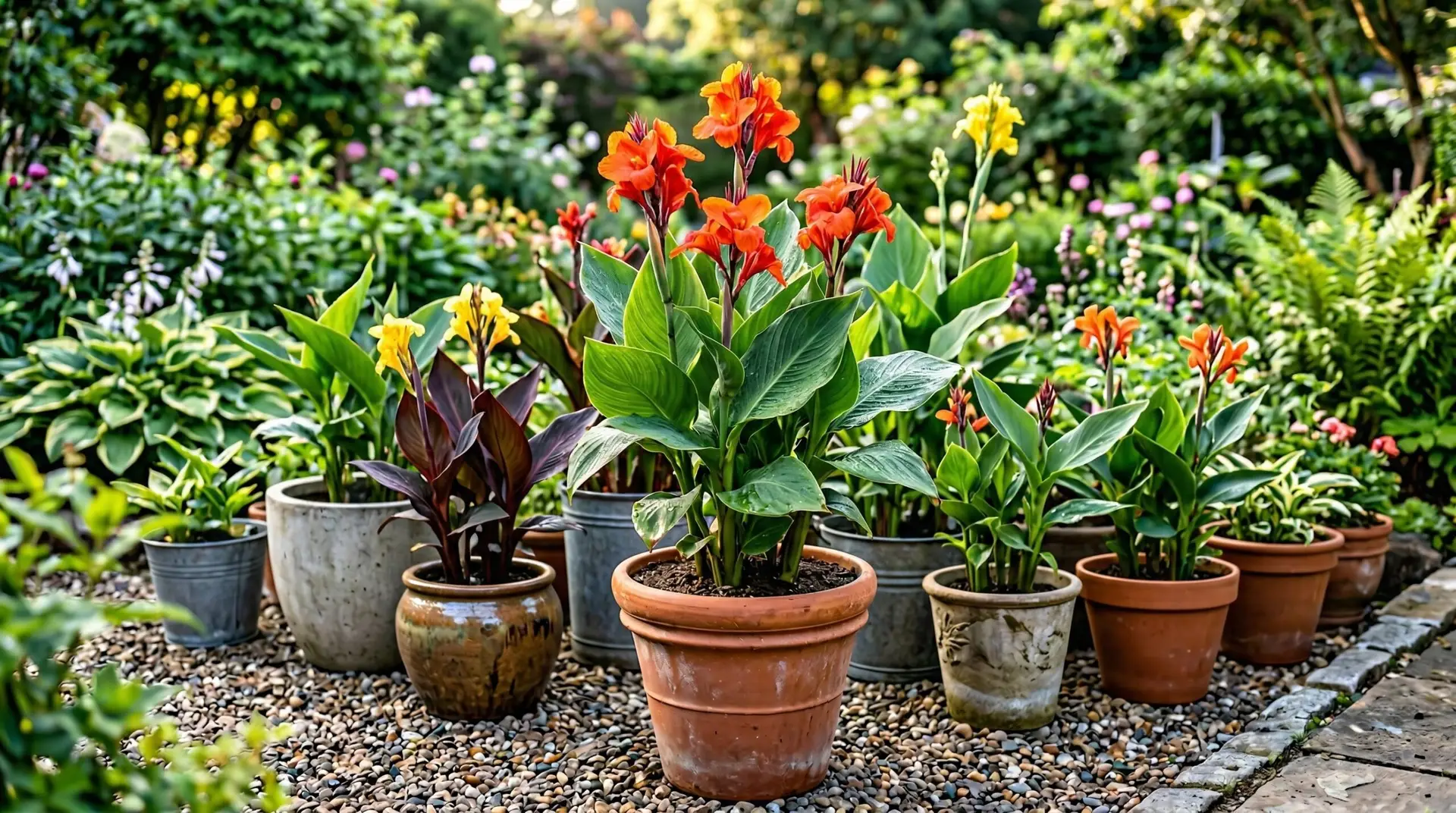
Any home gardener knows the feeling of dragging the patio furniture out in late spring and staring at a bare wooden deck or a hot concrete slab. The space always needs something tall and leafy to make it feel like an actual garden instead of a parking lot. Growing a canna in pots solves that problem faster than almost any other plant available at the local nursery. These plants shoot up from knobby little rhizomes to shoulder height in a matter of weeks when the weather warms up. After trying dozens of different patio plants over the years, the one that consistently works for instant height and color is the canna. They bring a thick, leafy look to the patio without the fuss of more delicate tropicals that wither in the afternoon sun.
Contents 5 sections
Choosing the right pot for a thirsty plant
Putting a canna patio display together starts with finding a container that can handle a massive root system. These plants are top-heavy when fully grown, and a strong gust of wind will knock over a cheap plastic pot in a heartbeat. Heavy ceramic or thick resin pots are the best choices to keep everything upright during a summer storm. The pot needs to be at least twenty inches wide and equally deep to give the rhizomes room to multiply over the season. A half-whiskey barrel from the hardware store is an affordable, heavy option that works perfectly for a cluster of three rhizomes. Drill extra drainage holes in the bottom because standing water in a pot will rot the underground stems before they ever sprout.
Dirt and food for heavy feeders
Cannas are incredibly greedy plants that need rich dirt and constant feeding to reach their full potential. A standard bag of cheap potting soil will not have enough nutrients to keep them happy for an entire summer. Mixing in a generous shovelful of compost or well-rotted cow manure before planting gives them the strong start they need. Once the green shoots break the surface of the soil, it is time to start a regular feeding schedule. A basic, inexpensive balanced liquid fertilizer applied every two weeks keeps the leaves looking dark green and pushes the plant to produce more flower stalks. If the lower leaves start turning yellow in midsummer, the plant is usually begging for more food and needs an immediate dose of liquid fertilizer.
Picking the right variety for a patio space
Walking through a garden center in spring means sorting through dozens of different canna varieties, and not all of them belong in a pot. The giant varieties that reach eight feet tall look ridiculous in a container and will spend half the summer tipping over onto the patio chairs. Dwarf varieties are the secret to a successful container canna because they top out at a manageable three or four feet. Varieties with striped or dark burgundy leaves are often better choices than plain green ones because the foliage looks interesting even when the plant is resting between bloom cycles. The foliage provides the same thick background texture as a Bird of Paradise but grows much faster in a single season. The leaves will sometimes look a bit ragged or torn after a windy day, but new ones unroll constantly from the center stalk to replace them.
Keeping the tropical show going all summer
A potted canna sitting on a hot deck in July is going to drink an enormous amount of water. Gardeners in the South may find themselves watering these containers every single day during a heatwave, while northern gardeners might get away with watering every other day. The soil needs to stay consistently damp like a wrung-out sponge, which is why those large pots are so critical for holding moisture. Pairing them in a container arrangement with heat-loving companions like Hibiscus helps create a humid microclimate around the leaves. Trailing plants like Lantana can be tucked around the base of the pot to shade the soil and keep the roots slightly cooler during the afternoon bake. Deadheading the spent flowers by snipping the stalk down to the next side shoot keeps the plant looking tidy and encourages a second flush of blooms late in the season.
What to do when winter arrives
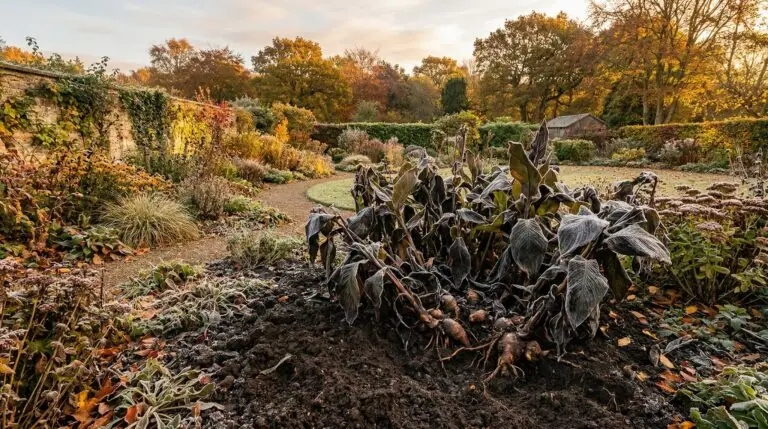
The first hard frost of autumn turns those beautiful wide leaves into black, mushy rags overnight. This looks terrible, but the underground rhizomes are perfectly fine as long as the soil in the pot does not freeze solid. Gardeners in frost-free southern zones can simply cut the dead foliage to the soil line and leave the pots exactly where they are for the winter. In northern zones, the approach changes entirely because a frozen pot means dead rhizomes by spring. The easiest method is to cut the stalks down, let the soil dry out slightly, and drag the entire pot into an attached garage or unheated basement. If the pots are too heavy to move, digging the rhizomes out of the dirt, brushing them off, and storing them in a cardboard box with dry peat moss is a reliable backup plan.
Spring arrives eventually, and those stored rhizomes will be ready to go back out on the deck. The first few weeks after planting are always slow, and the bare dirt might make it seem like the rhizomes are completely dead. They are not dead, they are just waiting for the soil temperature to warm up enough to trigger new root growth. Give them time, keep the soil barely moist until the first shoots appear, and then ramp up the watering routine. Growing these plants year after year becomes a predictable, reliable rhythm that turns an empty patio into a green retreat without spending a fortune at the nursery every May.
More About Canna Lily
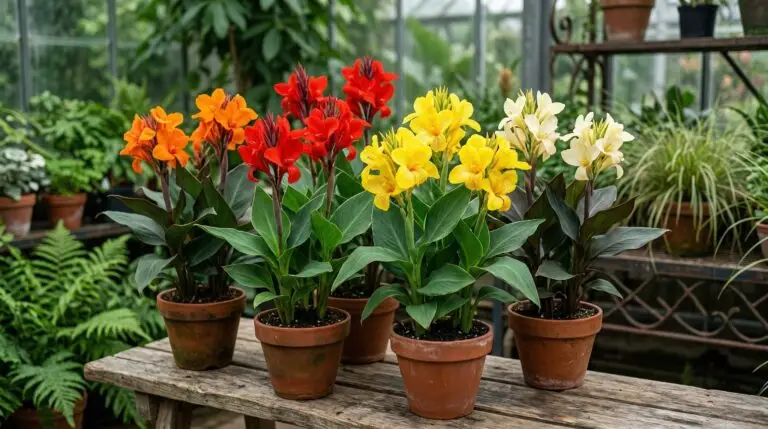
Dwarf canna varieties perfect for small gardens and front-of-border planting
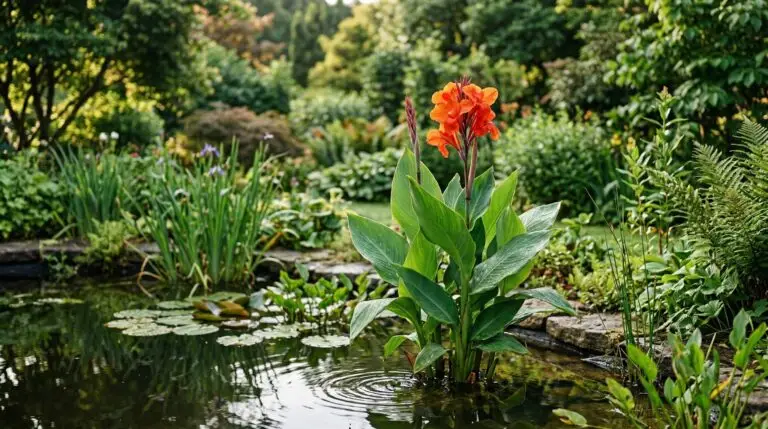
Growing cannas in water gardens and bog conditions for a lush waterside display
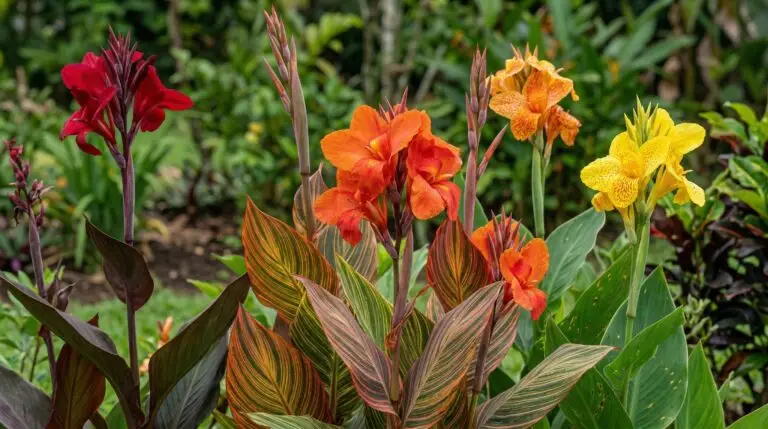
Best canna lily varieties for stunning foliage including dark-leaved and striped types
How to overwinter canna lily bulbs in cold climates and replant them in spring
Canna lily flower meaning and its tropical symbolism of beauty and confidence
How to create a tropical garden look with cannas as the dramatic centerpiece
Canna and dahlia combinations for a bold late-summer garden border
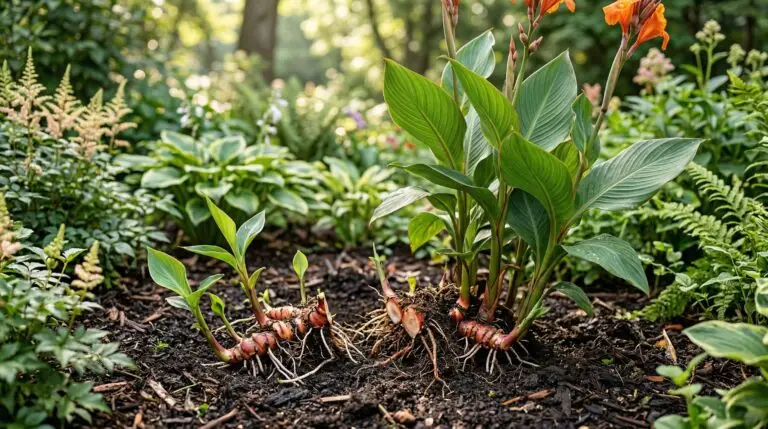
How to divide canna rhizomes in spring for more plants and bigger clumps
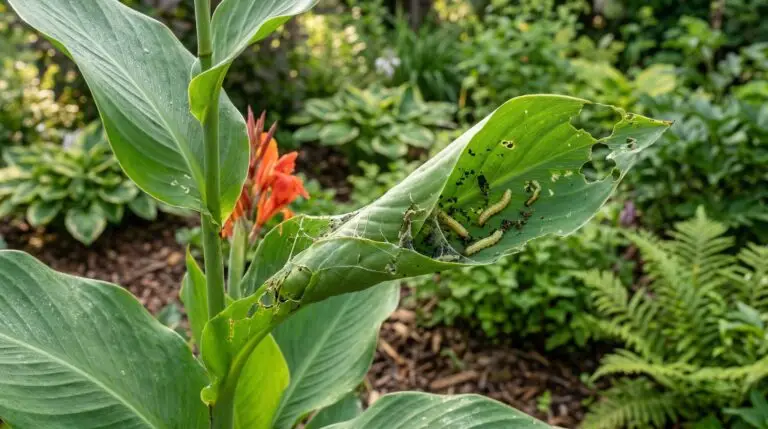
Canna lily problems including canna leaf roller and how to keep leaves pristine
Enjoying our flower guides? Add YourFlowersGuide as a preferred source on Google. It helps more readers find us.
Add to Preferred Sources