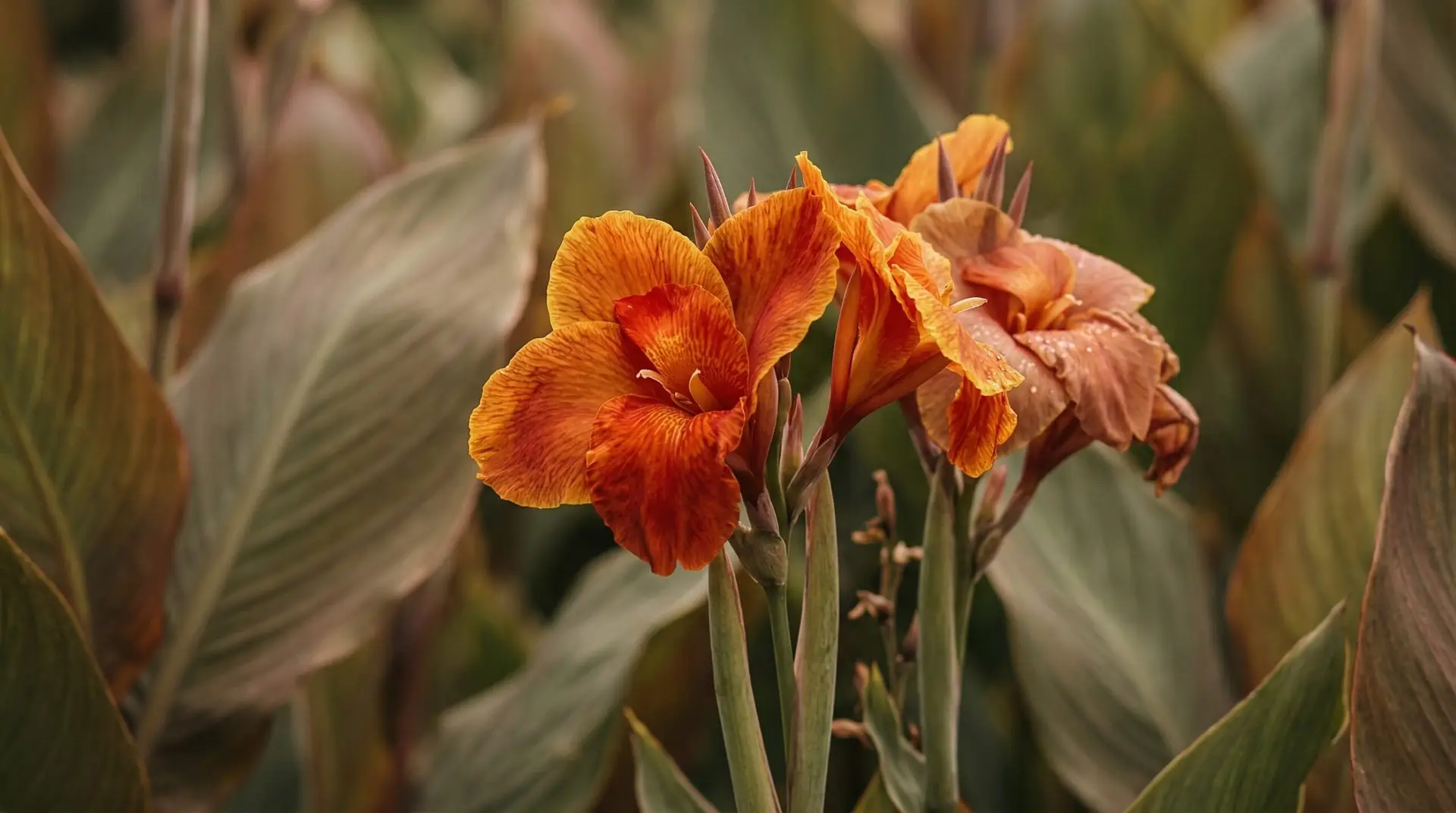
Long before the canna lily became a fixture of summer gardens, it grew wild in the tropical and subtropical regions of the Americas. Indigenous peoples of the Andes cultivated the plant, known regionally as achira, thousands of years ago. They did not grow it for the bright, asymmetrical blooms that we recognize today, but rather for its thick, starchy rhizomes. These underground stems provided a reliable source of carbohydrates for early agricultural societies in Peru and Colombia. The original canna lily meaning was rooted in survival and sustenance rather than decorative beauty. Archaeological sites in the Casma Valley of Peru contain canna rhizome remains that date back over four thousand years. This early utilitarian relationship laid the groundwork for a plant that would eventually conquer the globe.
When Spanish explorers arrived in South America in the sixteenth century, they encountered this robust agricultural crop and recorded its use among the Inca. The plant made its way across the Atlantic on trading ships, entering the botanical gardens of Europe as an exotic curiosity. European botanists were fascinated by the broad, banana-like leaves and the striking, though small, red and yellow flowers of the wild species. As the plant settled into European soil, its cultural role began to shift entirely. The focus moved away from the edible roots and toward the visual impact of the foliage and flowers. In the strict social codes of the era, the canna flower language began to form around concepts of bold beauty and unyielding confidence.
Contents 4 sections
The migration from Andean crop to global ornament
The transformation of the canna lily from a humble food source to a symbol of glory reached its peak in the nineteenth century. French and Dutch horticulturists recognized the ornamental potential of the plant and began intensive breeding programs. A French breeder named Pierre Crozy developed a new class of hybrids in the 1860s that featured much larger, more prominent flowers than the wild South American species. These new varieties took Victorian Europe by storm, becoming a necessary fixture in the formal bedding designs of public parks and wealthy estates. The towering height and aggressive growth of the plant commanded attention in any garden setting. Unlike the delicate, quiet elegance associated with the traditional true lily, the canna projected an aura of absolute power and dominance. The Victorian language of flowers officially assigned the canna the meaning of confidence and glory, perfectly matching its architectural presence in the garden.
The plant’s association with aristocratic glory did not stop in Europe. As the British Empire expanded, colonists and traders carried the newly developed ornamental hybrids to outposts around the world. The plant thrived in the warm climates of India, Africa, and Southeast Asia, easily naturalizing in regions that matched its native South American habitat. In these new environments, the canna was quickly adopted by local populations and integrated into regional folklore and daily life. The plant became a familiar sight around colonial administrative buildings, projecting an image of imperial order and botanical mastery. Yet the local cultures that absorbed the plant soon gave it entirely new layers of meaning that stripped away the European imperial context.
Buddhist and Hindu traditions of the canna flower
In Asia, the canna lily meaning took on deep spiritual dimensions, particularly within Buddhist traditions. A prominent legend in Southeast Asia tells the story of the Buddha wandering through a forest, where a jealous demon named Devadatta attempted to crush him with a boulder. The boulder shattered, and a single sharp fragment struck the Buddha’s toe, drawing blood. Wherever a drop of the Buddha’s blood touched the earth, a brilliant red canna flower sprang from the soil. In this cultural context, the red canna represents the transformation of malice into beauty and the purification of violence through divine peace. Monks frequently plant red cannas around temple grounds in Thailand and Myanmar to honor this specific narrative. The flower serves as a living reminder of the Buddha’s resilience and the ultimate triumph of tranquility over earthly suffering.
Hindu traditions in India also embraced the canna lily, weaving it into religious ceremonies and daily worship. The bright, fiery blooms are often gathered for puja, the daily ritual of offering flowers, water, and food to deities. The plant’s immense vitality and rapid growth in the Indian monsoon season make it a natural symbol of fertility, divine energy, and the constant renewal of life. Devotees offer yellow and orange cannas to Surya, the sun god, matching the flower’s radiant colors to the life-giving power of the sun. The canna symbolism in these Hindu practices emphasizes spiritual confidence and the bold assertion of faith. Even today, the large leaves are sometimes used as temporary plates for offerings, echoing the plant’s ancient utilitarian roots while serving a sacred purpose.
Decoding the colors of tropical confidence
The specific colors of the canna lily carry distinct meanings that vary across different cultural histories. Red cannas hold the heaviest historical weight, representing the blood of the Buddha in Asian traditions and the concept of martial glory in Victorian Europe. A red canna in full bloom is an aggressive display of vitality, demanding attention and asserting its presence in a planted space. Yellow cannas are universally tied to the sun, warmth, and the welcoming nature of tropical climates. The bright yellow varieties convey a sense of optimism and clear, unclouded joy. Orange cannas sit between these two extremes, symbolizing creative energy, enthusiasm, and a bold approach to life. Much like the vivid hibiscus, the orange canna communicates an unapologetic tropical beauty that refuses to blend into the background.
The foliage of the canna lily also contributes heavily to its cultural symbolism. Many varieties feature deep bronze, purple, or striped leaves that provide visual interest long before the flowers appear. In the language of flowers, this dark, substantial foliage grounds the bright blooms, representing stability and endurance beneath the surface of outward glory. The sheer size of the leaves, which can reach two feet in length, creates a microclimate of shade and shelter in the garden. This architectural heft reinforces the canna symbolism of confidence, as the plant literally takes up space and alters the environment around it. Gardeners often pair these dramatic leaves with other structural tropicals like the bold bird of paradise to create environments that feel ancient and impenetrable.
Modern gardens and the legacy of the tropics
The breeding techniques developed by Pierre Crozy and his contemporaries in the nineteenth century laid the foundation for the cannas we grow today. Modern hybridizers still focus on creating larger flowers, more resilient foliage, and compact growth habits suitable for smaller urban spaces. Despite these modern refinements, the plant retains the wild genetic memory of the Andean valleys where it first fed human populations. When a gardener plants a canna rhizome in the spring, they are participating in an agricultural tradition that spans thousands of years and crosses multiple continents. The plant requires the same warmth, water, and rich soil that the Inca recognized as essential for a good harvest. The modern garden is simply the latest chapter in a long history of human interaction with this powerful plant.
Understanding the deep history of the canna lily changes the way we view these common summer bulbs. They are not merely temporary splashes of color, but living artifacts of human migration, religious devotion, and botanical engineering. From the starchy achira of the Andes to the blood-red temple flowers of Thailand, the canna has adapted to meet the physical and spiritual needs of the people who cultivated it. The canna flower language of glory and confidence is earned through centuries of survival and adaptation. Planting a canna today brings a specific, documented history of human civilization straight into the soil of a modern backyard.
More About Canna Lily
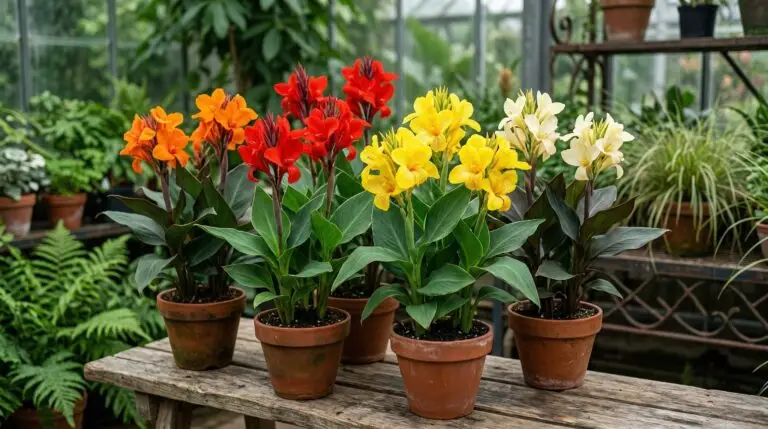
Dwarf canna varieties perfect for small gardens and front-of-border planting
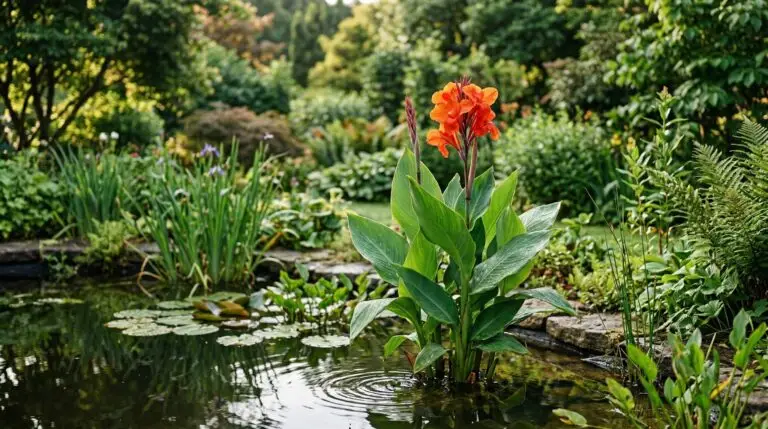
Growing cannas in water gardens and bog conditions for a lush waterside display
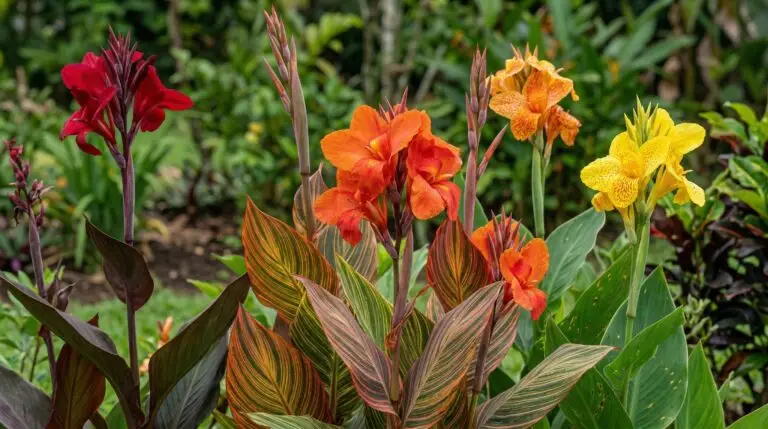
Best canna lily varieties for stunning foliage including dark-leaved and striped types
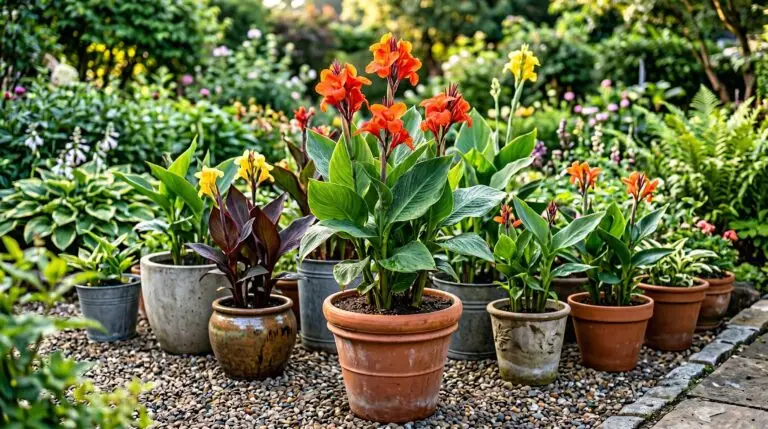
Growing cannas in containers for instant tropical impact on decks and patios
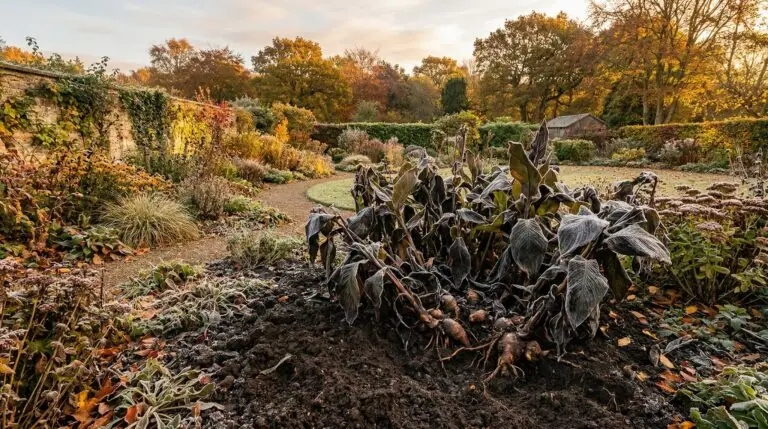
How to overwinter canna lily bulbs in cold climates and replant them in spring
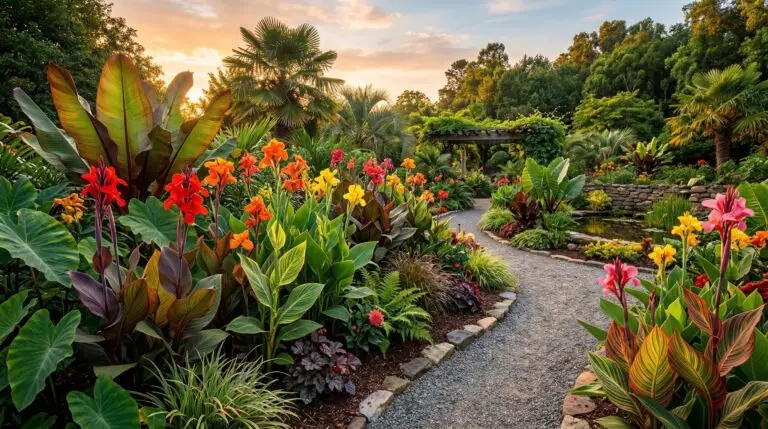
How to create a tropical garden look with cannas as the dramatic centerpiece
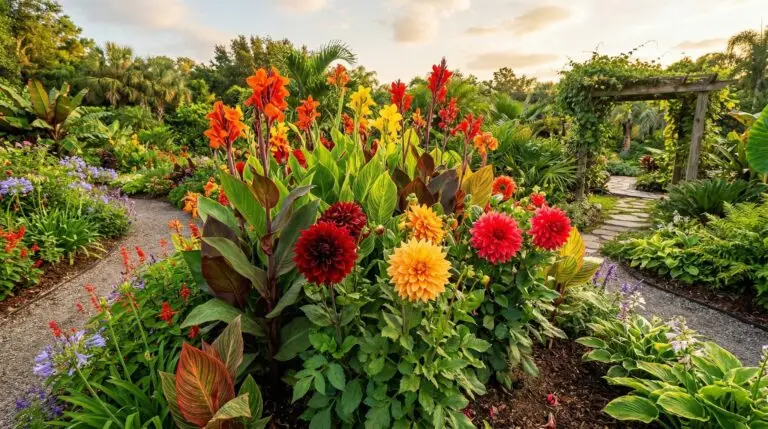
Canna and dahlia combinations for a bold late-summer garden border
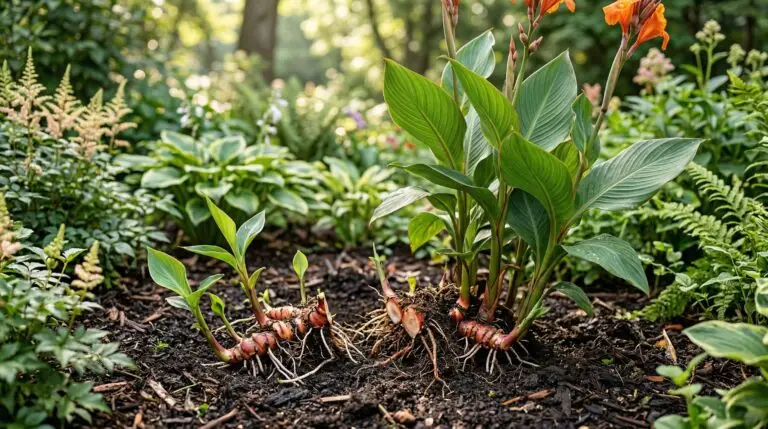
How to divide canna rhizomes in spring for more plants and bigger clumps
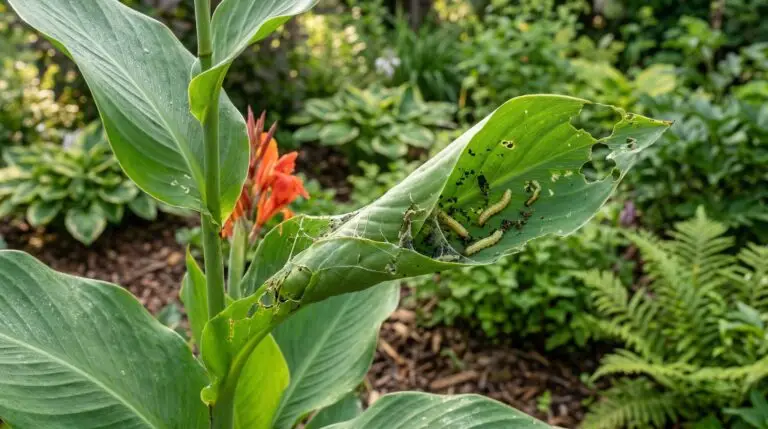
Canna lily problems including canna leaf roller and how to keep leaves pristine
Enjoying our flower guides? Add YourFlowersGuide as a preferred source on Google. It helps more readers find us.
Add to Preferred Sources