The canna lily begins its year long before the soil thaws. In late winter, when the light shifts and the afternoon sun warms the window glass, it is time to check the boxes in the basement. The rhizomes have slept in the dark for months, buried in dry peat moss. Now, you pull them out and brush away the dust to find pale, swollen eyes starting to push through the skin. This is the first sign of life, a quiet promise that the cycle is beginning again. You can start them in pots indoors while the ground outside is still frozen solid and the wind howls through bare branches. Potting them early gives the plants a head start, mimicking the long tropical season they crave. The soil in the pots should be barely moist, just enough to coax the roots into action without encouraging rot in the cool indoor air.
Contents 4 sections
Early spring brings the first green shoots
When you hear the spring peepers calling from the low spots at night, the soil outside is finally ready to receive the plants. The earth has lost its bitter chill and smells rich and heavy with moisture. You carry the pots outside to harden off the young canna lilies, letting them feel the real wind and the direct sun for a few hours each day. After a week of this gentle introduction, you dig deep holes in the garden beds, turning over the dark loam. The pale shoots that started indoors quickly turn a deep, saturated green or burgundy as soon as their roots hit the open ground. They are hungry plants, demanding rich compost and plenty of water right from the start. You might plant them alongside dahlia tubers, matching their bold foliage with equally demanding companions that thrive in the same rich soil. The garden is waking up everywhere, with birds gathering nesting materials and the afternoon light lingering a little longer each evening.
The weeks following planting are a steady climb toward the sky. The rolled leaves unfurl one by one, emerging like tight cigars before opening flat to catch the rain. You watch the stems thicken, feeling the solid, watery weight of them when you brush past. The roots are driving deep into the warm soil, anchoring the heavy top growth against the summer storms that will inevitably roll through.
Summer heat fuels the towering stalks
By midsummer, the canna lilies tower over the rest of the garden, drinking up the heat and humidity that make other plants wilt. The stems have thickened into sturdy columns, and the first buds appear at the top as tight green balls. When the flowers finally break open, they are loud splashes of red, yellow, or orange that draw hummingbirds from miles away. The garden is loud with the sound of cicadas and the heavy buzzing of bumblebees working the open blooms. You water deeply during the dry spells, letting the hose run at the base of the plants until the soil is soaked through. These tropical giants transpire heavily through their massive leaves, pulling water up from the roots and releasing it into the hot summer air. You might notice similar water demands if you grow begonia plants in the shaded corners of the patio, though the cannas want full, punishing sun to do their best work. The cycle of blooming continues for weeks, with new stalks pushing up from the expanding root system below the surface.
As August bleeds into September, the light changes again, taking on a golden slant that signals the end of the growing season. The nights grow cooler, and the heavy dew lingers on the broad leaves well into the morning. The plants slow their frantic upward growth, shifting their energy downward into the rhizomes hidden in the dark earth. They are fattening up, storing the sugars produced by months of summer sun in preparation for the long sleep ahead.
Autumn frost signals the time to dig
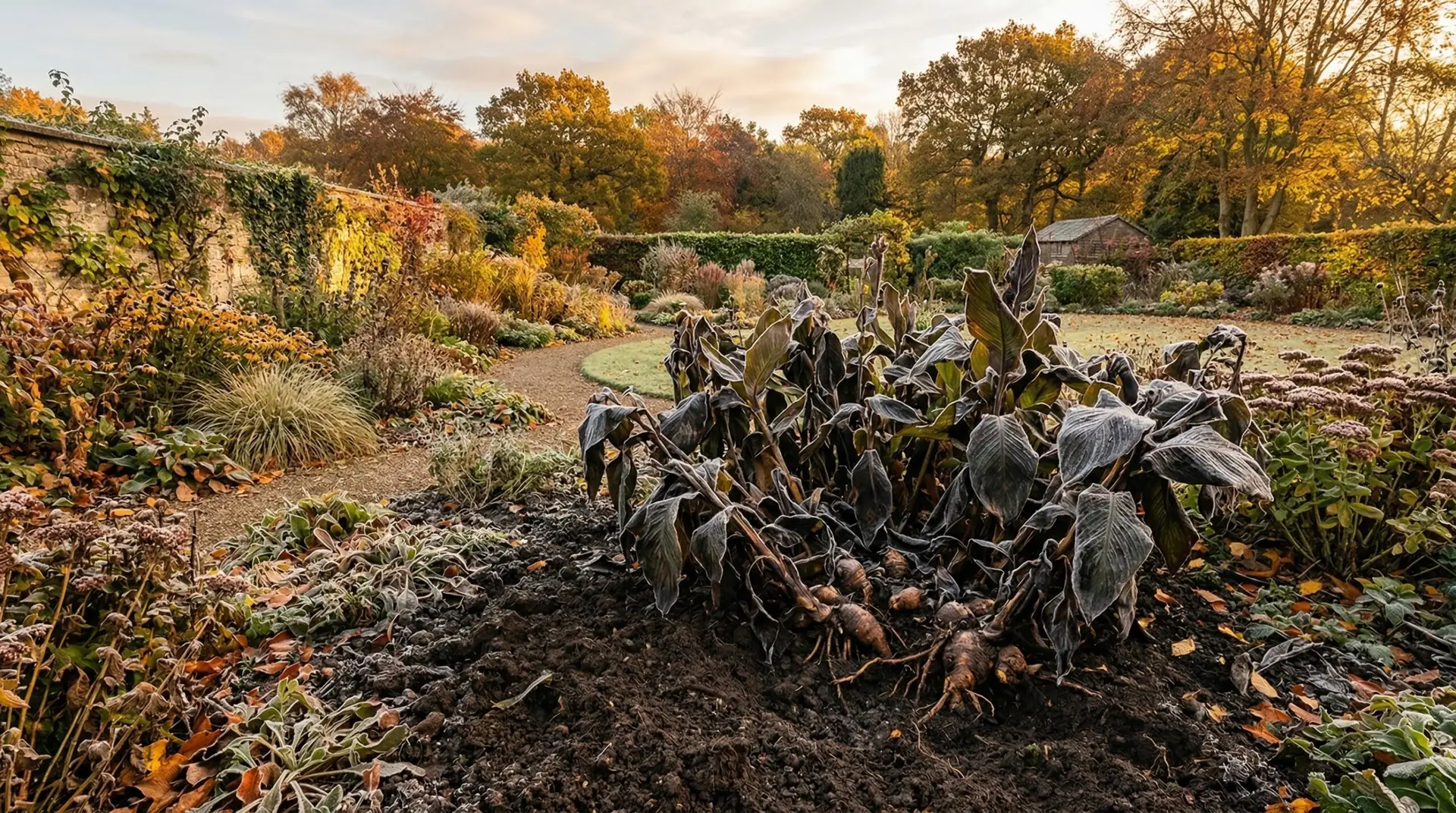
The harvest of the canna lily begins the morning after the first hard frost settles over the garden. You walk out into the crisp air and find the proud, towering leaves completely blackened and collapsed, their cell walls ruptured by the freezing temperatures. This sudden death of the top growth is the signal to bring the rhizomes inside, rescuing them before the frost penetrates the soil and turns the roots to mush. You cut the ruined stalks down to a few inches above the ground, leaving just enough stem to use as a handle. Taking a garden fork, you step back a foot from the stems and push the tines deep into the cold earth, gently prying the massive root clumps free. The soil smells different now, sharp and metallic with the decay of autumn leaves. You shake the loose dirt away and lay the clumps out on a tarp in the garage to cure for a few days. The skin of the rhizomes needs to toughen up in the dry air, healing over any cuts or scrapes sustained during the digging process.
Curing is a quiet waiting period between the active garden and the dormant storage box. You turn the clumps over once or twice, letting the air circulate around the thick, fleshy roots until the remaining soil falls away easily as dry dust. You trim away any soft spots or broken pieces with a sharp knife, leaving only the firm, healthy tissue. The stalks dry out completely, shrinking down into papery stubs that will eventually fall off on their own.
Winter rest in the dark and quiet
Preparing the canna lilies for winter storage requires a cool, dark place where the temperature stays consistently above freezing but below fifty degrees. You fill cardboard boxes or plastic bins with slightly damp peat moss, creating a soft bed for the sleeping roots. You bury the rhizomes in the moss, making sure they do not touch each other, and cover them completely to prevent them from drying out over the long winter. This method of packing mimics the protective layer of soil they would have in their native climate, insulating them from drafts and temperature swings. Every month, while the snow falls outside and the garden is buried under ice, you go down to the basement to dig through the moss with your bare hands, feeling for the firm, heavy texture of healthy roots. If you find a shriveled piece, you mist the moss lightly with water, and if you find a soft, rotting spot, you cut it away immediately to save the rest of the clump. The winter care of these roots is much like tending dormant amaryllis bulbs, requiring patience and a watchful eye while the plant rests in the dark. And then, just as the last snow melts and the soil begins to warm, the roots below are already storing energy for the next spring, ready to begin the cycle all over again.
More About Canna Lily
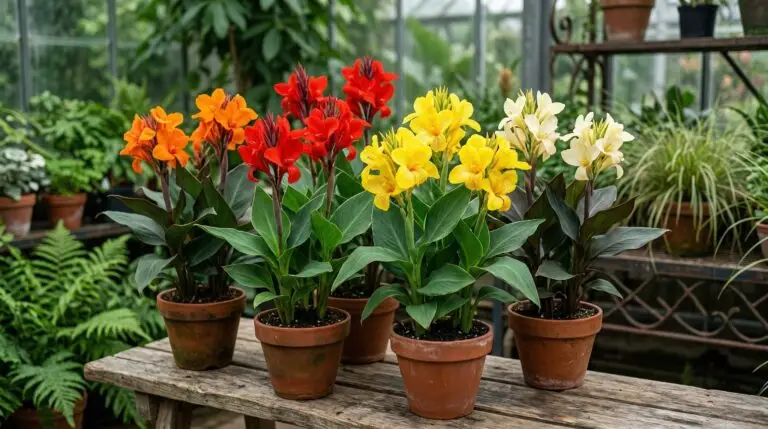
Dwarf canna varieties perfect for small gardens and front-of-border planting
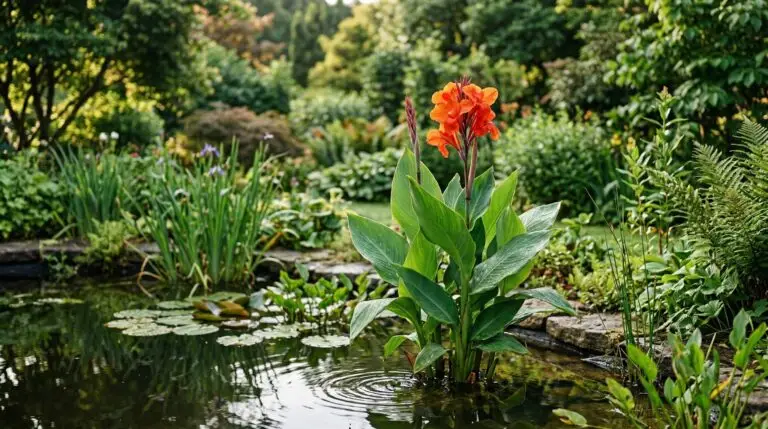
Growing cannas in water gardens and bog conditions for a lush waterside display
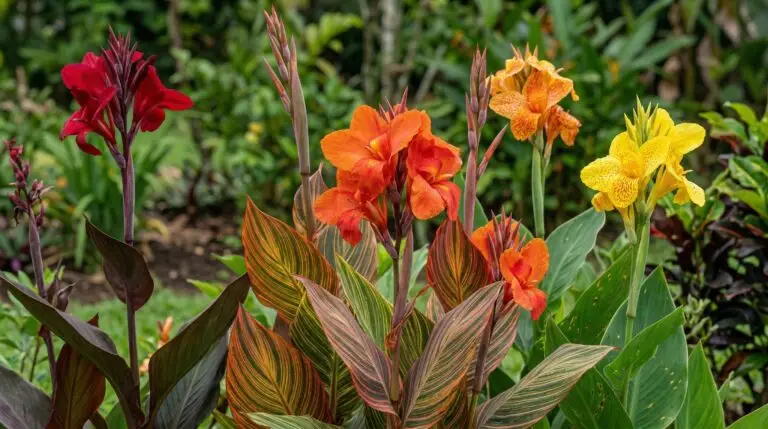
Best canna lily varieties for stunning foliage including dark-leaved and striped types
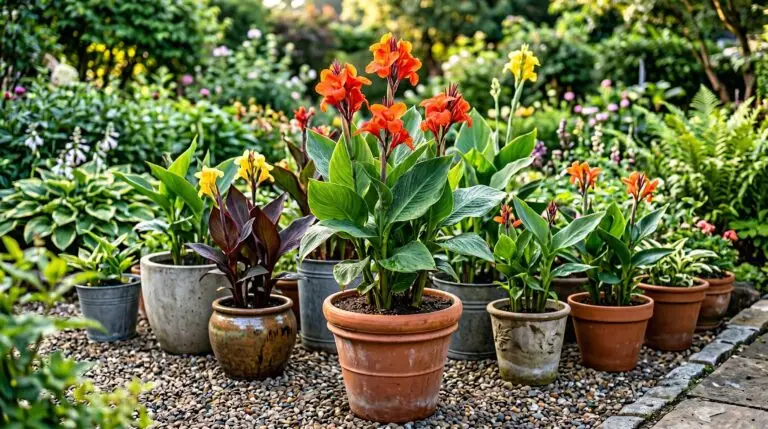
Growing cannas in containers for instant tropical impact on decks and patios
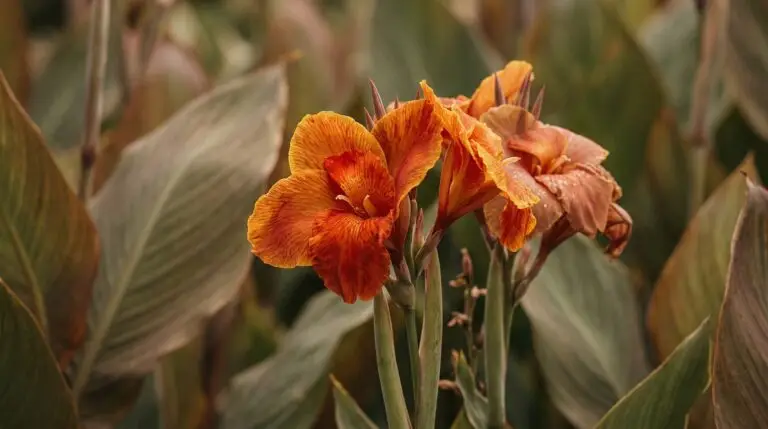
Canna lily flower meaning and its tropical symbolism of beauty and confidence

How to create a tropical garden look with cannas as the dramatic centerpiece

Canna and dahlia combinations for a bold late-summer garden border
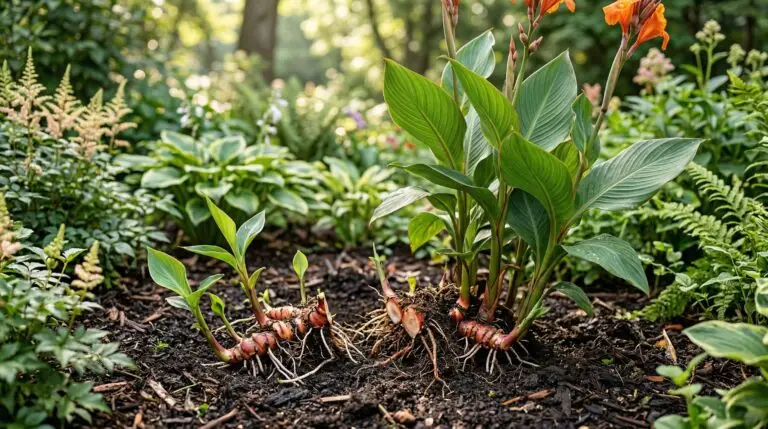
How to divide canna rhizomes in spring for more plants and bigger clumps
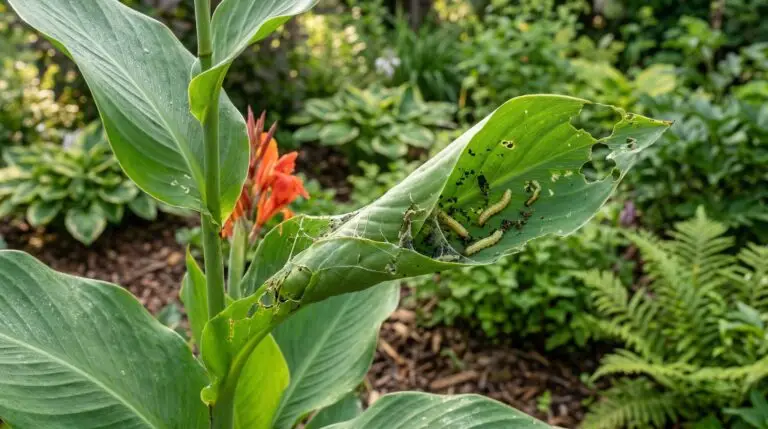
Canna lily problems including canna leaf roller and how to keep leaves pristine
Enjoying our flower guides? Add YourFlowersGuide as a preferred source on Google. It helps more readers find us.
Add to Preferred Sources