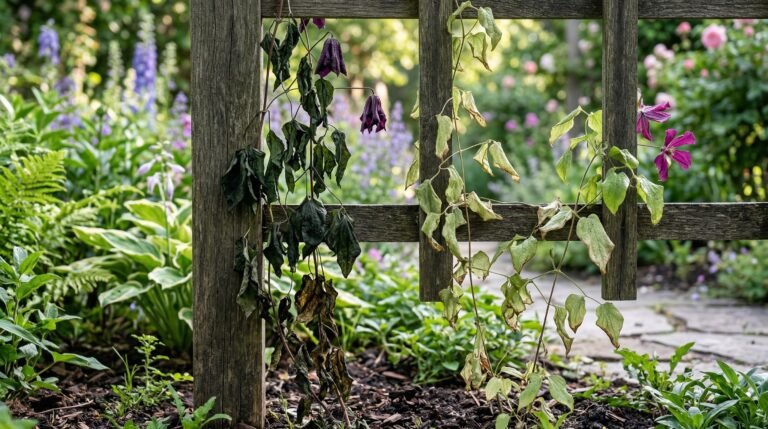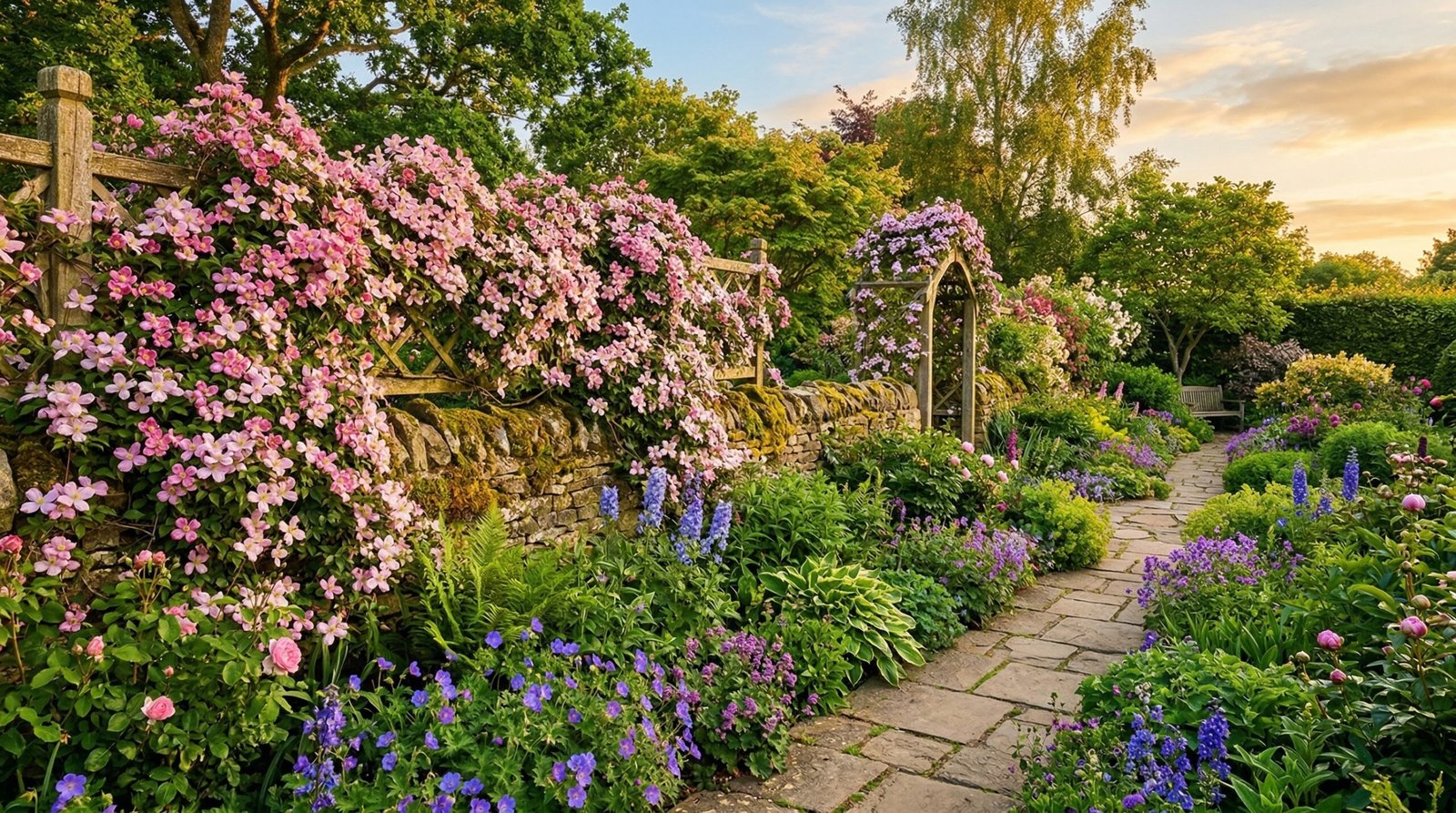
By the time you finish reading this, the mystery of when to cut back your climbing vines will be completely solved. The confusion surrounding a clematis pruning guide usually stems from trying to memorize a set of rules without understanding what the plant is actually doing. Vines are simply botanical machines that convert sunlight into energy, and different varieties have different schedules for when they use that energy to create flower buds. Once you understand the internal calendar of your specific plant, pruning stops being a guessing game and becomes a logical step in its yearly cycle. Learning these growth habits will save you from the heartbreak of accidentally removing a whole season of flowers. We are going to build this understanding from the ground up, starting with how a plant decides where to place its blooms.
The entire concept of clematis pruning groups rests on understanding the difference between old wood and new wood. Old wood refers to the stems that grew during the previous summer, survived the winter, and are ready to push out growth in the spring. New wood is the fresh, green growth that emerges from the ground or from older stems in the current growing season. Think of old wood as a factory that has already been built and stocked with supplies, ready to produce flowers the moment the weather warms up. New wood is an empty lot where a factory has to be constructed from scratch every spring before it can start manufacturing blooms. If you have ever grown a Hydrangea macrophylla, you might already be familiar with this concept. Cutting off the old wood on those shrubs in spring removes all the dormant flower buds before they ever get a chance to open.
Group one vines bloom early on last year’s growth
Plants in the first clematis pruning group operate entirely on the old wood system. These vines spend their summer growing long, leafy stems and quietly creating microscopic flower buds along those vines before winter arrives. When spring temperatures rise, the plant does not need to waste time growing new stems to support its flowers. It simply wakes up the buds that have been waiting patiently on the old wood for months. Because they are so prepared, group one varieties are always the earliest to bloom, often opening their petals in April or May. If you take a pair of shears to this plant in late winter or early spring, you are snipping off every single flower bud it worked so hard to make the previous year. You will be left with a healthy green vine that produces absolutely no color.
The only time you should prune a group one clematis is immediately after it finishes blooming in late spring. By cutting it back right after the flowers fade, you give the plant the entire summer to grow fresh vines and set new buds for the following year. You do not actually have to prune these vines at all if they have plenty of space to climb. Pruning for this group is strictly about controlling the size of the plant and keeping it within bounds. If your vine is swallowing a mailbox or climbing into a gutter, wait for the final flower petals to drop and then trim away the excess growth. The plant will respond by pushing out new shoots to replace what was lost. Those new shoots will mature over the summer and become the old wood for next spring.
Group three vines wait for new growth to make flowers
We are skipping group two for a moment because it is much easier to understand group three first. Group three vines are the exact opposite of group one, meaning they bloom exclusively on new wood. These plants let their above-ground stems die back completely or become mostly dormant over the winter. When spring arrives, they push vigorous new shoots straight out of the ground or from the very base of the old stems. These new shoots grow rapidly, sometimes reaching ten feet tall in a single season, and they form flower buds at the very tips of this fresh growth. Because they have to build their entire structure from scratch before they can make flowers, these varieties bloom much later in the season. You will usually see them flowering heavily in late summer or early fall.
Knowing that these plants bloom on new growth tells you exactly when to prune clematis in this category. You want to cut group three vines down to about twelve to eighteen inches above the ground in late winter or early spring before new growth begins. This might seem extreme, but leaving the old, dead-looking stems in place will cause the plant to produce all its new growth at the very top of last year’s vines. If you skip this hard pruning, you end up with a plant that has bare, ugly stems at eye level and a cluster of flowers way up out of reach. Cutting them down forces the plant to start fresh from the base, giving you a full, lush vine covered in blooms from bottom to top. The process is very similar to how you might manage a shrub rose that benefits from a hard seasonal reset. That aggressive pruning encourages the vigorous new stems required to support massive flower clusters.
Group two vines bridge the gap with a double show
Now that you understand the extremes of the old wood and new wood systems, we can look at group two. This group might seem contradictory at first, but the reason is that these vines have adapted to bloom on both old and new wood. They produce their first flush of large flowers in late spring or early summer using the buds they stored on the old wood from the previous year. After that initial show, the plant spends the middle of the summer pushing out new green growth. By late summer or early fall, this new wood produces a second, usually smaller flush of flowers at the tips of the fresh vines. They are the overachievers of the vine world, giving you two distinct seasons of color. Managing them just requires preserving the old wood while making room for the new.
Because group two vines use both types of wood, pruning them requires a gentle touch. If you cut them to the ground like a group three plant, you will destroy the early summer flower show completely. If you prune them right after they bloom like a group one plant, you will cut off the new growth that produces the late summer flowers. The best approach is to simply remove dead or damaged stems in early spring, leaving the healthy vines intact. You can trim lightly to shape the plant, but you should always leave a strong framework of old wood. After the first flush of flowers fades, you can snip off the spent blooms. This deadheading encourages the plant to put its energy into growing the new wood for the second show rather than making seeds.
Figuring out an unknown vine in your garden
Many gardeners inherit an established yard with a mature vine and have no idea which pruning group it belongs to. This takes a season or two to get a feel for, and that is completely normal. The safest approach for an unidentified vine is to do absolutely nothing during its first spring with you. Let the plant grow naturally and observe exactly when it produces its first flowers. If it bursts into bloom in May, you have a group one plant and can prune it right after the flowers drop. If it waits until August to show any color, you have a group three plant and can safely cut it to the ground the following spring.
If the vine gives you a massive show in June and a modest encore in September, you have identified a group two plant that just needs light tidying. The core principle to take away is that pruning is simply a way to manage a plant’s natural timeline. You are either protecting the buds it already made, forcing it to make new stems from the ground up, or letting it do a little bit of both. Once you watch how your specific plant behaves through a full growing season, the rules fade away and the logic takes over. You will no longer have to worry about making a mistake with your shears. Instead, you will understand exactly what the vine is trying to do and how to help it succeed.
More About Clematis
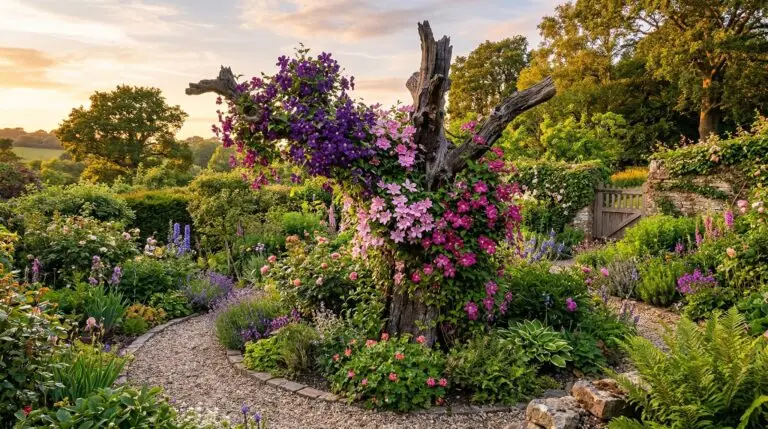
Growing clematis on trees for a naturalistic look inspired by woodland climbing vines
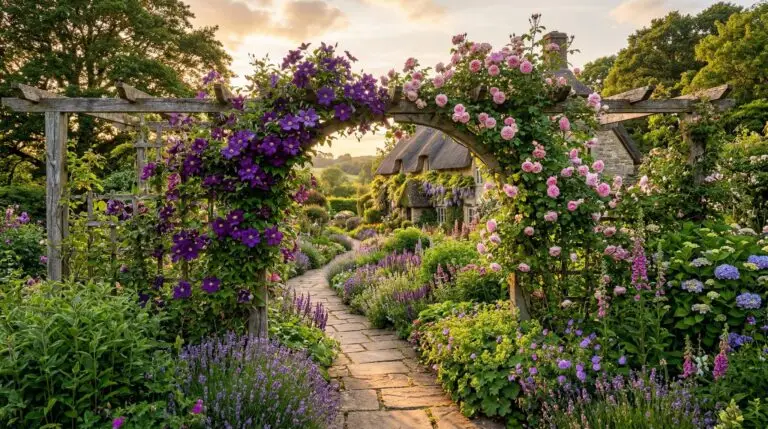
How to grow clematis and roses together on the same trellis for a stunning combination
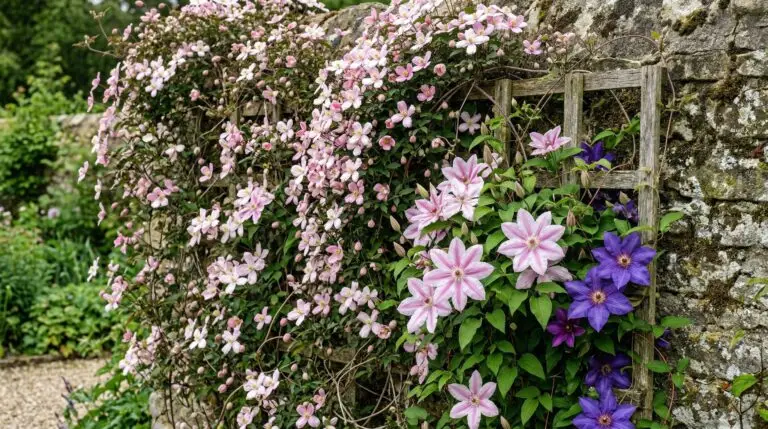
Best clematis varieties for covering fences and trellises with walls of flowers