
Late May arrives, and there is always that one bare spot in the garden that needs filling quickly before the heat sets in. The garden centers are picked clean of the best annuals, and what is left looks tired and root-bound in tiny plastic pots. This is the exact moment when a packet of cosmos seeds becomes the most valuable thing in the garden shed. Growing cosmos from seed requires very little effort, no expensive equipment, and almost zero pampering to produce massive sweeps of color. They are the ultimate backup plan that usually ends up outshining the plants that took months of careful tending. They tolerate heat, ignore dry spells, and actually prefer the spots where other flowers struggle to survive. Getting them to thrive just requires ignoring a few common gardening habits and letting the plants do what they do best.
Contents 5 sections
Direct sowing is always better than starting indoors
Many garden books suggest starting seeds indoors under lights weeks before the last frost to get a jump on the season. After trying both methods for several years, the one that consistently works for cosmos is simply pushing the seeds directly into the warm garden soil outside. Cosmos seed starting indoors often leads to tall, floppy seedlings that snap the second a strong breeze hits them after transplanting. The transition from a protected indoor environment to the harsh outdoor sun is incredibly stressful for these fast-growing annuals. Direct sowing builds sturdy stems right from the start because the plants grow accustomed to the wind and sun immediately. Wait until the soil feels warm to the touch, usually a week or two after the last frost date in your area. Gardeners in the South may find this happens as early as March, while northern zones might be waiting until late May.
The actual planting process requires nothing more than a simple metal hand rake and a watering can. Just rough up the soil surface, scatter the seeds thinly across the area, and lightly press them in so they make good contact with the dirt. Cosmos seeds need light to germinate properly, so burying them deep under heavy soil will only cause them to rot before they ever sprout. Keep the area damp for about a week, and tiny green fern-like leaves will start poking through the soil crust. They look incredibly fragile at first, almost like weeds, but give them time to establish their taproots. Mixing them in a bed with zinnias creates a reliable, drought-tolerant patch that will bloom consistently until the first hard freeze of autumn.
Why poor soil makes the best flowers
The instinct for anyone who loves their garden is to amend the soil with rich compost and feed plants regularly to get the biggest blooms. Cosmos will actively punish that kind of generosity by growing massive, thick green bushes with absolutely no flowers on them. Easy cosmos growing relies on a little bit of neglect, making them perfect for that dry, sandy patch near the driveway or the rocky edge of a retaining wall. Too much nitrogen signals the plant to produce foliage instead of buds, leaving the gardener with a giant green hedge right when they want color. Skip the liquid fertilizers, ignore the manure tea, and let the plants work for their keep in lean soil. If the garden beds are heavy clay, mixing in a little coarse sand helps with drainage, but otherwise, do not overthink the preparation. They are practically indestructible once established, shrugging off baking afternoon heat that makes other plants wilt in defeat. Pairing them with a sturdy sunflower border works beautifully because both plants thrive in full sun without needing constant babysitting or supplemental feeding.
Pinching early creates stronger plants
It goes against every natural instinct to take a pair of scissors to a perfectly healthy young plant that is finally gaining some height. Taking the top off a young cosmos plant is the single most important step for getting those full, bushy clouds of color instead of one tall, spindly stalk. Wait until the plant is about a foot tall and has at least three sets of true leaves along the main stem. Snip the main stem right above a set of leaves, which forces the plant to send out multiple side shoots instead of growing straight up. The plant will look a little sad and stunted for about two weeks after this haircut, but the resulting growth is entirely worth the wait. Those side shoots develop into strong branches, each capable of producing dozens of blooms, while the main stalk grows thicker to support the weight. Unpinched plants tend to get top-heavy and flop over after a heavy summer rainstorm, requiring stakes and twine to keep them off the mud. A pinched plant anchors itself better and creates a dense canopy that shades the soil, keeping weed seeds from germinating underneath.
Staggering seeds for late summer color
A single planting of cosmos in the spring will provide a heavy flush of blooms by midsummer, but those plants often look exhausted by the time September rolls around. The trick to keeping the garden looking fresh through the early fall is succession sowing, which simply means planting a new batch of seeds every three to four weeks. Keep tossing a few seeds into any empty gaps that appear when early summer plants fade or vegetables finish their harvest. The seeds planted in July sprout incredibly fast in the hot soil and catch up to the older plants in a matter of weeks. Deadheading the spent blooms on the older plants helps prolong their life, but eventually, the stems get woody and flower production slows down. Having a fresh crop ready to take over ensures the garden stays full of pollinators right up until the frost ends the season. It is the same reliable strategy used to keep marigolds blooming in continuous waves, relying on fresh seeds rather than trying to revive tired, aging plants. The minimal cost of a few extra seed packets pays off entirely when the garden is still glowing with pinks and whites while the rest of the neighborhood yards are fading into brown.
Managing water and saving seeds for next year
Once the seeds germinate and the plants reach a few inches tall, the watering routine needs to change drastically. Overwatering is one of the few ways to actually kill a cosmos plant, as their roots will rot quickly in soggy ground. Let the top two inches of soil dry out completely between waterings to encourage the roots to dive deeper into the earth looking for moisture. Deep roots make for resilient plants that can survive the brutal dry spells of late July and August without dropping their buds. When the season finally winds down, leave the last few blooms on the plant to dry out entirely on the stem. The flower petals will fall away, leaving a small cluster of sharp, needle-like seeds that are incredibly easy to harvest by hand. Just brush them into a paper bag, store them in a cool dark place over the winter, and the cycle is ready to start again next spring. It is a deeply satisfying feeling to realize you will never have to buy another packet of these seeds again.
More About Cosmos

Cosmos for pollinators and why butterflies and bees cannot resist these flowers
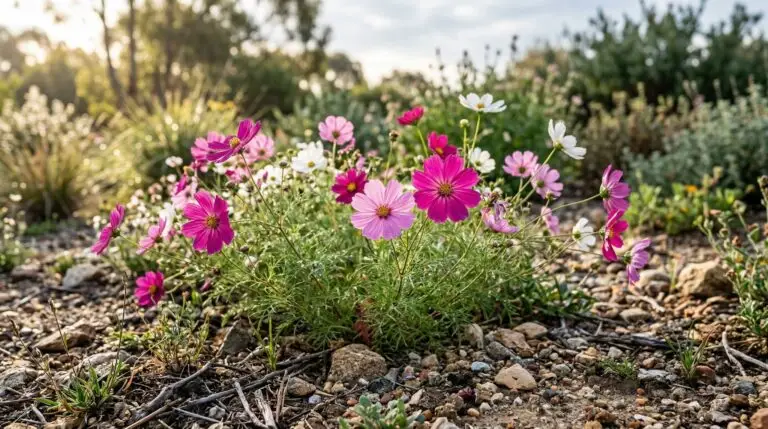
Why cosmos grows tall and leggy and how to get compact bushy plants instead

How to save cosmos seeds at the end of the season for free flowers next year
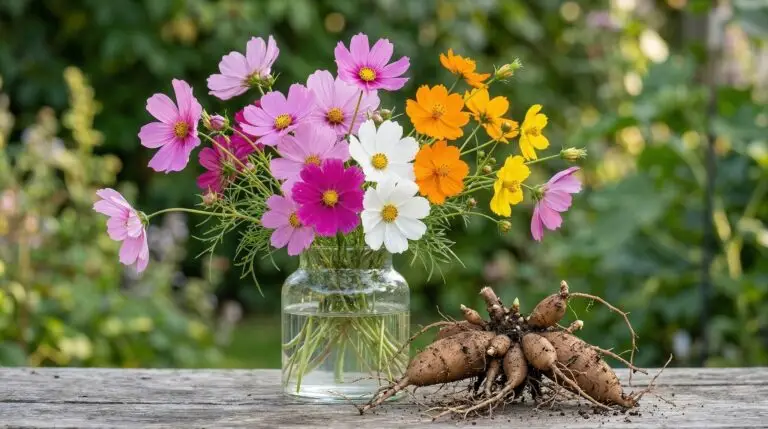
Chocolate cosmos the rare perennial with flowers that smell like dark chocolate

Cosmos as the perfect cut flower for beginners who want armloads of bouquets

Creating a cosmos flower field effect in your backyard for photogenic garden magic
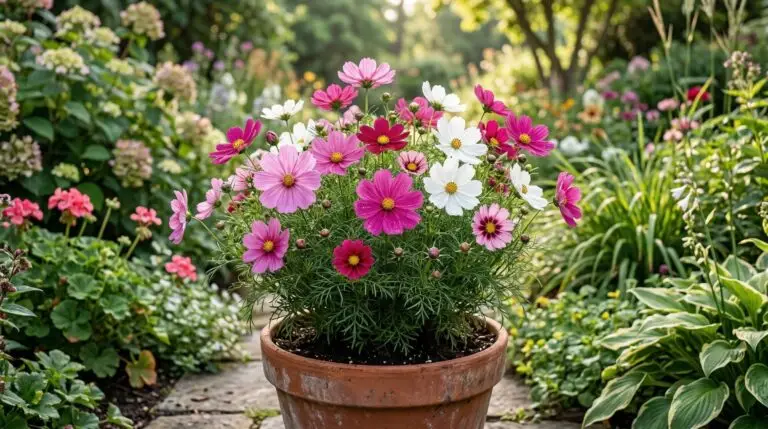
Growing cosmos in containers and hanging baskets for balcony flower gardens
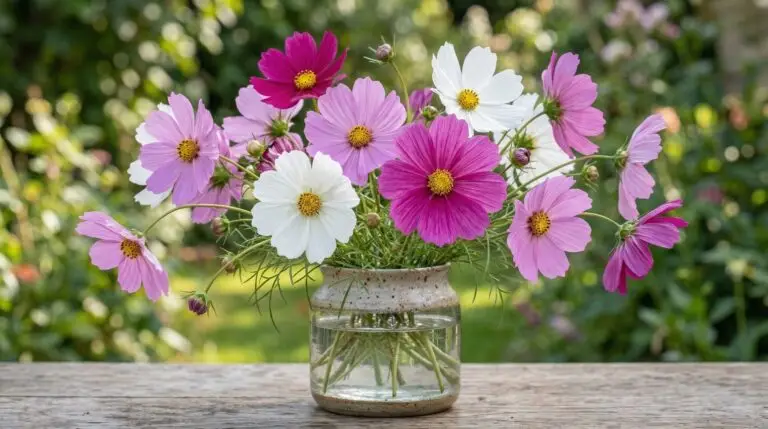
Best cosmos varieties from classic Sensation to chocolate-scented Cosmos atrosanguineus
Enjoying our flower guides? Add YourFlowersGuide as a preferred source on Google. It helps more readers find us.
Add to Preferred Sources