
How to Grow and Care for Cosmos
Contents
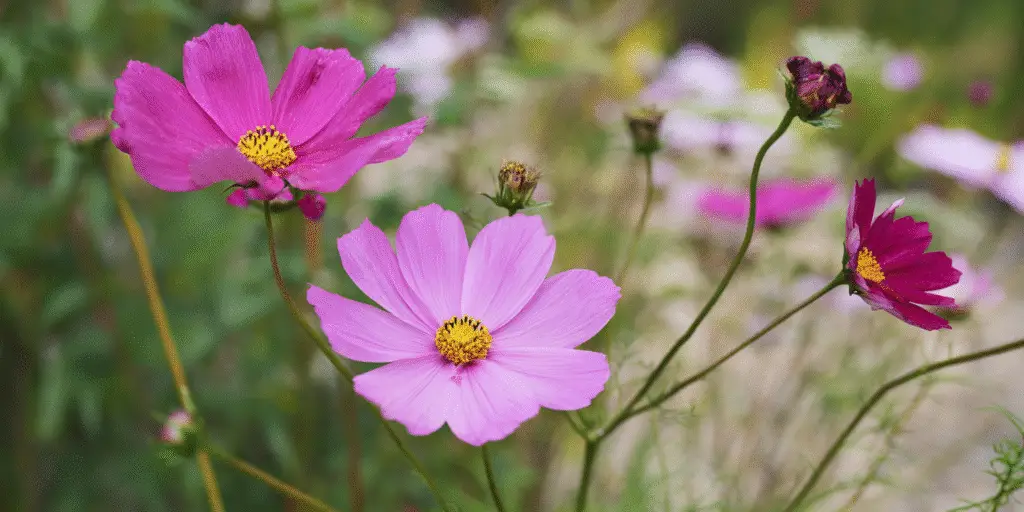
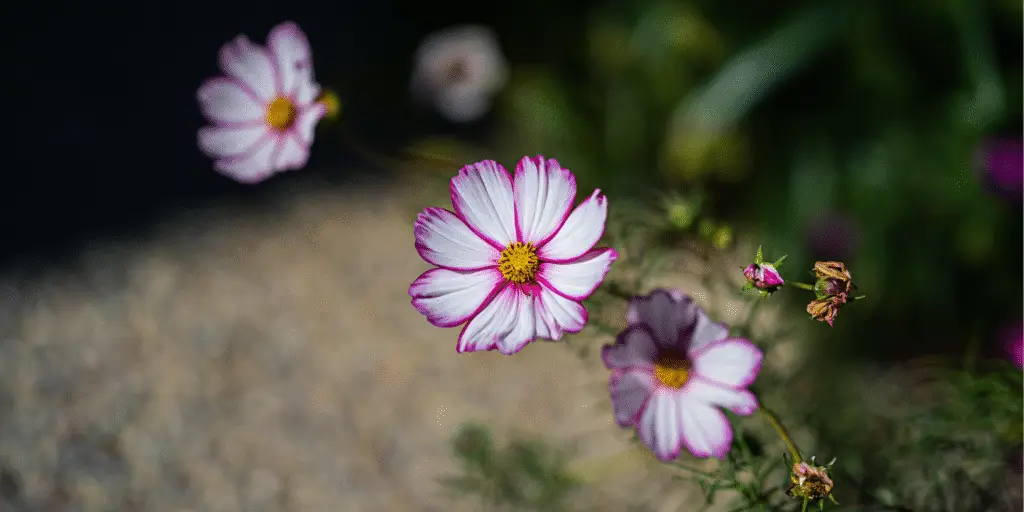
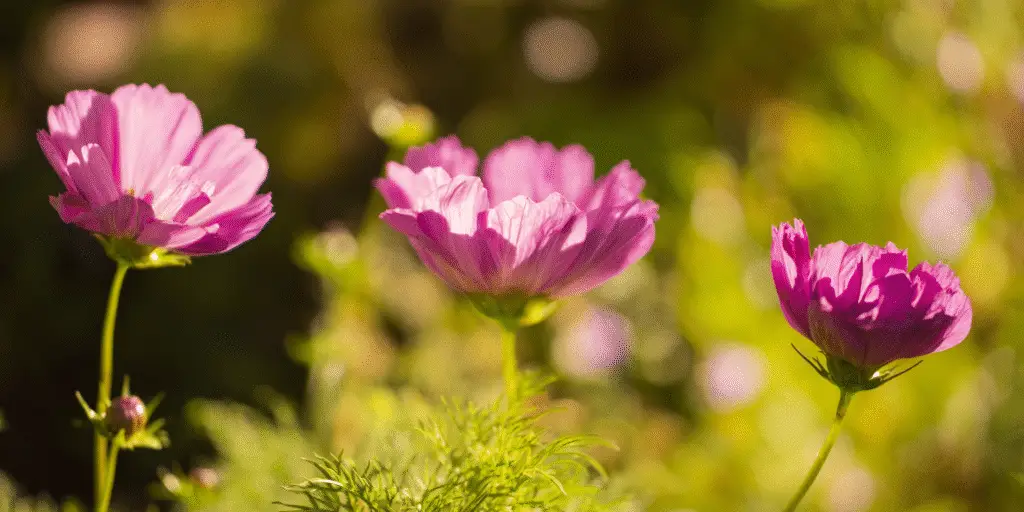
Cosmos are warm season flowering annuals prized for feathery foliage and daisy like blooms that carry a border through summer to frost. The accepted botanical names most home gardeners grow are Cosmos bipinnatus and Cosmos sulphureus. You may also see Cosmos bipinnatus sold as Mexican aster and Cosmos sulphureus sold as sulfur cosmos. A third species, Cosmos atrosanguineus or chocolate cosmos, is a tender perennial with tuberous roots that is commonly treated as an annual outside frost free regions. In all cases the plants love full sun, lean soils, and reliable drainage. Give them the brightest spot you have and they will repay you with armloads of cut flowers and pollinator visits.
Cosmos thrive in full sun with six to eight hours each day. They tolerate heat and drying winds once established, which makes them dependable in much of the United States. Success with Cosmos care is simple to remember. Start with soil that drains well, plant after the last spring frost when the ground warms, water to establish deep roots, and resist the urge to overfeed. Tall varieties may need staking in windy sites. Deadheading keeps color coming for months. For gardeners building color collections, think across the site’s hubs such as pink flowers, white flowers, yellow flowers, and purple flowers to plan a long, coordinated display.
Soil & Bed Preparation
Cosmos perform best in average garden soil that is loose and well draining with a pH near neutral. A sandy loam or loam is ideal. If your soil is heavy with clay, work in coarse compost and a small portion of sharp sand to improve porosity. Aim for a pH of 6.0 to 7.0. Cosmos will flower in slightly poorer soils than many bedding annuals and often bloom more when nutrients are modest rather than rich. Too much nitrogen pushes lush foliage and fewer flowers. Before you add fertilizer, test your soil so you are adjusting for what you actually have rather than guessing. Raised beds are helpful where drainage is consistently slow. In ground beds are excellent where the native soil is already crumbly and does not stay waterlogged after rain.
When preparing a new border, remove weeds by the root and break the top eight to ten inches of soil. Rake smooth and pick out stones that would interfere with even spacing. Blend in one inch of finished compost over the surface, then rake again to settle a fine seedbed for direct sowing. If you plan to transplant seedlings from cell packs or pots, open wider planting holes and loosen the surrounding native soil so young roots can move outward without circling. Cosmos are not bulbs or rhizomes, so there are no special planting media to add beyond ordinary organic matter and sharp drainage. Keep amendments light to avoid the soft growth that flops in midsummer.
Drainage Test and pH Targets
Dig a hole about 12 inches deep and 12 inches wide. Fill it with water once and let it drain fully to moisten the surrounding soil. Fill it again, then time how long it takes to drain. A good bed drains within 2 to 4 hours. If water stands longer than 6 hours, plant in a raised bed or amend to improve drainage before sowing Cosmos. For pH, use an inexpensive test kit or send a sample to your state Cooperative Extension lab. If pH is below 6.0, add garden lime according to the lab rate. If pH is above 7.5, incorporate elemental sulfur as the lab recommends. Retest after one growing season to confirm you are back in the 6.0 to 7.0 sweet spot.
Planting Calendar by USDA Zone
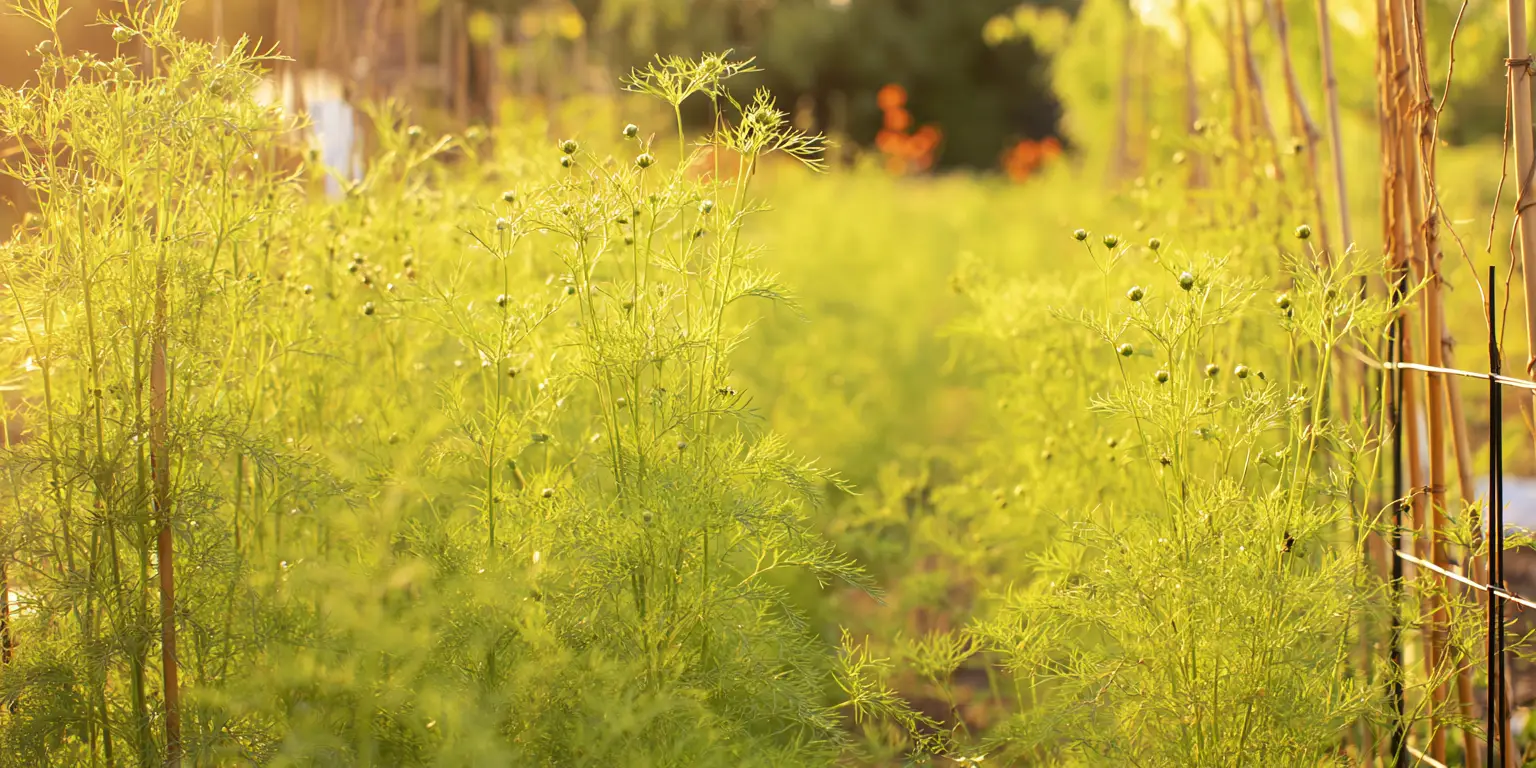
Cosmos are warm season annuals in most of the United States, so plan your calendar around frost dates rather than perennial planting windows. Direct sow outdoors after your last expected spring frost and when the soil reaches about 60°F (16°C). In colder zones 3 to 5, that usually means late May to early June. In zones 6 to 7, aim for late April to mid May. In zones 8 to 9, early April often works, while zone 10 gardeners can sow in late winter to very early spring as soon as soils warm. In very mild coastal or low desert climates where winters are frost free, gardeners sometimes sow in fall for late winter to spring blooms. Always adjust to local frost patterns and soil temperature rather than the calendar page.
If you prefer to start earlier, sow seeds indoors 4 to 6 weeks before your last frost date and transplant after danger of frost passes. Provide bright light and moderate indoor warmth for stocky seedlings. In hot humid regions, spring warms quickly and young cosmos can stretch under sudden heat if started too far ahead. In those areas, direct sowing right after the last frost is often the simplest path to balanced growth. In arid regions with very low humidity, use mulch and a deeper watering pattern after planting so roots chase moisture downward. At high elevation sites with strong wind, choose shorter varieties and plan on simple staking for taller mixes. Coastal sites with cool marine influence may experience slower early growth, but plants usually catch up by midsummer when nights are warmer.
Planting: Depth & Spacing
Rake the bed smooth and sow Cosmos seed at 1 to 2 inches apart along the row or scatter lightly over prepared soil. Cover with about 1/4 inch of fine soil or sifted compost which is 6 millimeters, then firm gently with the flat of your hand. Water with a soft shower to settle seeds without washing them away. Keep the top inch of soil evenly moist until sprouts emerge. Germination typically takes 7 to 21 days depending on soil temperature and moisture. Once seedlings have two to three true leaves, thin to the final spacing given below and transplant the extras to fill gaps.
Indoor sowing then transplant
Start seeds in cell trays with a quality, well drained seed starting mix. Sow one seed per cell at 1/4 inch deep and keep media moist, not saturated. Provide strong light from a south window or grow lights set close to the leaves. Maintain air movement with a small fan on low. Begin hardening off a week before transplanting by placing trays outdoors in bright shade for a few hours each day. Increase sun exposure and time outside daily. Plant transplants out after danger of frost, on an overcast afternoon if possible, and water them in well.
Container grown seedlings from the nursery
Choose stocky plants with multiple stems and no flowers yet. Plant at the same depth as in the pot. Loosen circling roots gently with your fingers. Water deeply after planting to bring soil into contact with the root ball. Shade the planting for a day or two if sun is intense. To reduce transplant shock further, clip the top pair of growing tips within a week of planting to encourage branching, especially on taller types you plan to stake.
Spacing for airflow and row layout
Dwarf and compact varieties finish at 12 to 24 inches tall, so space 12 inches apart which is 30 centimeters. Medium selections finish at 24 to 36 inches, so space 16 to 18 inches apart which is 40 to 45 centimeters. Large or cutting types often reach 40 to 60 inches, so space 18 to 24 inches apart which is 45 to 60 centimeters. For cutting gardens, set rows 24 to 36 inches apart which is 60 to 90 centimeters to allow passage for harvesting and to promote airflow that discourages foliar disease.
Watering & Mulching
Cosmos appreciate attentive watering during establishment, followed by a deep and less frequent rhythm once roots reach down. For the first two weeks after sowing or transplanting, keep the root zone consistently moist but never saturated. In average loam, that might mean a light irrigation every two to three days in warm weather. Once plants are a month old and growing, shift to deep watering about once each week if rainfall is lacking. Deliver roughly 1 inch of water which is 2.5 centimeters per week as a starting point, applied in one deep soaking rather than many shallow sprinkles. In hot spells above 90°F which is 32°C, add a midweek check and water if the top two inches are dry. Containers dry faster than ground beds, so test with your finger daily and water when the top inch is dry.
Mulch helps conserve water and keeps soil cooler around roots without overwhelming Cosmos with excess fertility. After seedlings are three to four inches tall, apply 1 to 2 inches of loose organic mulch such as shredded leaves, straw, or pine needles, which is 2.5 to 5 centimeters. Keep mulch a finger width away from stems to prevent rot. In very hot regions, a slightly thicker mulch layer of up to 3 inches which is 7.5 centimeters is acceptable if the soil is coarse and drains quickly. Where water is alkaline or hard, mineral salts can build up in containers over time. To reduce salt accumulation, water pots until water runs freely from the drainage holes, then repeat once more to flush. Perform this leaching every four to six weeks during peak heat.
Feeding
Cosmos ask for restraint with fertilizer. Excess nitrogen produces tall, leafy plants with fewer flower buds. If a recent soil test shows low fertility, you can feed lightly after seedlings are established. A low nitrogen analysis such as 5 to 10 to 10 or 4 to 6 to 3 applied at half the label rate is sufficient for most beds. Apply once when plants are 8 to 12 inches tall which is 20 to 30 centimeters, then observe growth. If stems are strong and foliage is a healthy green, do not feed again. Where soil tests show adequate phosphorus and potassium, skip fertilizer and rely on compost to maintain soil biology. Work in a thin topdressing of finished compost around the drip line midsummer and water it in.
Use slow release granular products for in ground borders if you choose to feed at all. In containers, a dilute liquid feed at one quarter strength every two to four weeks is often enough, especially for compact varieties. Aim for organic matter of roughly 3 to 5 percent in garden beds. Retest your soil every two to three years to monitor pH and nutrients. The feedback will keep your Cosmos care targeted rather than routine. Remember that color and bloom count come from balanced sun and water more than from fertilizer with this plant. When in doubt, go lean and let the sun do the work.
Pruning & Support
Deadheading is the single most important maintenance task for non stop bloom. Remove spent flowers down to the next strong set of leaves. This nudges plants to set new buds rather than seeds. If your schedule is tight, shear the plant lightly by one third in midsummer, water afterward, and expect a fresh flush within two to three weeks. Pinch young plants when they reach 8 to 12 inches tall by removing the top inch of the growing tip. This encourages branching and a self supporting structure. For cutting patches, keep the longest stems by harvesting when the outer petals have just opened and the center disc is still tight.
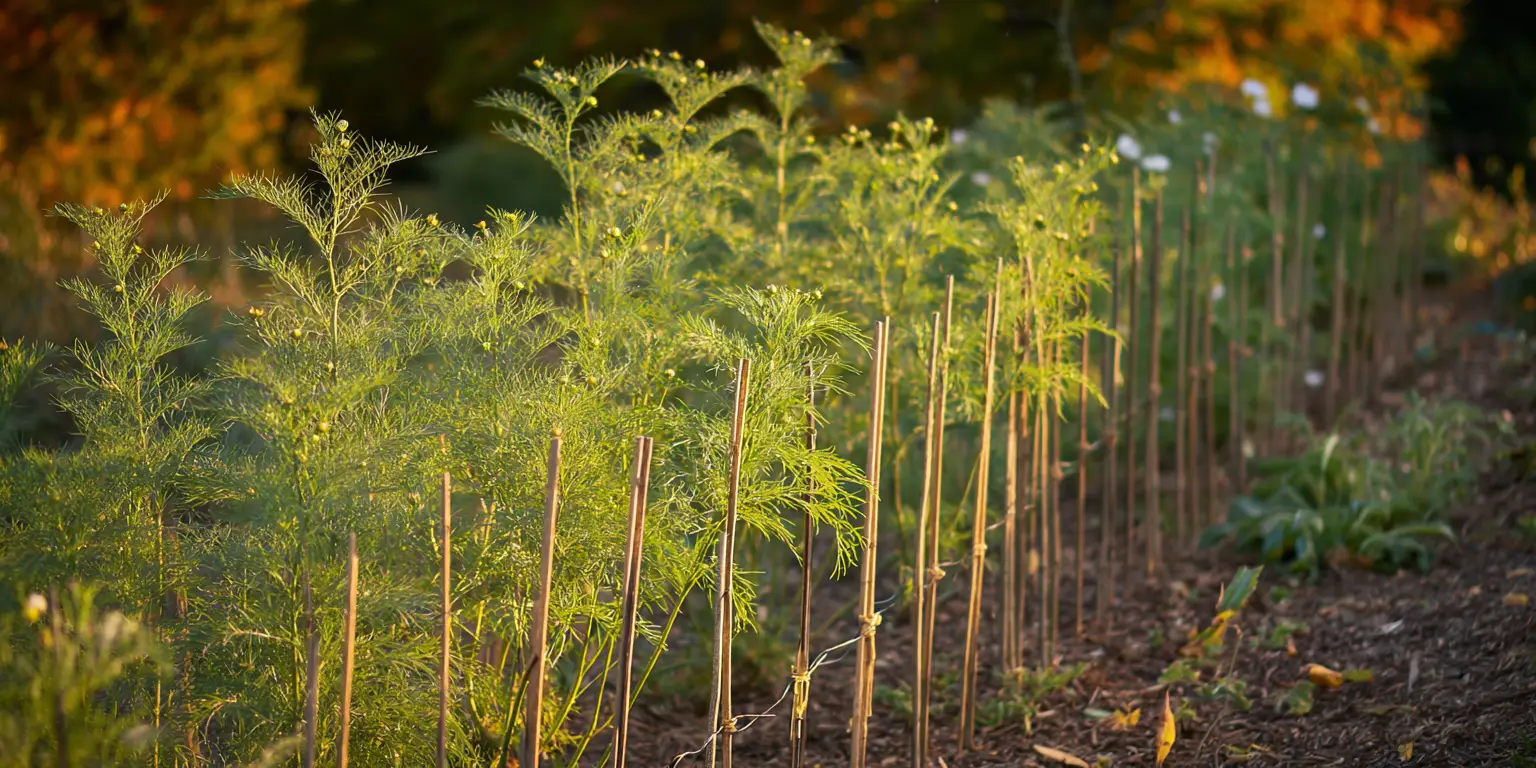
Support tall varieties where wind is common. A simple stake and tie for each clump works in mixed borders. In cutting rows, use a flower support net or string line stretched horizontally between posts at about 18 to 24 inches high which is 45 to 60 centimeters. As stems grow, they rest in the grid and are less likely to lodge. Good airflow matters. Keep the final spacing generous and avoid splashing soil onto foliage when you water. Practice clean tool hygiene to limit disease spread. Wipe pruners with 70 percent isopropyl alcohol before you start and when moving from plant to plant if you see any suspect symptoms. Avoid overhead watering late in the day to reduce leaf wetness that favors powdery mildew.
Overwintering
In most of the United States, Cosmos bipinnatus and Cosmos sulphureus die with the first hard frost. When foliage blackens, pull the plants and compost the healthy material, or leave a few seed heads standing if you like the look and want self sown volunteers next spring. Where self sowing is not wanted, clear spent plants before seeds mature. To protect soil over winter, spread a thin layer of shredded leaves or straw after cleanup. In frost free pockets, a light trim and ongoing deadheading can keep plants going until they tire from age. Remove any winter cover in early spring when new weeds begin to germinate so the soil can warm quickly for the next sowing.
Cosmos atrosanguineus has tuberous roots and is not hardy where winters freeze. In cold regions, lift tubers after frost blackens top growth. Cut stems to a few inches which is about 5 centimeters. Brush off loose soil and allow the tubers to dry for a day in a shaded, airy place. Store them in barely moist peat moss or perlite inside a breathable box or paper bag at about 40 to 50°F which is 4 to 10°C. Check monthly and mist lightly if the storage medium dries out. Protect stored tubers from rodents by using a lidded bin with small air holes or by wrapping each clump loosely in hardware cloth sleeves. Replant in late spring when soils warm, just as you would a tender dahlia.
Growing Environments
Cosmos are very adaptable in the ground and in containers. For pots on patios or balconies, choose a vessel at least 12 inches across by 12 inches deep for compact varieties, which is 30 by 30 centimeters. Taller selections appreciate 5 to 7 gallon containers which is about 19 to 26 liters, with 14 inches of depth or more for stable roots. Drainage holes are essential. Use a peat or coir based potting mix with perlite for air space. Avoid heavy garden soil in containers since it compacts and holds water too long. Position containers where they receive full sun. Rotate pots a quarter turn every week so plants grow evenly. In very hot weather against a south or west wall, give an hour or two of late afternoon shade to prevent stress.
Microclimate choices improve results in the ground. Shelter tall cosmos from prevailing wind with a fence or hedge so stems do not lean. Plant a foot away from light colored masonry that reflects heat if your climate is very hot, or a bit closer to a south facing wall in cooler climates to capture warmth. In partial shade your plants will grow but flower less. If you only have part sun, select compact varieties of Cosmos sulphureus, which are more tolerant of heat and may bloom acceptably with five hours of sun. In soggy low spots do not plant cosmos at grade; build a raised ridge or move to a bed with better drainage. When growing for cut flowers, keep beds in full sun and water deeply once per week to support long, straight stems.
Companion Planting & Design
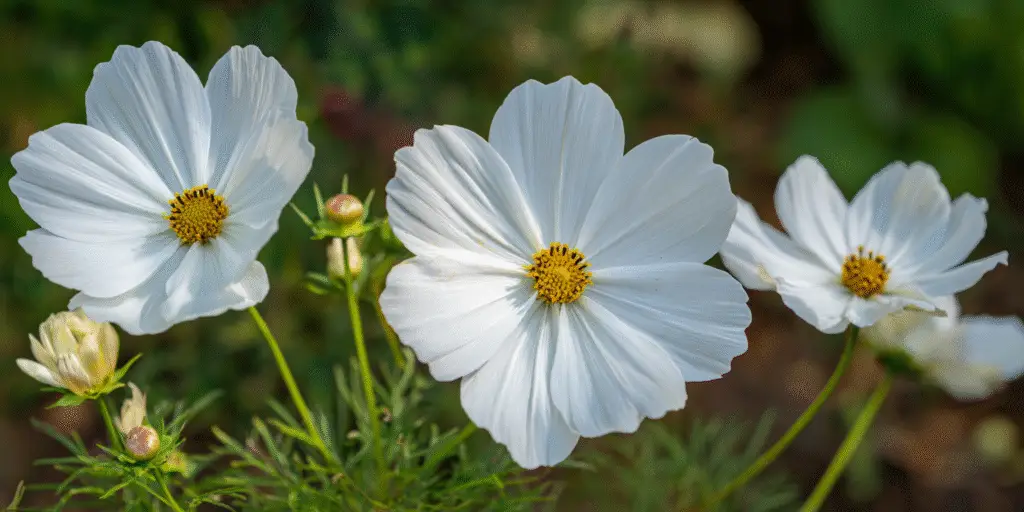
Cosmos are generous in mixed borders and cutting gardens because their airy foliage lets other flowers shine. Pair them with sturdy neighbors that hide their legs and extend the season. Zinnias, celosia, and salvias make bold companions and appreciate similar sunny conditions. Classic summer pairings include Cosmos bipinnatus ‘Sensation’ with brightly colored zinnias and marigolds in a cutting row. Combine white or pale pink cosmos with ornamental grasses to catch evening light in a moon garden. Include sunny annuals like Helianthus annuus to add height behind medium cosmos. For a soft cottage effect near paths, weave cosmos between perennials that provide spring interest so the bed never looks empty.
As you plan, draw on related topics across your site to help readers explore options. Cosmos mingle naturally in borders themed by color such as pink flowers, white flowers, yellow flowers, and purple flowers. They fit comfortably in broader roundups like types of flowers where ease of care matters to beginners. For a romantic border or micro wedding palette, thread cosmos through ideas in your wedding flowers guide to add movement without driving up cost. In sunny bird and pollinator gardens, echo the disks of sunflower and the cheerful mass of zinnias and marigolds. Maintain airflow by keeping at least a hand’s width between mature plants and avoid solid hedges of foliage. This spacing limits powdery mildew and allows beneficial insects to patrol.
References
- North Carolina State Extension Plants Database, Cosmos bipinnatus
- North Carolina State Extension Plants Database, Cosmos sulphureus
- ASPCA Toxic and Non-Toxic Plants, Cosmos


Written by: Your Flowers Guide editorial team
We are a small independent group of flower lovers who research and review each guide using trusted horticultural and educational sources. Learn more about us