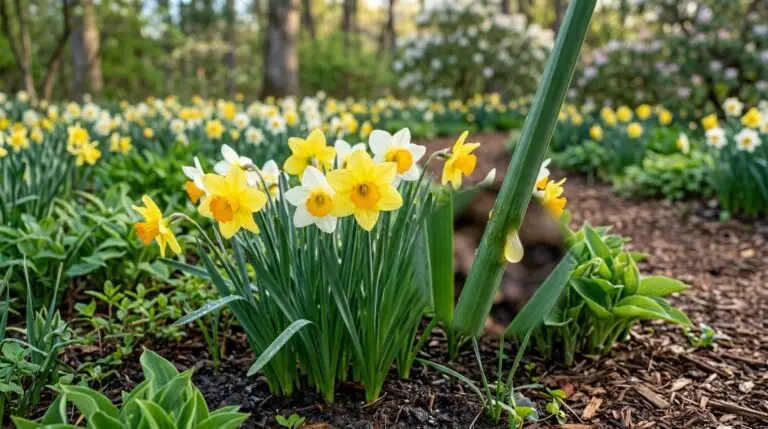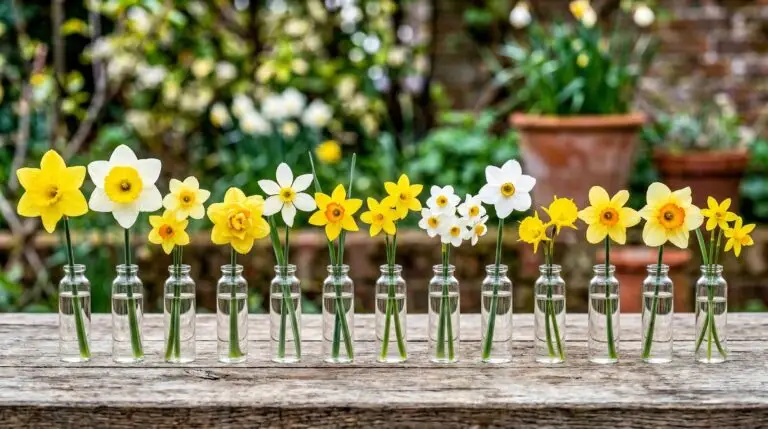
Every spring, gardeners watch the bright yellow and white cups of Narcissus fade, leaving behind a mass of green strappy leaves that slowly flop over the garden bed. I have spent decades fielding questions from frustrated growers who want to know exactly what to do with daffodil foliage after bloom. The impulse to tidy up the garden is strong, especially as the weather warms and new perennials begin to emerge from the soil. However, those green leaves are actively performing a critical biological function that determines the success or failure of next year’s floral display. Cutting them back too early starves the underground bulb, leading to blind bulbs that produce only weak foliage and no flowers in subsequent seasons. Understanding the lifecycle of this resilient geophyte, a plant that survives the dormant season as an underground storage organ, changes how you manage the spring garden cleanup.
The biological purpose of daffodil foliage after bloom
Once a daffodil flower drops its petals, the plant shifts its energy entirely toward photosynthesis and bulb regeneration. The bulb you planted in the fall exhausted its stored carbohydrate reserves to push leaves through the cold soil and produce a flower. Now, the remaining green leaves act as solar panels, capturing sunlight to manufacture the sugars required to rebuild those depleted reserves. A daffodil requires a minimum of six weeks of active growth after the flowers fade to complete this energy transfer. During this window, the foliage must remain fully exposed to the sun and attached to the bulb to ensure the plant can form the embryonic flower bud for the following spring. If you are wondering when to cut daffodil leaves, you must first wait out this mandatory six-week rebuilding period.
The exact duration of this photosynthetic period depends heavily on your local climate and spring weather patterns. In regions with cool, damp springs, the foliage may remain green and actively photosynthesizing for eight or even ten weeks. Conversely, a sudden spike in spring temperatures will accelerate the natural dieback process, known as senescence, causing the leaves to yellow much faster. You should monitor the soil moisture during this time, as adequate water helps the leaves continue their work, but heavy, waterlogged soil can invite basal rot. The plant handles this nutrient transfer perfectly on its own, gradually moving resources down into the bulb scales until the leaves are entirely empty. Interrupting this natural timeline by snipping the green tips or mowing over the bed guarantees a weaker plant next year.
Why braiding or tying leaves harms the bulb
A persistent myth in home gardening suggests that you can tidy up a post-bloom daffodil bed by braiding the leaves, folding them in half with rubber bands, or tying them into tight knots. I strongly advise against this practice because it directly interferes with the plant’s ability to photosynthesize. When you bundle the leaves together, you drastically reduce the surface area exposed to sunlight, effectively cutting the plant’s energy production by more than half. The leaves on the inside of the bundle receive no light at all, and the tight binding restricts the flow of water and nutrients through the vascular tissue. Furthermore, a dense knot of foliage traps moisture against the leaves, creating an ideal environment for fungal diseases like Botrytis to develop in the spring garden. Leaving the foliage loose and upright is the only way to ensure the bulb receives the full benefit of its post-bloom growth phase.
Strategies to manage fading daffodil leaves
It is entirely understandable that many gardeners find fading daffodil leaves ugly as they begin to yellow and sprawl across the soil. Rather than cutting or tying the foliage, the most effective horticultural strategy is to use companion planting to camouflage the declining leaves. You can plant daffodils behind or among emerging perennials like hostas, daylilies, or hardy geraniums, whose expanding foliage naturally hides the yellowing bulb leaves. This successional planting approach works perfectly because the perennials need the root space and sunlight just as the daffodils are preparing to go dormant. You might also mix daffodils with other spring-blooming bulbs that have different foliage habits, such as a late-flowering tulip, which helps distract the eye with fresh color while the earlier daffodils begin their decline. Proper spacing allows all these plants to share the bed without competing too heavily for the available soil nutrients.
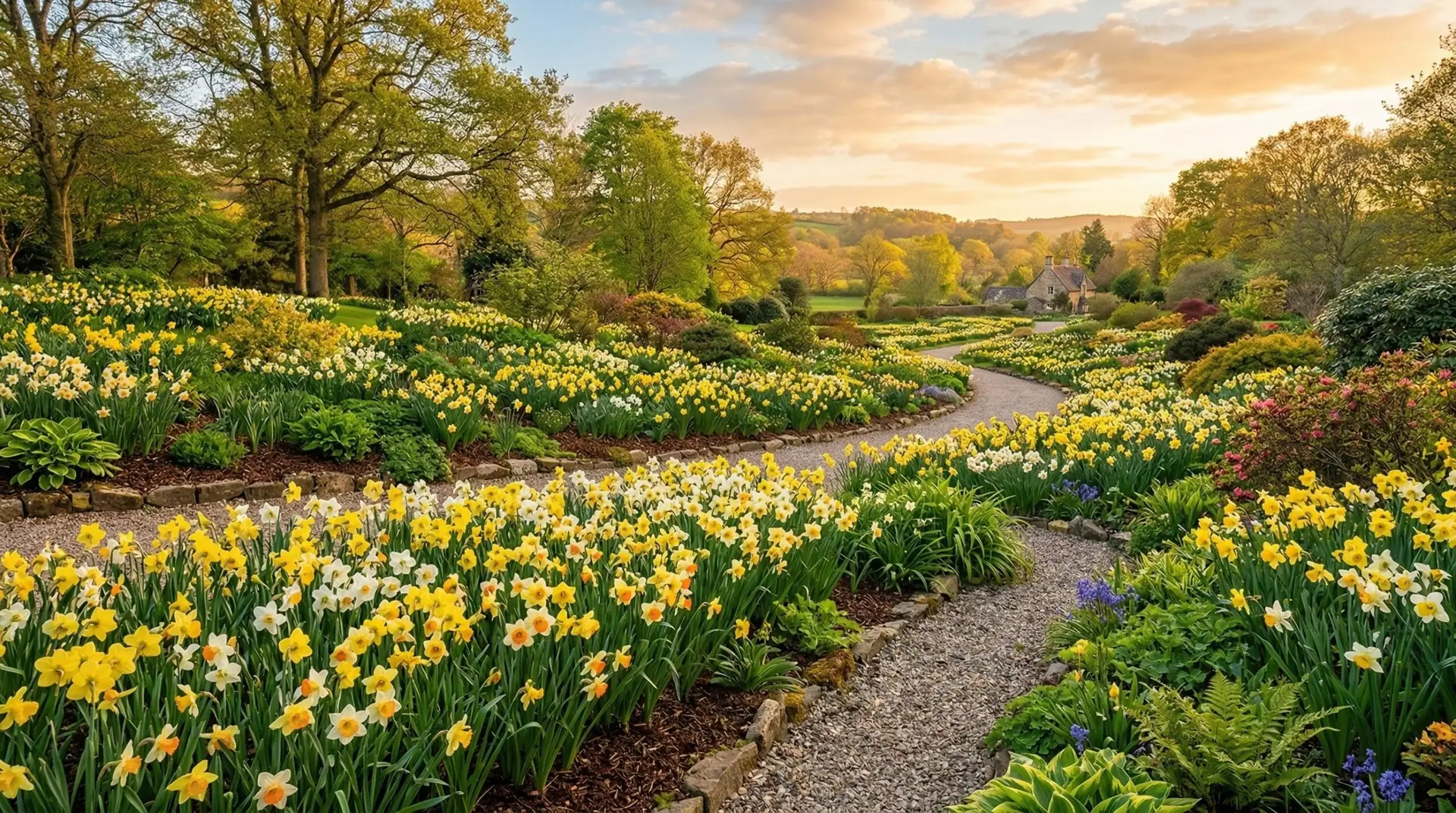
Another effective method for managing the visual impact of the foliage is to plant daffodils in naturalized drifts in a meadow or lawn edge rather than in formal front-border placements. In a naturalized setting, the fading tall grass blends seamlessly with the declining daffodil leaves, making the transition look like a normal seasonal progression. If you must plant them in formal beds, consider placing them in the middle or back of the border where summer-blooming plants will quickly overtake them. Some gardeners successfully interplant daffodils with summer bulbs like a tall lily, allowing the emerging lily stalks to draw attention upward and away from the ground level. You can apply a light layer of compost around the base of the plants during this transition, which feeds the soil microbes and gently covers the lowest portions of the yellowing stems. By planning your garden layout with the foliage decline in mind, you eliminate the temptation to prune the leaves prematurely.
Recognizing when it is safe to remove the foliage
You will know the bulb has finished its work when the foliage turns completely yellow or brown and falls flat against the ground. The leaves should look dry and papery, indicating that all the moisture and carbohydrates have been successfully transferred down into the bulb scales. At this stage, you can gently tug on a leaf, and if it releases from the soil with zero resistance, the plant is fully dormant and ready for cleanup. If you feel any tension or hear a snapping sound when you pull, the leaf is still attached to the basal plate and needs a few more days to detach naturally. Once the leaves are fully detached, you can compost them, provided they show no signs of fungal disease or pest infestation. The soil surface will be clean, and the bulbs will rest quietly underground until the autumn rains signal them to begin growing new roots.
Handling the post-bloom period correctly is the single most important factor in maintaining vigorous, long-lived daffodil colonies. Many of the heritage varieties planted in old botanical gardens have bloomed reliably for decades specifically because their foliage is allowed to die back naturally every single year. You should resist the pressure to maintain an artificially pristine garden in late spring and instead respect the biological needs of the plants you grow. By giving the leaves the time and space they need to photosynthesize, you are directly feeding the next generation of flowers. Take a walk through your garden this week and assess where your spring bulbs are in their growth cycle, making note of any empty spots where you might add leafy perennials this fall to help manage next year’s transition.