How to Grow and Care for Dahlia
Contents
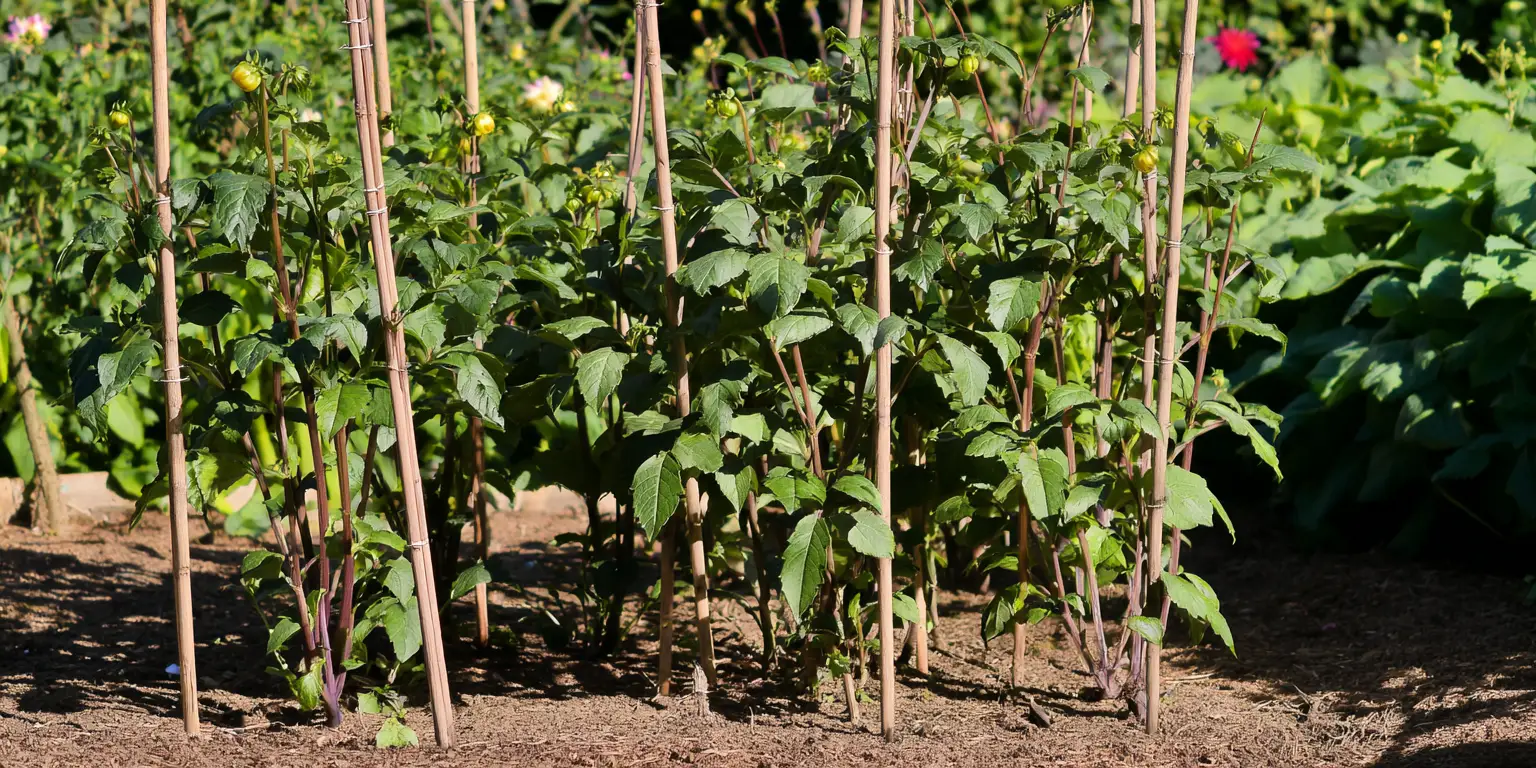
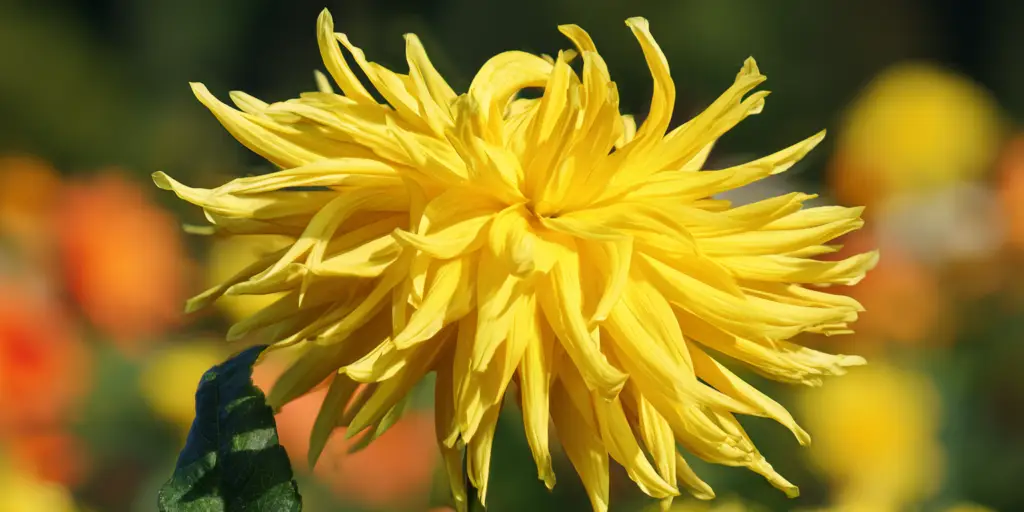
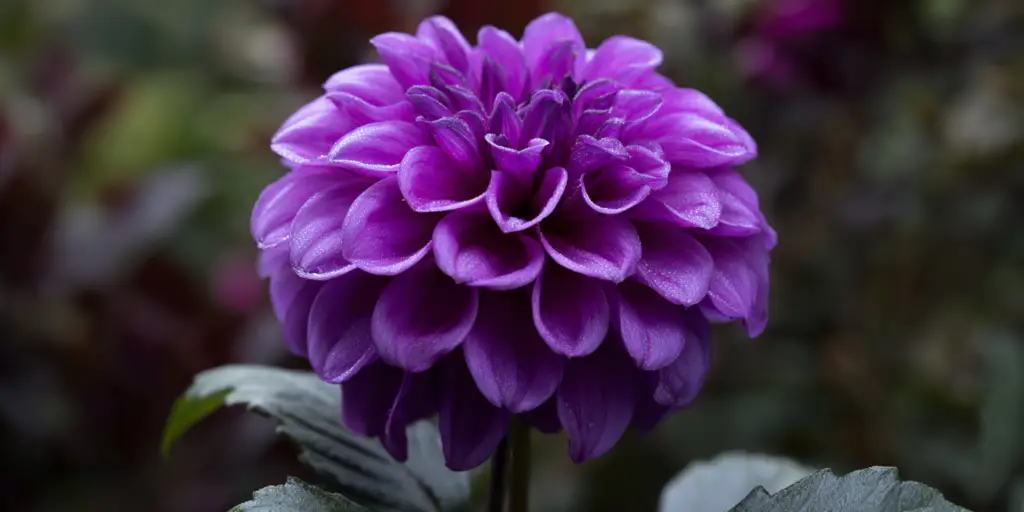
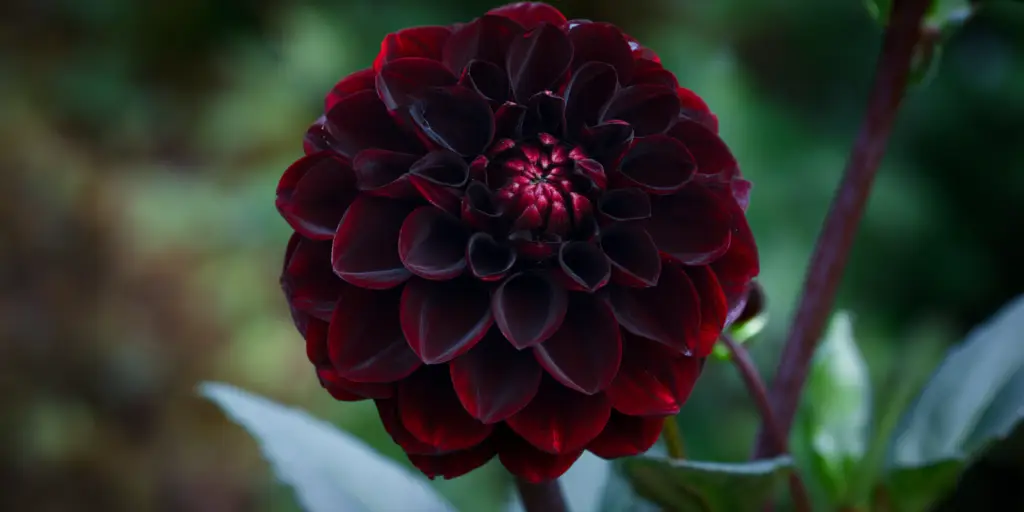
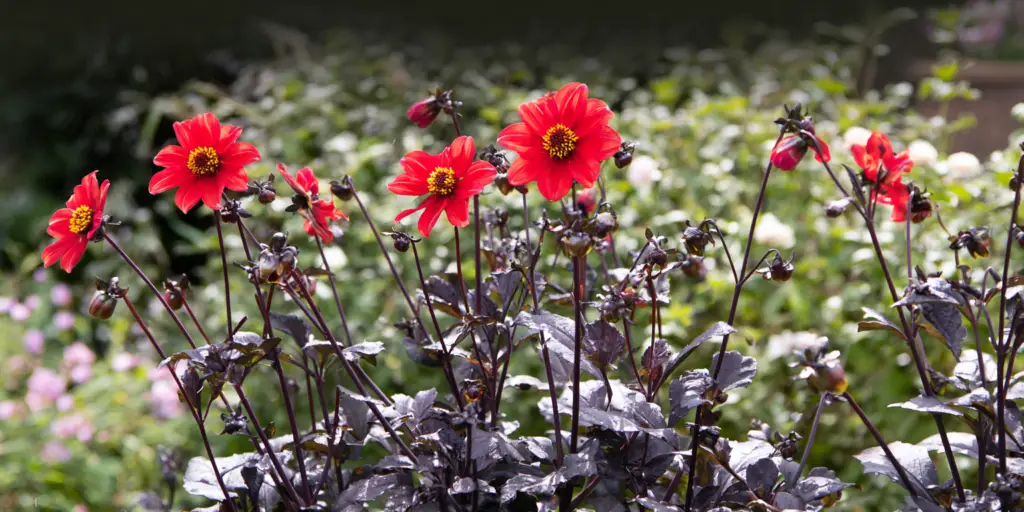
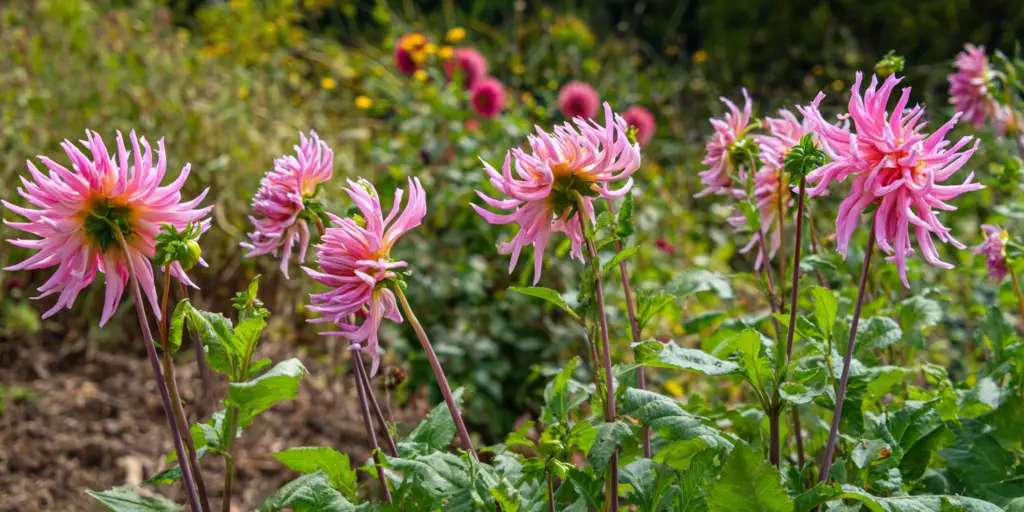
Dahlia care starts with understanding what these plants are and how they grow. Dahlia is the accepted botanical genus for a large group of tuberous perennials in the aster family. Garden dahlias in cultivation are complex hybrids within this genus and are commonly referred to as garden dahlias. Plants are prized for dazzling blooms that range from petite pompons to giant dinner plates in almost every color. In most of the United States, dahlias are treated as tender perennials grown from dormant tubers planted after frost. In USDA Zones 8 to 10 they can persist in the ground with winter protection while in colder regions the tubers are lifted and stored.
Dahlias want abundant light and steady, moderate moisture in deep, well drained soil. Aim for full sun with 6 to 8 hours of direct light, especially morning sun, with light afternoon shade in hot inland regions. Success with dahlia care comes down to four repeatable steps. Start tubers in warm, well prepared soil and plant at the correct depth. Keep early watering light until shoots appear. Feed modestly with low nitrogen formulas while keeping mulch and airflow tuned to the weather. Finish the season by deadheading, supporting tall stems, then curing and storing tubers correctly for next year.
Soil & Bed Preparation
Dahlias perform best in a deep, friable loam that holds moisture but drains freely. Dig beds 8 to 12 inches deep and blend in two to three inches of finished compost to improve both heavy clay and very sandy soils. In heavy clay, raise the bed 6 to 8 inches to keep tubers above persistently wet layers that invite rot. In very sandy soils, increase organic matter to boost water holding and add a one inch surface mulch after planting to slow evaporation. Water must move through the root zone within a day after rainfall or irrigation. If soil stays wet around the crown, tubers are vulnerable to rot. Improve drainage by elevating beds, loosening subsoil, and avoiding traffic on wet ground. In coastal or high rainfall climates, plant in raised rows or mounded stations to shed water away from crowns.Dahlias are moderate feeders that respond to fertile but not overrich soil. Before planting, blend in a balanced, low nitrogen fertilizer or a slow release organic source at label rates and top up with compost. High nitrogen spikes produce lush foliage and fewer flowers. A seasonal target is 4 to 6 percent soil organic matter. Recheck soil every two to three years and adjust with lime or sulfur only when a test calls for it.
Planting Calendar by USDA Zone
Zones 3 to 5. Start tubers after danger of frost when soil at 4 inches reaches about 60°F (16°C). In much of these zones that means mid to late May. To gain a few weeks, prestart tubers indoors in 1 to 2 gallon pots 4 to 6 weeks before your last frost date and set them out after hardening off. Expect the first flush to begin in midsummer and continue until first frost. Lift and store tubers once frost blackens foliage. High elevation sites in these zones benefit from short season or smaller flower classes that set faster in cool nights.
Zones 6 to 7. Plant outdoors from late April to mid May after last frost. In long warm autumns flowers can continue well into October. In Zone 7 with sharp drainage and a thick winter mulch, some gardeners successfully overwinter in the ground, though losses increase in wet winters. In hot, humid summers, give plants morning sun and light afternoon shade and space generously to reduce mildew pressure.
Zones 8 to 9. In maritime or Mediterranean 8 to 9 climates, plant from March to April once soils warm. Where winters are mild and soils drain well, tubers can overwinter under a 4 to 6 inch blanket of coarse mulch. In hotter inland or Gulf sites, plant early to catch the long spring window, then shield roots with mulch and provide afternoon shade during peak heat. If summer nights remain very warm, flowering can pause, then resume with cooler nights in late summer to fall.
Zone 10 and mild 11 pockets. Treat dahlias as cool season performers. Plant in late fall to winter for winter and spring bloom, then rest plants through the hottest months. Use containers or very well drained raised beds. In subtropical humid regions, success improves with morning sun, excellent air movement, and shorter, heat tolerant cultivars.
Planting: Depth & Spacing
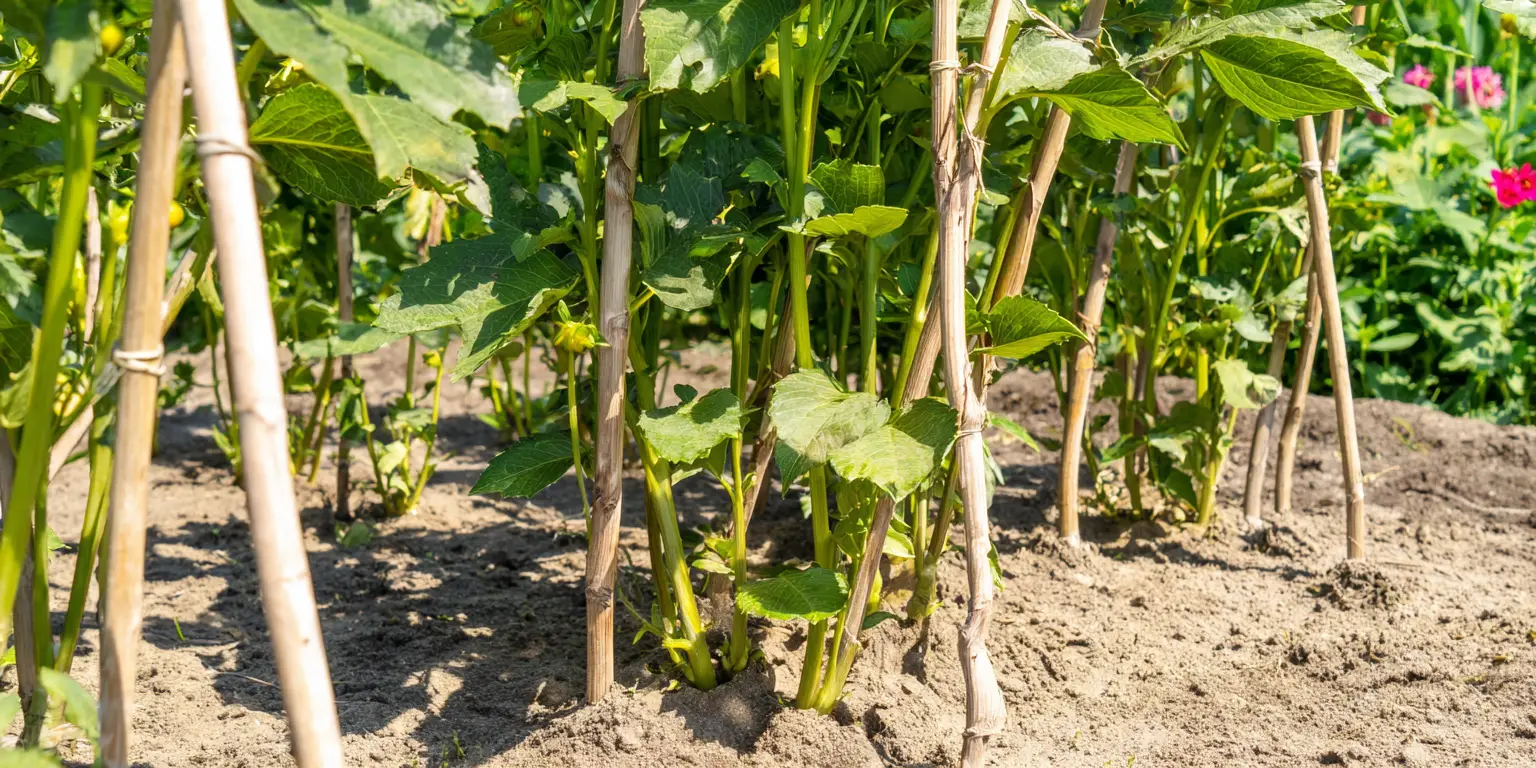
Dahlias are planted from tubers. Dig a hole about 8 to 10 inches wide and 4 to 6 inches deep for most garden soils. In heavier clay, set shallower at 3 to 4 inches; in light sand, set closer to 6 inches. Lay the tuber horizontally with the eye or sprout facing up. Backfill with native soil amended with compost. Do not water heavily at planting if soil is already moist. For cutting gardens, set sturdy stakes or a support post at planting so you do not injure roots later. Divisions must include a living eye attached to a neck and a portion of crown. Plant at the same depth guidelines as full tubers, keeping the eye 1 to 2 inches below the finished surface. Space divisions according to mature size. Miniatures and border types can go 12 to 18 inches apart. Standard to large types do best at 18 to 24 inches. Giants and dinner plate classes need 30 to 36 inches with row spacing of 36 to 48 inches to leave room for work and air. When transplanting a potted dahlia, set the crown even with or just below the surrounding soil. Disturb roots as little as possible. Water in to settle soil, then allow the surface to dry slightly between deep waterings the first week. Space as you would field grown plants based on mature width and support needs. Harden off any prestarted plants outdoors for 7 to 10 days, beginning with bright open shade and moving to morning sun. Plant on a calm, mild day. Water in lightly to close air pockets, then wait to resume deeper irrigation once new growth resumes. Temporary shade screens on the west side help the first week in bright, hot weather.
Watering & Mulching
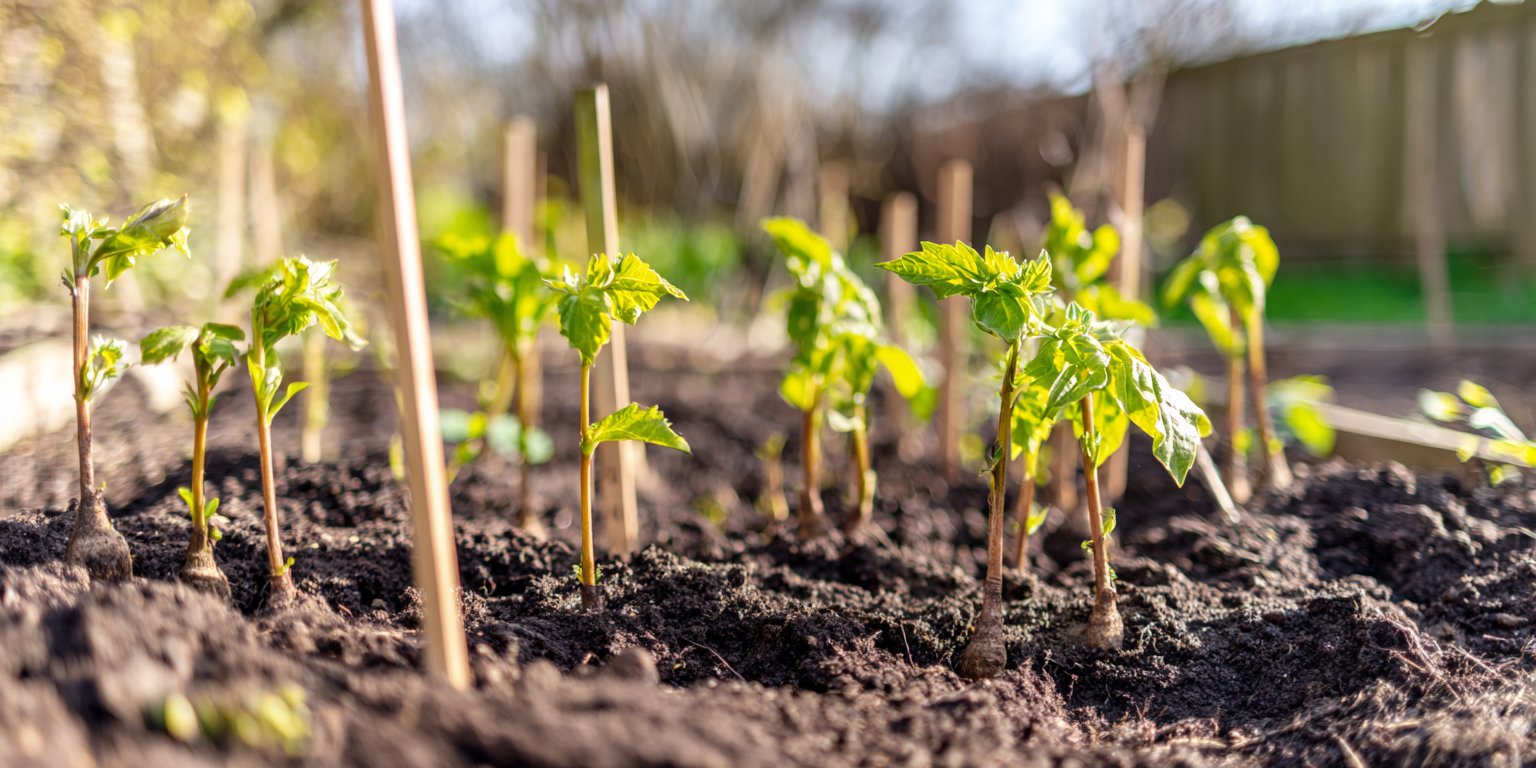
At planting, the soil should be slightly moist. Tubers need oxygen as much as water. Once shoots emerge and true leaves begin, switch to deep, even irrigation. A practical target for in ground plants is about 1 inch of water per week from rain and irrigation combined, delivered in one to two deep soakings. In heat or sandy soils, two moderate soakings may be better than one heavy event. In containers, expect to water more often as temperatures rise and roots fill the pot. Apply a 2 to 3 inch layer of organic mulch such as shredded leaves, pine needles, or clean straw once soil has warmed. Keep mulch a hand’s width back from stems to reduce crown rot. In cool springs, delay mulching until the soil is reliably warm. In very hot climates, a light colored mulch moderates soil temperature while holding moisture. The combination of poorly drained soil and frequent light watering is the fastest path to trouble. Water at the soil line early in the day so foliage dries quickly. Avoid overhead watering when blooms are open. If you garden on heavy soil, keep beds raised and consider adding coarse mineral material only where it increases porosity without sealing the surface. During heat spikes above 95°F (35°C), shade cloth or temporary afternoon shade can prevent stress and flower scorch. Increase irrigation frequency during prolonged drought but continue to water deeply. If irrigation water is very hard or salty, leach container soils with extra water occasionally to flush accumulated salts, and use low salt fertilizers. In regions with reclaimed water, monitor soil electrical conductivity if you notice leaf tip burn.
Feeding
Blend a modest dose of slow release or organic fertilizer into the top 6 inches of soil at planting. Begin side dressing or liquid feeding when plants reach 12 inches tall or when the first buds form. Repeat every 4 to 6 weeks through midsummer, then taper as nights cool. In short seasons, one midseason feeding may be enough. Dahlias prefer low nitrogen nutrition. Use formulations near 5‑10‑10 or 4‑8‑6 for in ground plants. Balanced slow release fertilizers in containers are fine, but keep total nitrogen modest. Too much nitrogen produces tall, leafy plants with fewer blooms and more mildew. If a soil test shows high phosphorus, select a lower P analysis and rely on compost and slow release potassium to round out nutrition. Favor living soil. A two inch annual top dress of quality compost supplies micronutrients and improves structure. Avoid fertilizing late in the season on heavy soils which can push lush growth before cool nights, increasing disease risk. Retest soil every two to three years so you correct pH or nutrients only when needed.
Pruning & Support
When young plants reach 10 to 12 inches tall, pinch out the growing tip above a pair of leaves. This encourages two strong laterals, creates a fuller plant, and sets up a longer bloom run. For large exhibition blooms, disbud by removing the two side buds on a stem and keeping the central bud. Remove spent blooms as soon as petals flag. Track the flower stem back to a strong side shoot with visible buds and cut cleanly just above it. This keeps plants from expending energy on seed and maintains a neat habit. A clean angled cut sheds water. Install supports at planting. Single stakes work for many garden varieties while a three stake triangle or a stout T post is better for the largest types. Use soft ties and add levels as plants rise. In cutting rows, horizontal flower netting can keep stems upright in stormy weather. Keep pruners and knives clean between plants to reduce the spread of virus and fungal spores. Wipe blades with 70 percent isopropyl alcohol or a fresh 10 percent bleach solution, then rinse and dry at day’s end to prevent corrosion. Discard any plants that show severe mosaic or distorted growth and do not propagate from them.
Overwintering
In Zones 8 to 10, allow frost to cut back foliage or trim stems to a few inches after bloom slows. Mulch crowns 4 to 6 inches deep with a coarse, airy material such as pine needles or shredded leaves. Keep mulch dry in winter rains. Check for vole activity and use traps or baskets if damage is common. After a light frost blackens tops, wait a few days for eyes to form on the crown, then dig on a dry day. Cut stalks to 2 to 4 inches. Loosen soil with a fork and lift the clump gently. Shake off soil and let clumps cure in a shaded, frost free area with good air for several days. Label varieties before you clean further. Store at 40 to 50°F (4 to 10°C) in a breathable container with a barely moist packing medium such as wood shavings, peat, or vermiculite. Check monthly. If tubers shrivel, mist the packing lightly. If they mold, increase ventilation and remove infected pieces. Divide either at fall cleanup after curing or in late winter before planting. Each division needs at least one firm tuber attached to a piece of crown carrying a viable eye. Use a sharp, sanitized knife. Dusting cut surfaces with garden sulfur is optional. Replant divisions in spring at the same depth guidelines you use for whole tubers. In vole or gopher country, line planting holes with hardware cloth baskets or plant in raised beds with buried wire bottoms. During winter storage keep temperatures stable. Avoid places with warm days and cold nights that cause condensation and rot.
Growing Environments
Dahlias grow reliably in pots if you size the container to the plant. Use at least 5 gallons (19 L) for dwarf and border types, 10 to 15 gallons (38 to 57 L) for larger varieties. Choose a pot with wide drainage holes and a sturdy base. A peat or coir based potting mix blended with perlite and 10 to 20 percent compost works well. Plant one dahlia per container and stake at planting. Container plants dry fast in wind and heat. Water deeply when the top inch is dry and feed lightly but consistently. Morning sun with light afternoon shade helps in hot zones. In reflective courtyards, shield pots from west facing walls to avoid heat stress. In windy yards, tuck plants behind a fence or hedge and orient rows with the prevailing wind to reduce bruised petals. On cool spring soils, prewarm ground with dark fabric, then remove fabric when consistent warm nights arrive. Focus on drainage first. Use raised beds, coarse mulch, and drip irrigation to keep foliage dry. Select more open flower forms in very damp climates to increase airflow through the canopy.
Companion Planting & Design
In cold regions, dahlia foliage dies back with frost. Pair taller dahlias with sturdy perennials such as ornamental grasses or autumn salvias that hold structure. Use low growers like alyssum or dwarf marigolds at the front to mask bare lower stems and to attract beneficial insects. For early color while dahlias size up, tuck in spring annuals that fade as the dahlia show begins. Single and semi double dahlias offer accessible pollen and nectar that attract bees and butterflies. Mix these with herbs like basil and thyme and with late flowering companions like cosmos and zinnias. Maintain generous spacing so air flows between plants and pollinators can work without brushing wet petals. Dahlias can play with many palettes. Warm coral or apricot forms sit beautifully beside pink and yellow flowers in sunny borders. Deep purples and near blacks pair handsomely with purple flowers and glossy foliage for drama. In classic mixed borders, dahlias knit naturally with roses, tulips, and hydrangea macrophylla to bridge the seasons. In planning a seasonal palette for events, explore your wedding flowers guide and broader types of flowers collections to match form, color, and bloom window for each space. Use white or cream forms to cool a hot mix and to echo nearby pink or purple flowers in containers at entries.
References
- University of Minnesota Extension. Planting bulbs, tubers and rhizomes.
- North Carolina State University Extension Gardener Plant Toolbox. Dahlia.
- Oregon State University Extension. Dahlias in Oregon: Planting for a Parade of Late‑season Blooms.
- Washington State University Extension. Growing Dahlias East of the Cascades.
- Cornell Cooperative Extension, Nassau County. Culture of Dahlias.
- University of Georgia, College of Agricultural and Environmental Sciences. Dahlias, Circular 576.
- Rutgers New Jersey Agricultural Experiment Station. How to Grow Dazzling Dahlias.
- Missouri Botanical Garden. Plant Finder: Dahlia (group).
- ASPCA Animal Poison Control Center. Dahlia.
Written by: Your Flowers Guide editorial team
We are a small independent group of flower lovers who research and review each guide using trusted horticultural and educational sources. Learn more about us