Contents 4 sections
The charm of the classic spring blue
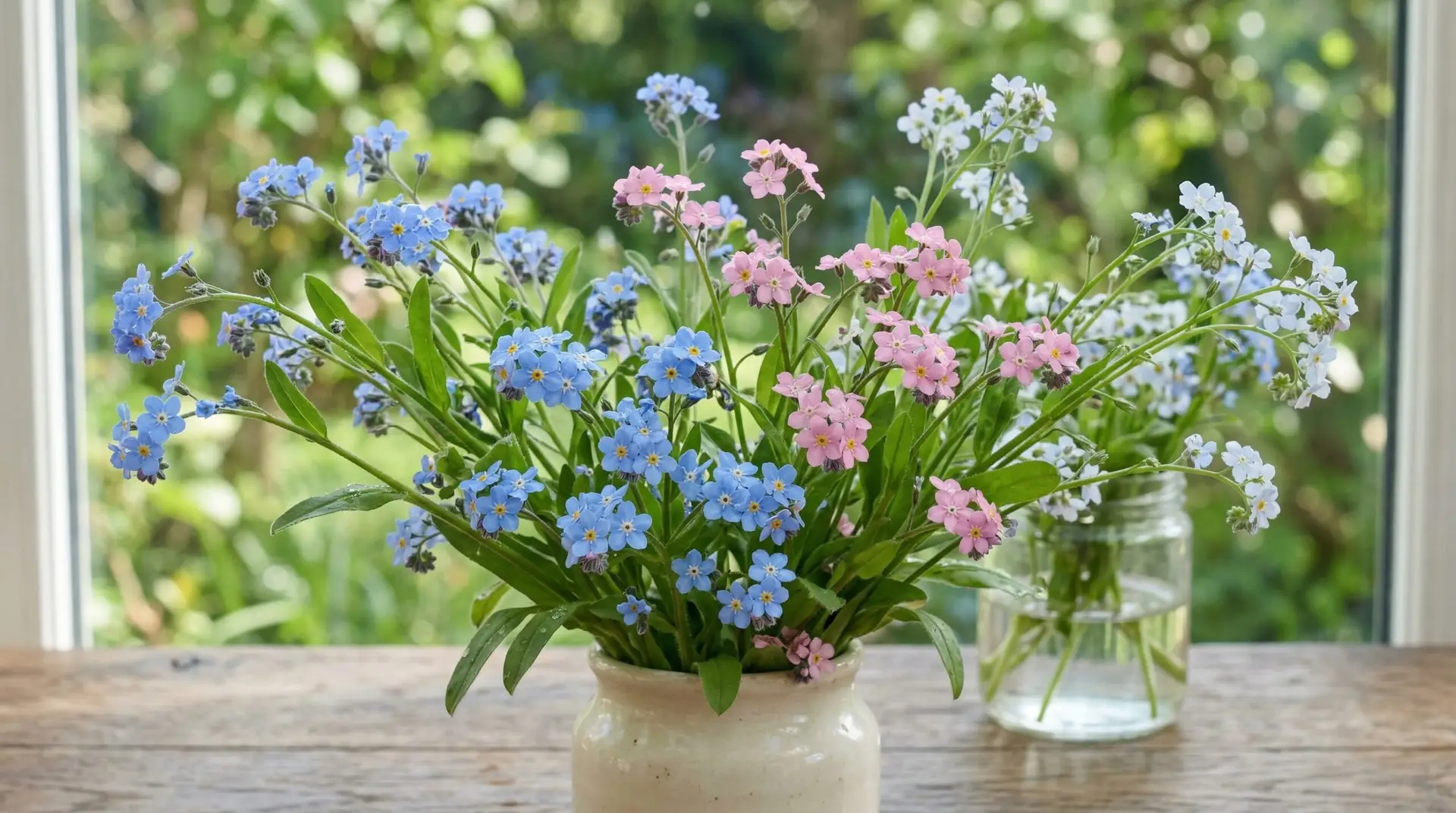
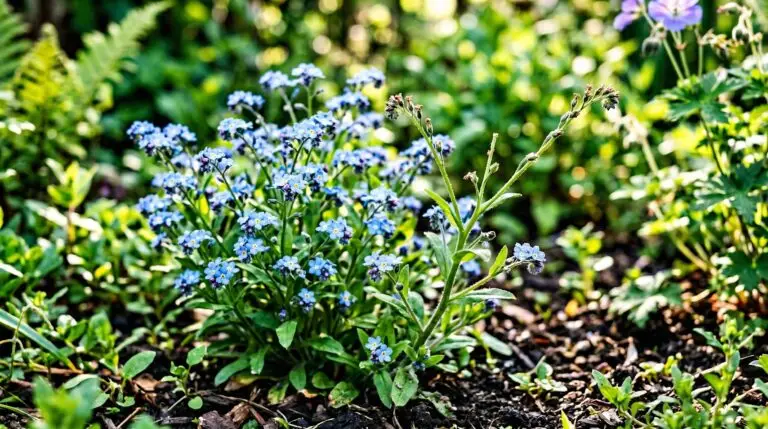
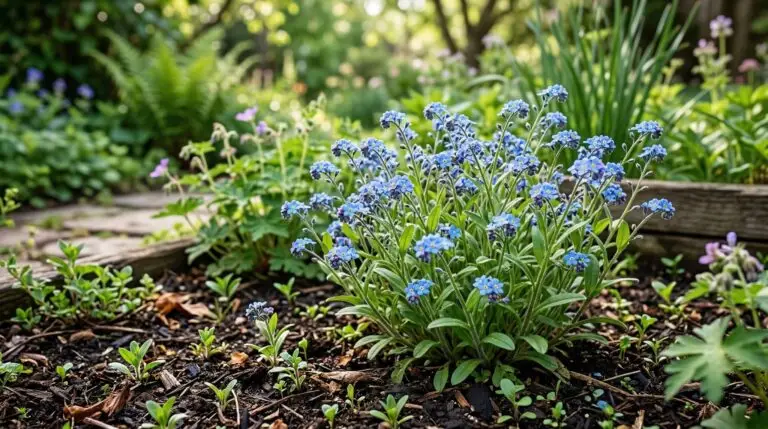
There is a specific moment in mid-spring when the garden wakes up and the ground suddenly wears a haze of pure blue. That color is exactly what drew me to forget-me-nots years ago, and it remains one of the clearest, truest blues you can grow in any climate. Most spring flowers lean heavily toward purple or pale violet, but a classic forget-me-not has a bright, piercing blue tone marked by a tiny yellow eye. The plants form a low, frothy underplanting that makes every other spring bulb look significantly better. Tulips and daffodils seem to float above them, anchored by that soft blue base that ties the whole garden bed together. The first time you see a thick patch of them blooming in the dappled light under a budding tree, you understand exactly why gardeners have passed these seeds around for generations. You also quickly realize that a single plant is never enough, and you begin looking for ways to encourage them to spread.
Getting to know the different types of forget-me-nots requires understanding how they actually grow in the garden. The most common garden species, Myosotis sylvatica, is a biennial or a very short-lived perennial. This means the plant spends its first year growing a low rosette of fuzzy green leaves and saves all its energy to bloom the following spring. Once you establish a patch, they self-seed so readily that they behave like true perennials, popping up in the exact right places year after year. It is always a small thrill to find a rogue seedling blooming in a crack in the walkway or nestled against a large stone. You just have to learn to recognize their fuzzy little leaves in late summer so you do not accidentally weed out next spring’s flower display.
Navigating the different types of forget-me-nots
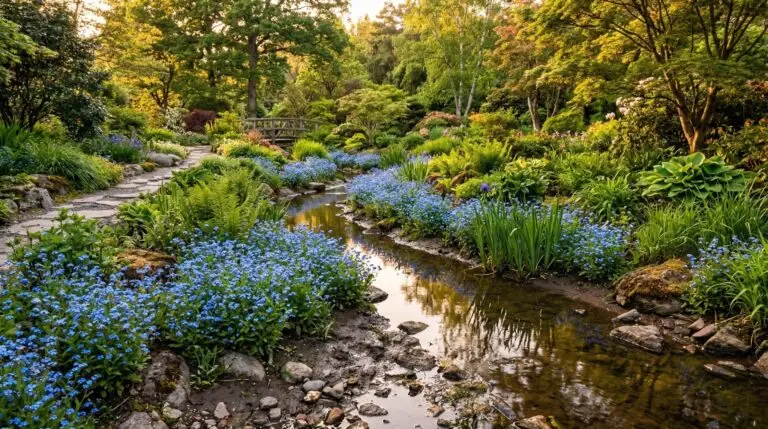
While the woodland species is the familiar face of spring, true enthusiasts eventually discover the water forget-me-not, Myosotis scorpioides. This species is a genuine perennial that behaves entirely differently from its woodland cousin. Instead of forming upright mounds in dry shade, it creeps along the ground and thrives in heavily saturated soil. I originally planted a small piece of it near a leaky outdoor faucet, and it quickly formed a dense mat of shiny, hairless leaves that looked completely different from the fuzzy woodland types. It blooms slightly later than the woodland species and produces flowers intermittently throughout the entire summer if the soil stays wet. Getting a specific, moisture-loving plant to thrive gives you a deep sense of satisfaction, especially when it rewards you with those familiar blue flowers in the heat of July.
Choosing between the woodland and water species comes down to your soil structure and your patience for watering. The water forget-me-not needs constant moisture and will quickly crisp up and die if you leave it in a dry garden bed. It spreads by creeping rhizomes, making it perfect for the muddy edge of a pond or a dedicated bog garden where other plants might drown. The woodland types are much more forgiving of dry shade, though they still prefer decent soil and regular spring rain to look their best. If you have a typical garden bed under a deciduous tree, Myosotis sylvatica is the species you want to plant for reliable results. They both have that signature blue color, but matching the right species to your specific soil conditions is the only way to keep them healthy.
Finding the right myosotis varieties for your garden
Once you start exploring specific myosotis varieties, you realize that the woodland species has a lot of subtle variation in its growth habits. My personal favorite for a reliable, tidy shape is ‘Victoria Blue’, which forms tight, compact mounds rather than getting leggy and sprawling across the dirt. The flowers on ‘Victoria Blue’ are a deep, intense azure that holds its color well even on unusually warm spring afternoons when other flowers might fade. When planted alongside Virginia Bluebells, the combination makes a layered effect of different blue tones and bell shapes that feels entirely natural in a woodland setting. I have found that ‘Victoria Blue’ stays low enough to use as a formal edging plant along shady brick paths. It is a highly predictable variety that gives you exactly the clean, uniform look you want in a structured spring border.
Sometimes the best way to appreciate a plant is to grow its color mutations, and the pink and white forget-me-not varieties are entirely charming additions to the garden. ‘Rosylva’ is a beautiful pink form that opens with a warm, rosy hue and fades to a soft blush as the individual flowers age. It completely changes the mood of a spring bed, especially when you mix it with dark purple tulips or white bleeding hearts for contrast. For heavily shaded corners, the white variety ‘Alba’ is incredibly useful because the pure white flowers catch the low spring light. They seem to glow in the deep shadows under large evergreen shrubs where blue flowers might disappear. Growing a random mix of blue, pink, and white forms together makes a soft, impressionistic look that makes a young garden feel wild and established.
Managing the life cycle and late season flaws
True enthusiasm for a plant means accepting its less appealing traits, and forget-me-nots definitely have a messy phase that you have to manage. By early summer, the woodland varieties finish blooming and start to look completely exhausted from their efforts. The fuzzy leaves are highly susceptible to powdery mildew, and a once-beautiful blue patch can quickly turn into a gray, straggly mess of diseased foliage. I learned early on that you have to be ruthless and pull the plants up by their roots as soon as they start looking ratty. By the time the leaves turn gray, the plants have usually dropped thousands of tiny seeds onto the soil anyway. Pulling them clears the stage for your summer perennials and saves you from looking at ugly, dying leaves for the next two months.
Even with the late-season pulling and the inevitable powdery mildew, I cannot imagine a spring garden without a massive patch of these plants. The emotional reward of seeing that very first blue flower open in April erases all the memories of weeding out the old, crusty plants the previous June. I love snipping a few small stems to put in a tiny glass bottle on the kitchen windowsill, and I enjoy bringing that intense blue indoors where I can look closely at the tiny yellow eyes. As the spring fades and the forget-me-nots finish their run, I rely on Cornflowers to take over the blue color duties in the summer garden. Knowing that the new forget-me-not seeds are already sleeping in the soil, waiting for the autumn rains to sprout, makes the garden feel like a continuous, living cycle. That quiet, self-sowing reliability is exactly what keeps me coming back to these modest little flowers year after year.
More About Forget-me-nots
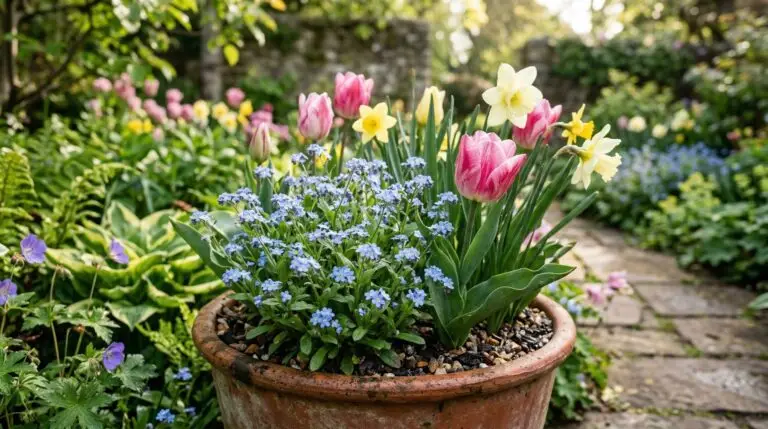
Forget-me-nots in containers and window boxes for spring cottage charm
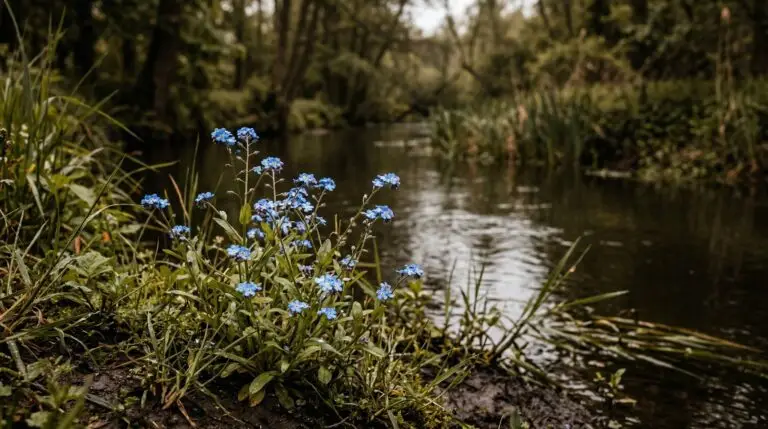
Forget-me-not flower meaning and the romantic legend behind the name
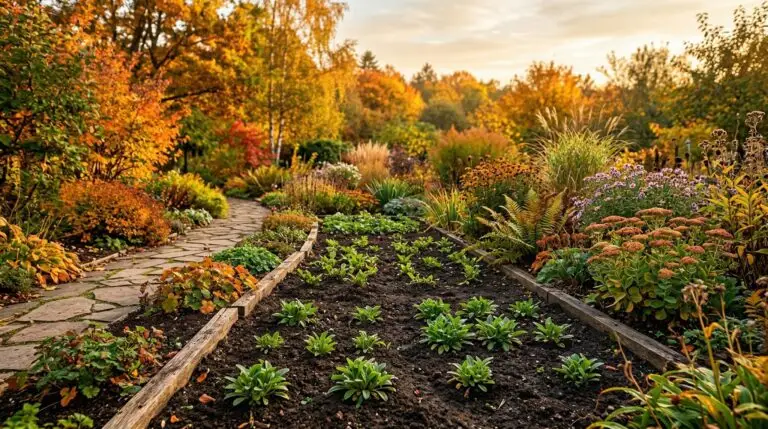
Growing forget-me-nots from seed and the simple trick of fall sowing for spring flowers
How to control forget-me-nots when self-sowing becomes too enthusiastic
How to grow forget-me-nots for clouds of tiny blue flowers in spring gardens
Forget-me-nots in literature and art and their enduring place in cultural memory
Water forget-me-nots for pond edges and stream banks that stay wet
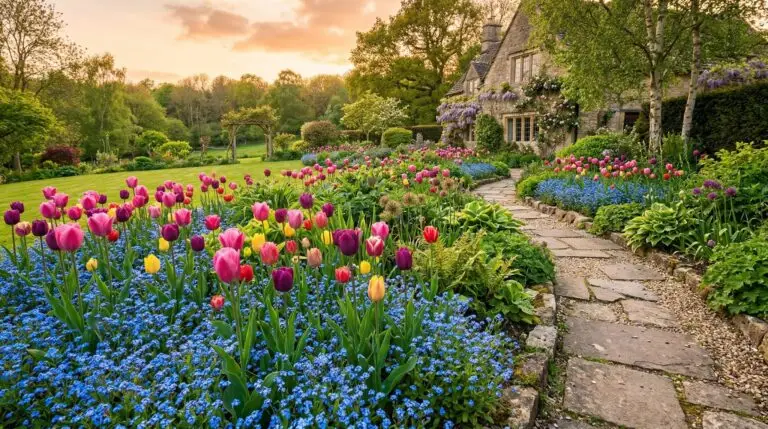
Forget-me-nots as ground cover under spring bulbs for a layered woodland look
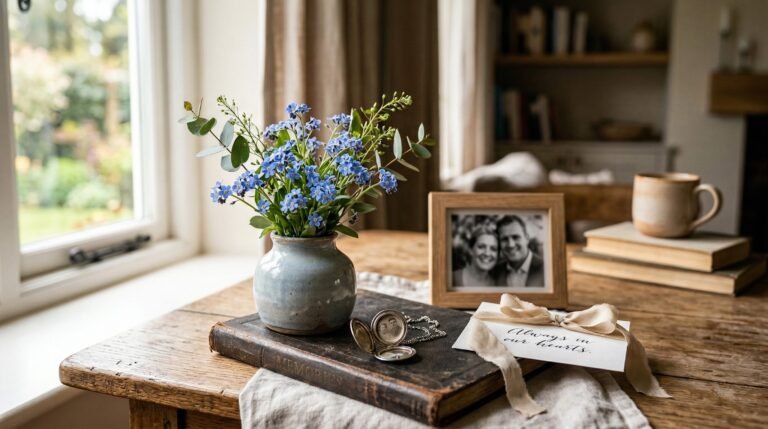
Forget-me-nots for wedding flowers and the sentimental meaning for bridal bouquets
Enjoying our flower guides? Add YourFlowersGuide as a preferred source on Google. It helps more readers find us.
Add to Preferred Sources