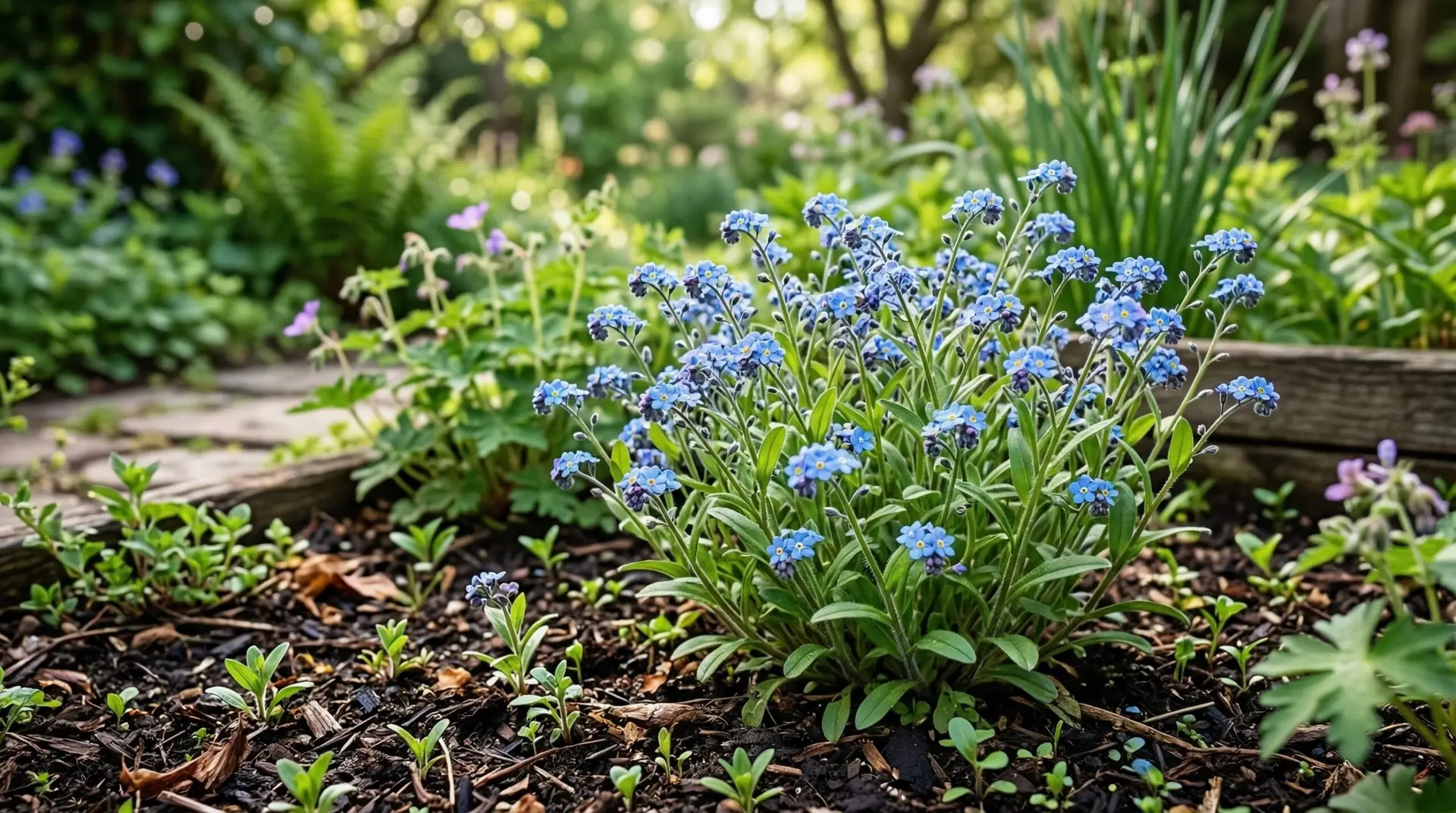
There is a specific moment every early spring when the garden looks mostly like mud and dead leaves, but a closer look reveals dozens of fuzzy, low-growing green rosettes hugging the soil. Those little green patches are the promise of spring, signaling that the forget-me-nots have returned to do the planting work for you. Growing forget-me-nots requires managing a very enthusiastic volunteer that wants to fill every empty gap with clouds of tiny blue flowers. They are one of those rare plants that genuinely thrive on neglect as long as they are placed in the right environment initially. The true trick to success with these plants is learning to recognize their seedlings so they do not end up in the compost bin during the first aggressive weeding session of the year. Once established in a shady, moist corner, they will reliably blanket the ground year after year without needing a single packet of store-bought seeds.
Anyone who has tried to maintain a perfectly manicured, bare-dirt garden will likely find myosotis growing to be a frustrating experience because these plants do not respect boundaries. They operate on a biennial schedule, meaning the seeds that drop in early summer will sprout into small leafy clumps by fall, survive the winter under the snow, and bloom profusely the following spring. Understanding this two-year life cycle is the most important part of keeping them around permanently. If the fading, brown plants are pulled up immediately after they finish blooming in late May, they will never have the chance to drop their seeds for the next generation. The garden will look a bit untidy for about three weeks while the seed pods dry and scatter, but that temporary mess is the price of admission for next year’s blue carpet. Learning to tolerate that brief period of brown, ragged foliage is a habit that pays off with endless free plants.
Contents 3 sections
Finding the right soil and light conditions
Forget-me-nots are woodland edge plants by nature, which tells you exactly what kind of conditions they prefer in a backyard setting. They want soil that holds onto moisture without turning into a stagnant puddle, and they prefer protection from the harsh afternoon sun. Gardeners in the South will need to plant them in full or dappled shade to keep them from crisping up by early May, while those in northern zones can often get away with putting them in partial or even full sun as long as the ground stays consistently damp. You do not need expensive potting mixes or specialty fertilizers to make them happy. Simply working a few shovels of homemade leaf mold or basic garden compost into the top few inches of soil before scattering the initial seeds will give them exactly what they need to establish strong roots. They are incredibly forgiving about soil pH, but they will absolutely punish a gardener who tries to force them to grow in dry, sandy spots next to a hot concrete driveway.
Pairing these blue bloomers with other early spring flowers creates a layered garden bed that requires very little effort once the roots take hold. They make an excellent ground cover to hide the fading foliage of taller spring bulbs that bloom around the same time. Planting them around the base of daffodils provides a bright color contrast while keeping the soil shaded and cool as the weather starts to warm up. They share the exact same growing requirements as early woodland ephemerals, making them perfect companions for Virginia Bluebells in a damp corner of the yard. Because they have relatively shallow root systems, they will not compete aggressively for nutrients with larger established perennials or shrubs. The blue flowers act as a unifying carpet that ties disparate garden beds together before the heavy summer perennials wake up.
Routine forget-me-not care and watering
Practical forget-me-not care comes down to observing the weather and stepping in with a hose only when nature fails to provide enough rain. During a typical wet spring, you might not need to water them at all, but a dry spell in April or May will cause the flowers to drop prematurely if the soil dries out completely. A simple touch test with a bare finger is the best moisture meter available for these plants. If the top inch of dirt feels dry, give the bed a deep, slow soaking right at the soil level rather than spraying the foliage from above. Overhead watering encourages powdery mildew, which is the single most common problem these plants face when the spring days turn humid and warm. The leaves will develop a white, dusty coating that looks terrible, though it rarely actually kills the plant before it has a chance to drop its seeds.
Dealing with powdery mildew is often a matter of improving air circulation rather than spraying expensive fungicides that wash off in the next rain. When the plants sprout too thickly, they create a dense, humid microclimate near the soil that practically invites fungal issues to take hold. Thinning the seedlings out in early spring is a necessary chore that many gardeners skip because it feels wrong to pull up healthy plants. Grabbing a handful of the weakest seedlings and tossing them in the compost gives the remaining plants the airflow they need to stay green and vigorous through their blooming cycle. If mildew does show up late in the season, simply pull the worst-offending plants out entirely and shake them over the dirt first to ensure their seeds stay behind. The remaining healthy plants will quickly fill in the empty spots left behind by the removed foliage.
Managing the self-sowing volunteers
The true joy and occasional headache of growing these flowers is their absolute determination to spread everywhere the wind and water carry their tiny seeds. You will find them popping up in the cracks of brick walkways or under the dense shade of mature trees where grass refuses to grow. Fortunately, they have shallow, fibrous roots that make them incredibly easy to pull out of places where they are not wanted. A quick tug is usually all it takes to remove an errant plant, making them much less frustrating to manage than deep-rooted weeds. Many gardeners choose to dig up these misplaced volunteers with a small trowel and move them to bare spots in the woodland garden alongside early bloomers like Snowdrop bulbs. Transplanting them is a simple process, but it requires a bit of patience and a willingness to ignore some temporary ugliness.
Moving established forget-me-not seedlings in the spring often results in a plant that looks completely dead for about a week after transplanting. The leaves will flop over, turn slightly yellow, and lie flat against the mud, convincing you that the transplant was a total failure. They are not dead, and they do not need to be dug up and thrown away. Give them a thorough watering, walk away, and give them time to re-establish their root contact with the new soil. Within ten days, the center of the rosette will perk up, new green growth will appear, and the plant will go on to bloom exactly as if it had sprouted there naturally. This resilience makes them one of the best plants for filling in large, empty garden beds on a nearly zero-dollar budget. You buy one packet of seeds a single time, and you spend the next decade moving the offspring around like living mulch.
Accepting a certain amount of wildness is the secret to finding peace with a garden full of self-sowing biennials. These plants will never stay exactly where you put them, and they will dictate their own design choices by thriving in the spots they prefer and dying out in the spots they dislike. Let them wander around the shady borders, pull them out of the pathways when they get in the way, and leave the fading brown stalks alone long enough to secure next year’s display. Gardening with these tiny blue flowers is an exercise in letting go of rigid control and allowing the yard to behave like a living, breathing ecosystem. You provide the damp soil and the shade, and the plants will reward you with a reliable, effortless carpet of spring color that requires almost nothing from you in return.
More About Forget-me-nots
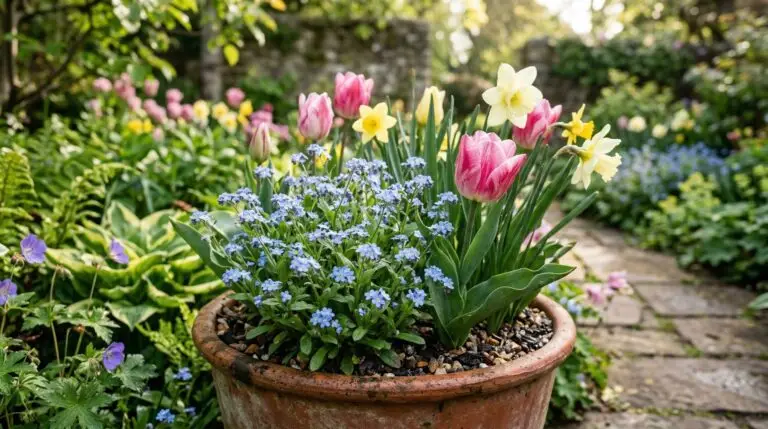
Forget-me-nots in containers and window boxes for spring cottage charm
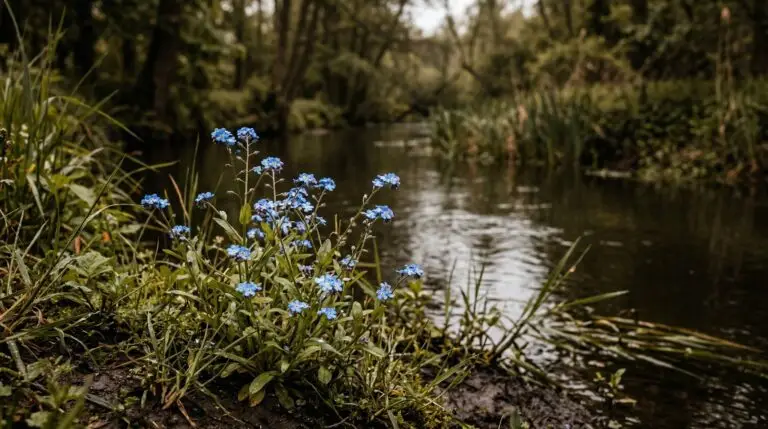
Forget-me-not flower meaning and the romantic legend behind the name
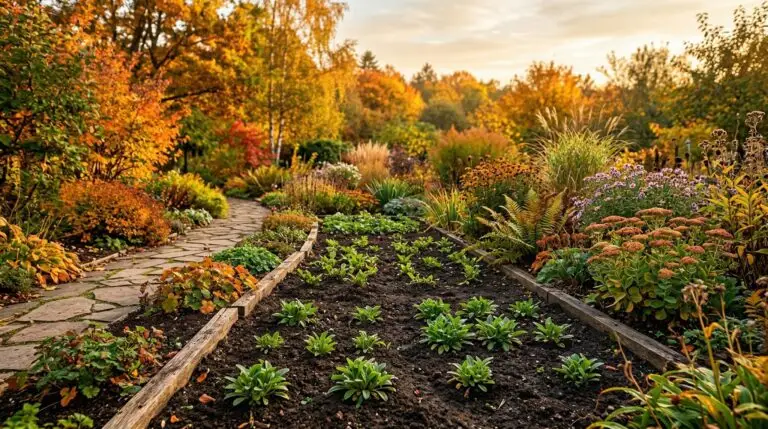
Growing forget-me-nots from seed and the simple trick of fall sowing for spring flowers
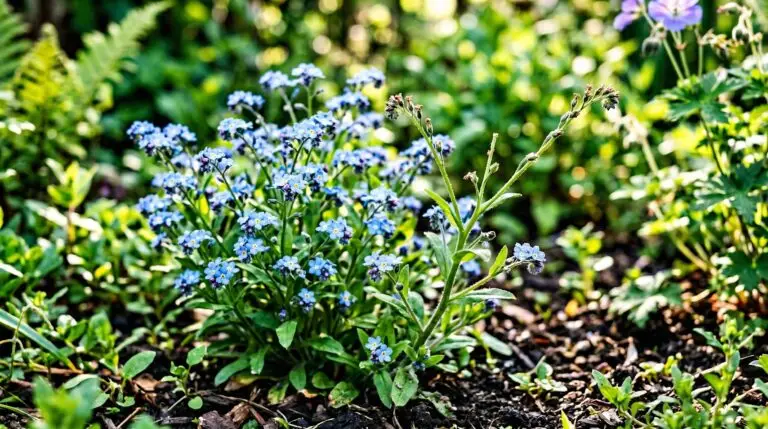
How to control forget-me-nots when self-sowing becomes too enthusiastic
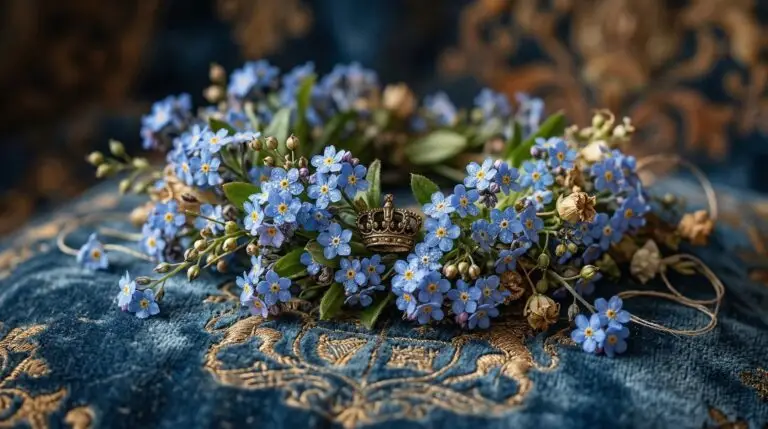
Forget-me-nots in literature and art and their enduring place in cultural memory
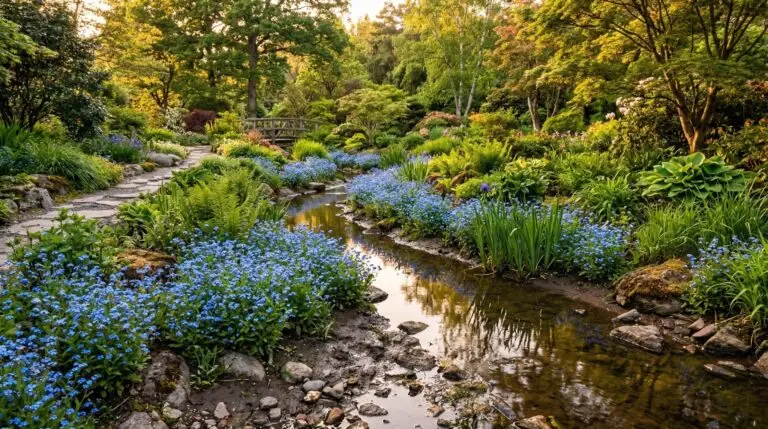
Water forget-me-nots for pond edges and stream banks that stay wet

Forget-me-nots as ground cover under spring bulbs for a layered woodland look
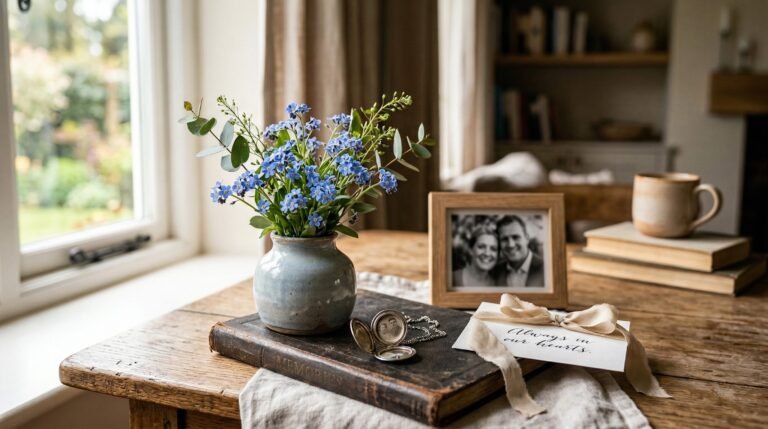
Forget-me-nots for wedding flowers and the sentimental meaning for bridal bouquets
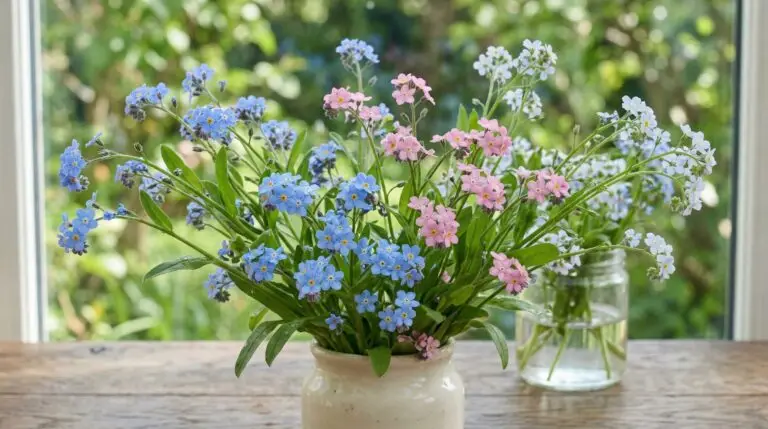
Best forget-me-not varieties from classic blue Myosotis to pink and white forms
Enjoying our flower guides? Add YourFlowersGuide as a preferred source on Google. It helps more readers find us.
Add to Preferred Sources