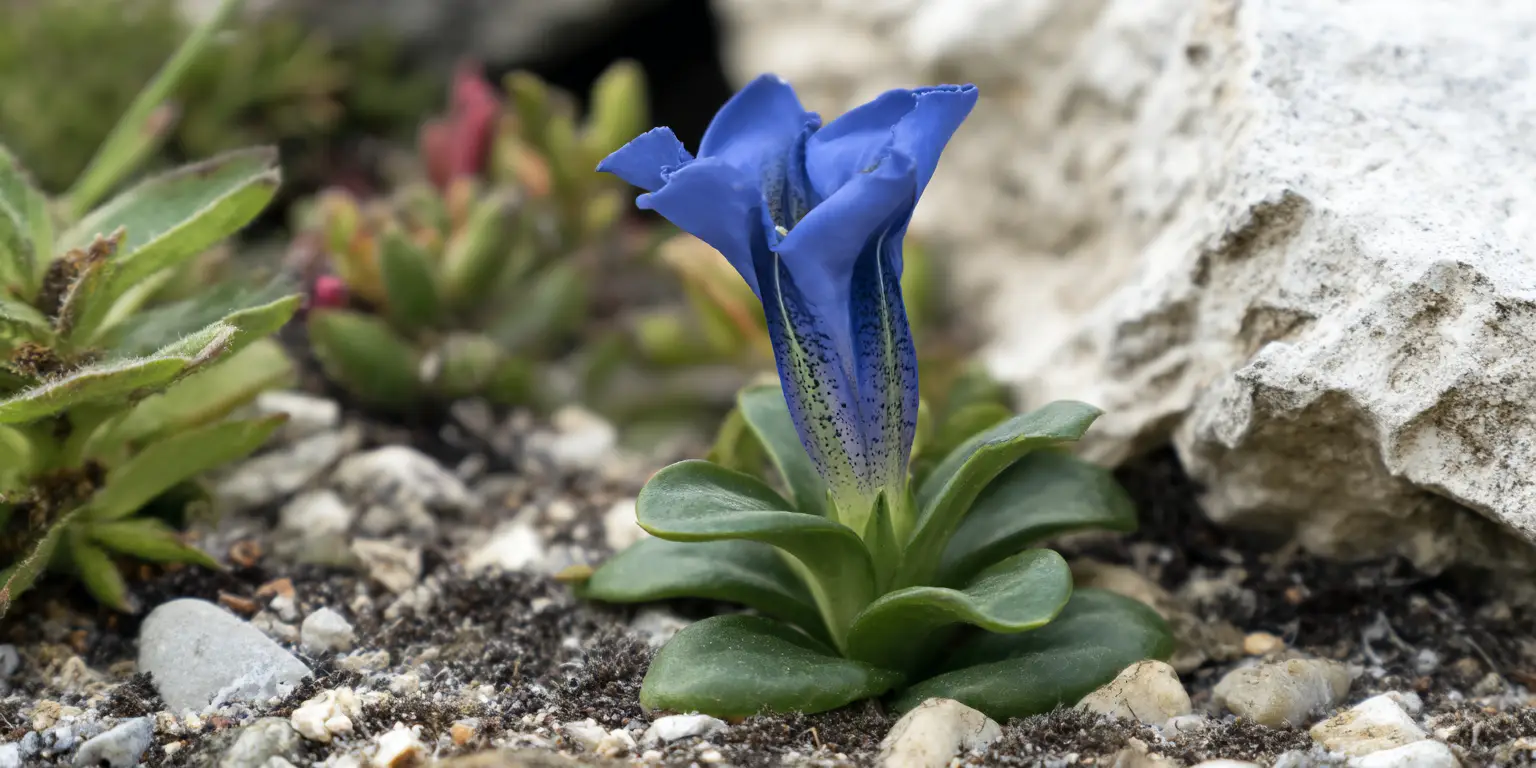
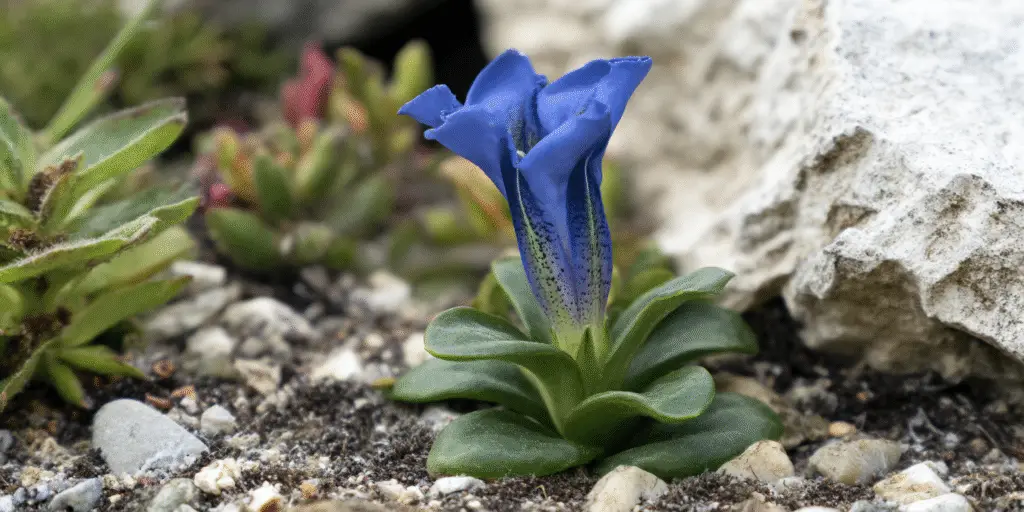
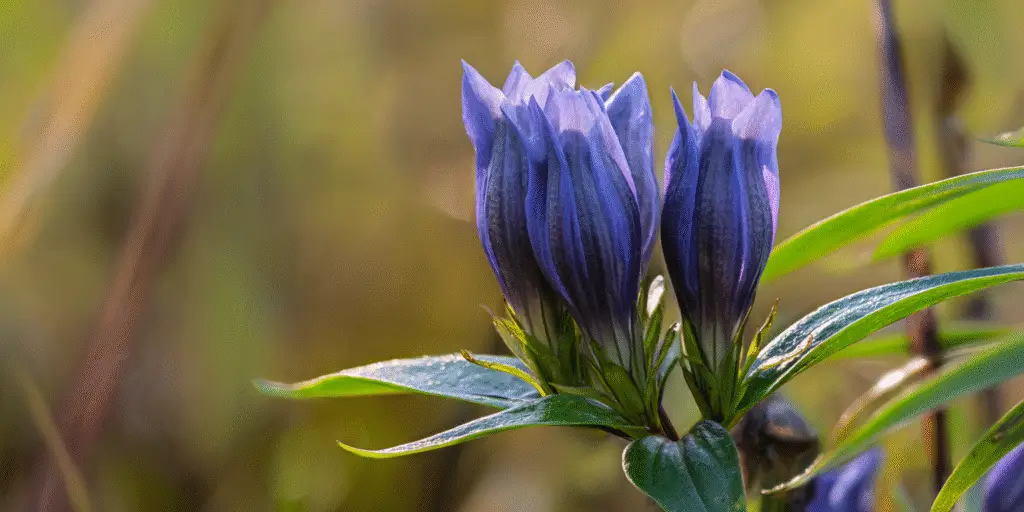
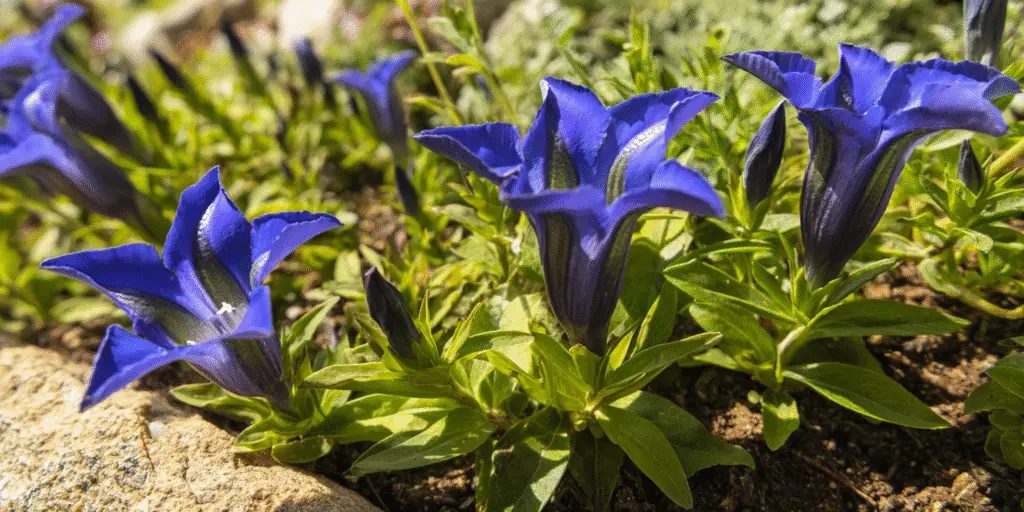
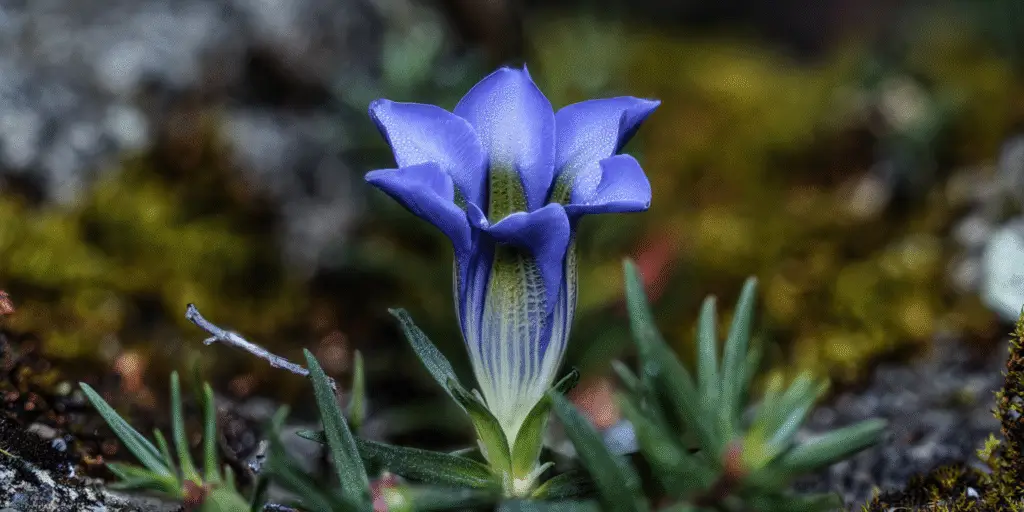
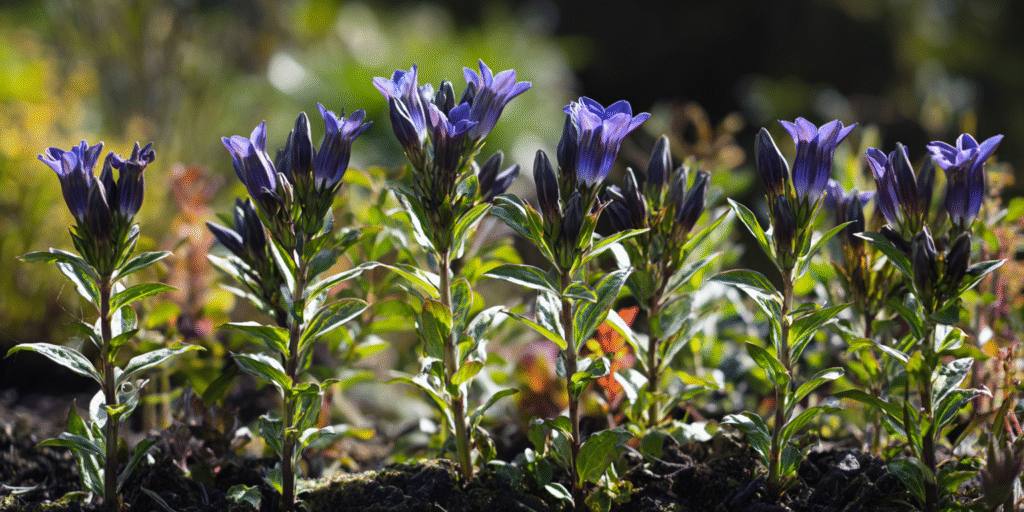
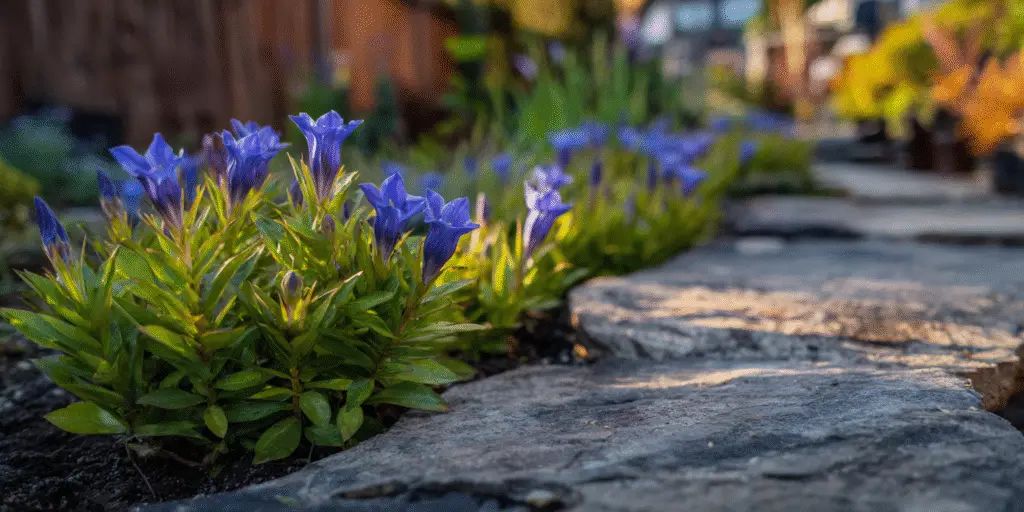
This alpine species is a stemless gentian valued for intense blue, trumpet‑shaped flowers that seem to sit on the foliage. It forms low, evergreen mats that suit troughs and rock gardens in cool‑summer climates. Plants flower from late spring to early summer and prefer moist, gritty soil that drains well. Performance drops where summers are hot and humid, so afternoon shade helps in the South. Use where the soil stays evenly moist but not waterlogged.
At‑a‑glance
Group/Class: trumpet gentian
Height × spread: 3-6 in (8-15 cm) × 8-12 in (20-30 cm)
Bloom window: late spring to early summer
Color & flower form: deep blue, upward‑facing trumpets with green‑spotted throat
Fragrance: 0 none
USDA hardiness: zones 3-7
Breeder / Year / Origin: Linnaeus, 1753, European Alps
Awards/registration: RHS Award of Garden Merit
Pet safety: unknown
How it differs
Very low, stemless habit compared with many border gentians.
Spring bloom rather than late summer to fall.
Evergreen rosettes that form tight mats.
Needs cool summers and sharp drainage to flower well.
Strengths
Intense true blue trumpets.
Compact footprint for rock work and troughs.
Evergreen foliage in mild winters.
Recognized for garden performance by the RHS.
Care in one minute
Site in full sun to part shade with shelter from harsh afternoon sun in hot regions.
Provide gritty, moist but sharply drained soil; pH acidic to neutral.
Water to keep evenly moist; never waterlog.
Feed lightly in spring with a balanced, slow‑release fertilizer.
Avoid heavy mulch around the crown; provide light gravel top‑dress for drainage.
In hot zones, give afternoon shade and extra air circulation.
Written by: Your Flowers Guide editorial team We are a small independent group of flower lovers who research and review each guide using trusted horticultural and educational sources. Learn more about us