Understanding the true identity of scented geraniums
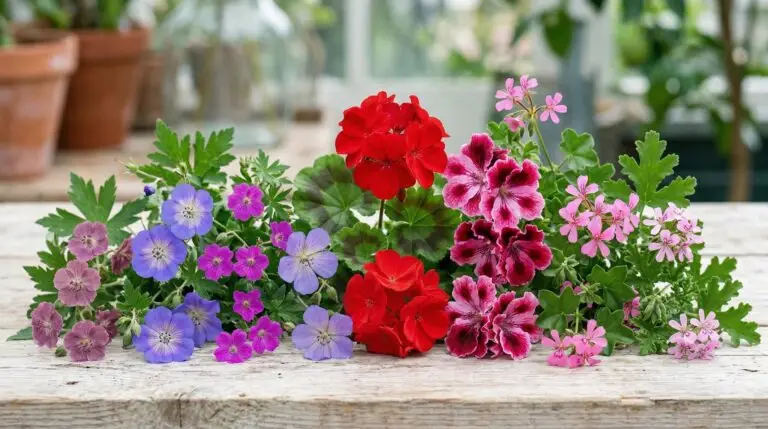
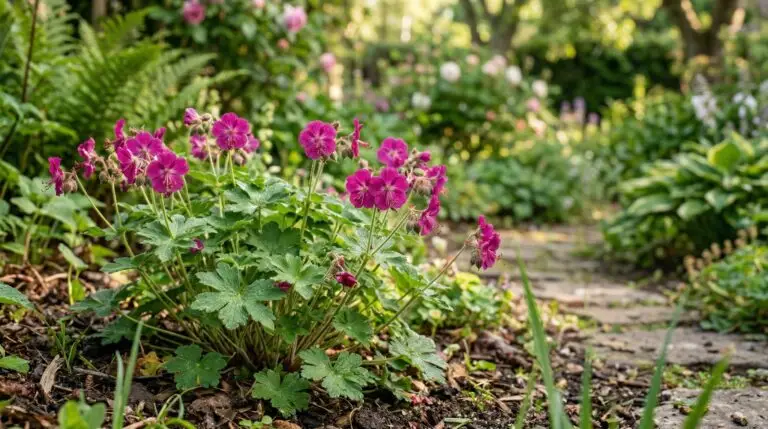
One of the first things gardeners ask when they start growing scented pelargoniums is why they smell like entirely different plants. It is a fair question, especially since the name itself causes a bit of confusion right out of the gate. What we commonly call a scented geranium is actually a pelargonium, a tender perennial that belongs to the same broad family but behaves quite differently from the hardy geraniums in your garden beds. These plants come equipped with foliage that can perfectly mimic the aroma of roses, lemons, apples, and even nutmeg. You simply brush your hand against the leaves, and the air immediately fills with a fragrance that seems impossible for a single plant species to produce. The tactile experience of rubbing the textured foliage makes them one of the most interactive plants you can keep in your home.
People naturally wonder how a single plant family can produce such wildly different fragrances. The secret lies in the tiny glandular trichomes covering the surface of every leaf and stem. These microscopic hairs act like tiny balloons filled with volatile essential oils containing compounds like geraniol and citronellol. When you touch the leaf, you break the glands, releasing the concentrated chemical compounds into the air. This heavy concentration of oil made the rose-scented pelargonium incredibly valuable to the perfume industry in Grasse, France, during the nineteenth century. Perfumers grew massive fields of the plant to extract an essential oil that served as an economical, yet highly convincing, substitute for true rose oil.
Growing fragrant leaves on your windowsill
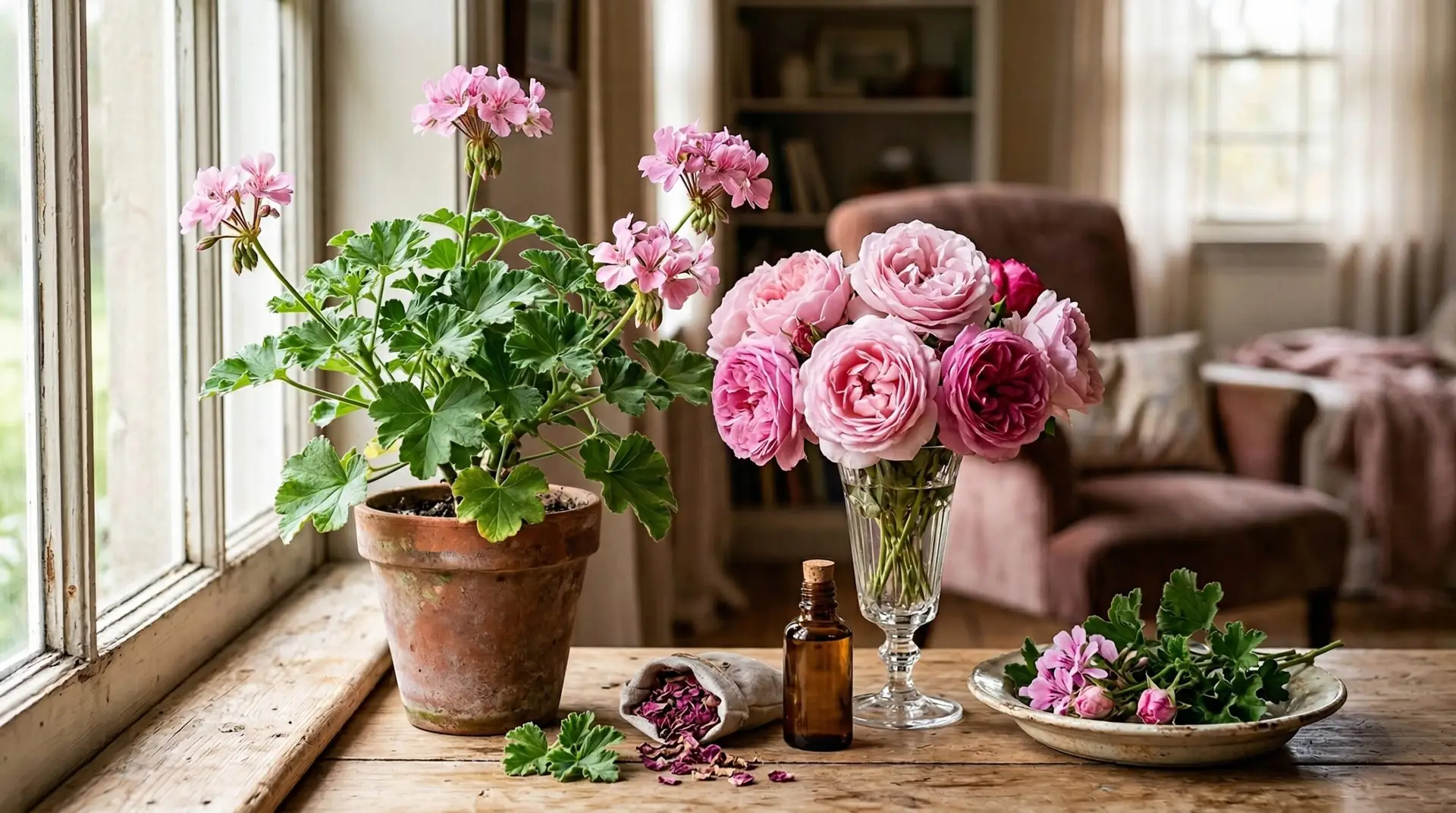
Once you experience that intense scent, the immediate question becomes how to keep these plants thriving in your own home. Scented pelargoniums are native to the dry, rocky slopes of South Africa, which tells us exactly what they need to survive. They require excellent drainage and plenty of direct sunlight to maintain their health and their fragrance. They do exceptionally well in standard terracotta pots on a bright, south-facing windowsill because the porous clay naturally wicks away excess moisture. Overwatering is the fastest way to kill them, as their root systems are highly susceptible to rot in soggy soil. You should always let the top few inches of the potting mix dry out completely before you even think about reaching for the watering can.
A lot of folks ask if they need special soil or a specific fertilizer routine to produce the best oils. The truth is that lean, somewhat poor soil actually concentrates the fragrance in the leaves. If you give them rich compost and heavy doses of nitrogen fertilizer, they will push out a lot of weak, floppy green growth with very little scent. You want them to work a little bit for their survival, much like you would when growing lavender in a dry herb garden. A basic, well-draining potting mix cut with a generous handful of perlite or coarse sand provides the perfect environment. They prefer to be slightly rootbound, so you should resist the urge to move them into a larger pot until you see roots actively circling the bottom drainage holes.
Exploring the different fragrance varieties
When you start shopping for a scented pelargonium, you might ask which variety is the best one to bring home first. The rose-scented types, like Pelargonium graveolens, are the classic choice and tend to be the most vigorous growers for beginners. Lemon-scented varieties offer a sharp, crisp citrus aroma that easily rivals actual lemon verbena in intensity. Peppermint geraniums have large, incredibly soft, velvety leaves that invite you to touch them every time you walk by the window. Each variety has a slightly different growth habit, with some growing tall and woody while others tend to trail over the edges of their containers. You can easily fill an entire windowsill with different varieties and never get bored with the visual textures or the shifting aromas.
By the way, there is a chocolate-scented pelargonium that always surprises new growers. It has a distinct dark ring on its foliage and smells faintly of cocoa powder mixed with a sharp undertone of mint. Some people expect these highly fragrant plants to produce equally impressive flowers, but the blooms are usually quite small and delicate. The entire appeal of the plant is housed in the foliage rather than the petals. This is a stark contrast to something like fragrant jasmine, where the intoxicating scent comes entirely from the heavy blooms. You grow scented pelargoniums for the year-round sensory experience of the leaves, treating any tiny pink or white flowers that appear as a minor bonus.
Bringing the harvest into the kitchen
Since the leaves smell so much like food, the next logical question is whether you can actually eat them. Scented geranium leaves are entirely edible and have a long, rich history in the kitchen. Victorian cooks used to line their metal cake pans with fresh rose geranium leaves before pouring in their pound cake batter. The heat of the baking process infuses the sponge cake with a delicate floral flavor that tastes exactly like the plant smells. You peel the baked leaves off the bottom of the cake before serving, leaving behind a beautiful fossil-like imprint on the crust. Lemon and peppermint varieties work just as well for this technique, adding unexpected layers of flavor to basic baked goods and fruit jellies.
You might also wonder how else to capture that flavor if you do not want to bake a whole cake. Making a simple syrup is the easiest and most versatile method for preserving the harvest. You just steep a handful of clean, bruised lemon or peppermint leaves in equal parts hot water and sugar, then strain them out once the mixture cools. This fragrant syrup works beautifully as a sweetener in iced tea, lemonade, or evening cocktails. The fresh leaves can also be dropped directly into jars of plain granulated sugar and left to sit for a few weeks. The volatile oils will slowly migrate into the sugar crystals, creating a custom flavored sugar for your morning coffee or tea.
The secret behind the scent mimicry
After growing these for a while, a question you might not have considered will eventually cross your mind regarding their origins. Why did a plant in South Africa evolve to smell exactly like a rose or a lemon? The answer comes down to chemical defense and basic survival in a harsh environment. The volatile oils that smell so delightful to us are actually highly effective at repelling insect pests and grazing animals in the wild. The fact that the chemical compounds happen to be identical to those found in mint or citrus is just a fascinating coincidence of plant chemistry. The scented pelargonium simply stumbled upon the exact same chemical recipe for survival that completely unrelated plants developed across the globe.