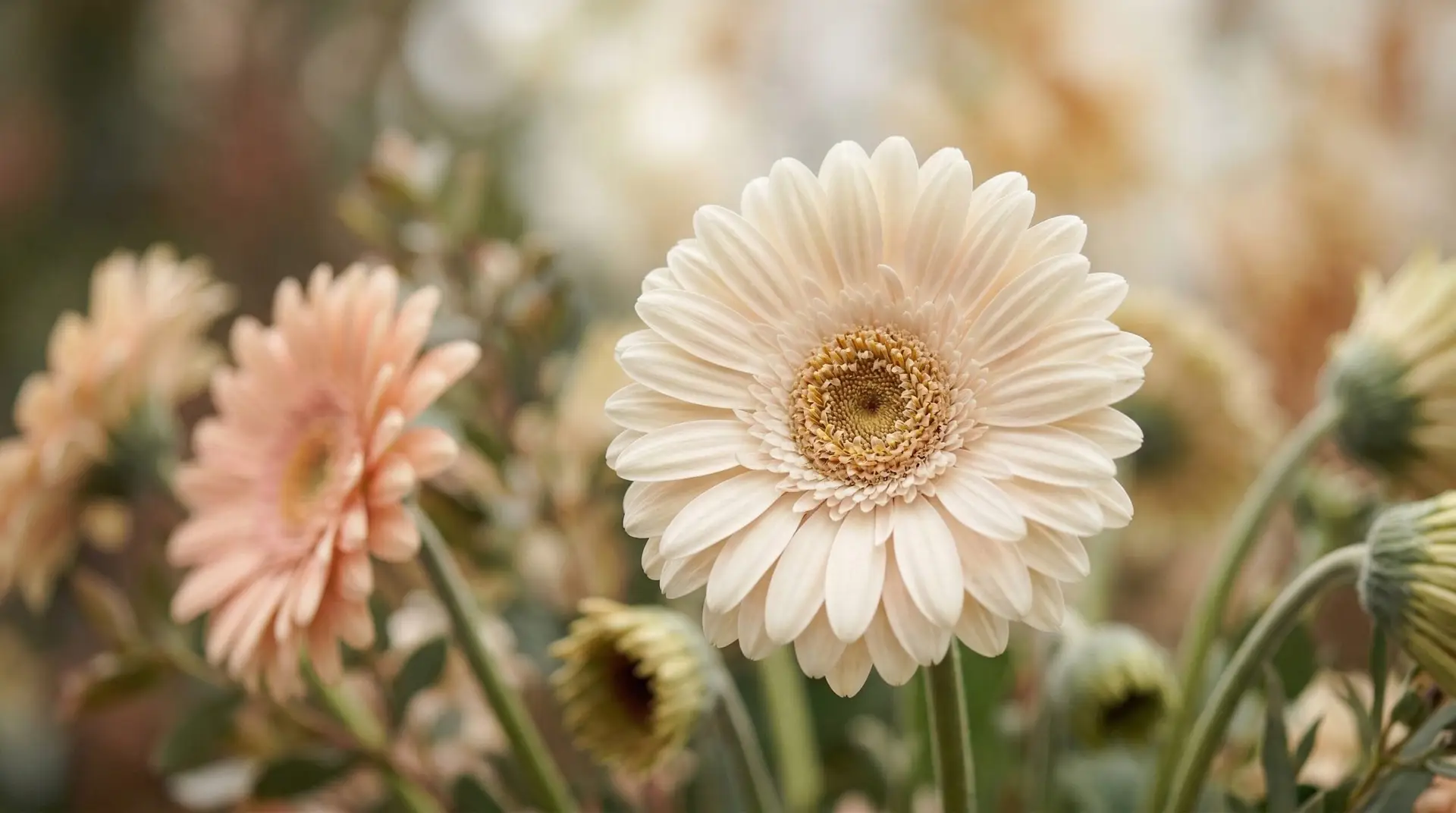
In the goldfields of South Africa near a town called Barberton, a Scottish prospector named Robert Jameson noticed a bright, wide-faced flower growing wild among the rocky terrain. The year was 1889, and while Jameson was searching for precious metals, he ended up discovering a botanical treasure that would soon cross oceans. He collected the plants and sent them to botanical gardens in Europe, where they caught the attention of eager botanists. The flower needed a formal name, and the scientific community chose to honor Traugott Gerber, a German physician and botanist who traveled extensively in Russia. Gerber had died decades before Jameson ever set foot in South Africa, meaning the man whose name is now synonymous with cheerful blooms never actually saw a gerbera daisy in his lifetime. The plant began its global spread, moving from the rugged African landscape into the carefully manicured glasshouses of Victorian England. From there, it crossed the Atlantic, finding a place in American gardens and florist shops where it became a staple of everyday celebrations.
Contents 5 sections
Chasing the sun from morning to evening
The life of a gerbera daisy is deeply tied to the rhythm of the sun. Long before the petals fully unfurl, the tight green buds turn their heads toward the eastern horizon, waiting for the first morning light. As the sun arcs across the sky, the young flowers follow its path, a behavior known as heliotropism. This constant movement mirrors the habit of the sunflower, which belongs to the same broad family of composite flowers. The daisy absorbs the warmth and light, using the long summer days to fuel its growth and open its distinctive, ray-like petals. By the time evening falls, the flower faces west, only to reset its position overnight in anticipation of the next dawn. This daily ritual gives the plant a dynamic presence in the garden, making it seem almost active as it responds to the changing light.
A cooperative design hidden in plain sight
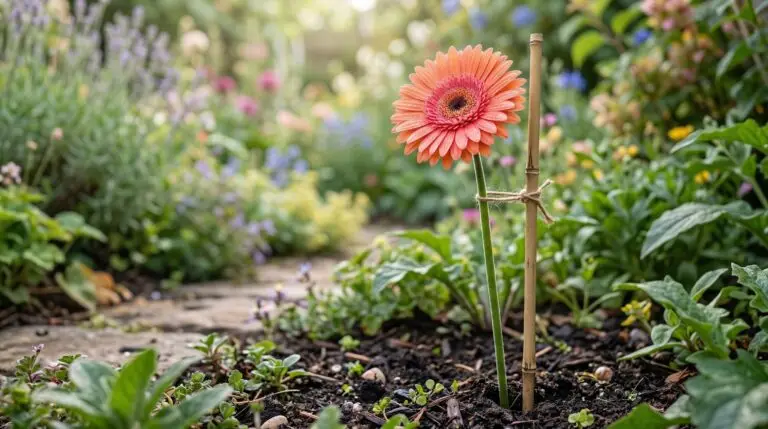
Looking closely at the center of a gerbera reveals a complex botanical structure that adds depth to its cheerful reputation. What appears to be a single large bloom is actually a composite of hundreds of individual flowers working together in perfect harmony. The outer ring consists of ray florets, which are the long, colorful petals that draw the eye from across the garden. Inside that ring lies a dense cluster of tiny disk florets, packed tightly together to create the dark, contrasting eye of the daisy. This cooperative design ensures the plant can attract pollinators efficiently, maximizing its chances of producing seeds for the next generation. The layered anatomy hidden within such a simple-looking flower mirrors the way human joy is built upon many small, unseen moments of grace. Botanists marvel at the efficiency of this design, while gardeners simply appreciate the bold visual statement it makes in a summer border.
The language of cheerfulness and joy
When we talk about the gerbera daisy meaning, the conversation naturally turns to the concepts of innocence and purity. The flower possesses a simple, unpretentious geometry that looks exactly like a child’s drawing of a daisy, complete with a dark center surrounded by perfectly spaced petals. This straightforward appearance is the root of its gerbera symbolism, projecting an image of uncomplicated happiness. People began associating the bloom with a lighthearted spirit, far removed from the heavy romanticism of a red rose or the solemnity of a white lily. The gerbera flower language speaks directly to joy, offering a bright counterpoint to the more serious blooms found in traditional arrangements. Giving someone a bouquet of these daisies is a gesture of pure optimism, a way to share a moment of gladness without any hidden motives or complex emotional weight. It is a flower that simply exists to be happy, and that sentiment translates clearly to anyone who receives it.
The specific message of a gerbera daisy shifts slightly depending on the color of its petals. White blooms carry the strongest association with purity and innocence, often finding their way into wedding bouquets or celebrations of a new child. Yellow and orange varieties amplify the flower’s natural cheerfulness, radiating the warmth of the sun and offering a message of friendship and encouragement. Pink daisies lean toward admiration and sympathy, making them a gentle way to say get well soon or to express a quiet affection. Red gerberas carry a message of love, though it is a more playful and energetic love than the deep passion associated with other red flowers. Gardeners often mix these colors in a single bed, creating a patch of ground that communicates a wide spectrum of positive emotions all at once. The visual impact of these mixed colors reinforces the overall gerbera daisy meaning of abundant, unrestrained joy.
A tradition of healing and comfort
The bright demeanor of the gerbera has carved out a specific role for it in the culture of gift-giving, particularly as a flower of healing. For decades, visitors have brought potted gerberas or cut arrangements into hospital rooms and sickbeds to lift the spirits of those recovering from illness. The tradition grew out of the flower’s absolute refusal to look gloomy, providing a stark contrast to the sterile environment of a medical ward. Unlike heavily scented flowers that might overwhelm a small room, the gerbera offers its visual cheerfulness without imposing a strong fragrance on the patient. Because of their sturdy stems, the flowers remain upright and fresh for many days and provide a constant reminder of health and vitality. Much like daffodils bring the promise of spring after a hard winter, the gerbera brings a promise of recovery and better days ahead. The simple act of placing a vase of these daisies on a bedside table transforms the space, bringing a piece of the sunlit garden indoors.
Bringing the story home
Planting a gerbera daisy in your own garden connects you to a long history of botanical discovery and quiet human gestures. You start with a small seed or a nursery start, pressing it into the soil after the last frost has passed. Over the weeks, you watch the thick, fuzzy leaves form a low rosette against the earth, gathering energy for the bloom to come. When the flower stalk finally rises and the petals break open, you see the exact same bright geometry that caught Robert Jameson’s eye in the South African dirt over a century ago. The plant asks for very little beyond sunshine and well-drained soil, returning that modest investment with months of continuous flowers. Cutting a stem to bring inside your kitchen or to hand to a neighbor continues the tradition of sharing its inherent joy. The gerbera reminds us that sometimes the most profound thing a garden can grow is a simple, uncomplicated smile.
More About Gerbera Daisy
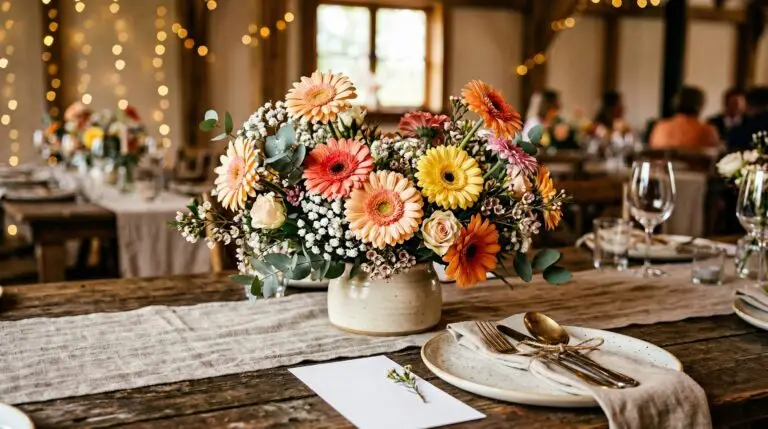
Gerbera daisies in wedding bouquets for colorful fun alternatives to traditional flowers
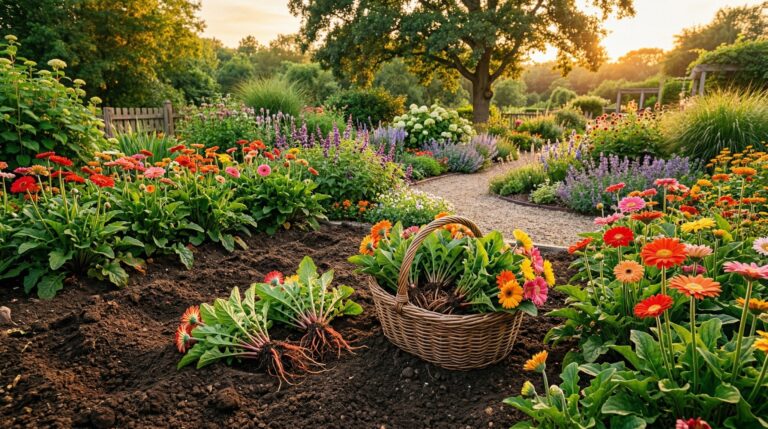
Overwintering gerbera daisies in cold climates and bringing them back year after year
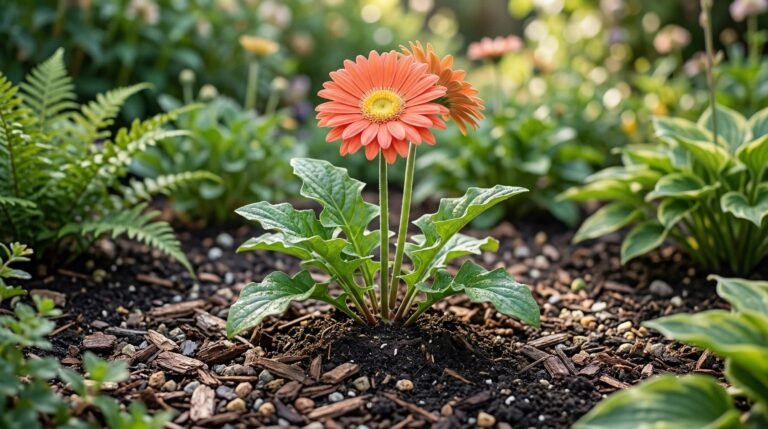
How to grow gerbera daisies for bold cheerful color in gardens and containers
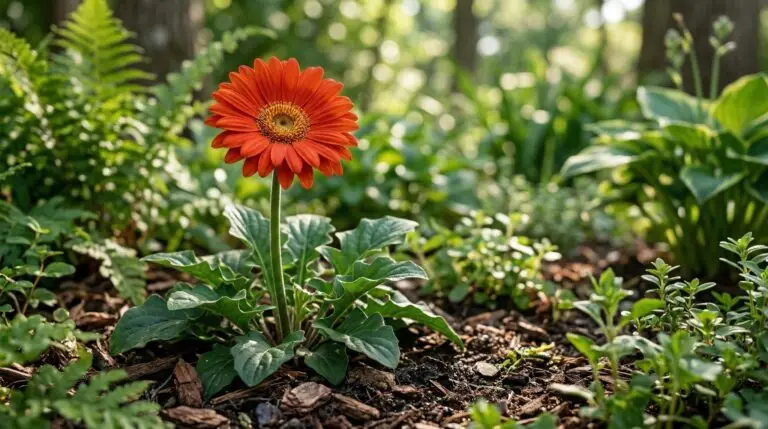
Why gerbera daisies die indoors and the crown rot problem that kills most gift plants
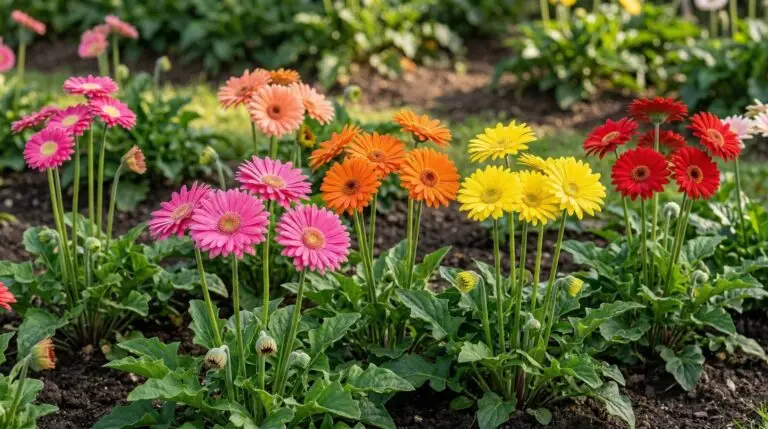
Garvinea gerberas the hardy outdoor series that changed gerbera gardening forever
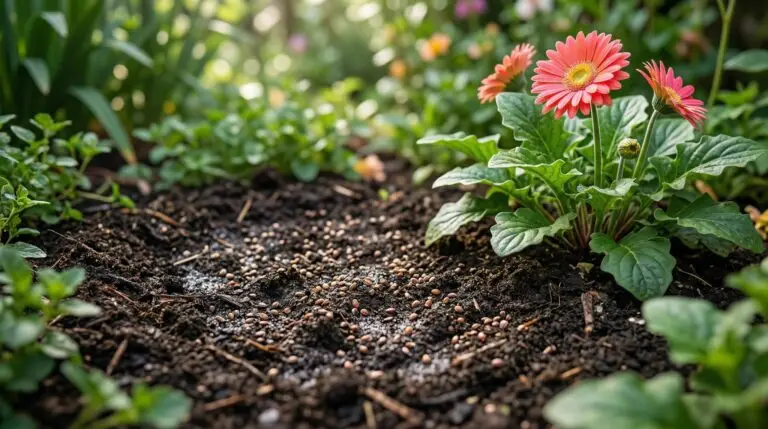
Growing gerbera daisies from seed and the patience needed for these slow starters
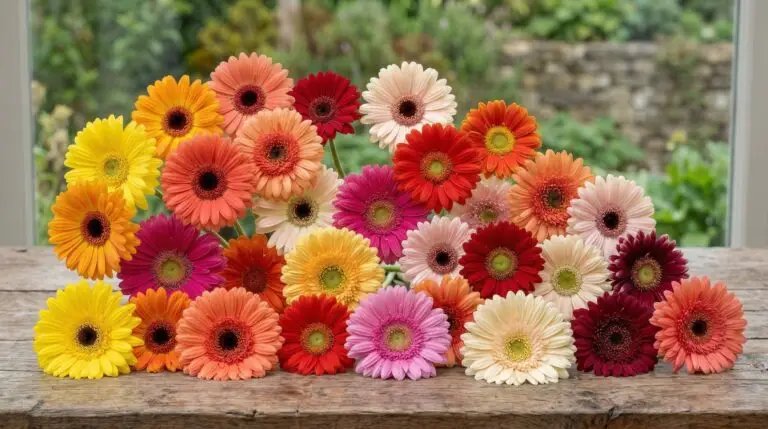
Best gerbera daisy colors and varieties from classic red to novel spider types
Gerbera daisies as long-lasting cut flowers and how to make them stand up straight in a vase
Enjoying our flower guides? Add YourFlowersGuide as a preferred source on Google. It helps more readers find us.
Add to Preferred Sources