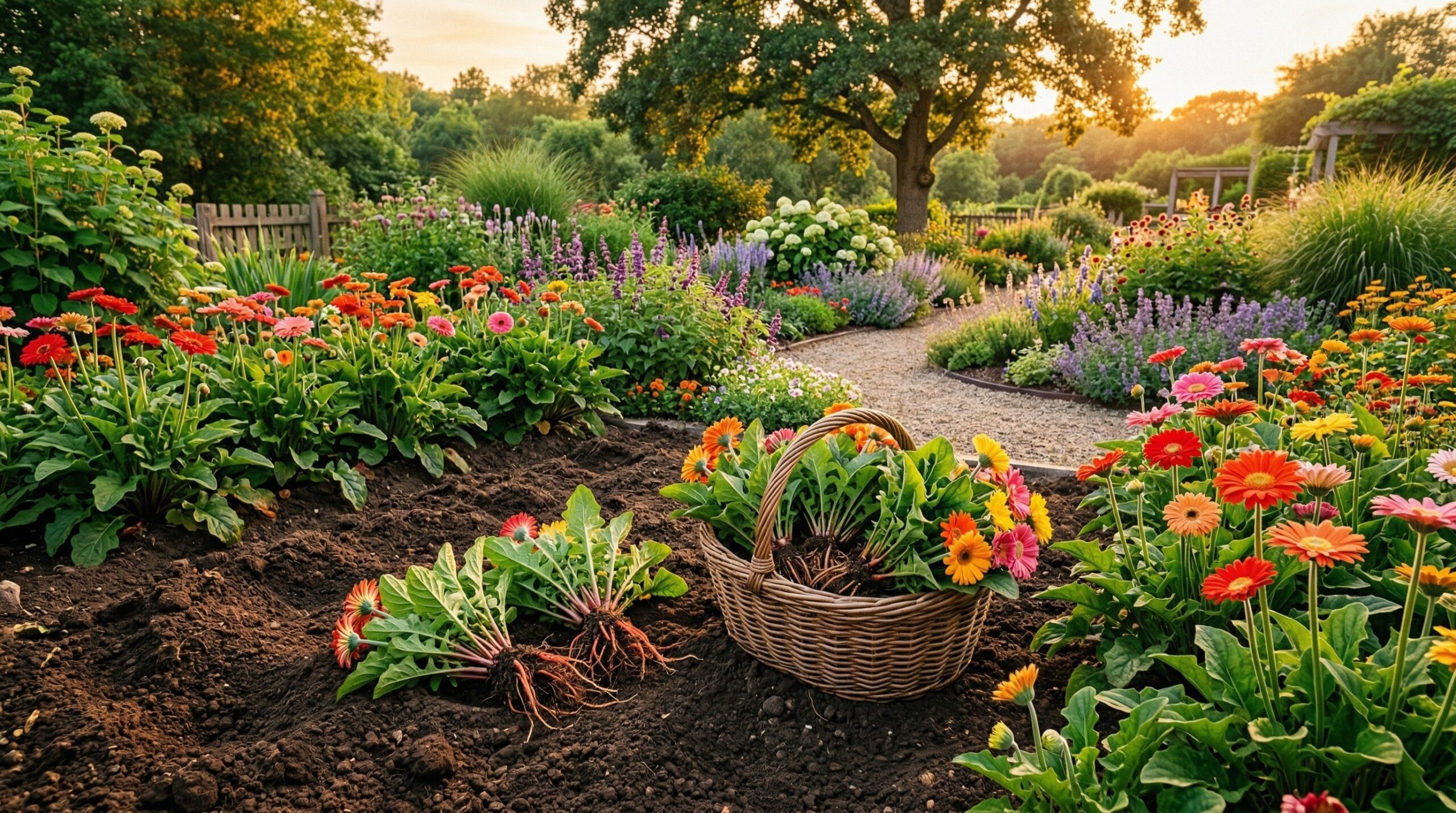
Growing conditions vary enormously across the country, making a universal approach to plant care impossible. A gerbera daisy planted in the sandy soils of Zone 9 Florida experiences a completely different life cycle than one growing in the heavy clay of Zone 4 Minnesota. Understanding your local context is the absolute foundation of success with tender perennials that originate in South Africa. When gardeners ask about gerbera daisy winter care, the answer depends entirely on local freezing temperatures, winter rainfall patterns, and soil drainage. Gardeners in frost-free regions treat these plants as evergreen perennials, while those in cold climates must intervene to keep the root system alive until spring. Recognizing exactly what kind of winter your region delivers allows you to choose the right survival strategy for these plants.
The specific variety you grow also dictates how much cold the plant can handle in your specific region. Traditional florist gerberas die quickly when temperatures drop below freezing, but breeders have developed the Garvinea series specifically for increased cold tolerance. In Zone 7 regions like parts of Virginia or Tennessee, Garvinea varieties often survive the winter directly in the garden if the soil drains quickly. However, survival in Zone 7 is not guaranteed if your local microclimate sits in a low frost pocket or if winter rains keep the soil saturated. Cold soil combined with high moisture is a lethal combination that rots the crown long before the freezing temperatures kill the plant. Gardeners in the rainy Pacific Northwest face this exact challenge, where mild but exceptionally wet winters require planting on mounds or in raised beds to ensure water moves away from the roots.
Contents 3 sections
Protecting plants outdoors in transitional climates
Gardeners in transitional regions like Zone 7 and Zone 8 can often overwinter gerberas right in the garden by managing soil temperature and moisture. In the humid Southeast, winter wetness poses a greater threat than the cold itself, requiring careful attention to planting location. Placing gerberas near a south-facing brick wall creates a microclimate that absorbs solar radiation during the day and keeps the soil slightly warmer at night. When the first hard frost approaches, applying a thick layer of dry leaves or straw protects the crown from sudden temperature fluctuations. You must remove this heavy mulch during unseasonably warm winter spells to prevent fungal diseases from developing in the trapped humidity. As soon as the threat of deep freezes passes in early spring, pulling the mulch away completely allows the soil to warm up and signals the plant to break dormancy.
Digging and storing crowns in northern zones
In cold regions like the Midwest and Northeast, leaving gerberas in the ground guarantees they will turn to mush by December. Gardeners in Zone 3 through Zone 6 must physically remove the plants from the garden before a hard freeze penetrates the soil. You carefully dig up the entire plant, shake off the loose soil, and trim the foliage back to just a few inches above the crown. The process is very similar to how northern gardeners handle digging and storing dahlia tubers before winter sets in. After letting the crowns dry in a cool, shaded spot for a few days, you pack them in slightly damp peat moss or wood shavings. The storage container goes into an unheated basement or attached garage where temperatures stay between 40 and 50 degrees Fahrenheit. You must check the crowns monthly to ensure they are not drying out completely or developing mold from too much moisture.
The condition of your native soil affects how you prepare these dug crowns for winter storage. If you garden in the alkaline, clay-heavy soils common across parts of the Southwest or Midwest, that sticky soil holds moisture tightly against the crown. You need to wash the clay off the roots completely before storage to prevent anaerobic bacteria from rotting the plant tissue in your basement. Conversely, gardeners working with sandy, fast-draining soils can often leave a protective layer of native dirt around the roots during storage. The ambient humidity of your storage area also dictates your winter maintenance schedule. A dry basement in a cold-winter climate requires misting the packing material every few weeks, while a naturally damp root cellar might require adding dry vermiculite to absorb excess moisture.
Container overwintering indoors
For regions with unpredictable shoulder seasons or extreme freezes, growing gerberas in pots and bringing them indoors offers the most reliable survival method. Moving containers inside protects the plants from sudden temperature plunges, but it introduces a completely new set of environmental challenges. Winter heating systems dry out the indoor air, creating a low-humidity environment that stresses the foliage and invites spider mites. You need to place the pots in the brightest, coolest room in your house to slow down their growth without forcing them into deep dormancy. A sunroom or an east-facing window in an unheated spare bedroom provides the ideal balance of light and cool temperatures. Watering must be reduced significantly because the plant is not actively growing and the potting soil will take much longer to dry out.
The transition periods in fall and spring require careful timing based on your local frost dates. You should bring the pots indoors well before the first autumn frost threatens your specific county. Throughout the winter, you water only when the top two inches of the potting mix feel completely dry to the touch. Treating the dormant gerbera somewhat like a resting canna lily rhizome helps prevent the root rot that kills most indoor overwintered plants. When your regional spring finally arrives and nighttime temperatures reliably stay above 50 degrees Fahrenheit, you begin the hardening-off process. Moving the pots outside to a shaded, protected spot for a few hours a day helps the foliage adjust to the intense ultraviolet light and drying winds of your local climate.
Successfully bringing tender perennials back year after year requires reading your local environment rather than following a rigid calendar. The exact date you dig crowns in Maine has no relevance to the day a gardener applies winter mulch in Georgia. Winter survival depends on managing the relationship between soil temperature, ambient moisture, and the plant’s natural dormancy requirements. By observing where water pools in your yard during winter rains and tracking how cold your soil actually gets, you can create the specific conditions your plants need to survive. This practice of adapting general care guidelines to the reality of your specific backyard is the true essence of resilient regional gardening.
More About Gerbera Daisy
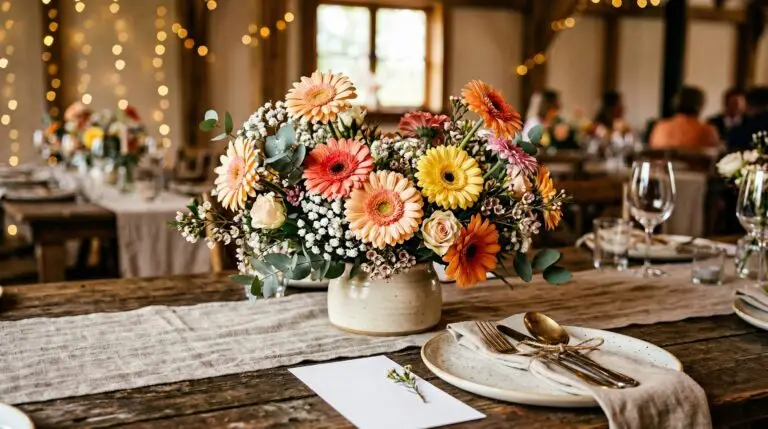
Gerbera daisies in wedding bouquets for colorful fun alternatives to traditional flowers
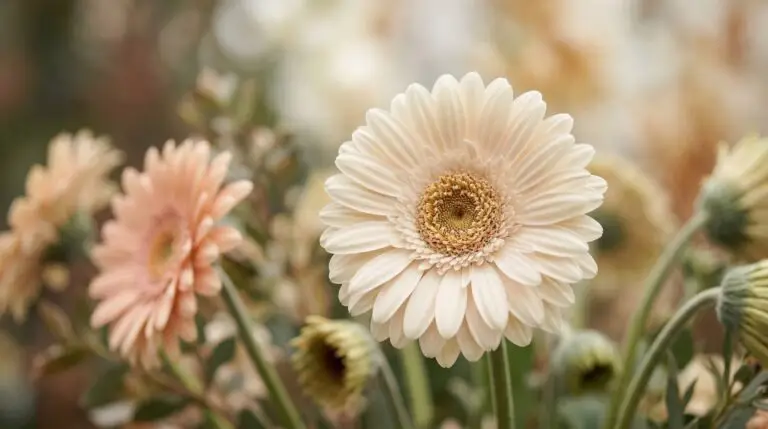
Gerbera daisy meaning and why these happy flowers represent cheerfulness and joy
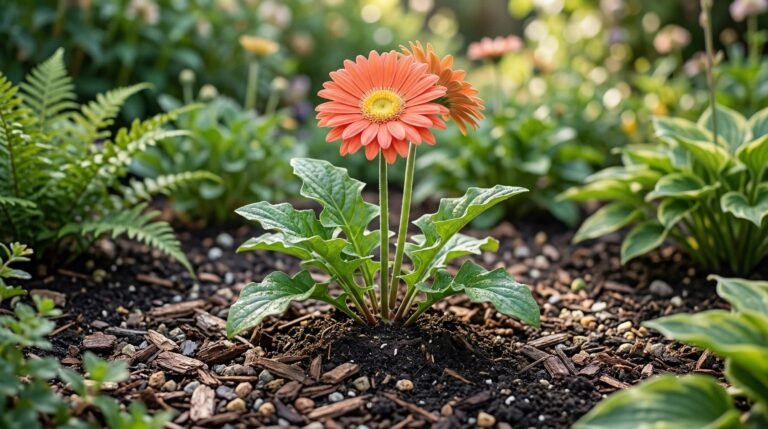
How to grow gerbera daisies for bold cheerful color in gardens and containers
Why gerbera daisies die indoors and the crown rot problem that kills most gift plants
Garvinea gerberas the hardy outdoor series that changed gerbera gardening forever
Growing gerbera daisies from seed and the patience needed for these slow starters
Best gerbera daisy colors and varieties from classic red to novel spider types
Gerbera daisies as long-lasting cut flowers and how to make them stand up straight in a vase
Enjoying our flower guides? Add YourFlowersGuide as a preferred source on Google. It helps more readers find us.
Add to Preferred Sources