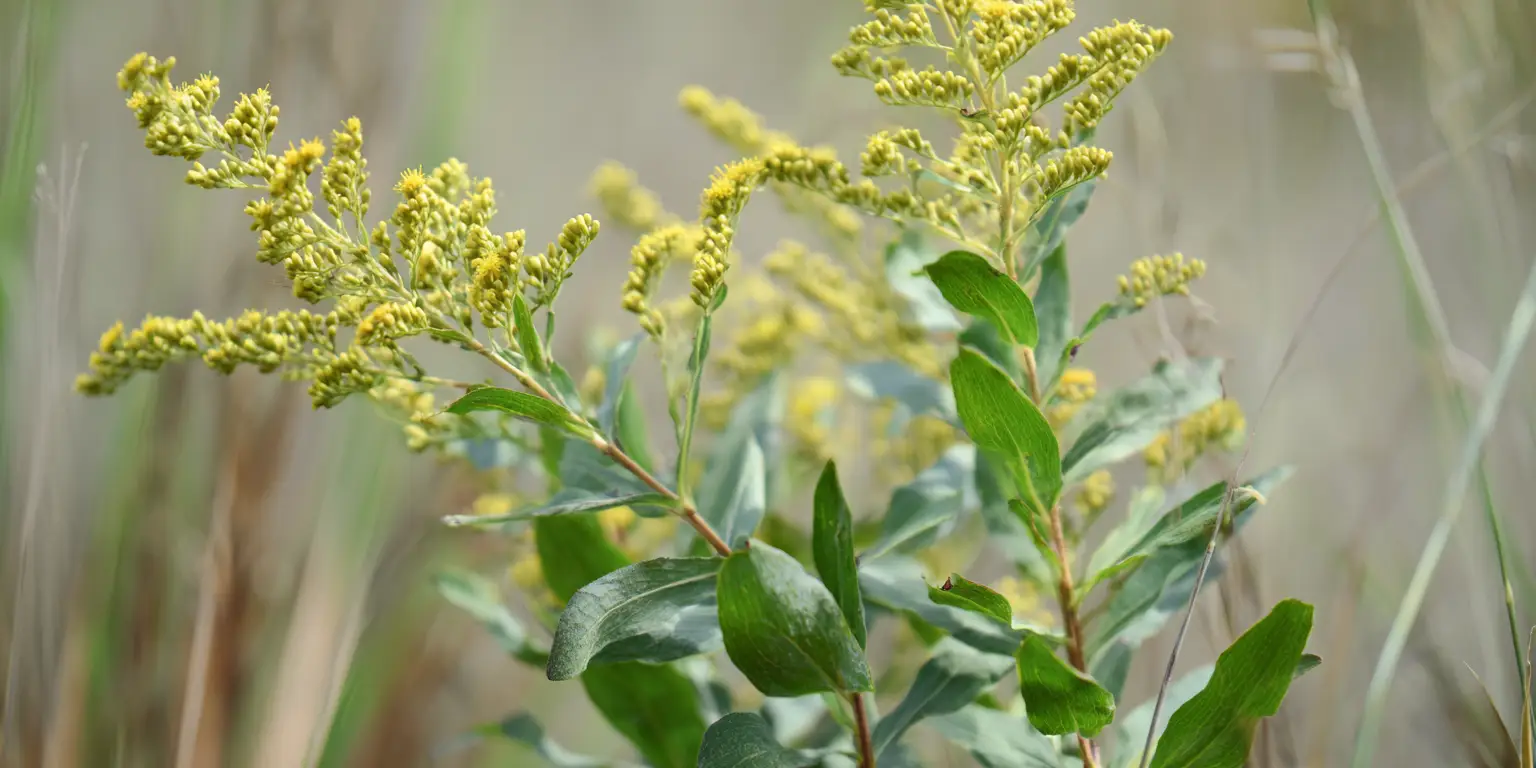
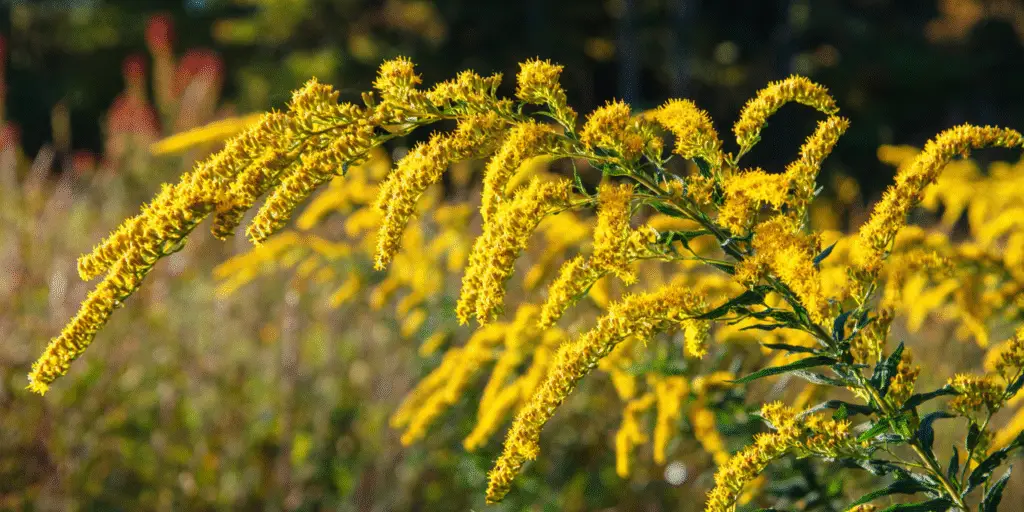
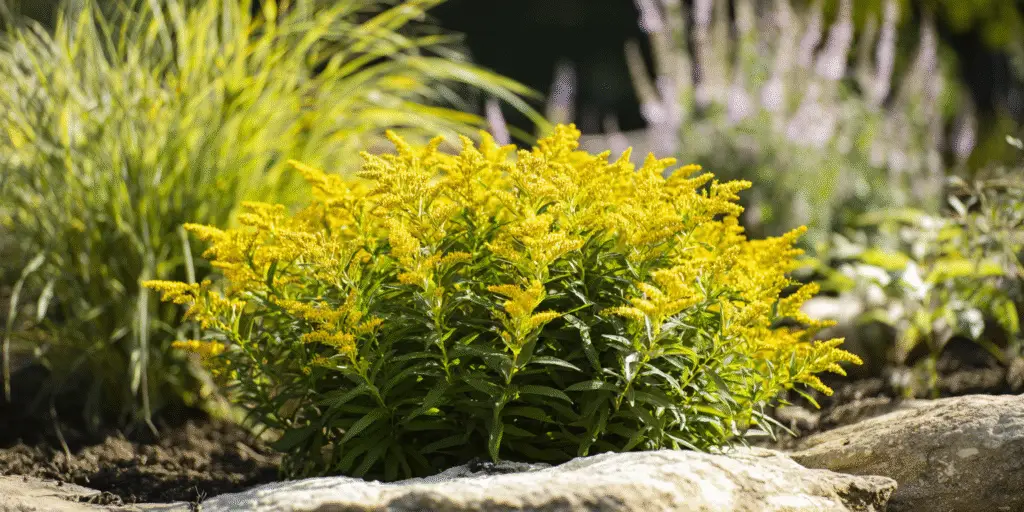
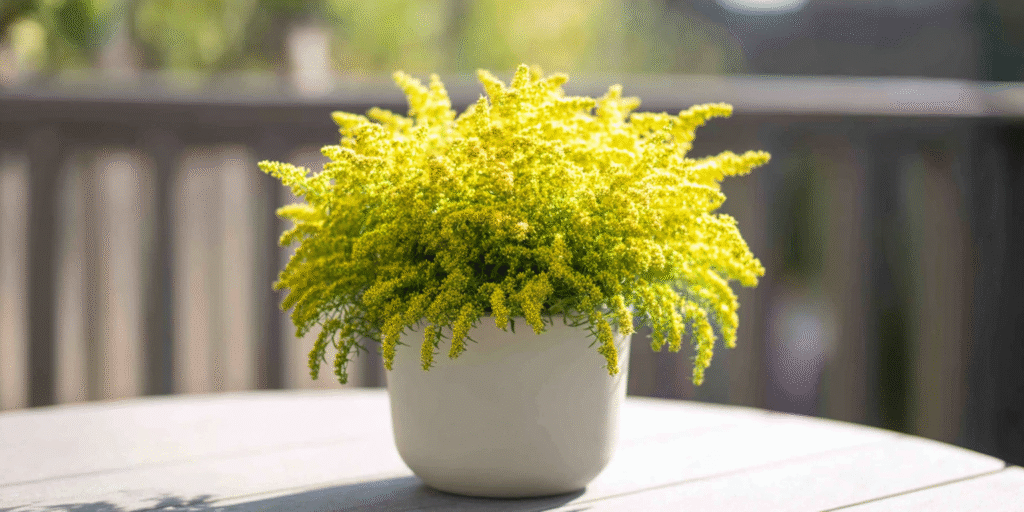
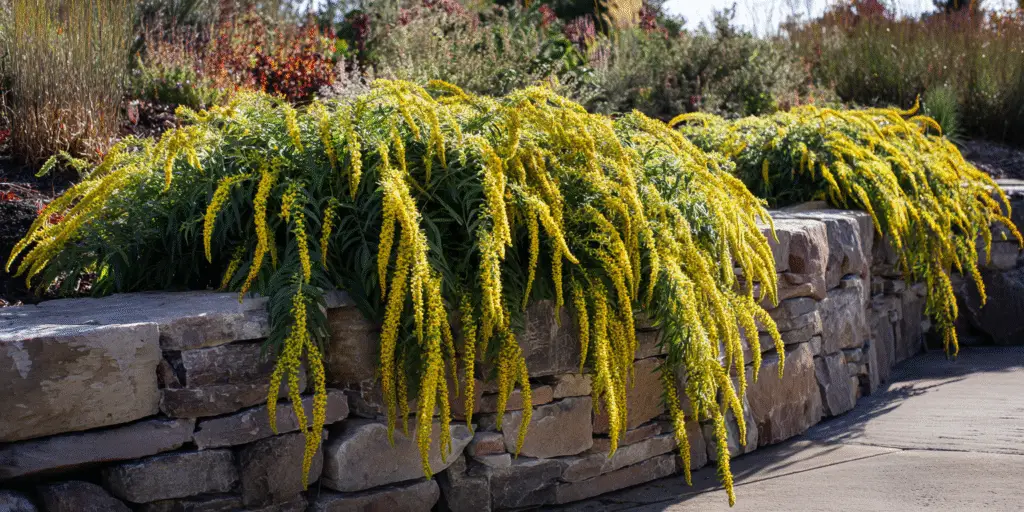
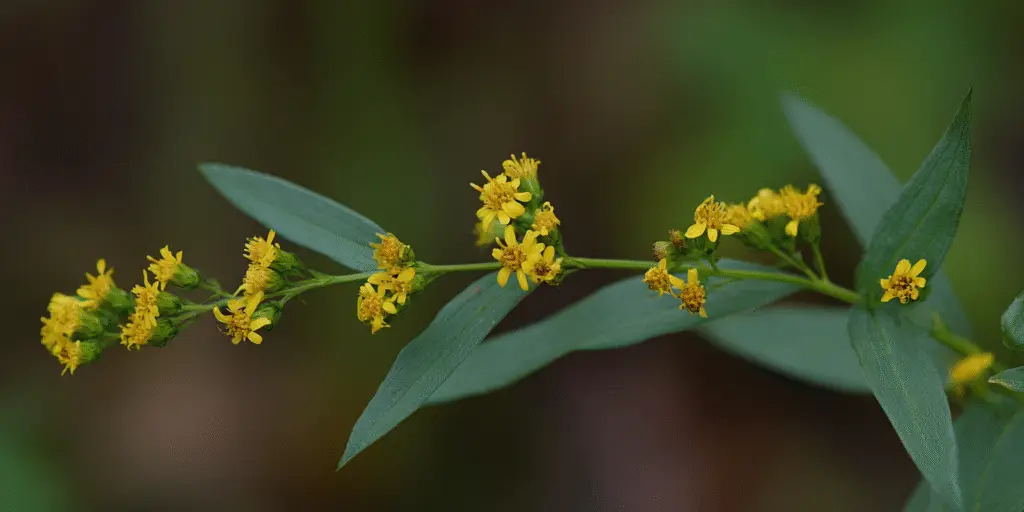
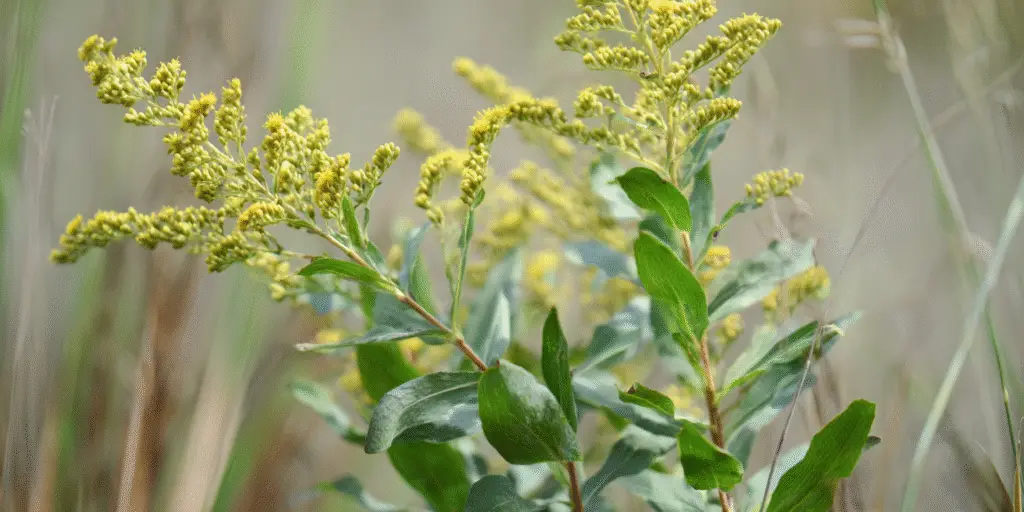
A clump‑forming goldenrod best known for its anise‑scented foliage. It favors full sun to light shade and dry, sandy or average soils. Plants rise to mid height and carry one‑sided panicles of yellow flowers from late summer to early fall. The aromatic leaves are the clear differentiator in the garden.
At‑a‑glance
Group/Class: Species
Height × spread: 24-48 in (61-122 cm) × 12-24 in (30-61 cm)
Bloom window: August to September
Color & flower form: Golden yellow, one‑sided plume‑like clusters atop arching stems
Fragrance: 2 noticeable (aromatic foliage)
USDA hardiness: zones 4-9
Breeder / Year / Origin: unknown
Pet safety: safe
How it differs
Leaves strongly anise‑scented
Thrives on drier, sandy sites compared to many garden goldenrods
Primarily clump‑forming with restrained spread
Strengths
Deer and drought tolerant once established
Attracts butterflies and other pollinators
Performs in full sun to bright shade
Care in one minute
Provide full sun to light shade with well‑drained soil
Water to establish; afterward water deeply but infrequently
No special feeding; lean soils keep stems sturdy
Deadhead if seedlings are not desired
Cut back in late winter
Watch‑outs
Self‑seeding possible in open soils
Avoid overly rich soils that encourage floppiness
Pet safety note: Solidago species are generally not listed as toxic to cats and dogs; do not confuse with rayless goldenrod (Isocoma), which is toxic to horses.
Best uses (tags)
borders, meadows, pollinators, dry sites, late season
Provenance note
Native to the eastern United States; easily identified by the sweet, anise‑like scent released when leaves are crushed.
Written by: Your Flowers Guide editorial team We are a small independent group of flower lovers who research and review each guide using trusted horticultural and educational sources. Learn more about us