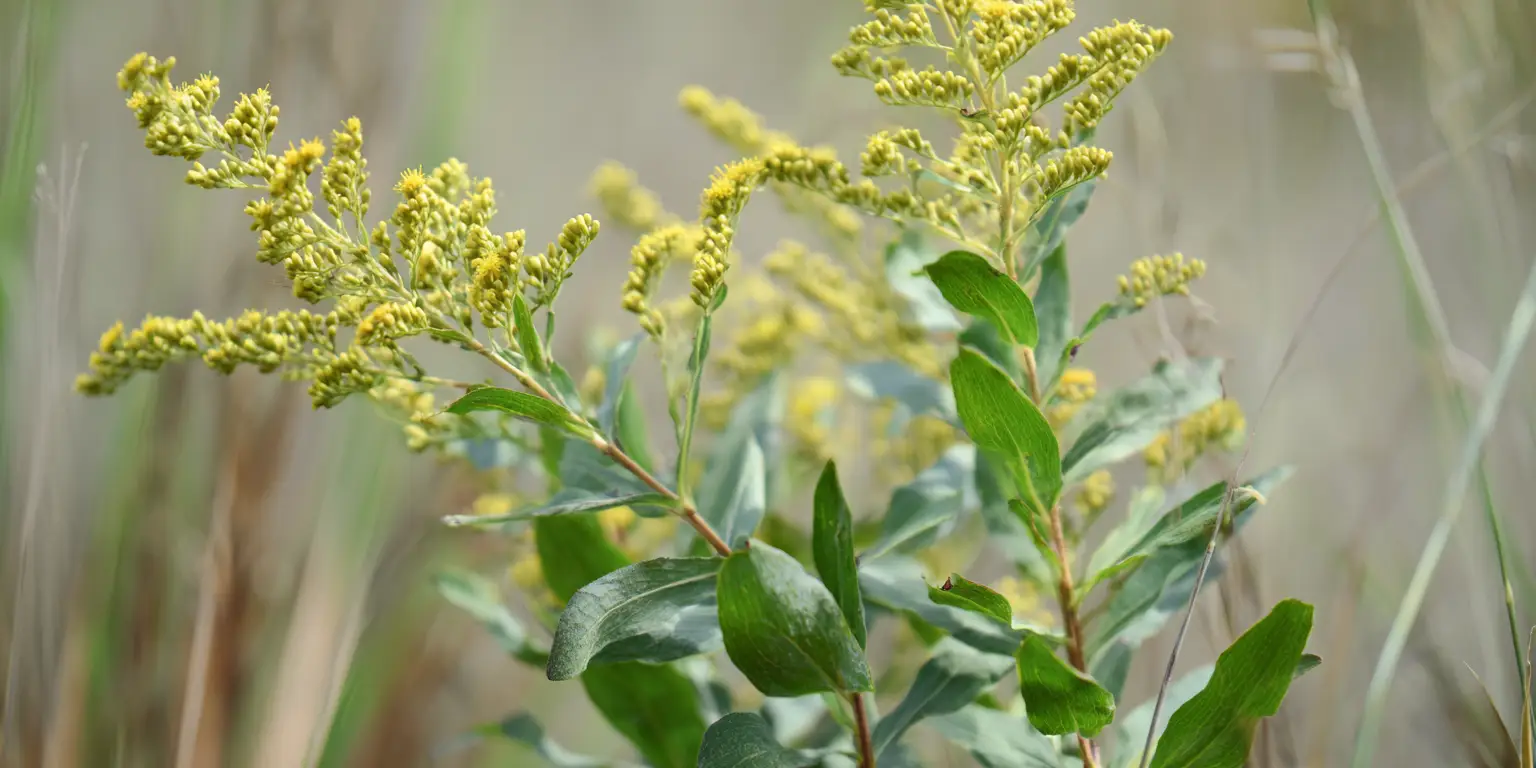
in bloom
now
through Oct
Bloom calendar
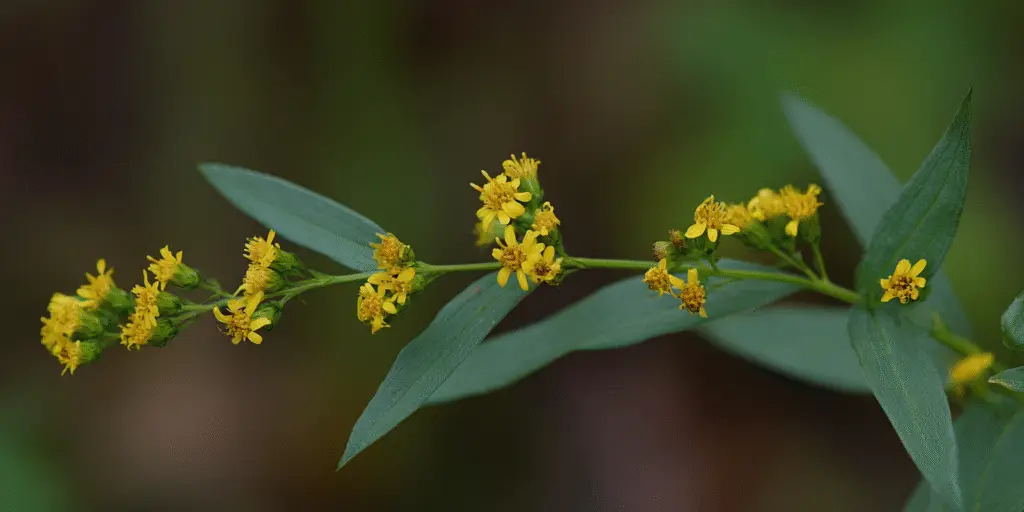
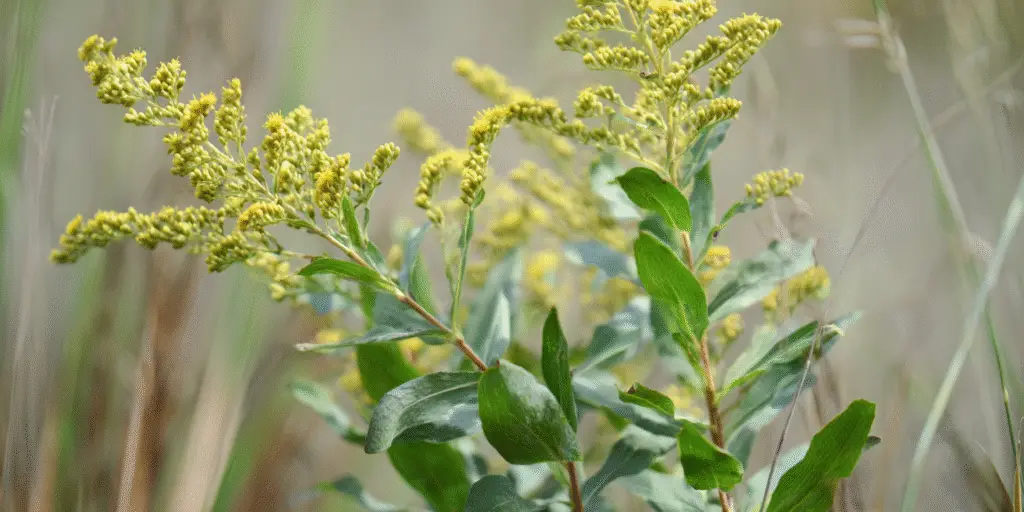
Solidago odora
Species
At‑a‑glance
- Group/Class: Species
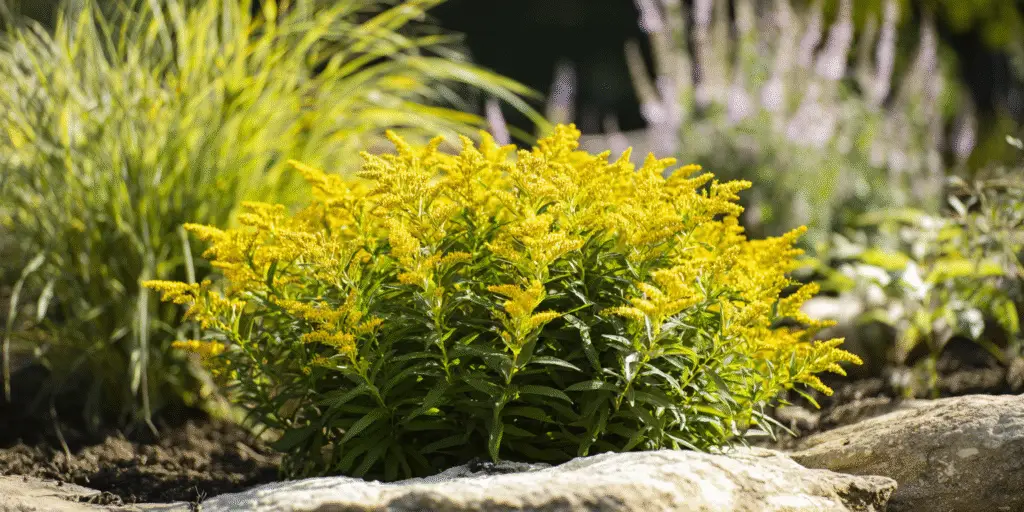
- Height × spread: 24-48 in (61-122 cm) × 12-24 in (30-61 cm)
- Bloom window: August to September
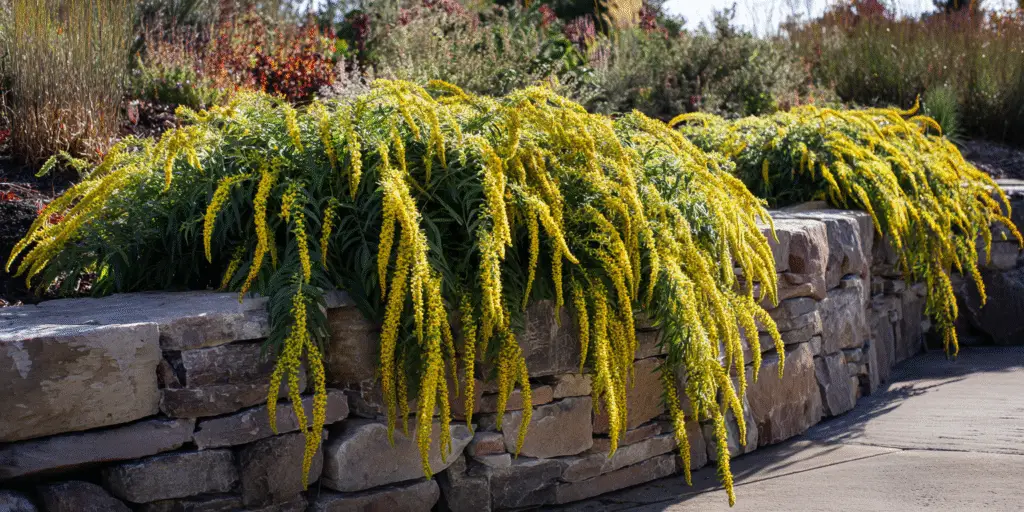
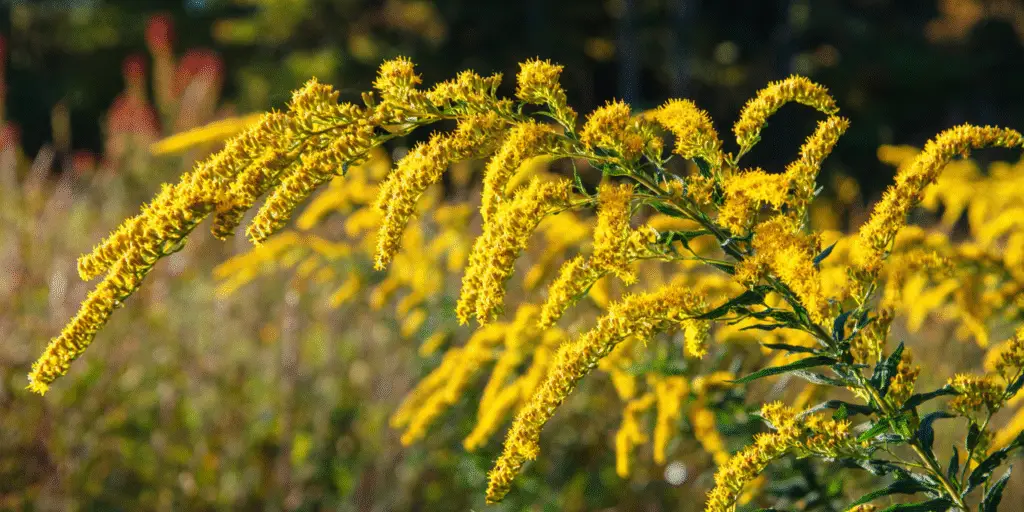
- Color & flower form: Golden yellow, one‑sided plume‑like clusters atop arching stems
- Fragrance: 2 noticeable (aromatic foliage)
- USDA hardiness: zones 4-9
- Breeder / Year / Origin: unknown
- Pet safety: safe
How it differs
- Leaves strongly anise‑scented
- Thrives on drier, sandy sites compared to many garden goldenrods
- Primarily clump‑forming with restrained spread
Strengths
- Deer and drought tolerant once established
- Attracts butterflies and other pollinators
- Performs in full sun to bright shade
Care in one minute
Provide full sun to light shade with well‑drained soil
Water to establish; afterward water deeply but infrequently
No special feeding; lean soils keep stems sturdy
Deadhead if seedlings are not desired
Cut back in late winter
Watch‑outs
- Self‑seeding possible in open soils
- Avoid overly rich soils that encourage floppiness
- Pet safety note: Solidago species are generally not listed as toxic to cats and dogs; do not confuse with rayless goldenrod (Isocoma), which is toxic to horses.
Best uses (tags)
Provenance note
Native to the eastern United States; easily identified by the sweet, anise‑like scent released when leaves are crushed.
References
- Missouri Botanical Garden – Solidago odora
- Lady Bird Johnson Wildflower Center – Solidago odora
- ASPCA – Fall plant safety and rayless goldenrod note
- NC State Extension – Solidago odora
Similar Flowers
Enjoying our flower guides? Add YourFlowersGuide as a preferred source on Google. It helps more readers find us.
Add to Preferred Sources