in bloom
now
through Oct
Bloom calendar
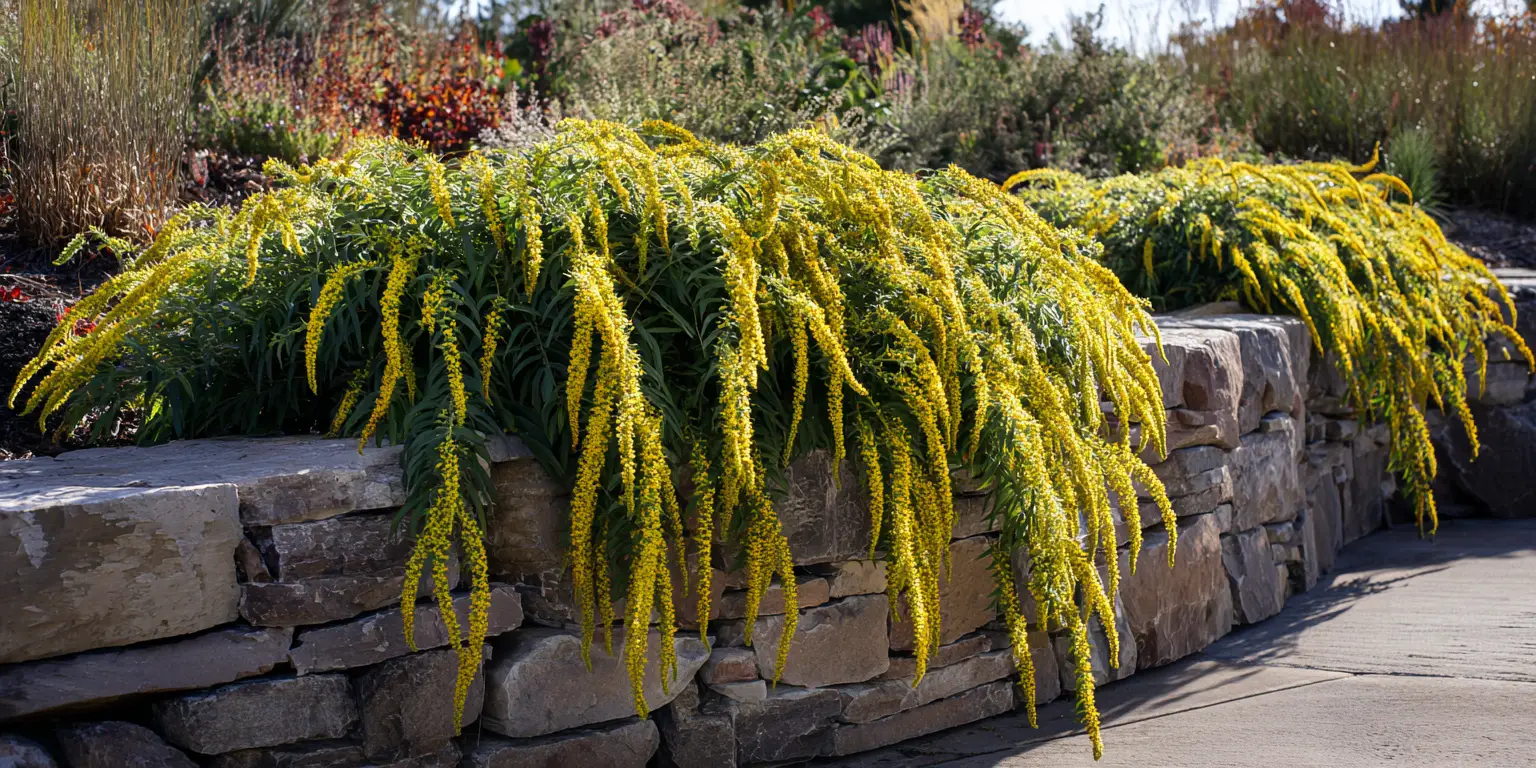
Solar Cascade
Short’s goldenrod selection
At‑a‑glance
- Group/Class: Short’s goldenrod selection
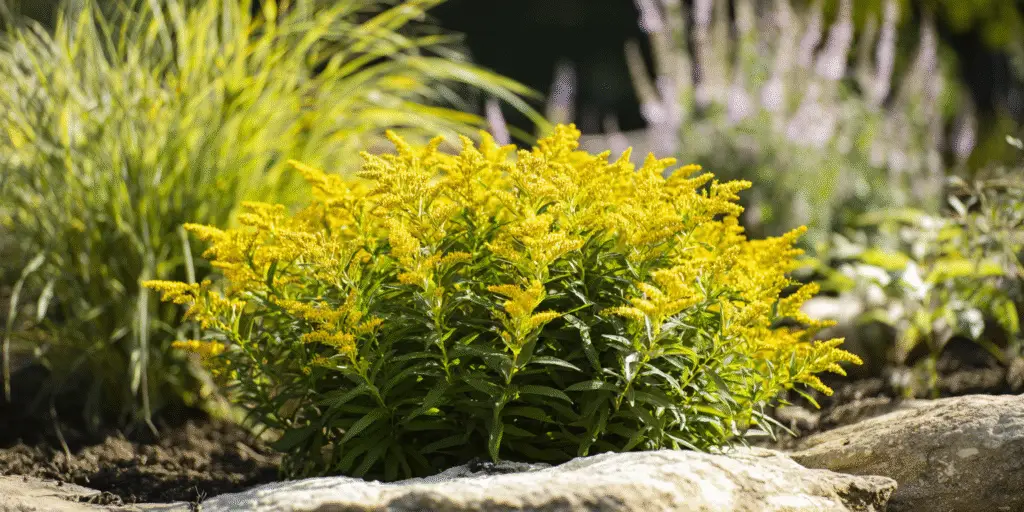
- Height × spread: 24-30 in (61-76 cm) × 18-24 in (46-61 cm)
- Bloom window: September to October
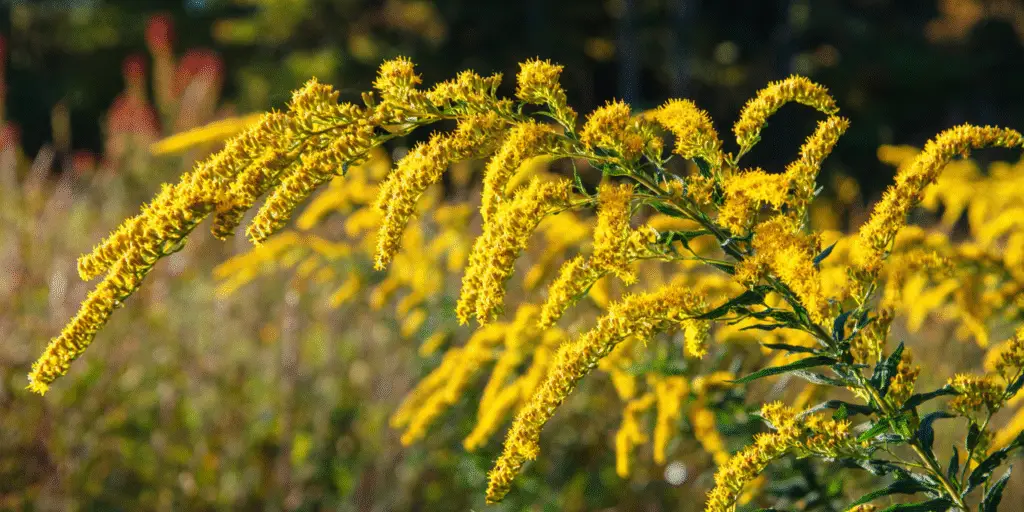
- Color & flower form: Golden yellow sprays on arching stems
- Fragrance: 0 none
- USDA hardiness: zones 6-9
- Breeder / Year / Origin: Cincinnati Zoo & Botanical Garden Native Endangered Plant Program, unknown, USA
- Cut‑flower notes: Stems usable as cuts; flowers rated “Good Cut.”
- Pet safety: safe
How it differs
- Smaller and less aggressive than many goldenrods
- Selected from a federally endangered species
- Cascading habit with side sprays rather than stiff wands
- Suited to sunny, well-drained rock or meadow settings
Strengths
- Attracts pollinators
- Deer and drought tolerance once established
- Clump-forming with restrained spread
Care in one minute
Plant in full sun; tolerates light afternoon shade
Soil: well-drained gravelly or loam; neutral to slightly acidic
Water: moderate; allow topsoil to dry between deep soakings
Feeding: minimal; excess fertility encourages floppiness
Deadhead to prevent unwanted seedlings if nearby goldenrods are present
Leave stems for winter cover; cut back in late winter
Watch‑outs
- Stems may lean or flop in wind or heavy rain when in bloom
- Not reliably hardy in colder Zone 5 sites
- Needs sun for best flower set
- Pet safety note: Solidago species are generally not listed as toxic to cats and dogs; do not confuse with rayless goldenrod (Isocoma), which is toxic to horses.
Best uses (tags)
Provenance note
Selected and distributed by the Cincinnati Zoo & Botanical Garden’s Native Endangered Plant Program to support awareness and cultivation of Short’s goldenrod.
References
- Missouri Botanical Garden – Solidago shortii ‘Solar Cascade’
- NC State Extension – Solidago shortii profile
- ASPCA – Fall plant safety and rayless goldenrod note
- University of Kentucky Nursery Crop Extension – ‘Solar Cascade’
Similar Flowers
Enjoying our flower guides? Add YourFlowersGuide as a preferred source on Google. It helps more readers find us.
Add to Preferred Sources