in bloom
now
through Oct
Bloom calendar
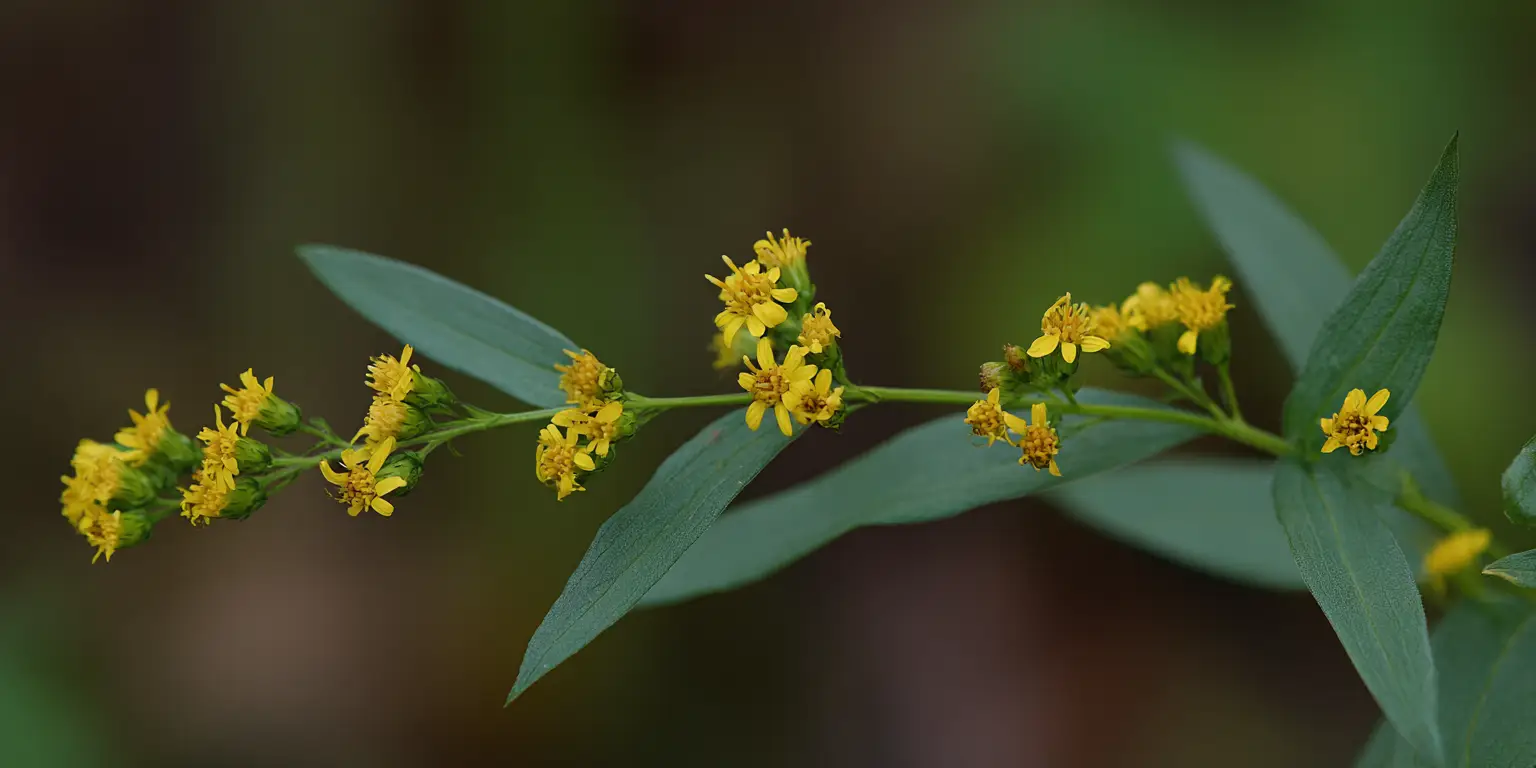
Solidago caesia
Species
At‑a‑glance
- Group/Class: Species
- Height × spread: 18-36 in (46-91 cm) × 18-36 in (46-91 cm)
- Bloom window: August to September
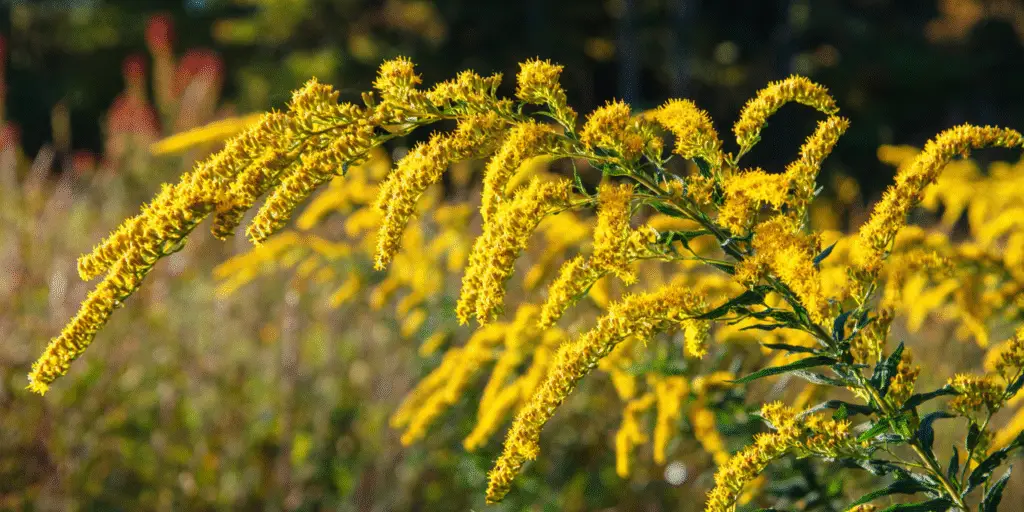
- Color & flower form: Yellow heads in axillary clusters along arching, purplish stems
- Fragrance: 0 none
- USDA hardiness: zones 4-8
- Breeder / Year / Origin: unknown
- Pet safety: safe
How it differs
- Tolerates shade better than most goldenrods
- Axillary “wreath” flowering rather than large terminal panicles
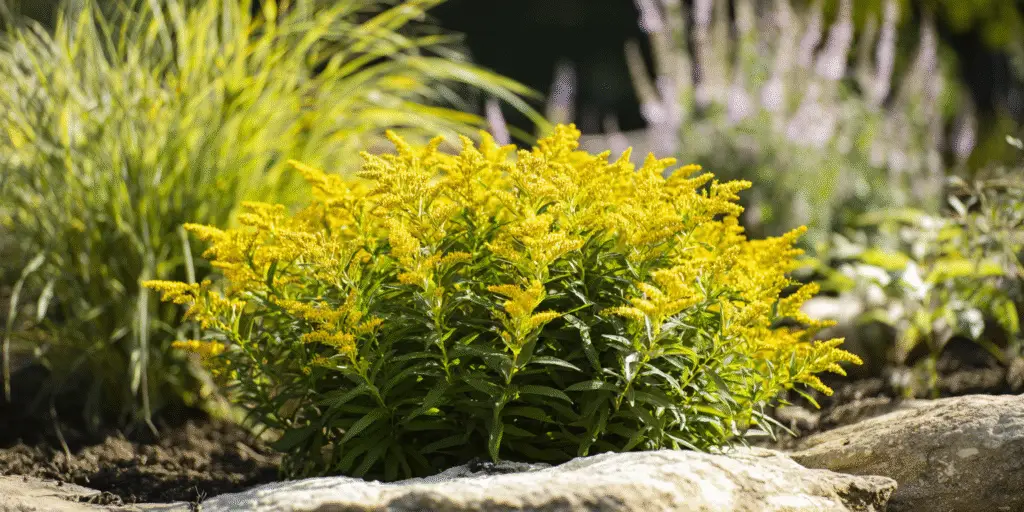
- Clump‑forming habit with restrained spread
Strengths
- Performs in part shade
- Tolerates dry, poor soils once established
- Attractive to bees and butterflies
Care in one minute
Site in part shade to full sun with well-drained soil
Water to establish; then occasional deep watering in drought
Mulch lightly; avoid burying crowns
No staking needed; cut back in late winter
Divide clumps if they expand beyond their space
Watch‑outs
- Rust may occur
- May reseed in open soils; remove spent stems if unwanted
- Pet safety note: Solidago species are generally not listed as toxic to cats and dogs; do not confuse with rayless goldenrod (Isocoma), which is toxic to horses.
Best uses (tags)
Provenance note
Native to central and eastern North America; frequently found in open woods and along bluffs.
References
- Missouri Botanical Garden – Solidago caesia
- NC State Extension – Solidago caesia
- ASPCA – Fall plant safety and rayless goldenrod note
Similar Flowers
Enjoying our flower guides? Add YourFlowersGuide as a preferred source on Google. It helps more readers find us.
Add to Preferred Sources