in bloom
now
through Oct
Bloom calendar
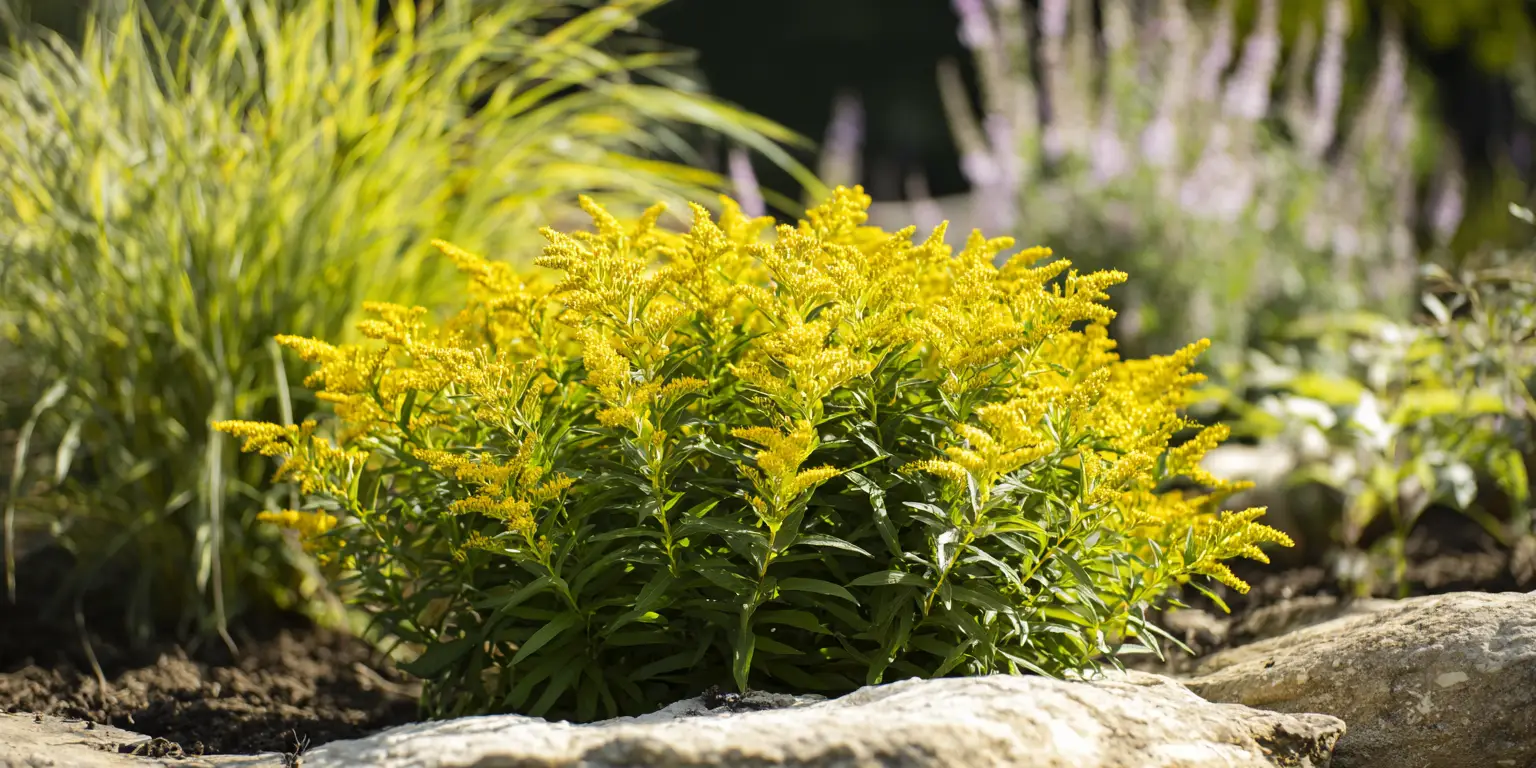
Golden Fleece
Autumn goldenrod cultivar · Mt. Cuba Center (Dick Lighty), 1989, USA
At‑a‑glance
- Group/Class: Autumn goldenrod cultivar
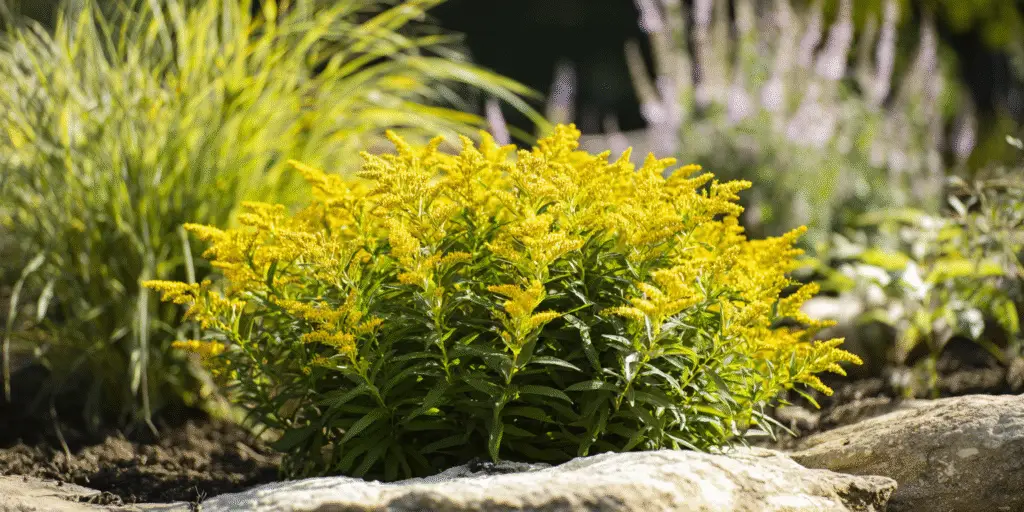
- Height × spread: 12-18 in (30-46 cm) × 12-18 in (30-46 cm)
- Bloom window: August to October
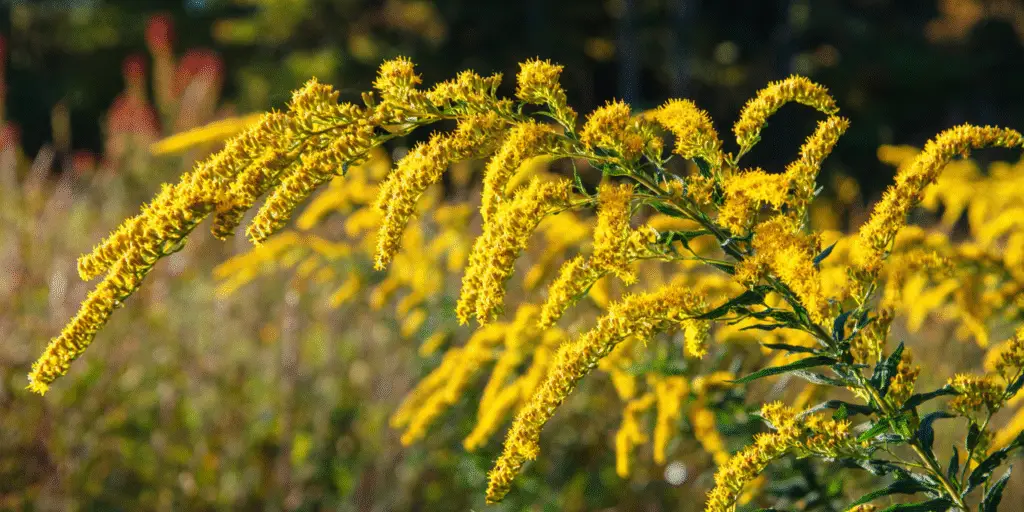
- Color & flower form: Golden yellow sprays in dense plume-like panicles
- Fragrance: 0 none
- USDA hardiness: zones 4-8
- Breeder / Year / Origin: Mt. Cuba Center (Dick Lighty), 1989, USA
- Awards/registration: Internationale Stauden-Union award, 1994; Plant of Merit
- Pet safety: safe
How it differs
- Shortest stature among common garden goldenrods
- More clumping and better behaved than the species
- Earlier start to bloom in late summer
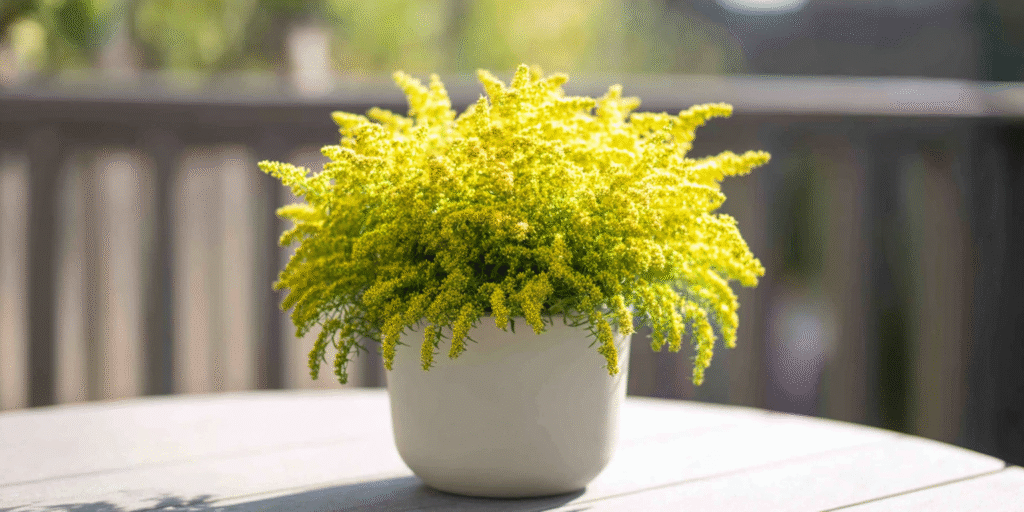
- Rounded foliage and sprays suitable for small spaces
Strengths
- Adaptable to sun to part shade
- Tolerates dry, infertile soils
- Attracts bees and butterflies
- Proven garden performance and awards
Care in one minute
Site in full sun for best bloom; part shade acceptable
Soil: average, dry to medium, well-drained
Water: regular during the first season; drought tolerant afterward
Feeding: minimal; too much nitrogen can cause lax growth
Deadhead to extend bloom and limit seedlings
Divide if clumps spread beyond 30 in
Watch‑outs
- Leaf rust, powdery mildew or leaf spots can appear
- Can spread slowly over time; deadhead to limit self-seeding
- Pet safety note: Solidago species are generally not listed as toxic to cats and dogs; do not confuse with rayless goldenrod (Isocoma), which is toxic to horses.
Best uses (tags)
Provenance note
Discovered as a compact seedling in Eden, North Carolina in 1985 and introduced by Mt. Cuba Center in 1989; later recognized with an international perennial award.
References
- Missouri Botanical Garden – Solidago sphacelata ‘Golden Fleece’
- Mt. Cuba Center – Golden Fleece autumn goldenrod
- ASPCA – Fall plant safety and rayless goldenrod note
- Chicago Botanic Garden – Goldenrod profiles
Similar Flowers
Enjoying our flower guides? Add YourFlowersGuide as a preferred source on Google. It helps more readers find us.
Add to Preferred Sources