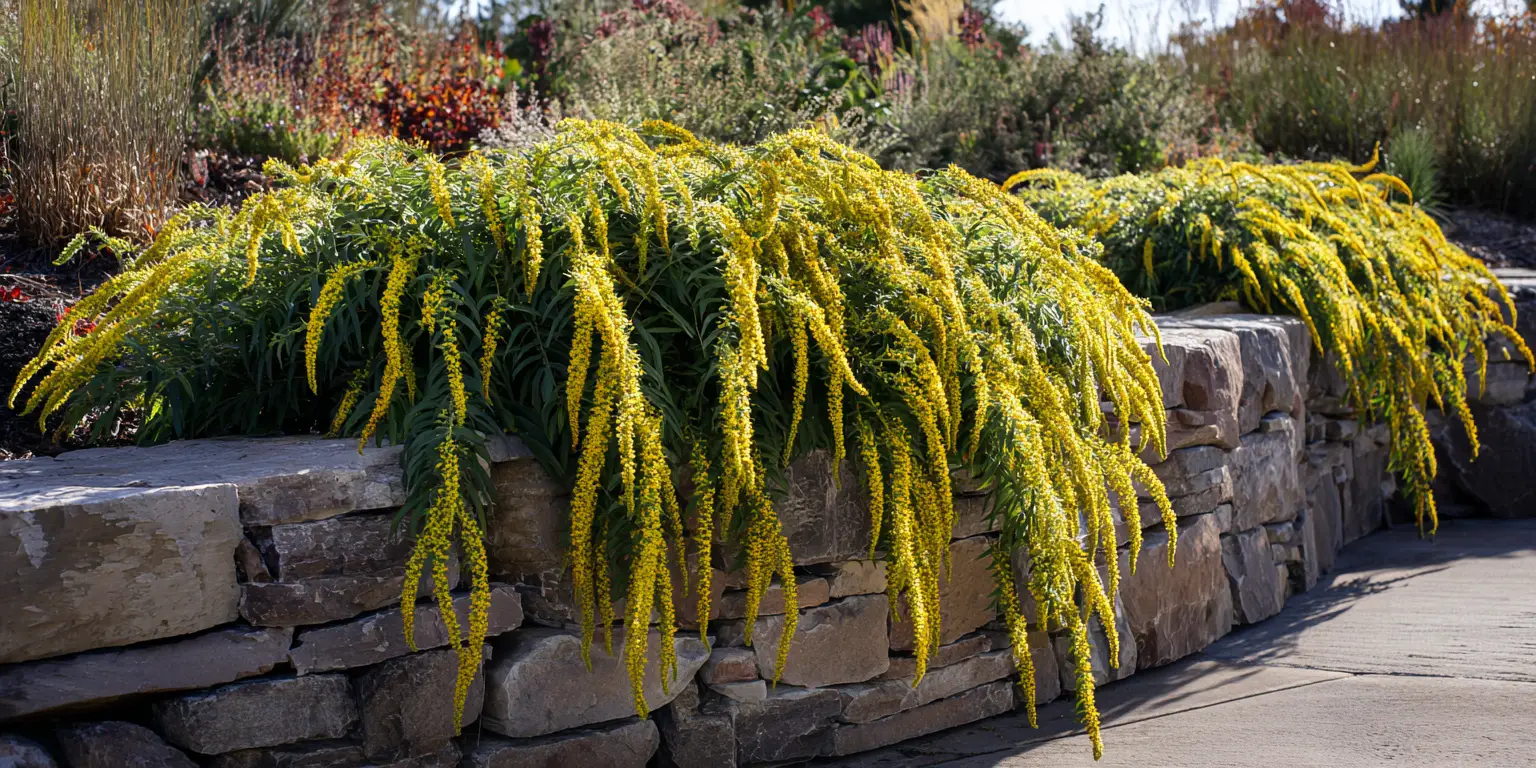
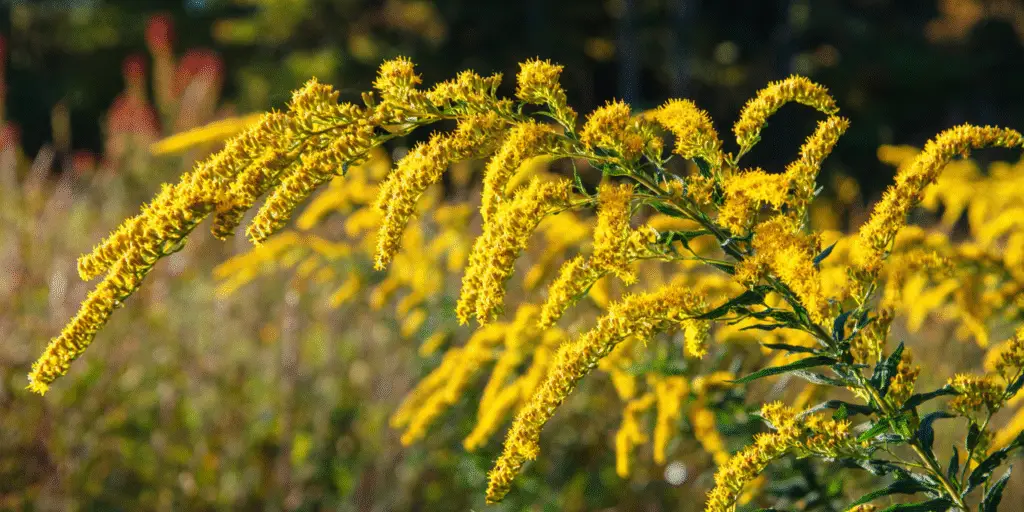
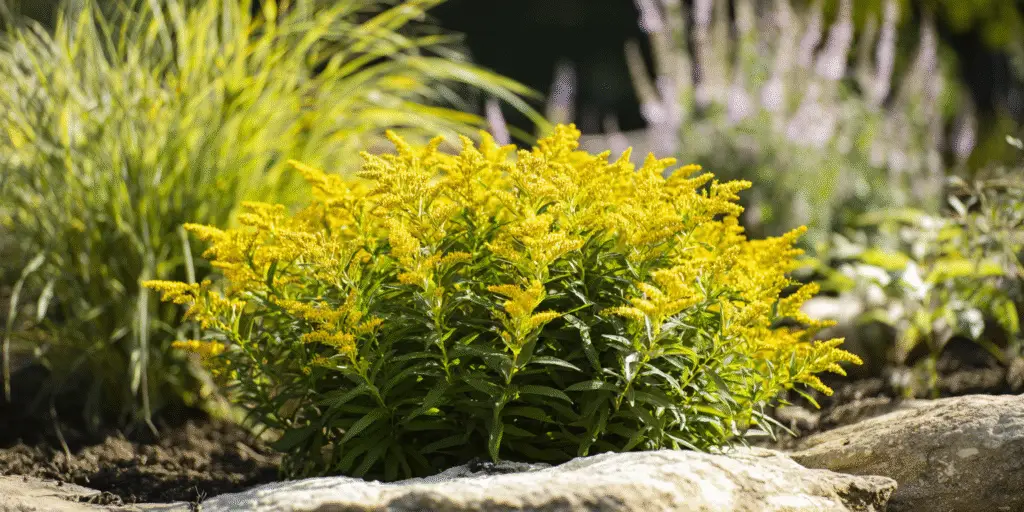
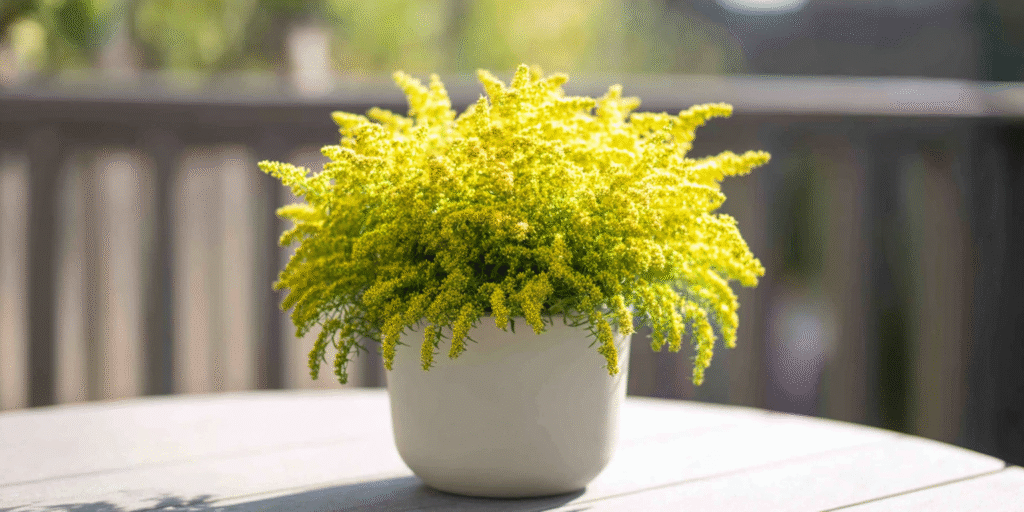
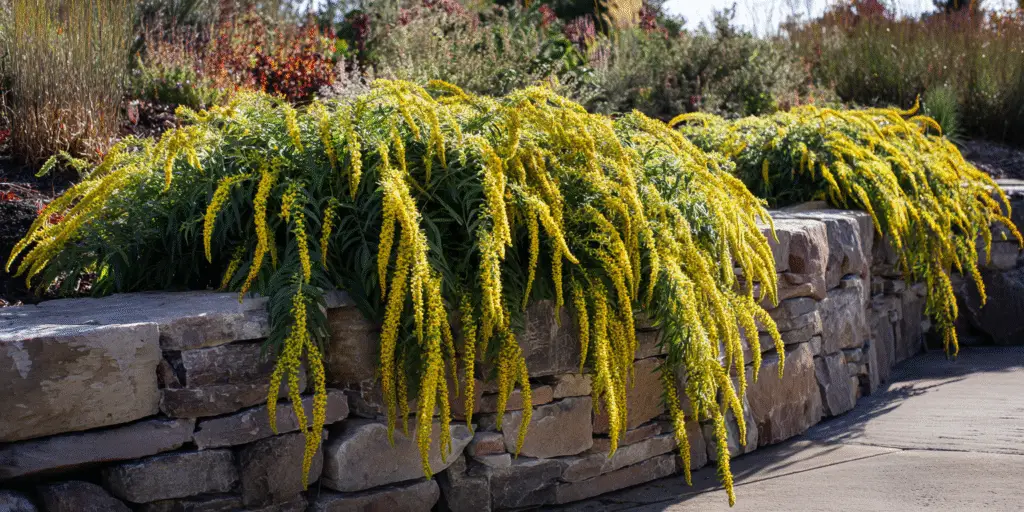
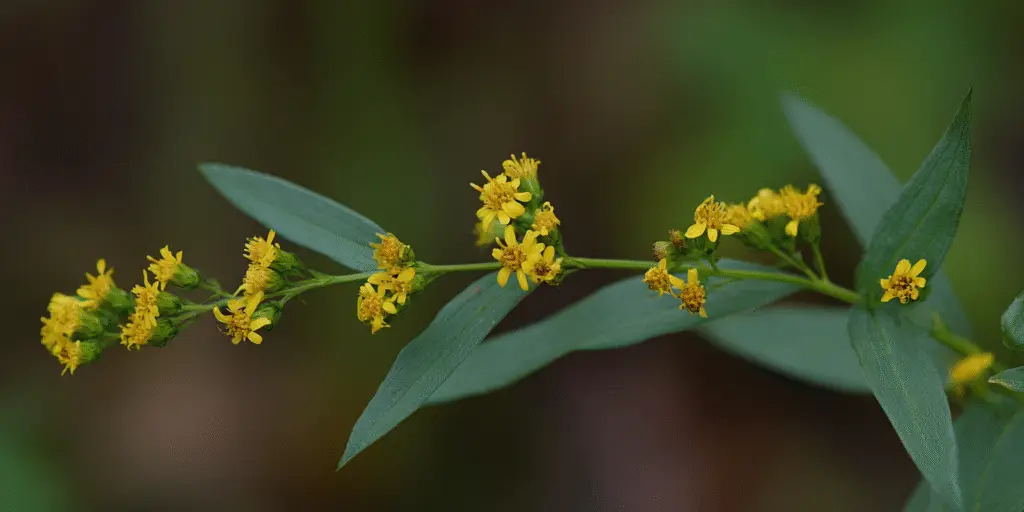
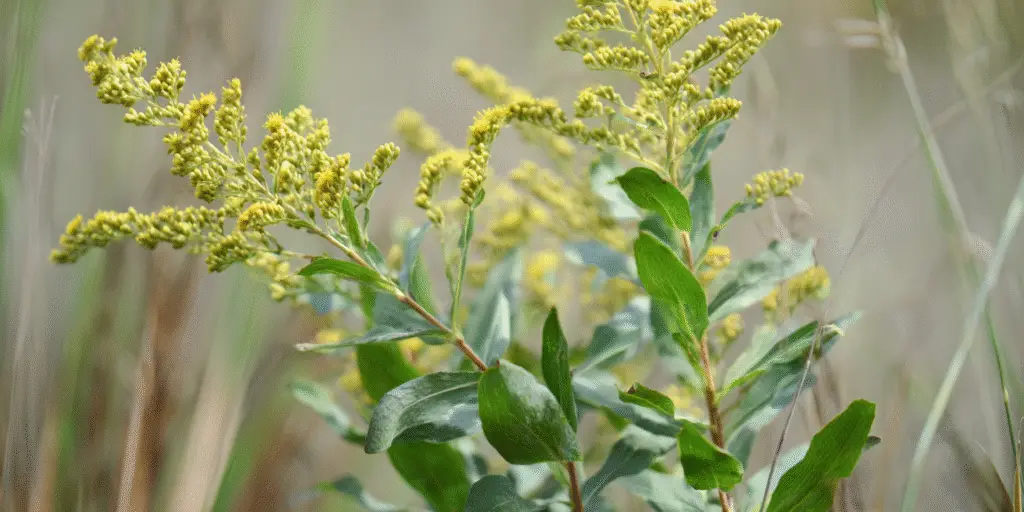
A clump-forming selection of Short’s goldenrod developed for horticulture and conservation. Plants are modest in size with arching stems that carry bright gold flowers in early fall. It prefers full sun and well-drained, gravelly or loamy soils and will spread slowly by short rhizomes. This cultivar offers a garden-friendly way to grow a species of conservation concern in North America.
At‑a‑glance
Group/Class: Short’s goldenrod selection
Height × spread: 24-30 in (61-76 cm) × 18-24 in (46-61 cm)
Bloom window: September to October
Color & flower form: Golden yellow sprays on arching stems
Fragrance: 0 none
USDA hardiness: zones 6-9
Breeder / Year / Origin: Cincinnati Zoo & Botanical Garden Native Endangered Plant Program, unknown, USA
Cut‑flower notes: Stems usable as cuts; flowers rated “Good Cut.”
Pet safety: safe
How it differs
Smaller and less aggressive than many goldenrods
Selected from a federally endangered species
Cascading habit with side sprays rather than stiff wands
Suited to sunny, well-drained rock or meadow settings
Strengths
Attracts pollinators
Deer and drought tolerance once established
Clump-forming with restrained spread
Care in one minute
Plant in full sun; tolerates light afternoon shade
Soil: well-drained gravelly or loam; neutral to slightly acidic
Water: moderate; allow topsoil to dry between deep soakings
Deadhead to prevent unwanted seedlings if nearby goldenrods are present
Leave stems for winter cover; cut back in late winter
Watch‑outs
Stems may lean or flop in wind or heavy rain when in bloom
Not reliably hardy in colder Zone 5 sites
Needs sun for best flower set
Pet safety note: Solidago species are generally not listed as toxic to cats and dogs; do not confuse with rayless goldenrod (Isocoma), which is toxic to horses.
Best uses (tags)
pollinators, borders, meadows, rock gardens, late season
Provenance note
Selected and distributed by the Cincinnati Zoo & Botanical Garden’s Native Endangered Plant Program to support awareness and cultivation of Short’s goldenrod.
Written by: Your Flowers Guide editorial team We are a small independent group of flower lovers who research and review each guide using trusted horticultural and educational sources. Learn more about us