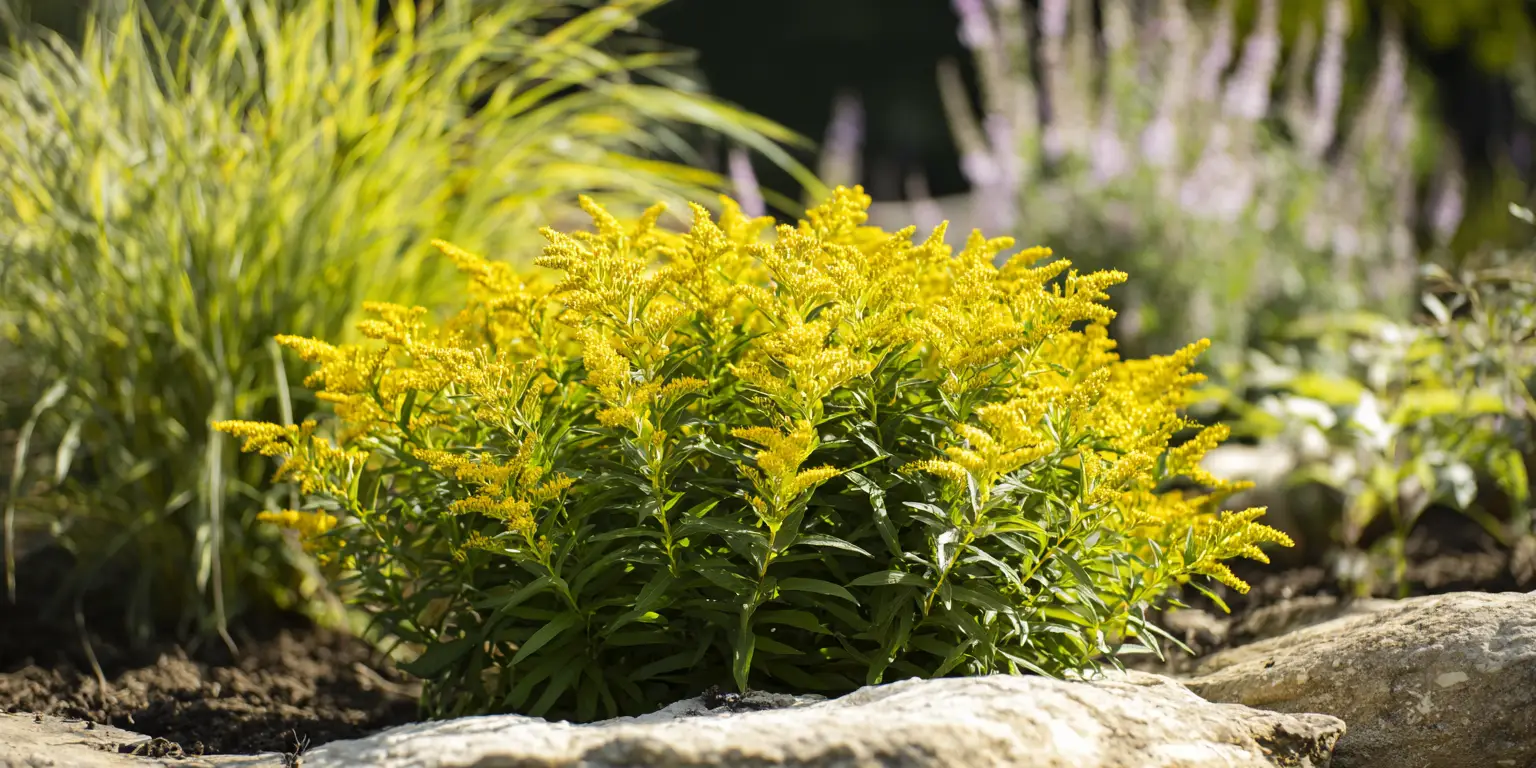
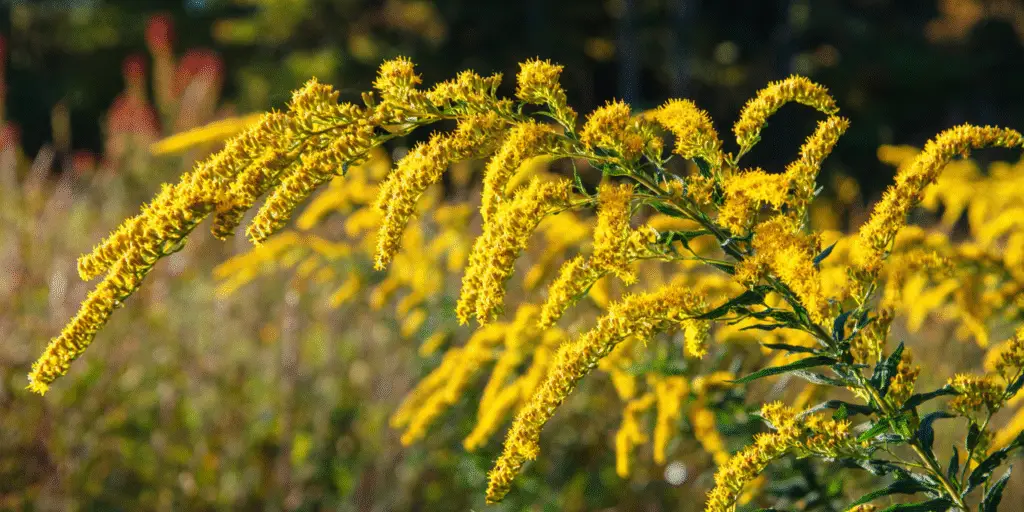
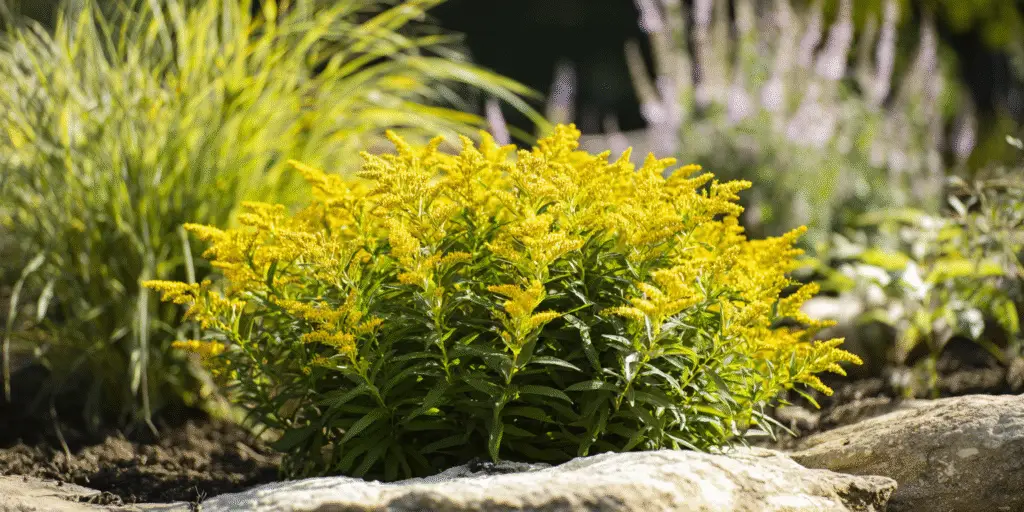
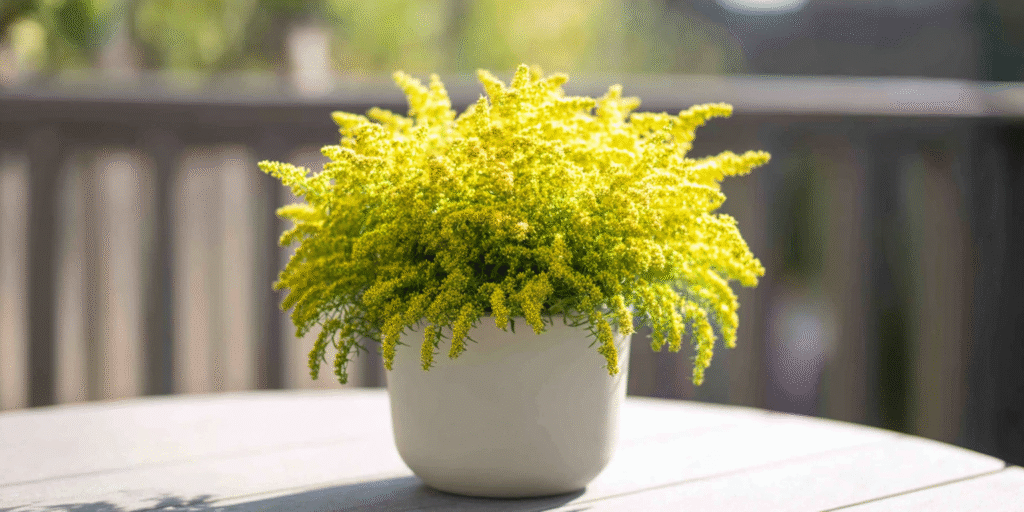
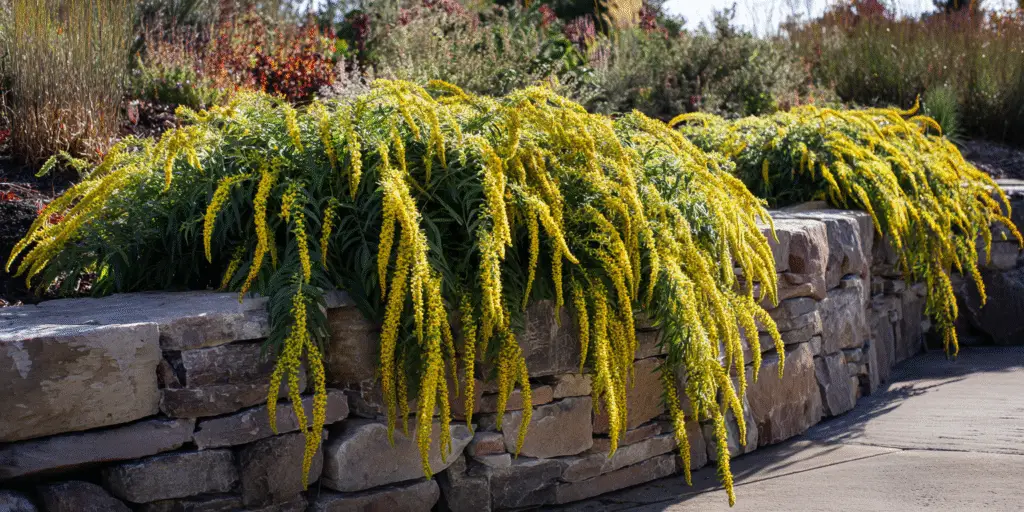
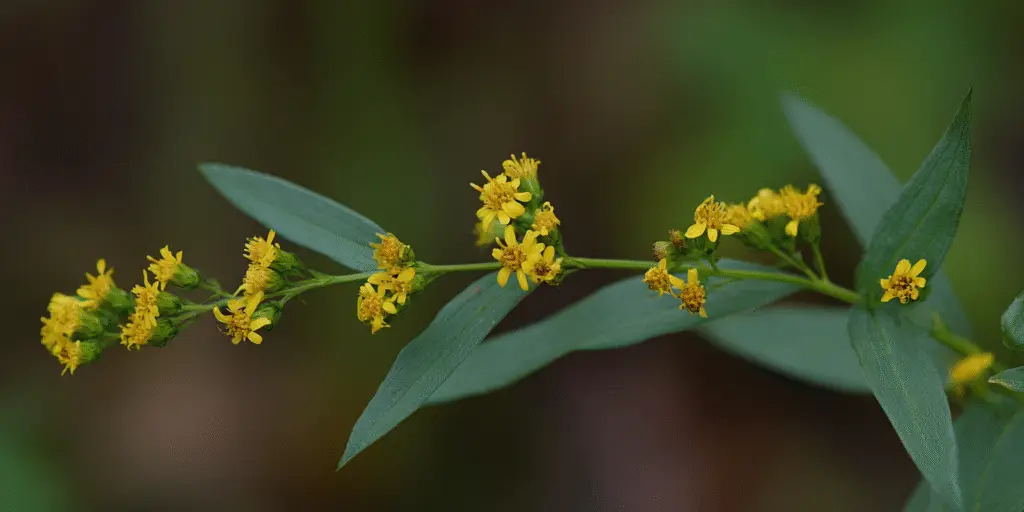
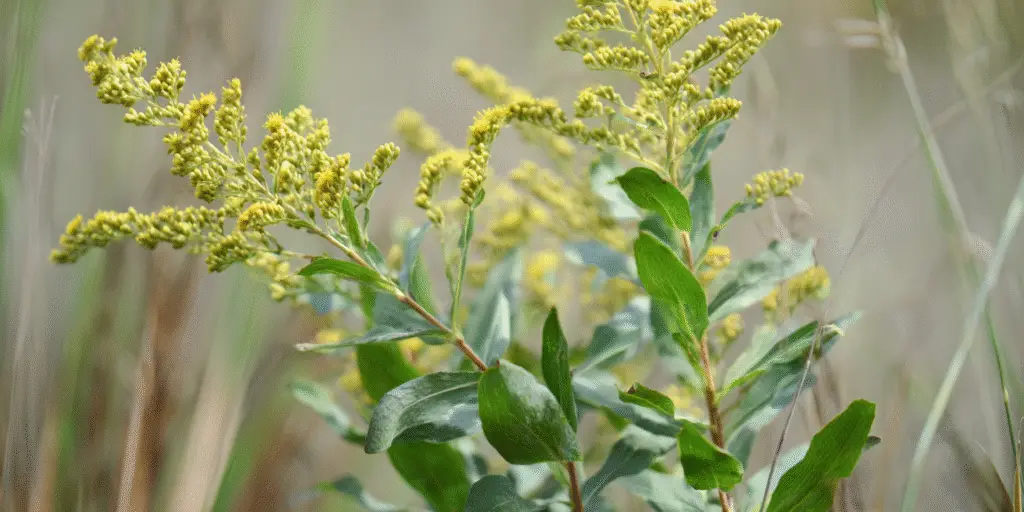
A compact selection of autumn goldenrod that forms low mounds topped with dense golden plumes. It excels in sunny, well-drained beds and is easier to manage than taller, rhizomatous species. Bloom begins in late summer and carries into fall, extending color when many perennials fade. Plants tolerate poor soils and periodic drought once established. The tidy stature allows use at the front of borders and in small gardens.
At‑a‑glance
Group/Class: Autumn goldenrod cultivar
Height × spread: 12-18 in (30-46 cm) × 12-18 in (30-46 cm)
Bloom window: August to October
Color & flower form: Golden yellow sprays in dense plume-like panicles
Fragrance: 0 none
USDA hardiness: zones 4-8
Breeder / Year / Origin: Mt. Cuba Center (Dick Lighty), 1989, USA
Awards/registration: Internationale Stauden-Union award, 1994; Plant of Merit
Pet safety: safe
How it differs
Shortest stature among common garden goldenrods
More clumping and better behaved than the species
Earlier start to bloom in late summer
Rounded foliage and sprays suitable for small spaces
Strengths
Adaptable to sun to part shade
Tolerates dry, infertile soils
Attracts bees and butterflies
Proven garden performance and awards
Care in one minute
Site in full sun for best bloom; part shade acceptable
Soil: average, dry to medium, well-drained
Water: regular during the first season; drought tolerant afterward
Feeding: minimal; too much nitrogen can cause lax growth
Deadhead to extend bloom and limit seedlings
Divide if clumps spread beyond 30 in
Watch‑outs
Leaf rust, powdery mildew or leaf spots can appear
Can spread slowly over time; deadhead to limit self-seeding
Pet safety note: Solidago species are generally not listed as toxic to cats and dogs; do not confuse with rayless goldenrod (Isocoma), which is toxic to horses.
Best uses (tags)
borders, pollinators, small gardens, late season
Provenance note
Discovered as a compact seedling in Eden, North Carolina in 1985 and introduced by Mt. Cuba Center in 1989; later recognized with an international perennial award.
Written by: Your Flowers Guide editorial team We are a small independent group of flower lovers who research and review each guide using trusted horticultural and educational sources. Learn more about us