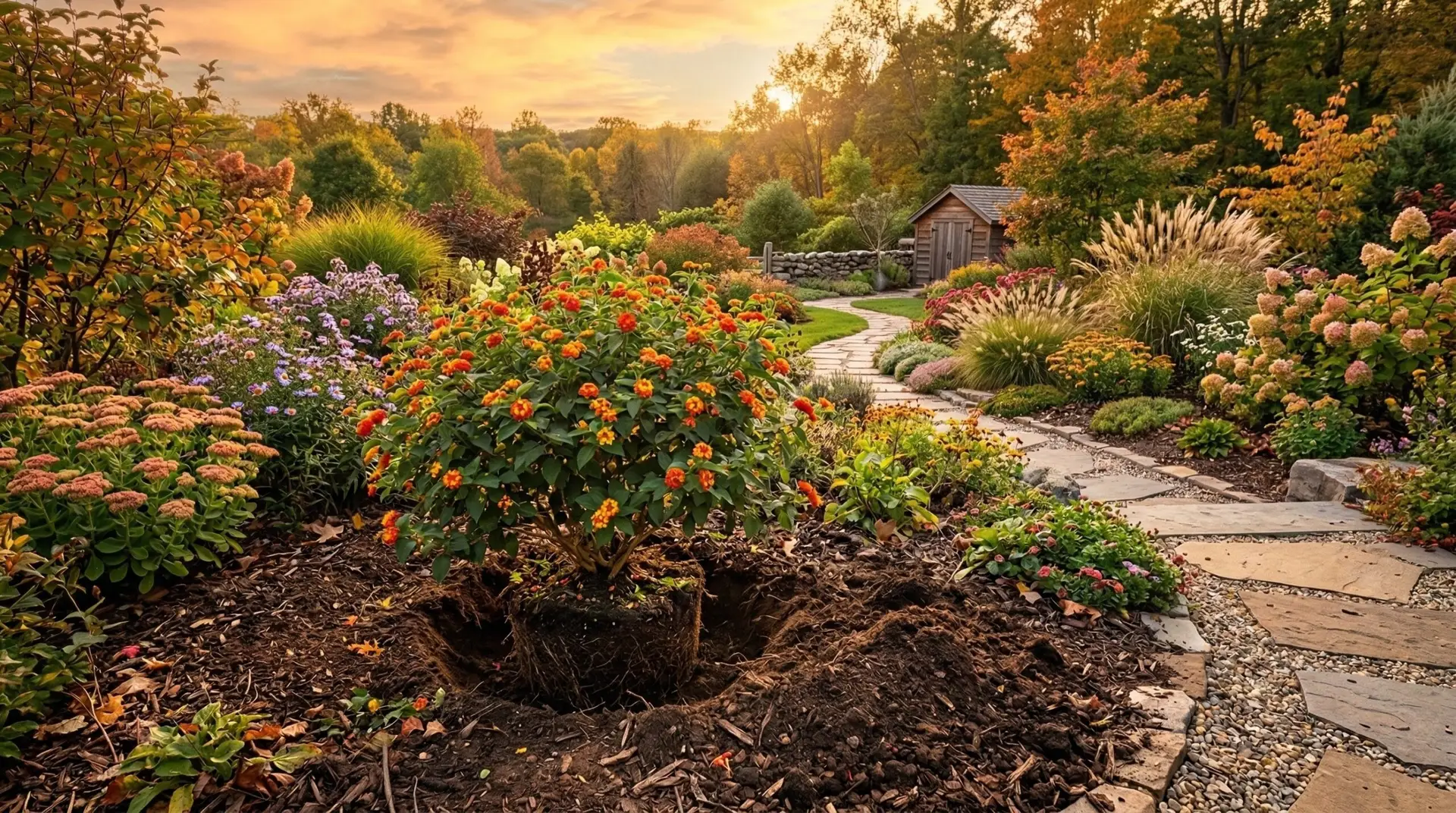
Lantana behaves completely differently depending on your geographic location and local climate conditions. In the humid, frost-free zones of South Florida or Southern California, these vigorous growers act as evergreen shrubs that can quickly overtake a flower garden if left unchecked. For gardeners in the upper Midwest or New England, lantana is treated as a tender annual that dies at the first hint of freezing temperatures. Understanding your local climate context is the absolute foundation for keeping these heat-loving plants alive through the winter months. You cannot apply a generic overwintering strategy without first assessing your specific regional timeline and indoor environment. Saving lantana indoors requires mimicking either a tropical winter or forcing a controlled dormancy, depending entirely on what your home environment can support.
The strategy for lantana winter care begins long before the first snow flies. Gardeners in high-altitude regions of the Mountain West might need to prepare their plants in early September, while those in the coastal Southeast might not think about frost protection until late November. Recognizing your local microclimates is just as vital as knowing your USDA hardiness zone. A lantana planted against a south-facing brick wall in Zone 6 might survive a light frost that kills a plant completely exposed to north winds just fifty feet away. You must monitor your specific yard’s temperature patterns to know exactly when to bring your plants inside. Acting too late guarantees frost damage, while acting too early robs the plant of valuable autumn sunlight.
Contents 5 sections
Managing the transition before the first frost
Digging up your plants for overwintering must happen before nighttime temperatures drop consistently below fifty degrees Fahrenheit. In the volatile transition zones of the Mid-South, autumn temperatures can fluctuate wildly, requiring you to act decisively when a cold front approaches. Start by pruning the plant back severely, reducing its overall size by at least half to minimize transplant shock and make it manageable for indoor storage. Carefully dig around the root ball, keeping as much of the root system intact as possible, especially in heavy clay soils where roots might be tightly bound. Pot the plant in a container with excellent drainage, using a lightweight potting mix rather than heavy garden soil. Water the newly potted plant thoroughly to settle the soil and eliminate air pockets around the disturbed roots.
The transition indoors is often stressful for sun-loving plants that have spent months basking in intense summer light. Much like you might bring a hibiscus inside before a hard freeze, lantana requires a period of acclimation to adjust to lower light levels and stagnant indoor air. Keep the potted plant in a shaded outdoor spot for about a week before moving it permanently inside. This gradual shift helps prevent the massive leaf drop that occurs when a plant goes directly from full southern sun to the dim environment of a living room. If you live in a region with high autumn rainfall, protect the newly potted plant under a porch roof to prevent the soil from becoming waterlogged before the transition. Controlling moisture at this stage prevents root rot from setting in before the plant even reaches its winter storage location.
Creating winter dormancy in cold climates
For gardeners facing the long, brutal winters of the Northern Plains or New England, forcing the plant into dormancy is usually the most successful strategy. This cool dormancy method involves storing the potted plant in an unheated but frost-free location like an attached garage, a cool basement, or an enclosed porch. The ideal temperature range for this dormant state is between forty and fifty degrees Fahrenheit. At these temperatures, the plant will drop its remaining leaves and look completely dead, which is exactly the natural response you want to see. The goal is to suspend the plant’s growth entirely without letting the roots freeze, allowing it to rest until spring returns. Providing light is completely unnecessary during this dormant phase, making it perfect for dark cellars.
Managing moisture during this dormant period requires careful attention to your specific indoor climate. In regions where winter heating creates bone-dry indoor air, the potting soil will dry out much faster than you might expect for a resting plant. Check the soil moisture every three to four weeks, providing just enough water to keep the root ball from desiccating completely. Overwatering a dormant lantana in a cool, dark basement is a guaranteed way to cause root rot, especially in humid regions where basements tend to hold stagnant moisture. The soil should feel barely damp to the touch, never wet, so the roots survive without encouraging any new top growth. A moisture meter is a helpful tool for gardeners who struggle to gauge soil dampness in dark storage areas.
Active indoor growing for sunbelt regions
Gardeners in milder regions like Zone 7 or 8 might choose the sunny window method, keeping their plants actively growing through the shorter winter. This approach requires a south-facing window that receives at least six hours of direct sunlight daily, a condition that is much easier to meet in the sunny Southwest than in the perpetually cloudy Pacific Northwest. Even with adequate light, the plant will become leggy and produce far fewer blooms than it did outdoors. You must rotate the pot weekly to ensure even light exposure and prevent the stems from leaning heavily toward the glass. Keeping the plant actively growing means you will need to water it more frequently than a dormant plant, though still less often than during the peak heat of summer. Allow the top two inches of soil to dry completely between waterings to prevent fungal issues.
The biggest challenge with active indoor growing is managing the inevitable pest populations that thrive in controlled indoor environments. Whiteflies and spider mites are particularly troublesome for indoor lantana, flourishing in the dry air created by forced-air heating systems common across the country. You can combat this by grouping plants together to create a humid microclimate or by placing the pots on trays filled with pebbles and water. Regularly inspecting the undersides of the leaves allows you to catch infestations early before they spread to your other indoor plants. Just as you might monitor a canna lily rhizome for rot during winter storage, you must stay vigilant with your actively growing plants to make sure they remain healthy. A weekly spray of water in the sink or shower helps dislodge dust and minor pest accumulations.
Taking cuttings as a space saving alternative
If you lack the space to store massive mature plants, taking cuttings offers a highly effective way to save your specific varieties. This method is particularly popular among urban gardeners or those living in apartments where large dormant pots are simply impractical. In late summer, well before any threat of frost, take four-inch cuttings from healthy, non-blooming stem tips. Strip the lower leaves and dip the cut ends in rooting hormone before planting them in a sterile, well-draining medium like perlite mixed with peat moss. In regions with alkaline tap water, such as much of the Southwest, you might need to use collected rainwater or distilled water to prevent mineral buildup from inhibiting root development. Firm the soil gently around the stems so they stand upright on their own.
Maintaining the right humidity around the cuttings is essential for successful rooting, regardless of your geographic location. You can create a miniature greenhouse effect by placing a clear plastic bag over the pot, making sure the plastic does not touch the leaves. Keep the cuttings in a warm spot with bright, indirect light, avoiding direct sun that would quickly cook the tender stems inside the plastic enclosure. Within four to six weeks, the cuttings should develop a robust root system, at which point you can remove the plastic cover. These small, rooted plants can then spend the rest of the winter on a sunny windowsill, taking up a fraction of the space required by their parent plants. Pinch back the growing tips occasionally to encourage bushier growth before spring.
Preparing for the spring transition outdoors
The process of moving your overwintered plants back outside requires just as much regional awareness as bringing them indoors. In the unpredictable spring climates of the Midwest, late frosts can occur well into May, meaning you must resist the urge to move plants out during the first warm spell. Begin waking up dormant plants about a month before your area’s final frost date by moving them to a warmer, brighter location and increasing your watering frequency. Once new green shoots appear, apply a half-strength liquid fertilizer to support the rapid growth phase. Wait until nighttime temperatures remain consistently above fifty-five degrees Fahrenheit before moving the pots outdoors permanently. Moving them too early will stunt the new growth and set the plant’s blooming schedule back by several weeks.
Hardening off your plants is the final step in the overwintering process, and it must be done gradually to prevent sunscald and wind damage. Start by placing the plants in a shaded, protected spot for a few hours a day, slowly increasing their exposure to direct sun and wind over the course of two weeks. Gardeners in the windy Great Plains might need to utilize physical windbreaks during this period to protect the tender new growth from snapping. The fundamental rule of regional gardening is that a plant’s survival depends entirely on how well you buffer it against local extremes. By tailoring your care to your specific climate conditions, you can successfully maintain these tender perennials year after year, completely bypassing the need to purchase new stock every spring. Your reward will be larger, more robust plants that begin blooming much earlier in the season.
More About Lantana
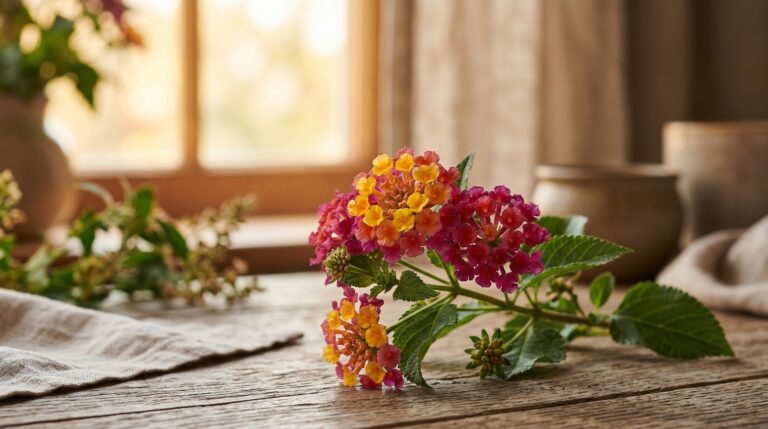
Why lantana flowers change color as they age and the science behind the show
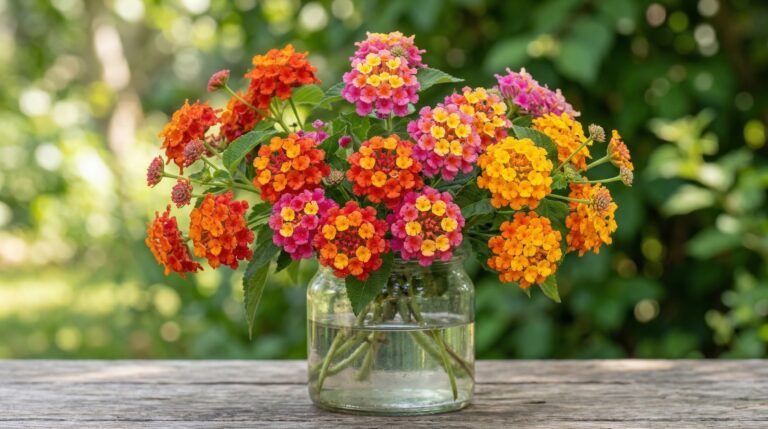
Best lantana varieties from multicolor Confetti to pure white Nivea

Companion plants for lantana that share its dry, sunny bed
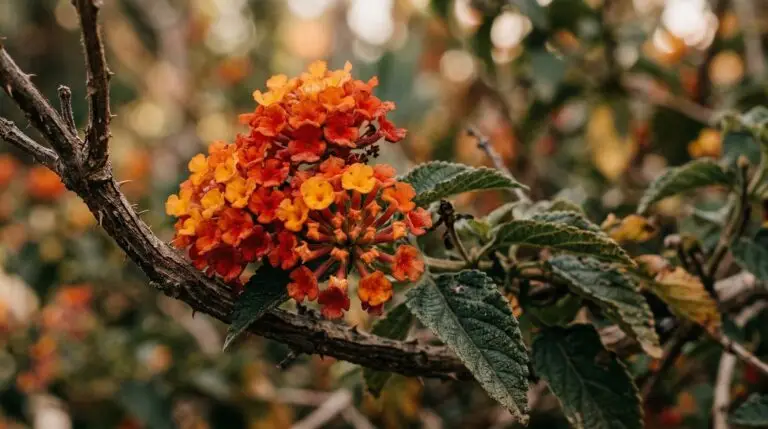
Lantana flower meaning and the resilient beauty of this tough tropical bloomer

Lantana as a low-maintenance ground cover for slopes and hard-to-mow areas
Is lantana invasive and how to grow it responsibly in warmer climates
Growing lantana in containers and hanging baskets for summer patio color
How to grow lantana for non-stop color in the hottest driest spots in your garden
Lantana as a butterfly magnet and the pollinator garden star of summer heat
Enjoying our flower guides? Add YourFlowersGuide as a preferred source on Google. It helps more readers find us.
Add to Preferred Sources