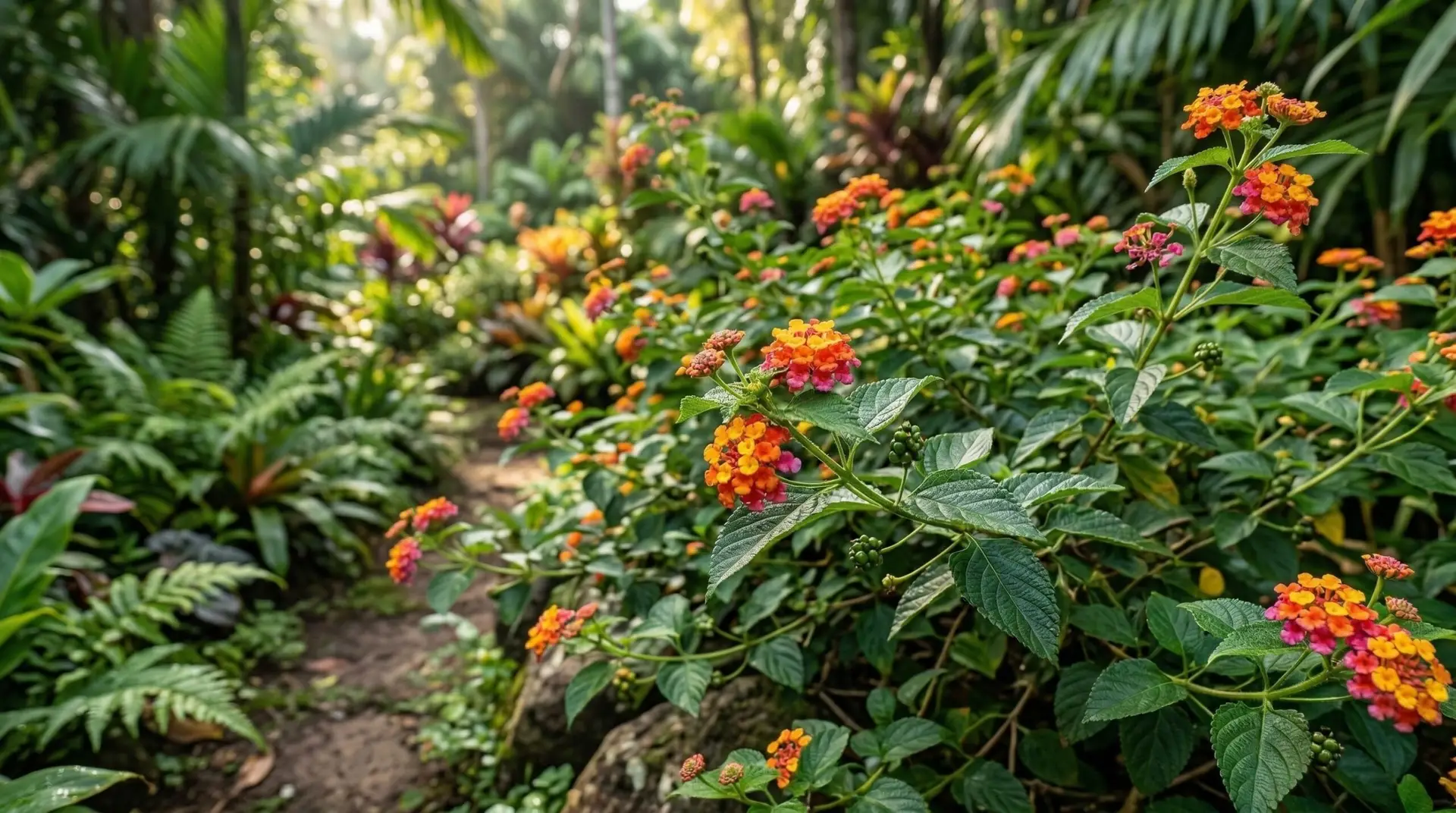
Lantana camara is a severe ecological threat in hardiness zones 8 through 11. The aggressive root system is a secondary issue compared to the primary threat. Prolific berry production allows birds to scatter seeds miles beyond your property line. Once established in wild areas, it forms dense, toxic thickets that crowd out native vegetation and poison livestock. Gardeners in Florida, Texas, Hawaii, and parts of California must treat this plant with extreme caution. The agricultural impact is significant, as the foliage contains triterpenoids that cause liver damage and photosensitivity in grazing animals. Despite what many sources claim, you cannot simply control lantana by keeping it pruned small in your yard. If a single cluster of flowers turns into dark purple berries, the plant has already escaped your garden. You must either plant guaranteed sterile cultivars or restrict its use to colder climates where winter eradicates the seeds.
Contents 5 sections
Understanding how lantana spreads
The primary vector for lantana spreading is avian transport. Birds consume the ripe, fleshy berries in late summer and excrete the seeds in forests, agricultural margins, and coastal dunes. These seeds germinate rapidly in poor soil and tolerate extreme drought, giving them a significant advantage over native seedlings. The plant also spreads vegetatively when low-hanging branches touch the soil and develop roots, creating an expanding perimeter around the original shrub. This dual method of reproduction makes eradication difficult once a thicket forms. Cutting the main trunk simply triggers aggressive basal sprouting from the remaining crown. To permanently remove an established, invasive lantana, you must extract the entire root system or apply a targeted triclopyr-based herbicide immediately after cutting the stems. Similar to aggressive spreaders like crocosmia, mechanical removal requires persistence and careful sifting of the soil to prevent regeneration from broken root fragments.
Selecting sterile cultivars for warm climates
Plant breeders have developed sterile varieties that provide the drought tolerance of lantana without the ecological damage. These cultivars are either triploid or bred to drop their spent blooms before forming fruit. ‘New Gold’, ‘Gold Mound’, and the Patriot series are reliable choices that produce little to no viable seed. You must verify the specific cultivar name on the nursery tag rather than buying generic, unnamed plants from a discount garden center. The older the cultivar, the more likely it is to produce fertile seeds. Even with sterile varieties, responsible gardeners should monitor the shrubs late in the season. Environmental stress, such as prolonged drought or unusual temperature fluctuations, occasionally causes supposedly seedless varieties to produce a small number of berries. If you observe fruit forming on a sterile cultivar, shear the entire plant back by one third to remove the developing seed heads.
Site selection and soil requirements
When planting sterile lantana, you must provide optimal conditions to prevent the sparse, leggy growth that plagues shaded specimens. The plant requires a minimum of eight hours of direct sunlight daily to maintain a tight, mounding habit. Shade reduces flower production and leaves the plant susceptible to powdery mildew and whitefly infestations. Soil drainage is critical for long-term health, as the roots rot quickly in heavy, waterlogged clay. Amend poor soils with coarse sand or expanded shale to ensure water moves rapidly away from the root zone. Once established, lantana requires supplemental watering only during severe droughts lasting longer than three weeks. Overwatering is the most common mistake gardeners make, resulting in excessive green foliage at the expense of the flower clusters.
Growing lantana safely as an annual
Gardeners in zones 7 and below can grow standard lantana varieties without contributing to the invasive spread. The first hard frost kills the plant entirely, and the seeds rarely survive prolonged freezing temperatures in wet winter soil. Treat the plant strictly as a summer annual for containers or border edges. Plant them in late spring after the soil warms to at least 65 degrees Fahrenheit. Cold soil stunts the root growth and delays the onset of blooming by several weeks. Use a balanced 10-10-10 fertilizer at half strength every two weeks during active growth to maximize flowering. Because they share similar heat requirements and continuous blooming habits, you can pair them effectively with verbena in hanging baskets or hot patio planters. When the foliage blackens after the first freeze, pull the entire root ball and dispose of it in municipal yard waste rather than your home compost bin.
Pruning and managing established plants
If you inherit a mature, seed-producing lantana in a warm climate, you must commit to an aggressive deadheading schedule or replace the shrub entirely. You must cut off the flower clusters as soon as the petals fade, long before the green berries appear. Use sharp bypass pruners to snip the stems back to the next set of leaves. Because lantana blooms on new wood, frequent shearing prevents seed formation while simultaneously encouraging a denser flush of flowers. Wear heavy leather gloves and long sleeves when handling the foliage. The rough leaves contain toxic compounds that cause severe contact dermatitis in many people. Never place lantana clippings with attached berries into a home compost pile, as standard compost temperatures do not get hot enough to destroy the seed viability. Bag the trimmings securely in plastic and send them to a municipal landfill.
More About Lantana
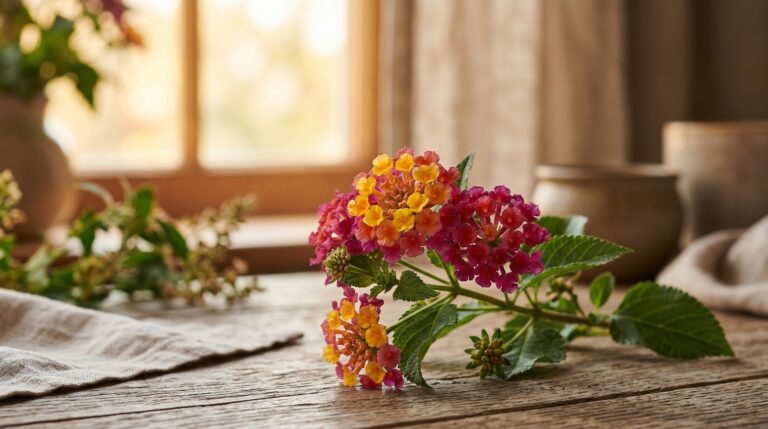
Why lantana flowers change color as they age and the science behind the show
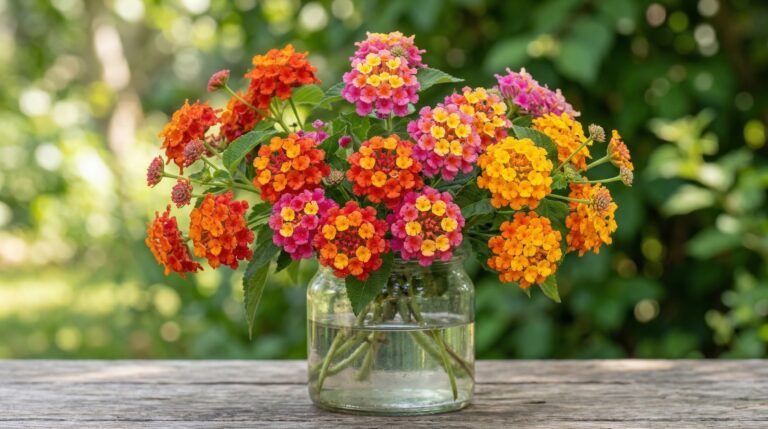
Best lantana varieties from multicolor Confetti to pure white Nivea
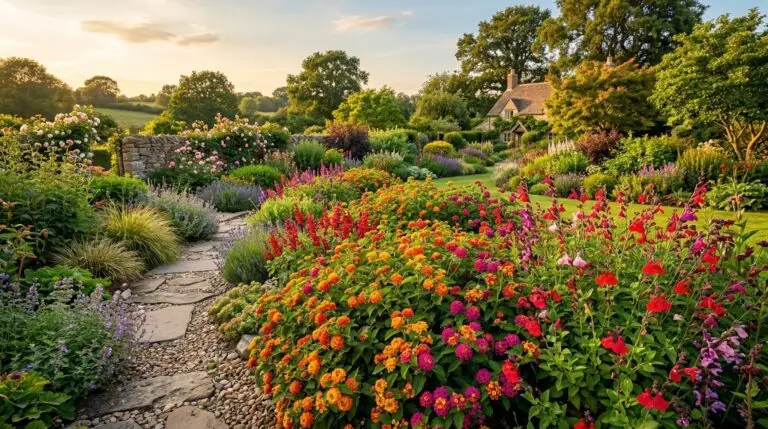
Companion plants for lantana that share its dry, sunny bed
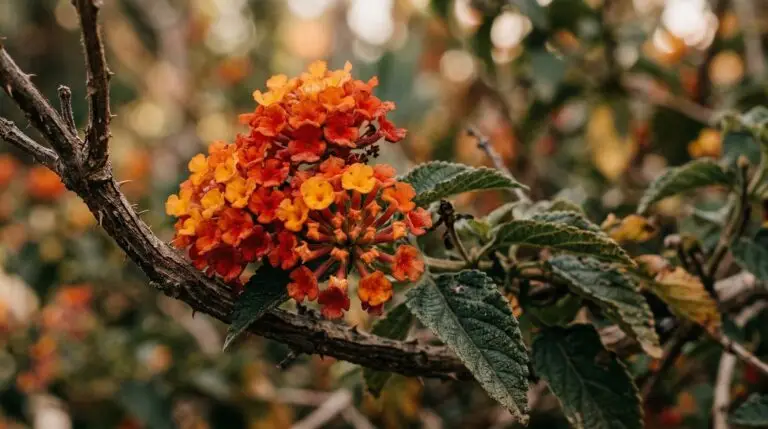
Lantana flower meaning and the resilient beauty of this tough tropical bloomer
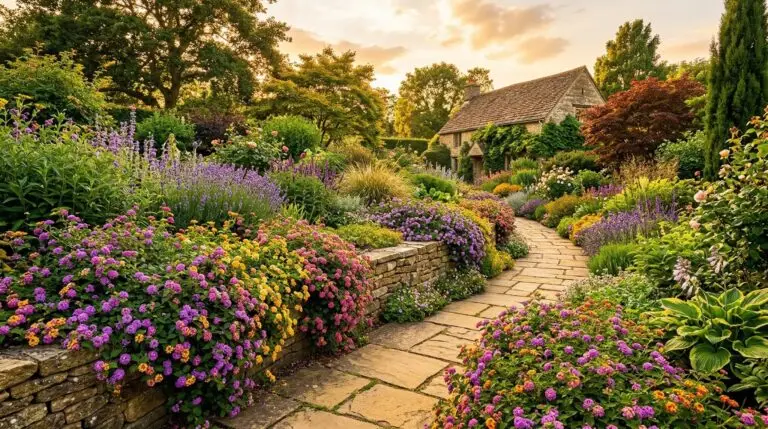
Lantana as a low-maintenance ground cover for slopes and hard-to-mow areas
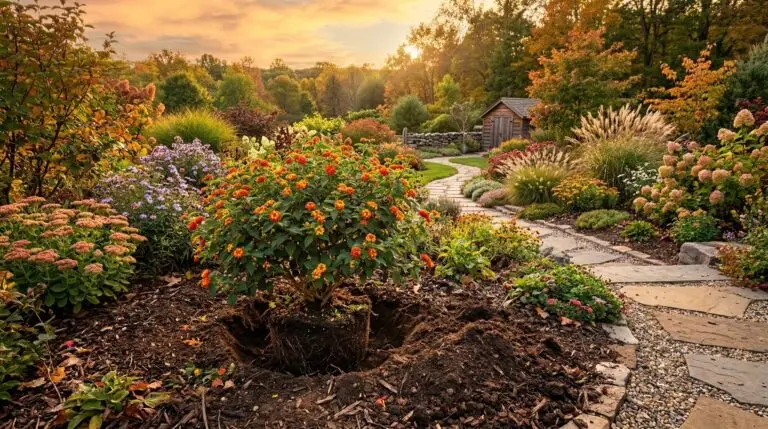
Overwintering lantana plants indoors for saving your favorite varieties until spring
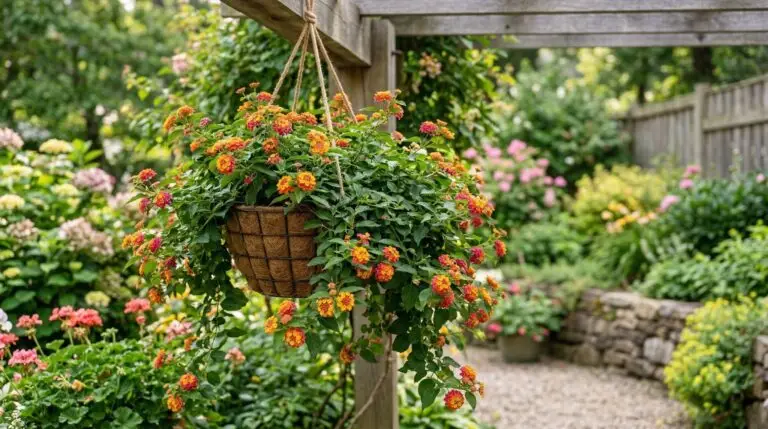
Growing lantana in containers and hanging baskets for summer patio color
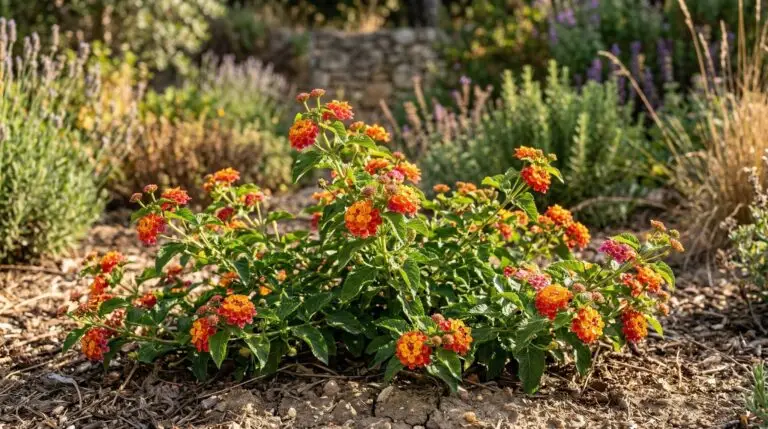
How to grow lantana for non-stop color in the hottest driest spots in your garden
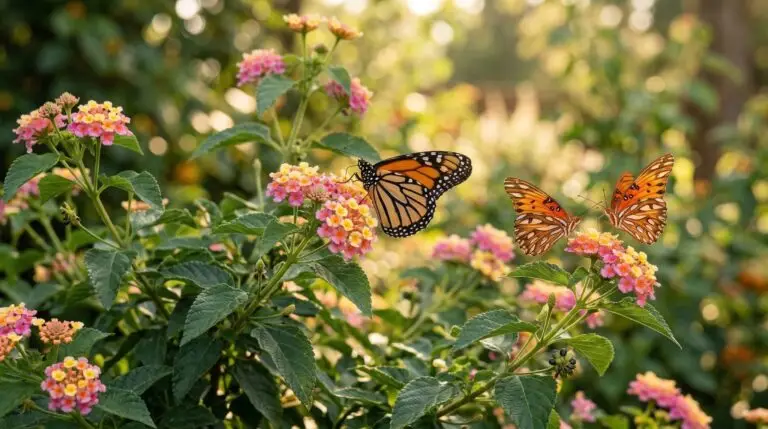
Lantana as a butterfly magnet and the pollinator garden star of summer heat
Enjoying our flower guides? Add YourFlowersGuide as a preferred source on Google. It helps more readers find us.
Add to Preferred Sources