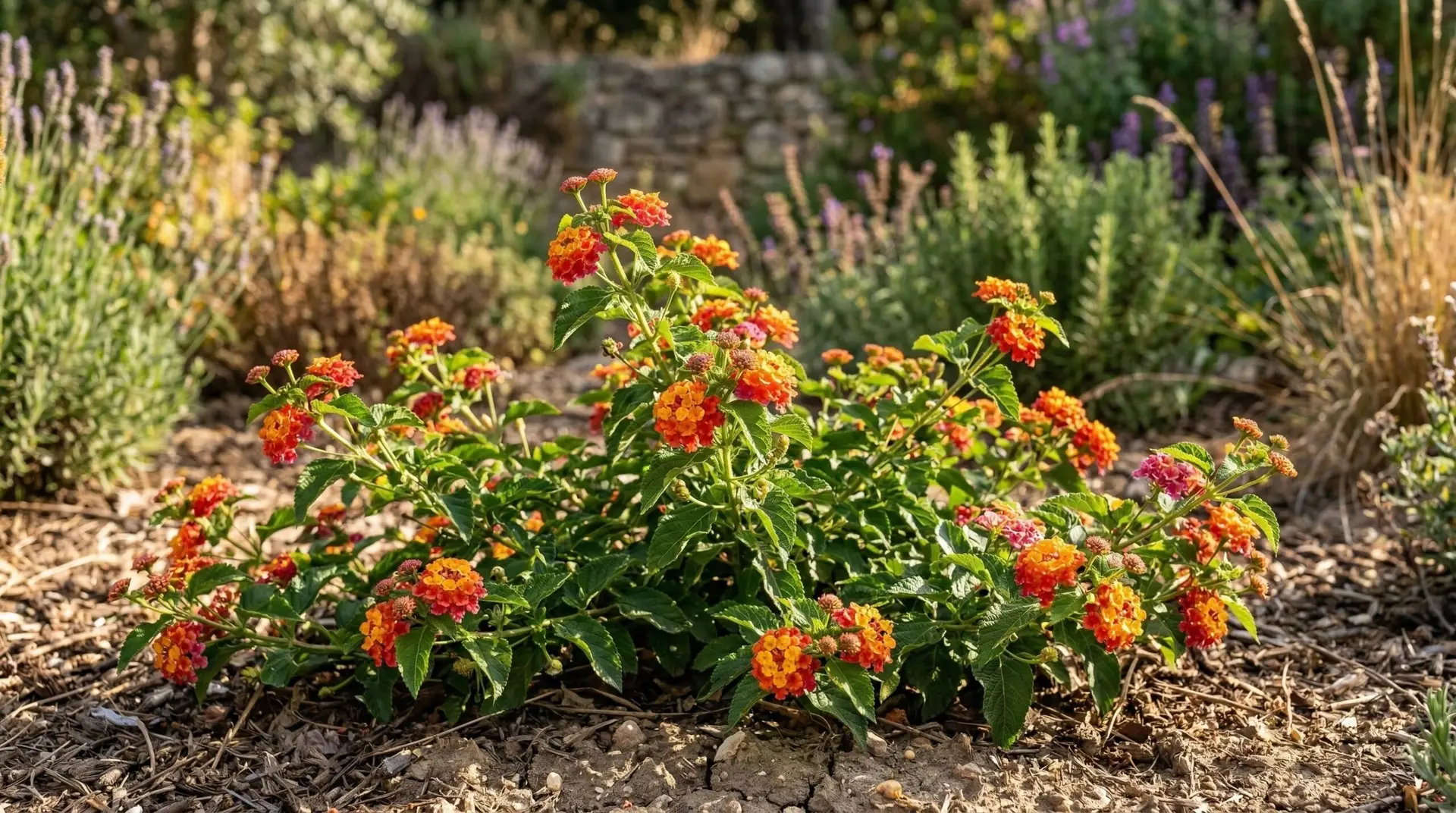
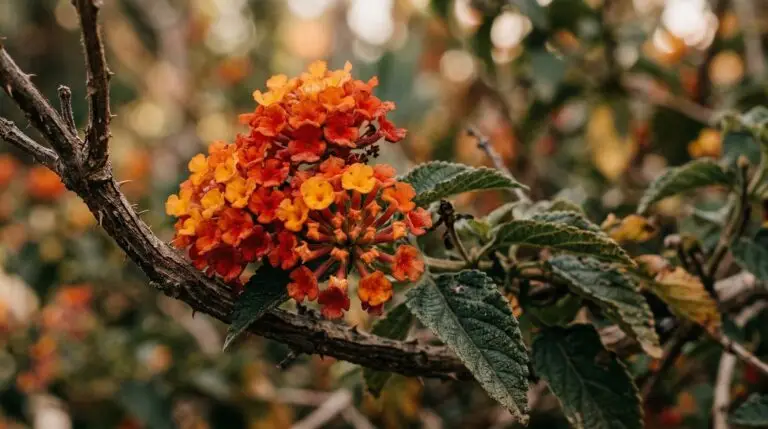
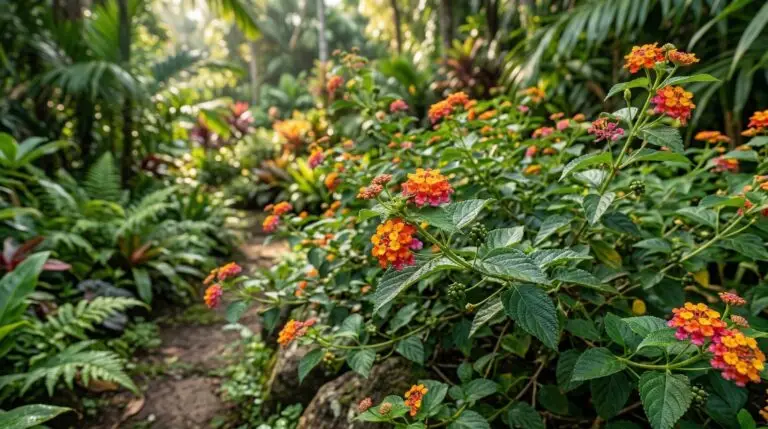
I have observed lantana growing in some of the most unforgiving environments imaginable, from baking concrete planters in urban heat islands to neglected highway medians where irrigation is a distant memory. This resilience comes from its origins in the tropical Americas, where it evolved to withstand intense solar radiation and prolonged dry spells. When gardeners ask me for a plant that truly thrives on neglect, growing lantana is always near the top of my list. In frost-free zones, this plant behaves as a robust woody shrub that can quickly dominate a space, while gardeners in colder climates rely on it as a high-performing annual that delivers continuous color until the first hard freeze. The blossoms themselves form in tight, rounded clusters called umbels, frequently shifting in color as they age from yellow to pink to deep red. The foliage carries a distinct, somewhat pungent scent when crushed, a characteristic that naturally deters deer and rabbits from browsing the tender new growth. Understanding how this plant functions in its native habitat is essential to replicating that success in your own garden beds and containers.
Contents 4 sections
Understanding soil and site requirements
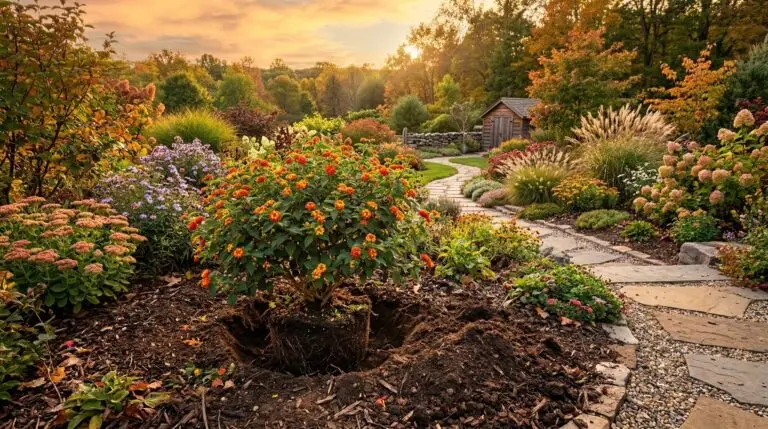
Lantana demands full sun, which translates to a minimum of six to eight hours of direct, unfiltered sunlight every single day. If you plant it in partial shade, the plant will respond by producing elongated, weak stems and a disappointing fraction of its usual flower output. Soil preparation requires careful attention to drainage rather than fertility, as these plants will quickly succumb to root rot in heavy, waterlogged clay. I recommend aiming for a soil pH between 5.5 and 6.5, though the plant is highly adaptable to alkaline conditions provided the drainage is excellent. Lantana roots prefer warm soil, so wait until late spring when the ground has thoroughly heated up before putting new transplants into the garden. You can easily pair it with other sun-loving, drought-tolerant plants like coreopsis to create a resilient summer border that requires very little supplemental water. Incorporating a small amount of coarse sand or expanded shale into your planting hole can significantly improve water movement away from the crown of the plant.
Watering strategies for deep root establishment
The phrase drought tolerant is often misunderstood by new gardeners, as it only applies to plants that have fully established their root systems in the surrounding native soil. When you first bring a lantana home from the nursery, you must water it thoroughly and consistently for the first few weeks to encourage the roots to expand beyond their original potting media. Once you see active new growth pushing from the terminal buds, you can begin to stretch the intervals between watering sessions. A mature lantana plant care routine involves watering deeply but infrequently, allowing the top two to three inches of soil to dry completely before applying moisture again. Overwatering is the single most common mistake I see with this species, often resulting in yellowing leaves, diminished flower production, and eventual collapse of the entire plant. Container-grown specimens will naturally dry out faster than those in the ground, but they still require a careful hand to avoid creating a constantly saturated root zone. If you live in a region with heavy summer rainfall, planting on a slight mound or berm can save the plant from drowning during extended wet periods.
Navigating growth habits and cultivar variations
Modern breeding programs have transformed lantana from a wild, sprawling shrub into a diverse group of plants with highly predictable growth habits. You will generally encounter two main types in the trade: trailing varieties that stay low to the ground and upright, mounding types that form dense, rounded bushes. Trailing selections work exceptionally well spilling over the edges of raised beds or hanging baskets, functioning much like a vigorous verbena in a mixed container arrangement. When shopping at the local nursery, read the plant tags carefully to ensure the mature size aligns with your available space, as some mounding types can easily reach four feet across by late August. Many newer cultivars are bred to be sterile, meaning they do not expend energy producing the dark, berry-like seeds found on wild species. Because these sterile varieties cannot complete their reproductive cycle, they continuously push out new flower clusters without any need for manual deadheading. If you are growing an older, seed-producing variety, snipping off the spent flower heads will encourage a faster flush of new blooms, though the plant will generally continue flowering regardless of your intervention.
Managing nutrition and seasonal transitions
Lantana evolved in poor, rocky soils and generally resents the heavy application of synthetic fertilizers that gardeners often use on their summer annuals. Applying too much nitrogen will result in a massive flush of dark green foliage at the direct expense of flower production. A light topdressing of mature compost in the spring is usually all the nutrition a planted lantana requires for the entire growing season. If you are growing lantana in containers where nutrients leach out with every watering, a highly diluted liquid fertilizer applied once a month is sufficient to keep the plant vigorous. In regions where temperatures drop below freezing, you can attempt to overwinter potted specimens by bringing them into a cool, bright garage and reducing water to a bare minimum. Gardeners in zones eight and above, where the plant is reliably perennial, should wait until new growth appears in late spring before cutting away any winter-killed wood. When spring returns and the danger of frost has passed, you can prune the woody stems back by a third to stimulate the fresh, vigorous growth that will carry the plant through another hot summer.
Success with this plant ultimately comes down to trusting its inherent toughness and resisting the urge to coddle it. When you head out to the garden this weekend, look for the spots where the sun beats down the hardest and the soil dries out the fastest. Plant your lantana slightly high in the planting hole to ensure water sheds away from the main stem, and mulch lightly around the base to keep weeds at bay while the roots take hold. Remember that patience is required during the first few weeks as the plant acclimates to your specific microclimate. As the summer heat intensifies and other garden staples like zinnia begin to show signs of stress, your lantana will just be hitting its stride. Step back, put the watering hose away, and let this remarkable plant do exactly what it evolved to do.
More About Lantana
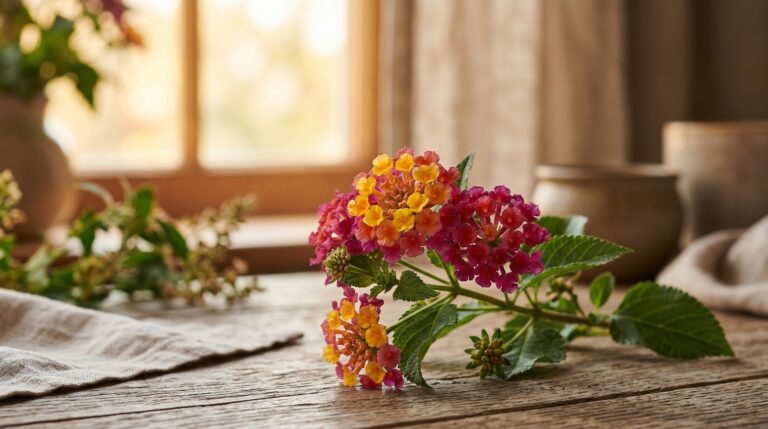
Why lantana flowers change color as they age and the science behind the show
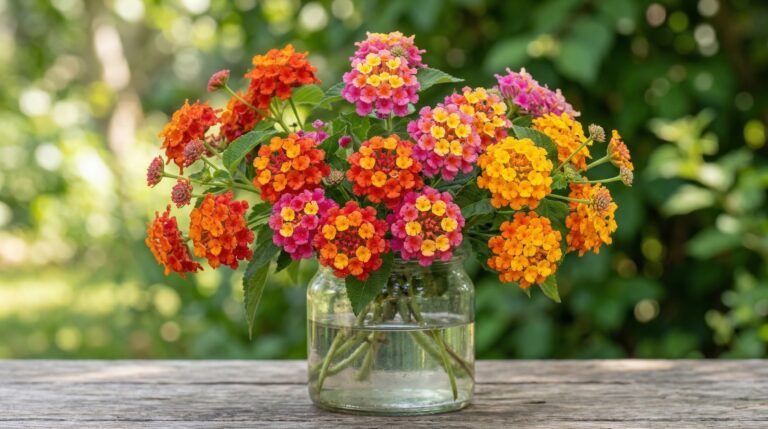
Best lantana varieties from multicolor Confetti to pure white Nivea
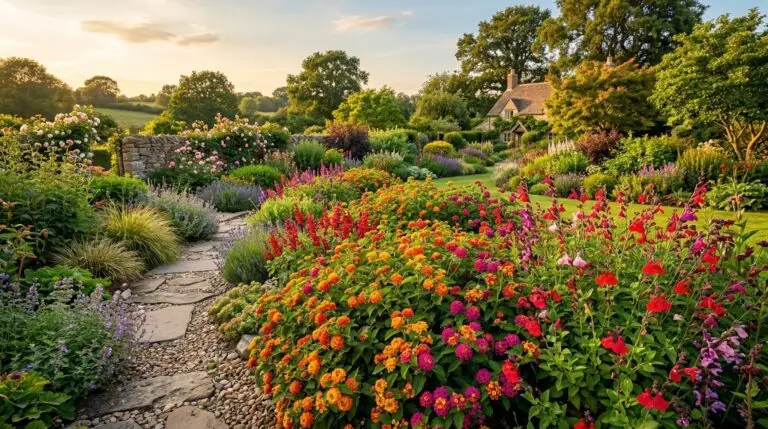
Companion plants for lantana that share its dry, sunny bed
Lantana flower meaning and the resilient beauty of this tough tropical bloomer
Lantana as a low-maintenance ground cover for slopes and hard-to-mow areas
Overwintering lantana plants indoors for saving your favorite varieties until spring
Is lantana invasive and how to grow it responsibly in warmer climates
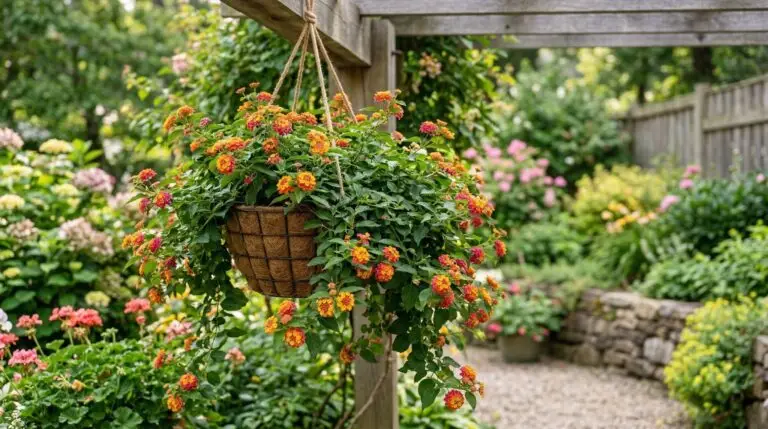
Growing lantana in containers and hanging baskets for summer patio color
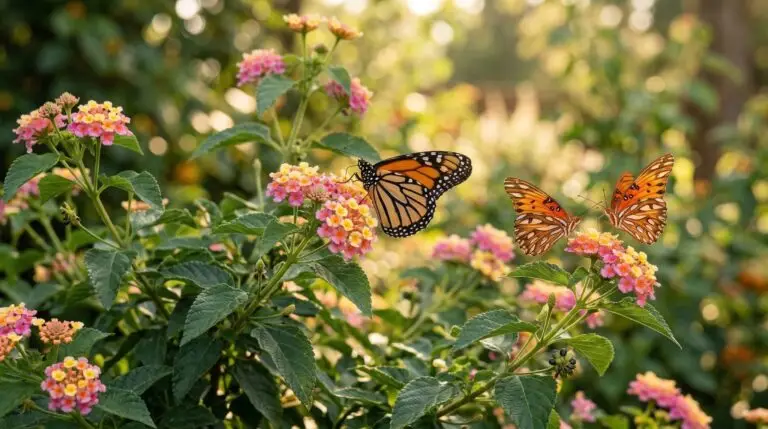
Lantana as a butterfly magnet and the pollinator garden star of summer heat
Enjoying our flower guides? Add YourFlowersGuide as a preferred source on Google. It helps more readers find us.
Add to Preferred Sources