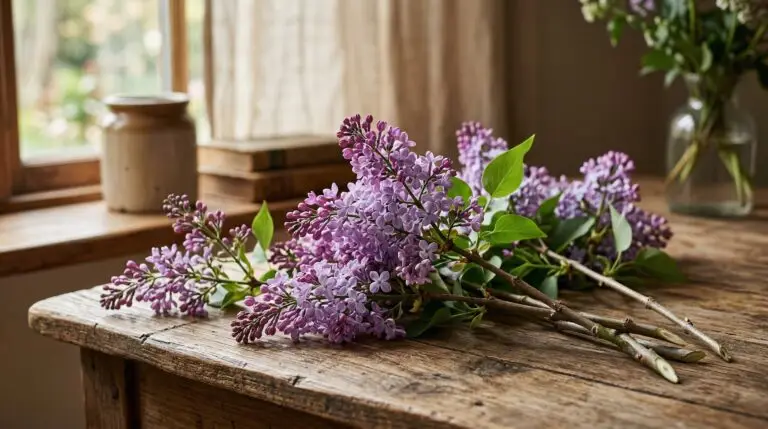
The story of the lilac season begins long before the first flower opens. In late February, the ground remains hard and cold, but the light slowly changes. This quiet period is when gardeners and travelers begin planning their visits to the great botanical collections. If you look closely at the bare branches of a mature shrub, you will see tight, dark green or purple nubs sitting opposite each other along the stems. These are the dormant buds, waiting for the soil to thaw. The scent of wet mud and melting snow fills the air, signaling that the earth is waking up. Mapping out a trip to a lilac festival requires watching these early signs of spring to time the visit perfectly.
The Arnold Arboretum in Boston is a perfect place to observe this early awakening. Visiting the collection before the leaves emerge allows you to see the true architecture of these old, woody shrubs. The curators spend the winter months carefully pruning the branches to maintain an open shape that lets air and light reach the center. Hundreds of varieties grow on the drumlin hillside, each holding the promise of the coming season. As the red-winged blackbirds return to the nearby marshes, the buds on the early blooming species begin to swell noticeably. You can walk among the bare stems and read the metal tags, noting which rare cultivars you want to return to see in full color.
As the days lengthen through March, the transition accelerates. The tight buds split open just enough to reveal a sliver of soft green tissue. The anticipation builds steadily as the weather warms and the spring rains begin to fall. Gardeners know this waiting period well, watching the sky and the soil temperature to guess exactly when the first true leaves will unfold.
Early spring warmth and the first color
April brings erratic weather, alternating between warm afternoons and sudden frosts. The lilacs respond to the warming soil, pushing out their heart-shaped leaves and exposing the tiny, clustered flower buds. Early blooming species like the broadleaf lilac open first, offering a preview of the main event. This early awakening is the perfect time to visit Lilacia Park in Lombard, Illinois. The historic garden holds hundreds of bushes that begin to show color just as the spring peepers start singing in the damp evenings. While the red shoots of peonies are just breaking through the garden soil, the early lilacs are already unfurling their fragrant panicles. The cool spring wind carries the scent across the paths, drawing the first crowds of the year.
The shift from the early species to the mid-season hybrids happens in a matter of days if the sun stays out. Robins build their mud nests in the sturdy forks of the branches, hidden by the newly expanded foliage. The green leaves create a dense backdrop that makes the developing flower clusters stand out sharply. The entire garden feels poised on the edge of a massive transformation.
The peak bloom of late spring
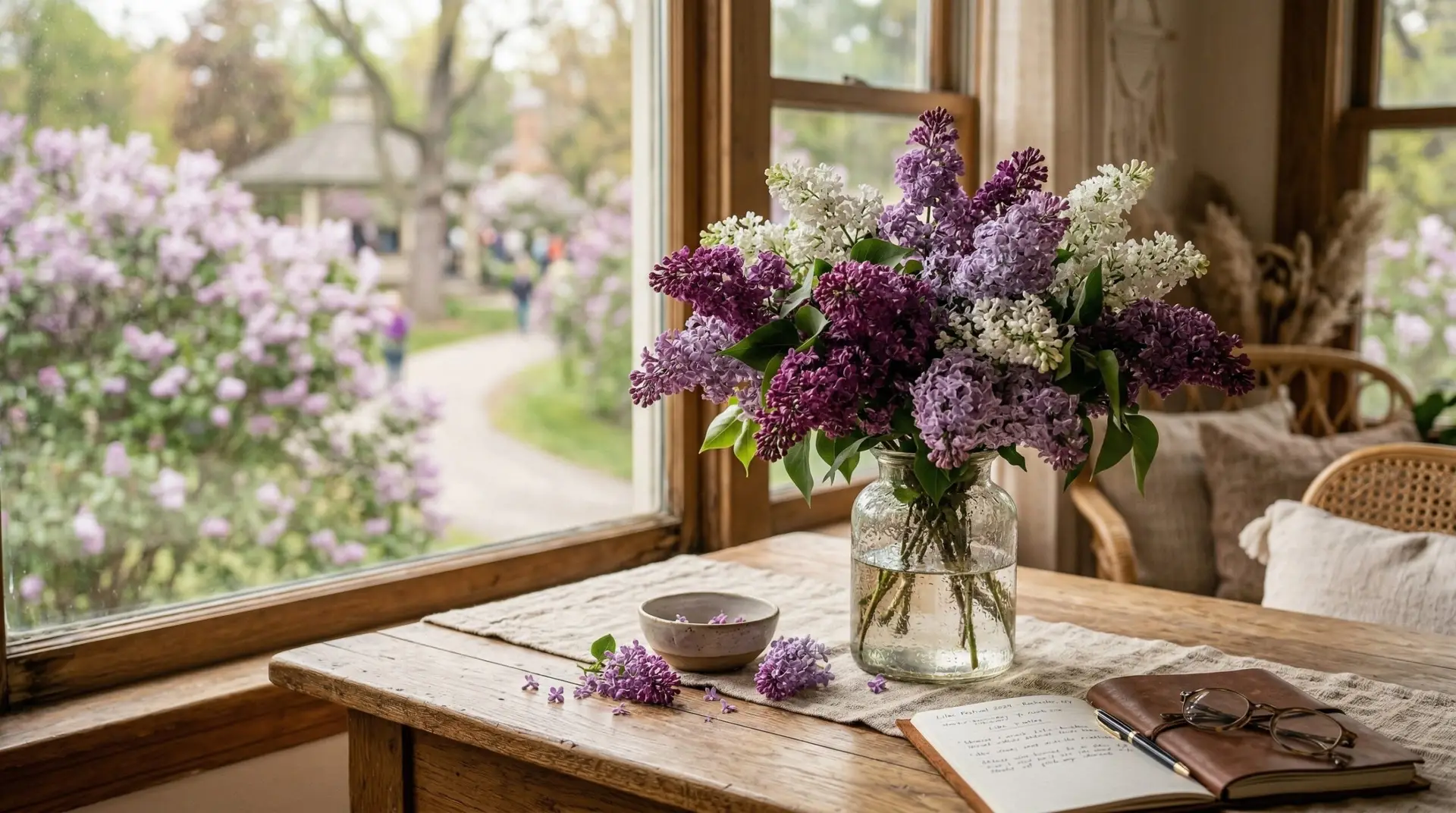
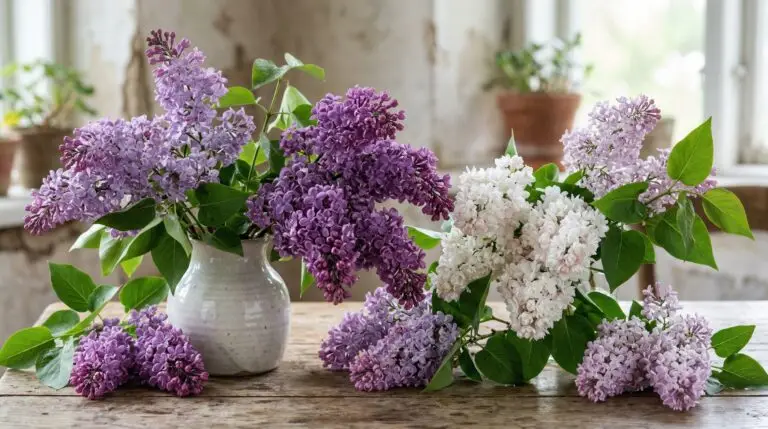
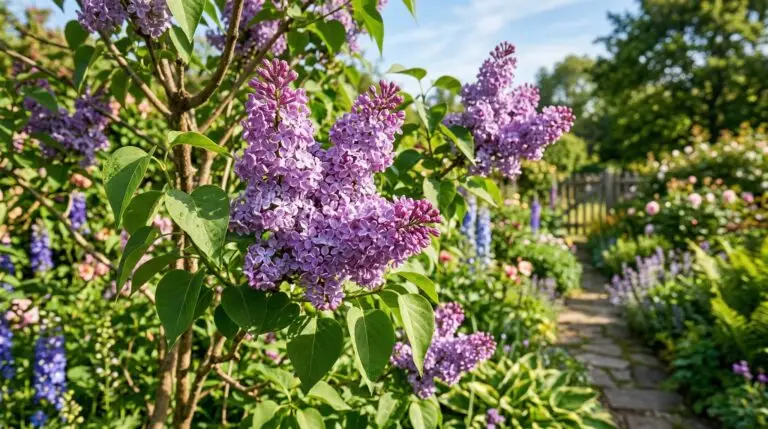
May arrives and brings the heavy, sweet perfume that defines the season. The common lilacs and the French hybrids reach their peak, opening thousands of individual florets. This is the traditional window for the Rochester lilac festival in upstate New York. Highland Park transforms into a sea of purple, white, magenta, and pale blue. Walking among the massive, decades-old shrubs is a deeply sensory experience. The air is thick with humidity and fragrance, and the sound of frantic bees fills the spaces between the branches. You can wander the paved paths for hours, entirely surrounded by flowers that tower above your head.
Attending a festival at peak bloom offers the best opportunity to observe the subtle differences between cultivars. You can see how the double-flowered varieties hold heavy rain droplets after a spring shower. You might notice that the white blooms often carry a sharper, cleaner scent compared to the deep purple types. Gardeners carry notebooks to write down the names of specific plants they want to add to their own yards. The atmosphere in the park is communal, with thousands of people gathering to share a fleeting natural event. The blossoms only last for two or three weeks, making the timing of the trip a crucial part of the experience.
Eventually, the individual florets begin to turn brown at the edges. A strong late spring storm will knock the heavy panicles around, dropping the faded petals like snow onto the grass below. The main season passes quickly in the warmer zones. The focus of the flower enthusiast must then shift northward to catch the final act of the year.
Early summer winds and the final blooms
June brings true summer heat to most of the country, pushing the garden into a new phase. In northern reaches like Mackinac Island in Michigan, the lilac season peaks weeks later than it does in the lower Midwest. The deep, cold waters of Lake Huron delay the spring warming, holding the buds in suspension. The island celebrates its own lilac festival with massive, tree-sized specimens that were planted over a century ago. By the time the first rose buds open in southern gardens, the northern lilacs are finally taking their turn in the sun. The familiar sweet scent mixes with the smell of the lake water and the horse-drawn carriages that travel the car-free roads.
As the last blossoms fade on the island, the active gardening work begins for the year. Deadheading the spent blooms directs the plant’s energy away from seed production and back into the root system. You use sharp bypass pruners to snap off the brown clusters just above the new green shoots. The shrubs settle into a deep, uniform green for the long summer months. The visual spectacle is over, but the biological work of the plant is operating at maximum capacity. The leaves work tirelessly in the long daylight hours, absorbing the sun.
Deep summer growth and winter rest
Through July and August, the lilac is a quiet presence in the garden. The leaves build the energy reserves necessary to survive the coming winter. Deep within the branches, the plant is already forming the tiny buds for next year’s flowers. They sit tightly packed against the stems, completely hidden by the dense summer foliage. Watering the base of the plant during dry spells keeps the roots cool and helps prevent powdery mildew from forming on the leaves. The garden is loud with the hum of cicadas, and the lilac stands as a solid, green anchor among the fading summer perennials.
Autumn brings a pale yellowing to the heart-shaped leaves. The first hard frost finally strips the branches bare, dropping the foliage to the ground to compost into the soil. The architecture of the shrub is revealed once more, looking exactly as it did during the late winter planning months. The green and purple buds are clearly visible now, hardened by the cold and sealed against the coming snow. The roots below are already storing energy for the next spring awakening. The cycle completes itself in the freezing temperatures, waiting only for the earth to tilt back toward the sun.
More About Lilacs
Lilac flower meaning and the nostalgic scent that connects us to spring memories
Dwarf and compact lilacs for small gardens that deliver big fragrance in limited space
Best lilac varieties from classic purple to reblooming Bloomerang and dwarf types
How to grow lilacs for the most beloved fragrance in the spring garden