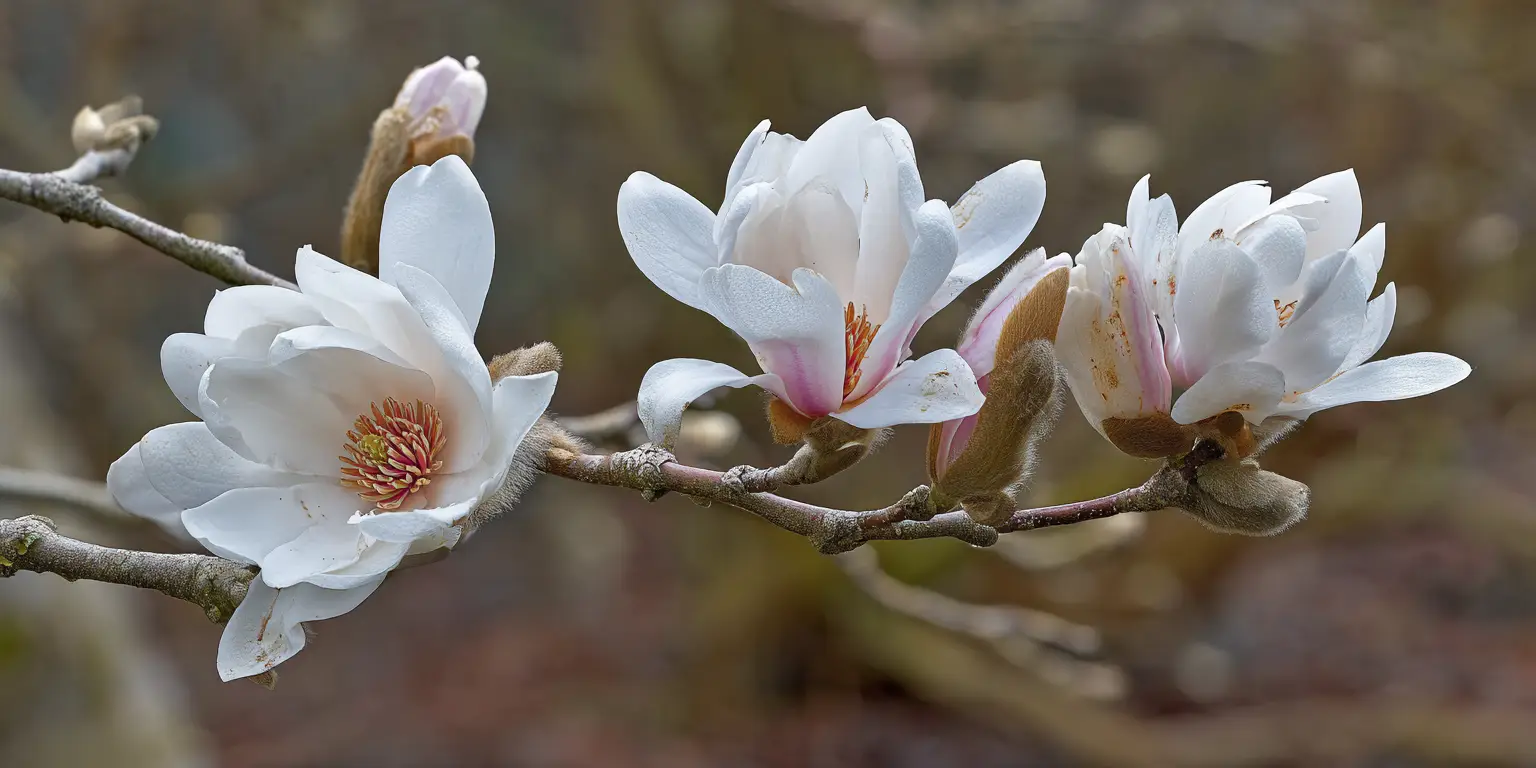
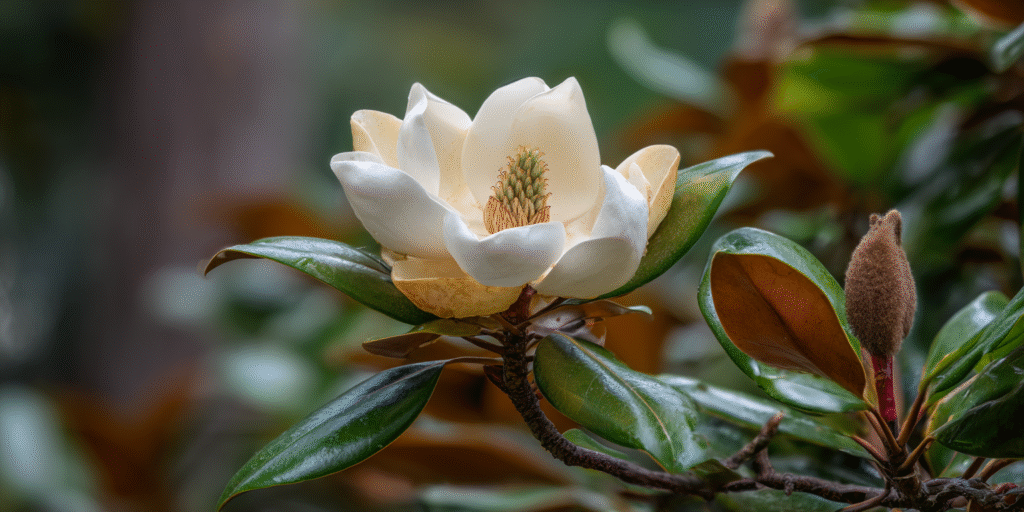
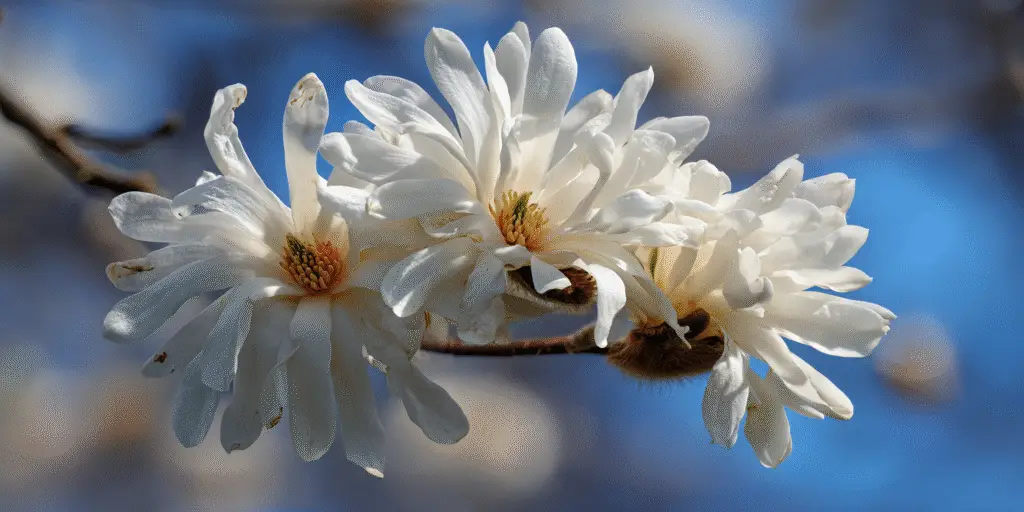
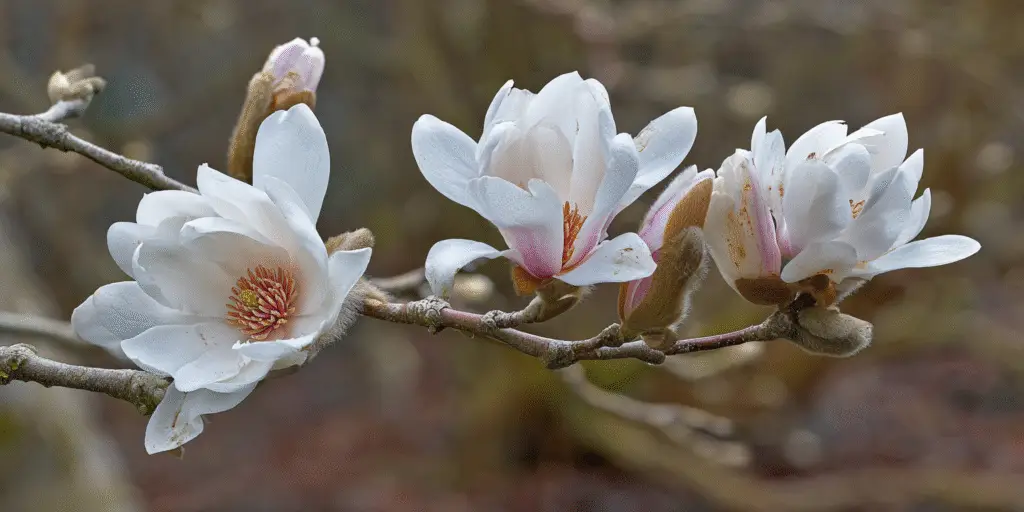
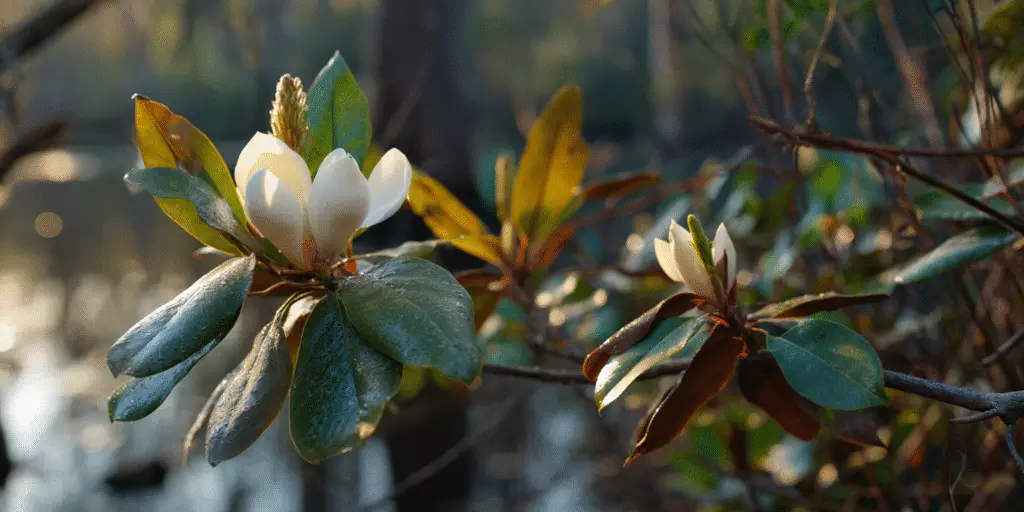
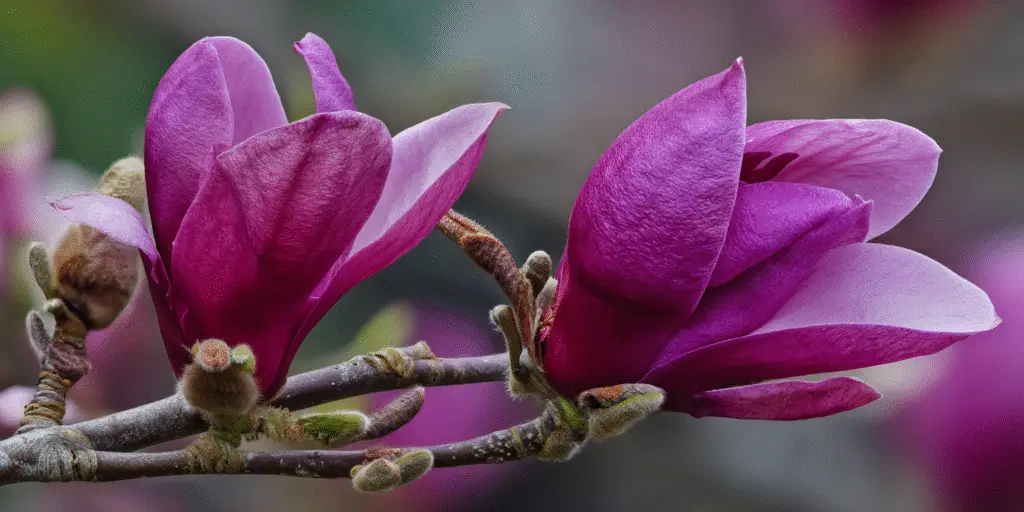
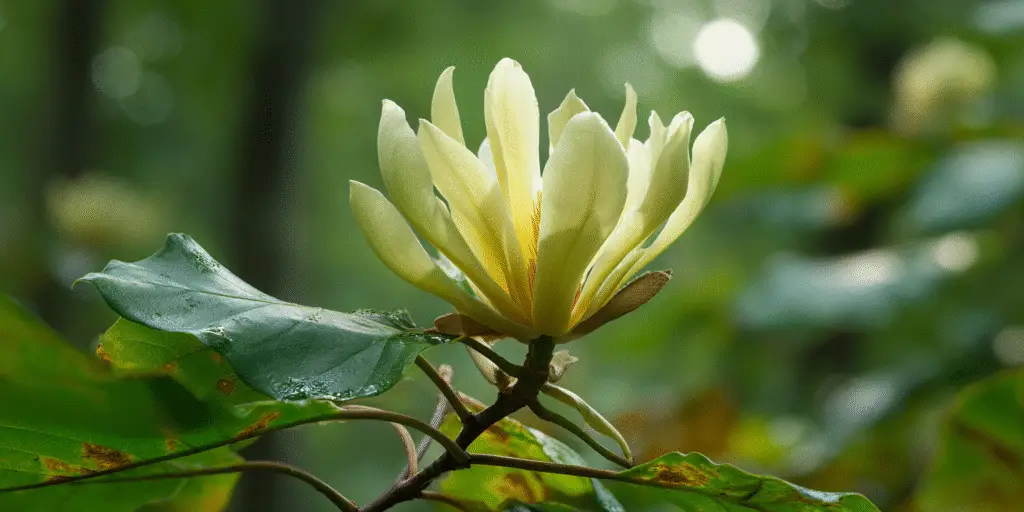
A small to medium deciduous tree native to Japan and Korea, noted for early spring white blossoms. It starts pyramidal, broadening with age into a dense rounded crown. Flowers open on bare wood in March to April with a light scent. Growth is slow and young trees may flower sparsely for many years. Best performance comes in full sun with moist, well‑drained, slightly acidic soil. Choose sites protected from late freezes in colder parts of the region.
At‑a‑glance
Group/Class: Species (deciduous)
Height × spread: 25 to 30 ft × 25 to 35 ft (7.6 to 9.1 m × 7.6 to 10.7 m)
Bloom window: March to April
Color & flower form: White, often pink‑tinged; goblet to cup‑shaped
Fragrance: 1 trace
USDA hardiness: Zones 5 to 8
Breeder / Year / Origin: unknown
Pet safety: safe
How it differs
Larger, more tree‑like than Magnolia stellata, though closely related.
Among the earliest spring bloomers within the genus.
Slow to reach peak flowering; maturity needed for best displays.
Dense, rounded crown suitable for lawn or edge plantings.
Strengths
Hardy and reliable once established.
Showy early bloom before leaves.
Attractive cone‑like fruits with red seeds for seasonal interest.
Care in one minute
Full sun to part shade; best bloom in full sun.
Moist, organically rich, well‑drained soil; avoid extremes of wet or dry.
Mulch to keep roots cool and evenly moist.
Prune minimally right after flowering; avoid heavy cuts.
Shelter from strong winds and late freezes where possible.
Watch‑outs
Frost may damage early flowers.
Intolerant of most urban pollutants.
Flowers poorly when young; full effect may take decades.
Best uses (tags)
specimen, lawn tree, woodland edge, early season
Provenance note
Native to Japan and parts of Korea; widely cultivated and sometimes considered the larger counterpart to star magnolia.
Written by: Your Flowers Guide editorial team We are a small independent group of flower lovers who research and review each guide using trusted horticultural and educational sources. Learn more about us