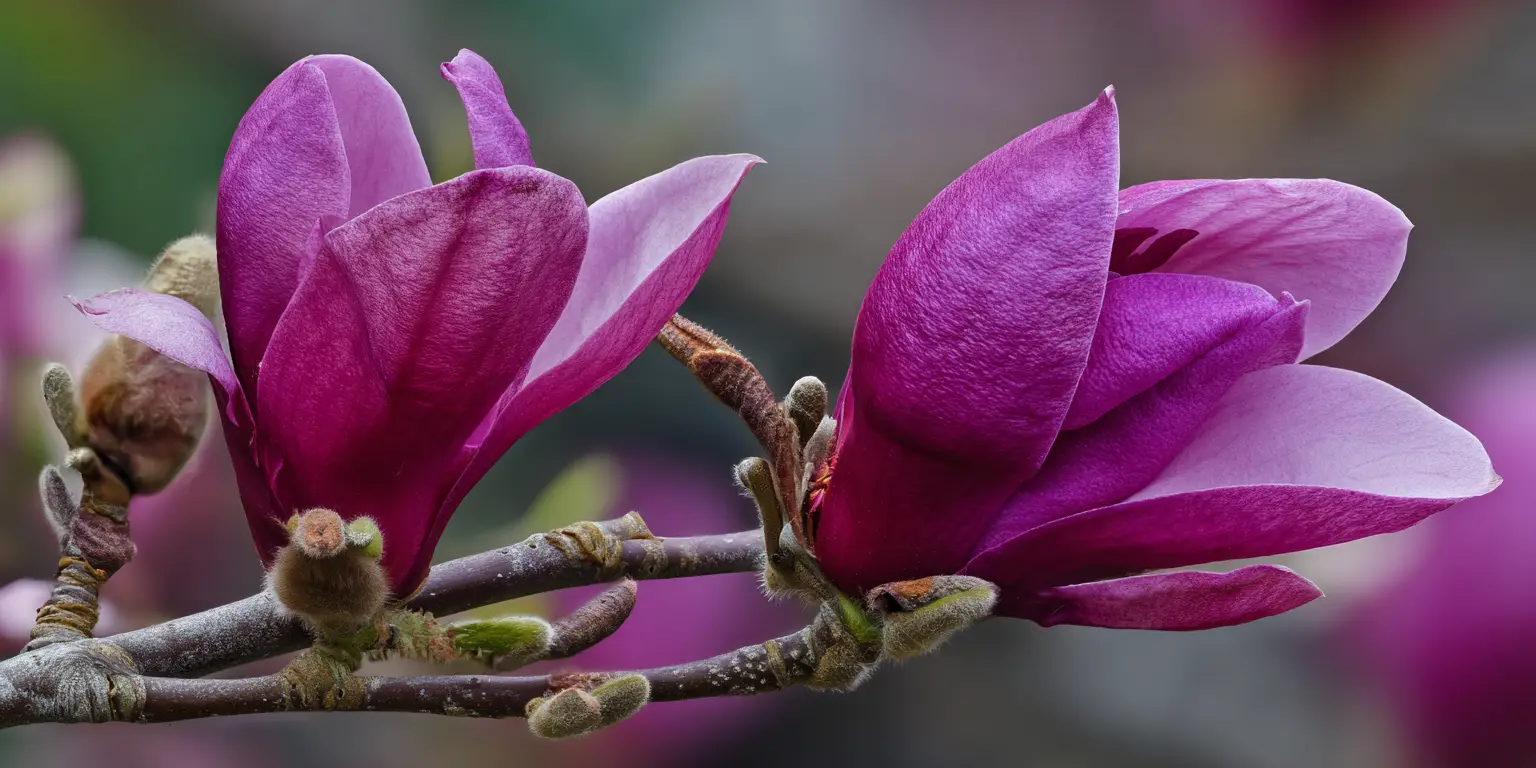
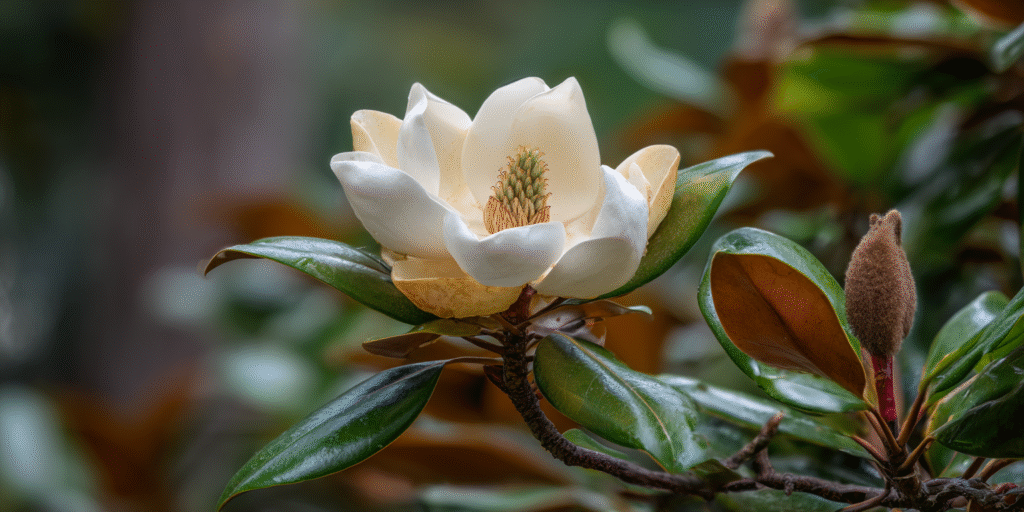
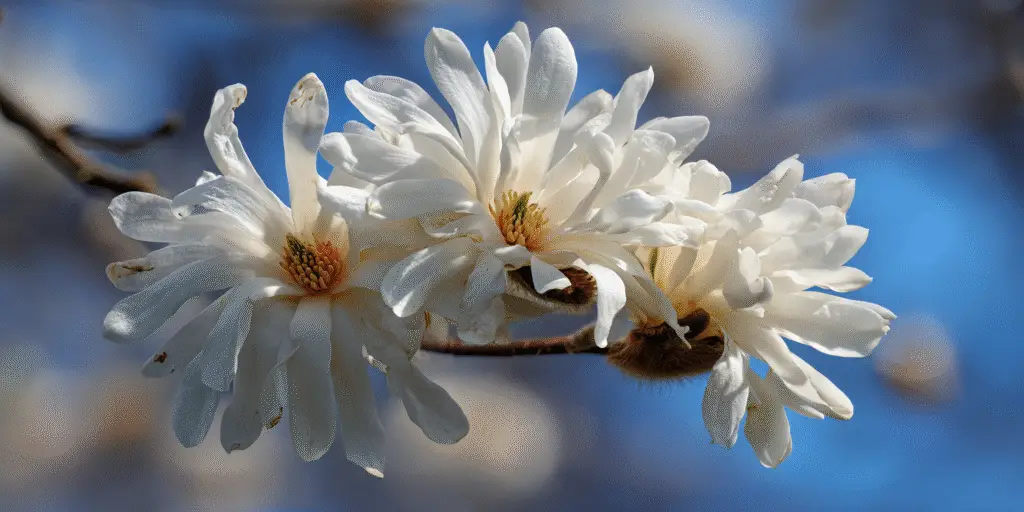
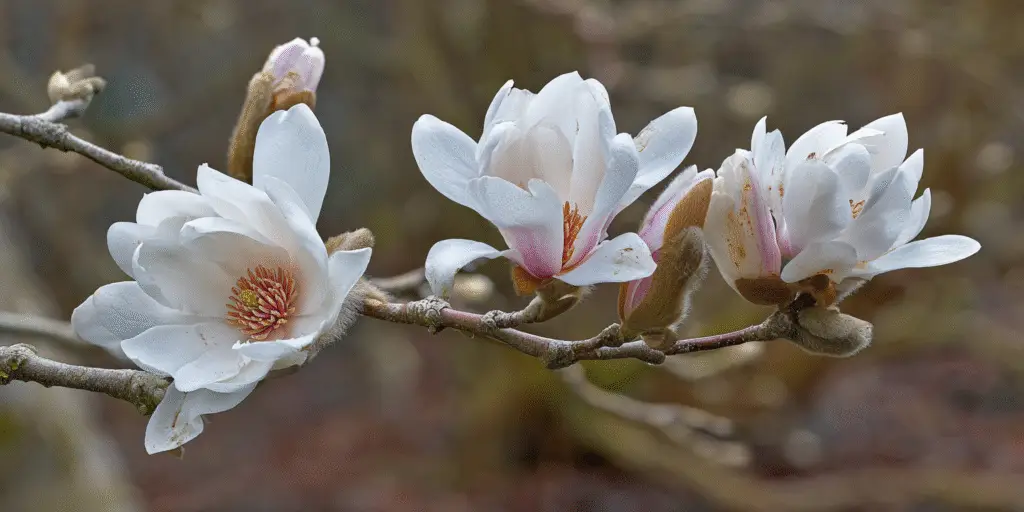
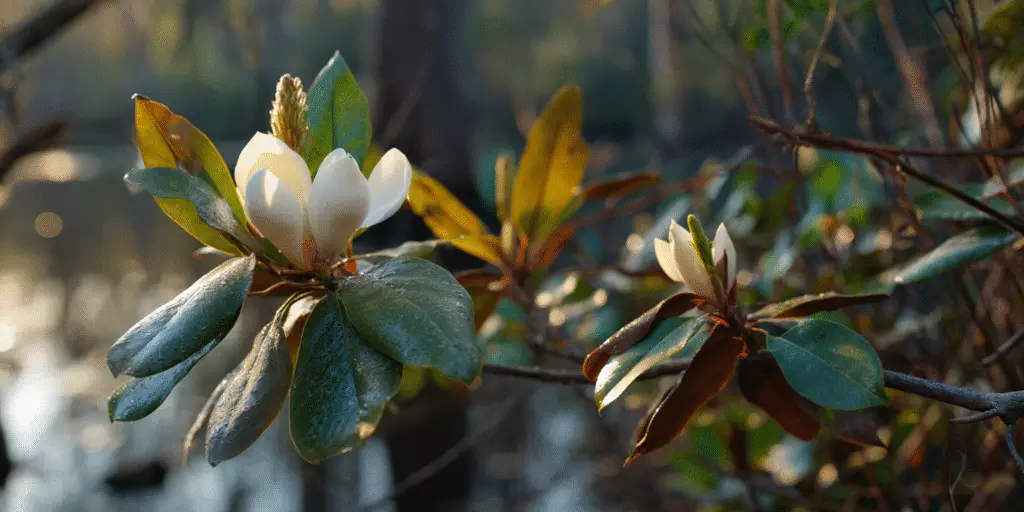
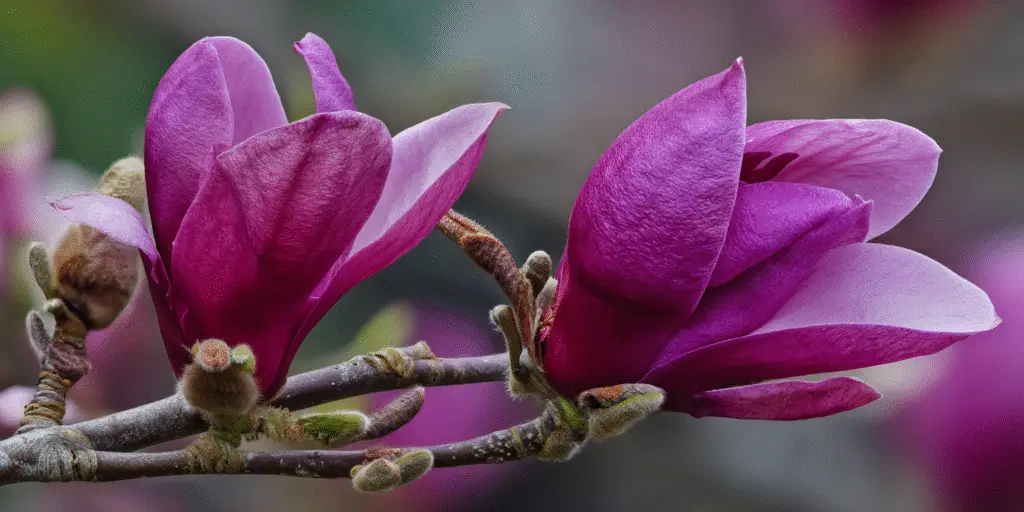
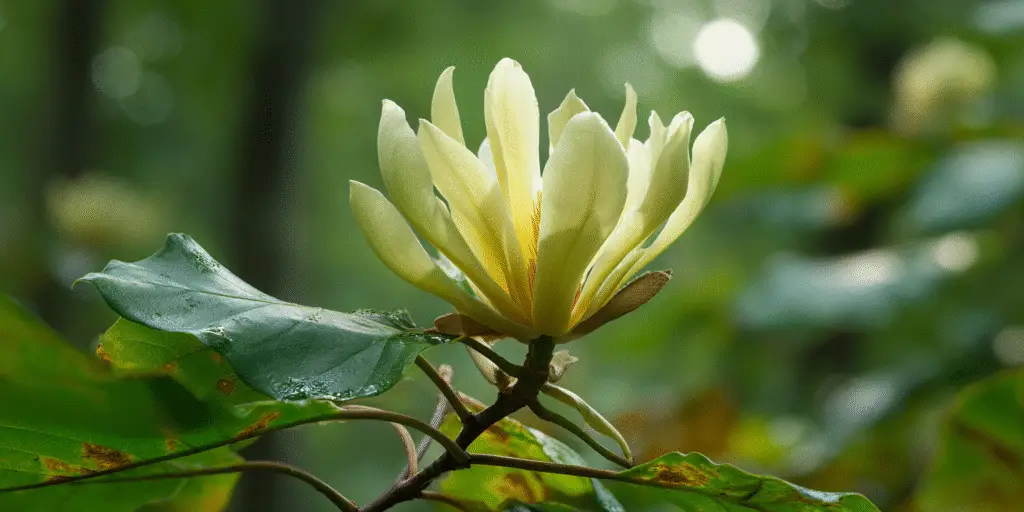
A compact, deciduous magnolia from China with goblet‑shaped purple‑pink flowers. Plants are usually multi‑stemmed and rounded, fitting small gardens and foundation beds. Bloom begins in April to May and may repeat lightly in mid‑summer. Sites with full sun to light shade and evenly moist, fertile, slightly acidic soil give best results. Shelter from strong winds and avoid heat traps that push buds too early in spring.
At‑a‑glance
Group/Class: Species (deciduous)
Height × spread: 8 to 12 ft × 8 to 12 ft (2.4 to 3.7 m × 2.4 to 3.7 m)
Bloom window: April to May; occasional summer rebloom
Color & flower form: Purple‑pink outside, paler inside; goblet‑shaped
Fragrance: 1 trace
USDA hardiness: Zones 5 to 8
Breeder / Year / Origin: unknown
Pet safety: safe
How it differs
Shrub‑like habit smaller than most magnolias.
Later bloom than star magnolia in many climates.
Deep purple to reddish‑purple flower color uncommon in the genus.
Can flower again lightly in summer.
Strengths
Compact footprint for small sites.
Showy spring display with distinctive goblet flowers.
Often less prone to frost loss than the earliest bloomers.
Care in one minute
Full sun to light shade; best bloom with more sun.
Written by: Your Flowers Guide editorial team We are a small independent group of flower lovers who research and review each guide using trusted horticultural and educational sources. Learn more about us