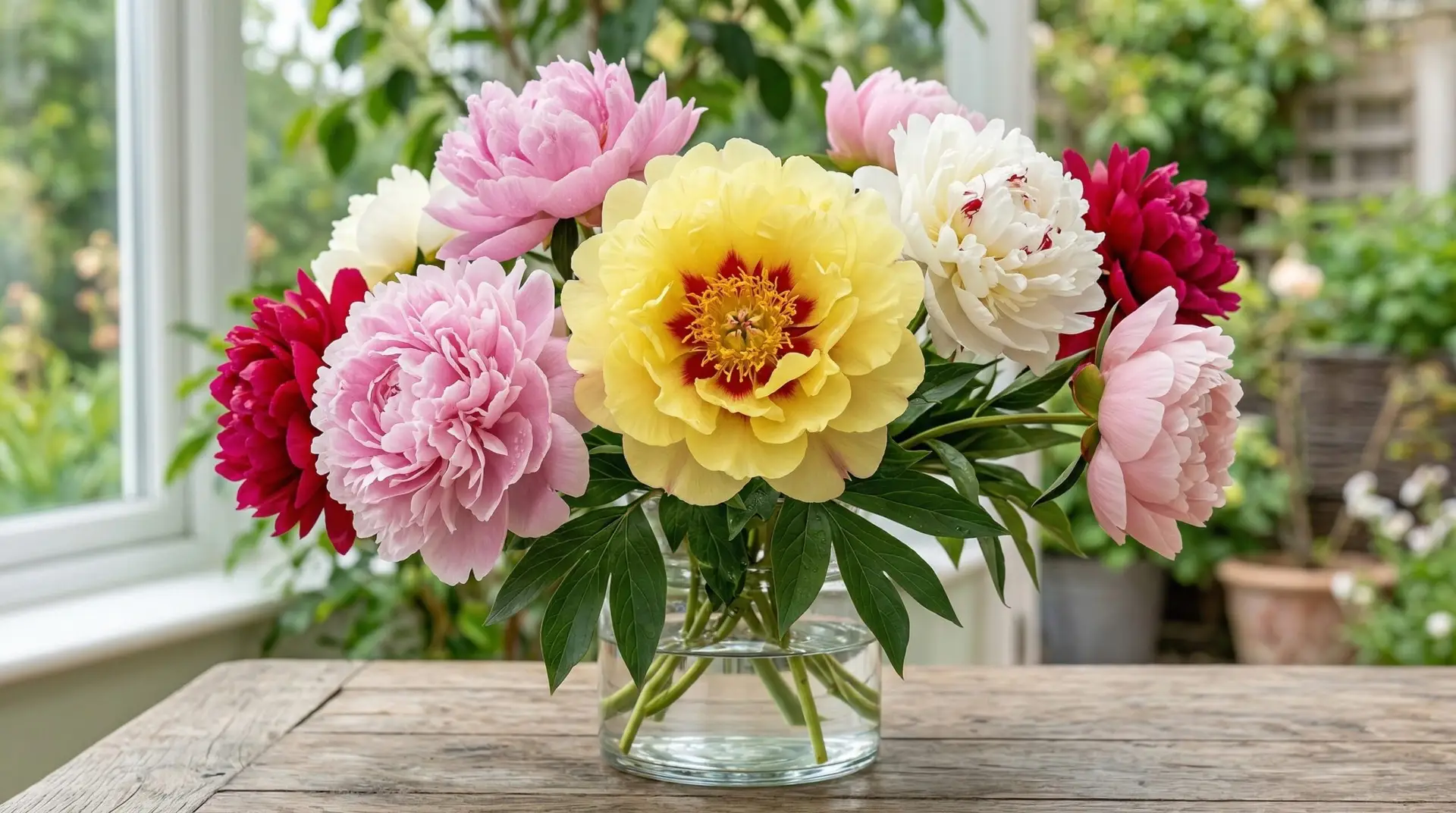
For decades, plant geneticists considered the hybridization of herbaceous peonies and tree peonies to be biologically impossible. The two plant groups diverged millions of years ago, evolving distinct physical structures, reproductive timings, and chromosomal behaviors that created a formidable reproductive barrier. Herbaceous peonies, primarily derived from Paeonia lactiflora, die back completely to their fleshy roots each winter and produce massive, heavy blooms on soft, water-filled stems. Tree peonies, belonging to the Paeonia suffruticosa complex, build permanent woody frameworks over years and carry genetic traits for large, early-opening flowers in shades of true yellow and deep mahogany. When Japanese nurseryman Toichi Itoh successfully crossed these two distinct lineages in 1948, he achieved a wide cross that forever altered the trajectory of horticultural science. The resulting offspring, known formally as an intersectional peony or commonly as an Itoh peony, inherited the precise combination of traits breeders had sought for a century. The genetic lottery yielded plants that die back to the ground each winter like their herbaceous mothers but produce the enormous, uniquely colored flowers and rigid stems of their woody fathers.
Contents 3 sections
Overcoming a genetic barrier in plant breeding
Understanding the physical architecture of an Itoh peony requires looking at how plants produce and distribute lignin, the complex organic polymer that makes cell walls rigid. Traditional herbaceous peonies lack significant lignin in their upper stems, which is why their massive double flowers often end up face-down in the mud after a spring rain. The intersectional peony inherits a modified lignin production pathway from its tree peony parent, allowing it to build incredibly sturdy, self-supporting stems throughout the rapid spring growth phase. These stems are technically herbaceous because they do not persist through the winter, yet they possess a tough, almost woody exterior during the growing season. This structural adaptation means the plant can hold enormous blooms upright without the artificial support systems required by older garden varieties. When you observe the foliage, you can see the deep genetic influence of the tree peony in the deeply dissected, blue-green leaves that remain highly resistant to the fungal diseases that typically plague herbaceous types by late summer. The plant effectively builds a temporary woody shrub each spring, flowers prolifically, and then safely retreats underground before winter freezes can damage its cellular structure.
Pigments and the extended flowering cycle
The most obvious visual triumph of the intersectional peony is its color palette, which introduced true, stable yellows into a plant family previously limited to pinks, reds, and whites. Herbaceous peonies completely lack the genetic instructions to produce carotenoids and chalcones, the specific chemical compounds responsible for yellow petal pigmentation. By successfully introducing tree peony DNA, breeders unlocked these pigment pathways, resulting in famous cultivars like the Bartzella peony and Garden Treasure. These varieties produce massive, sulfur-yellow blooms with contrasting red flares at the base of the petals, a direct inheritance from the reproductive signaling patterns of their woody ancestors. Other cultivars demonstrate complex pigment mixing, such as Cora Louise, which displays a striking contrast of pure white petals surrounding a deep purple-red center. The variety Julia Rose presents a fascinating chemical degradation process where the petals open cherry red, fade to orange, and finally settle into a soft yellow as the anthocyanin pigments break down in the sunlight. This shifting color display is somewhat reminiscent of the complex pigment behaviors seen in a rose, where environmental factors and petal age alter the chemical composition of the flower. Beyond their coloration, Itoh peonies possess a unique blooming mechanism where primary, secondary, and tertiary buds open sequentially down the stem, extending the flowering period for up to four weeks rather than the brief ten-day window of traditional types.
Root architecture and nutrient storage
Beneath the soil surface, the biology of an intersectional peony is entirely distinct from both of its parent species. Herbaceous peonies grow from thick, fleshy tuberous roots that store water and carbohydrates, while tree peonies develop deep, woody taproots designed for long-term structural anchoring. The root system of an Itoh peony is a fascinating morphological compromise, forming a sprawling, highly lignified crown that resembles a piece of dense hardwood more than a typical plant bulb. This tough, woody crown grows horizontally just beneath the soil surface, developing large, red, cold-hardy buds (often called eyes) that wait out the winter dormancy period. Because the root system is so dense and woody, these plants are remarkably drought-tolerant once established, utilizing their extensive underground network to scavenge for water and nutrients. Understanding this shallow, horizontal root architecture explains why these plants require wide planting holes rather than deep ones, and why they struggle if buried under too much compacted clay. Their underground structure is quite similar to the horizontal tuber development seen in a dahlia, though the peony crown is permanent and capable of surviving extreme sub-zero temperatures without being lifted from the garden. This robust subterranean biology ensures that even if the entire top of the plant is destroyed by a late freeze, the protected woody crown has enough stored energy to regenerate completely.
Every intersectional peony growing in a garden today is a biological marvel, a living clone propagated through division from those rare, successful hybrid seeds. Because the genetic mismatch between herbaceous and tree peonies results in sterile offspring, these plants do not produce viable seed of their own. Instead of expending resources on developing seed pods, the plant redirects all its cellular energy into vegetative growth, root expansion, and the production of massive secondary blooms. When you look at the sulfur-yellow petals of a Bartzella peony or the rigid, wind-resistant stems of a Garden Treasure, you are observing a precise genetic intersection that nature never intended to make. The plant is a permanent bridge between two divergent evolutionary paths, capturing the ephemeral resilience of a herbaceous perennial and the complex architecture of a woody shrub in a single, perfectly adapted organism.
More About Peonies
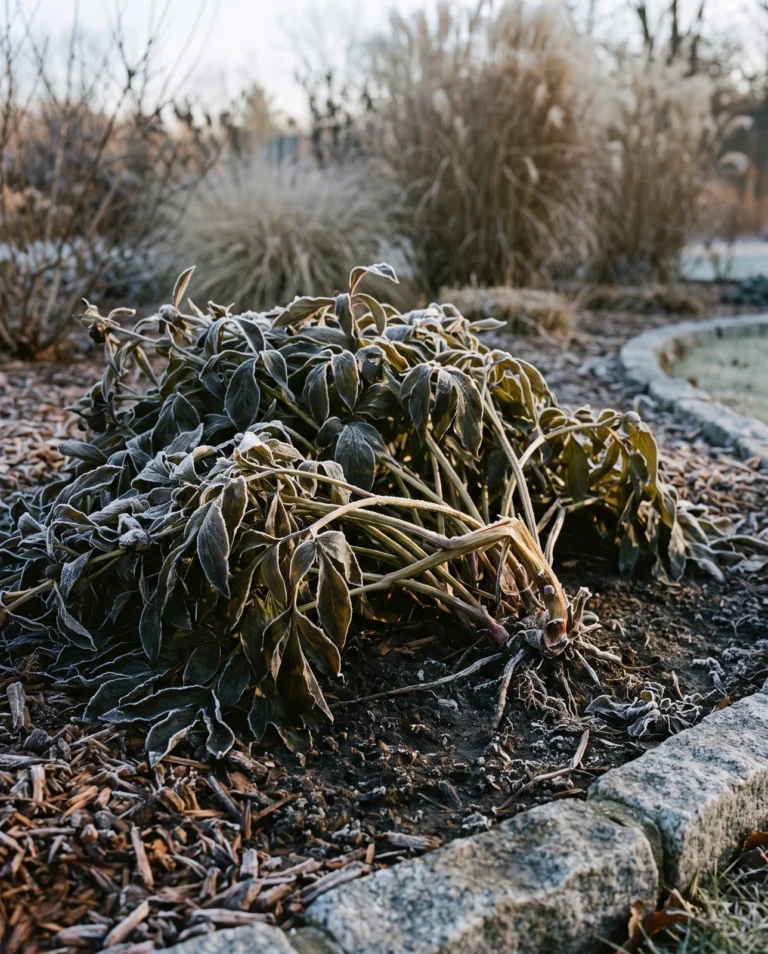
When to cut back peonies (and which ones to leave alone)
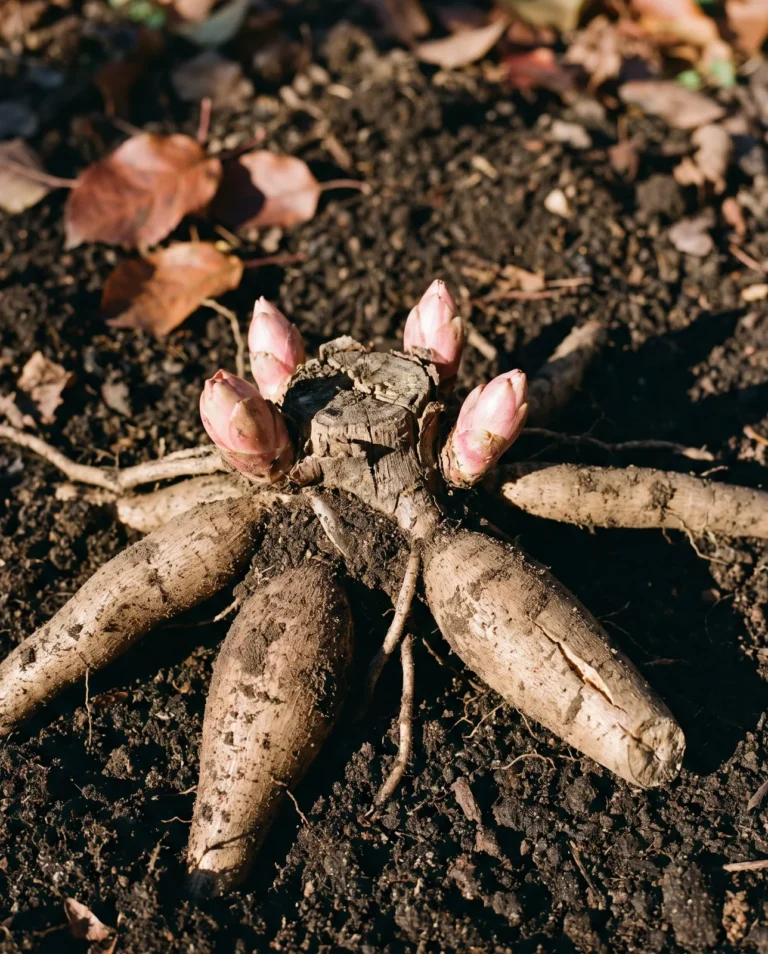
Planting peonies in fall: the depth that decides blooms
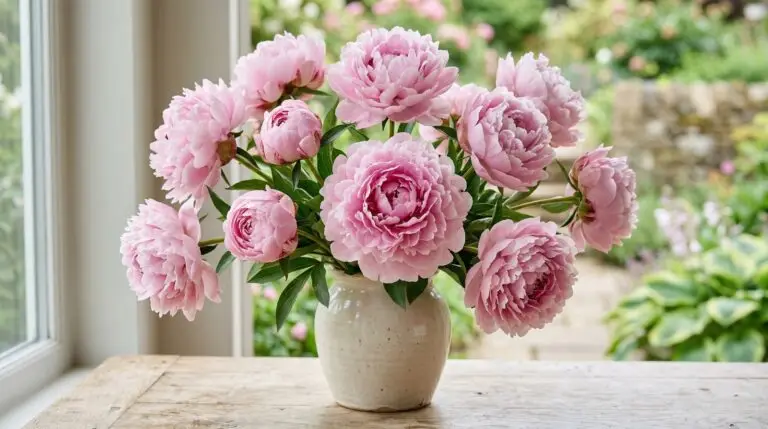
Best peony varieties from classic Sarah Bernhardt to trendy Coral Charm
Peony flower meaning and why this bloom represents romance prosperity and good fortune
Why peonies fail to bloom and the planting depth mistake that keeps them flowerless
Peonies as the most coveted wedding flower and why brides pay premium for peony season
Companion plants for peonies that extend the beauty season beyond peony’s brief moment
Why peonies need ants and the truth about the ant myth that refuses to die
Growing peonies in warm climates and the chill-hour challenge in zones 8 and above
How to grow peonies for lush romantic blooms that last a lifetime in your garden
Cutting peonies at the perfect marshmallow stage for the longest vase life
Enjoying our flower guides? Add YourFlowersGuide as a preferred source on Google. It helps more readers find us.
Add to Preferred Sources