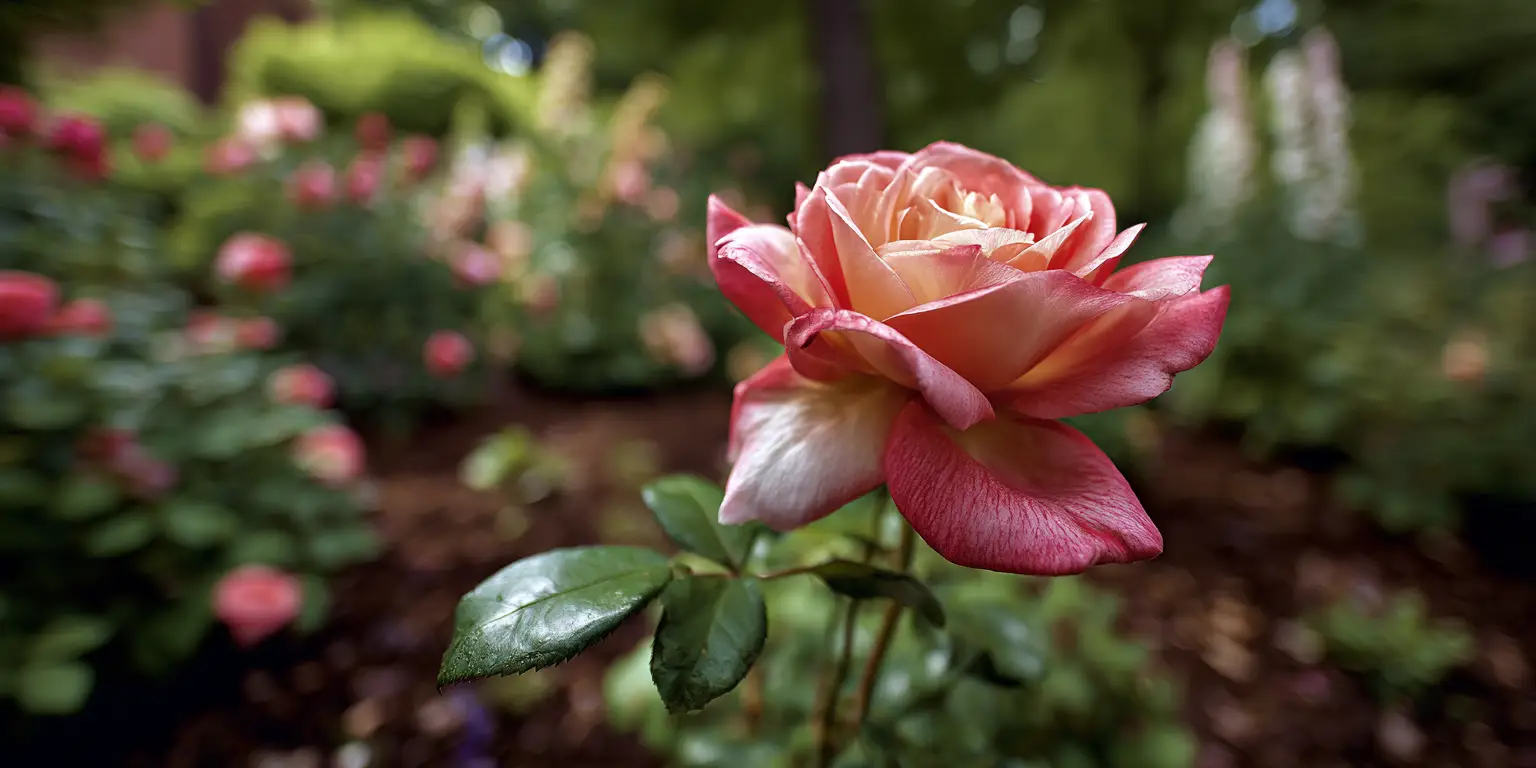
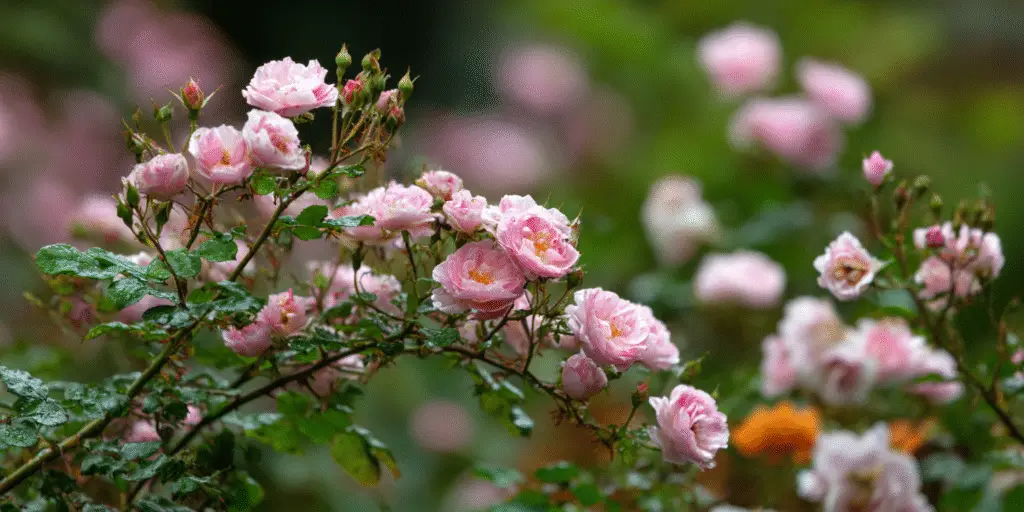
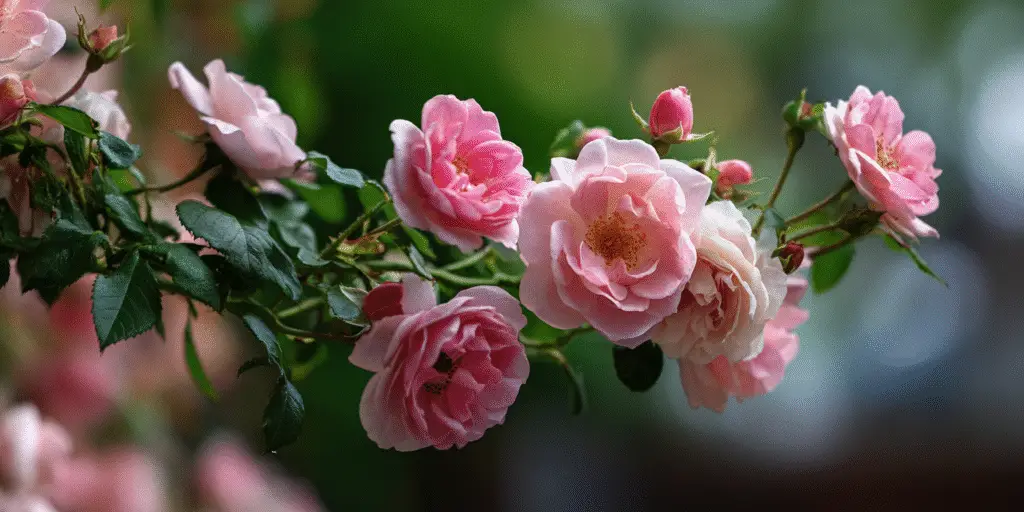
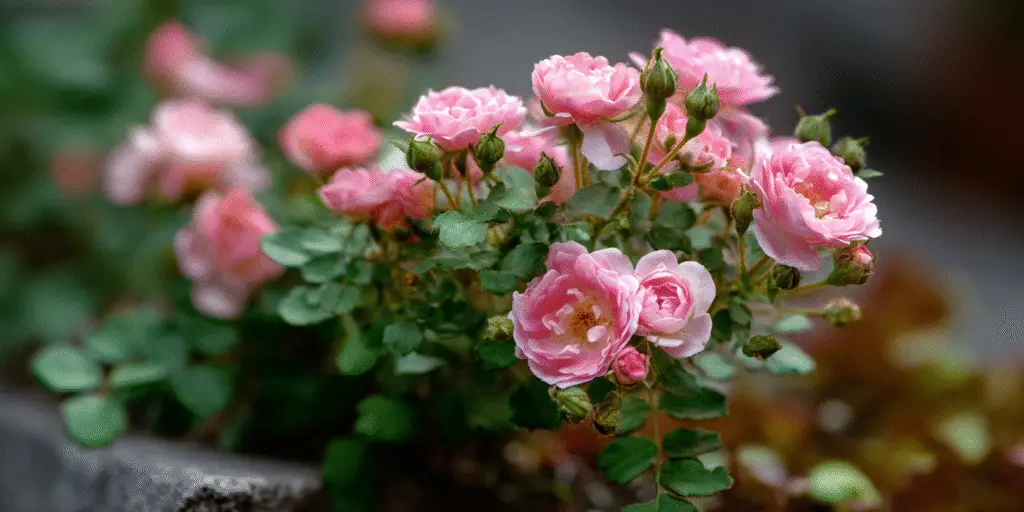
Hybrid tea roses are modern bush roses selected for one bloom per stem and long cutting length. They stand out for high centered buds and formal, double flowers. They perform best in full sun and well drained soil across North America. Most cultivars are hardy in USDA Zones 5 to 9 with protection at the cold edge. Plants flower in flushes from late spring to fall when deadheaded. They reward steady irrigation and feeding but need regular disease scouting. Use them where classic form and vase performance matter.
At‑a‑glance
Group/Class: Hybrid Tea
Height × spread: 4–6 ft × 2–3 ft (1.2–1.8 m × 0.6–0.9 m)
Bloom window: late spring to frost; repeats with deadheading
Color & flower form: wide palette; large, high centered, mostly double; borne singly
Fragrance: 2 noticeable
USDA hardiness: zones 5 to 9 (varies by cultivar)
Breeder / Year / Origin: ‘La France’ — J.-B. A. Guillot, 1867, France (first recognized hybrid tea)
Cut‑flower notes: firm stems; typical vase life up to 10 days with proper conditioning
Pet safety: safe
How it differs
Produces one premium bloom per stem rather than large clusters
More upright and narrow than many garden shrubs
Classic exhibition bud with pointed, high centered form
Longest, straightest cutting stems among garden roses
Strengths
Extended bloom season with deadheading
Wide color range and formal flower shape
Good stem length for arrangements
Many cultivars noted for fragrance
Care in one minute
Site: full sun 6 or more hours; shelter from strong winds
Soil and pH: loamy, well drained soil at pH 6.5 to 7.0; mulch 2 to 3 inches
Water: deep soak to supply about 1 inch per week; water at soil line in the morning
Feeding: apply a balanced rose fertilizer in spring and again in midsummer
Pruning: late winter structural prune; deadhead after flushes; bury graft union 2 to 4 in in cold regions
Overwintering: mound mulch over crown and protect canes where winters are severe
Watch‑outs
Prone to black spot and powdery mildew in humid summers
Needs regular feeding and timely pruning to perform well
Can suffer winter dieback in exposed, cold sites
Best uses (tags)
cutting, specimen, borders, containers
Provenance note
The modern hybrid tea class traces to ‘La France’, introduced by Jean‑Baptiste André Guillot in 1867 in France. That introduction is widely marked as the start of modern roses.
Written by: Your Flowers Guide editorial team We are a small independent group of flower lovers who research and review each guide using trusted horticultural and educational sources. Learn more about us