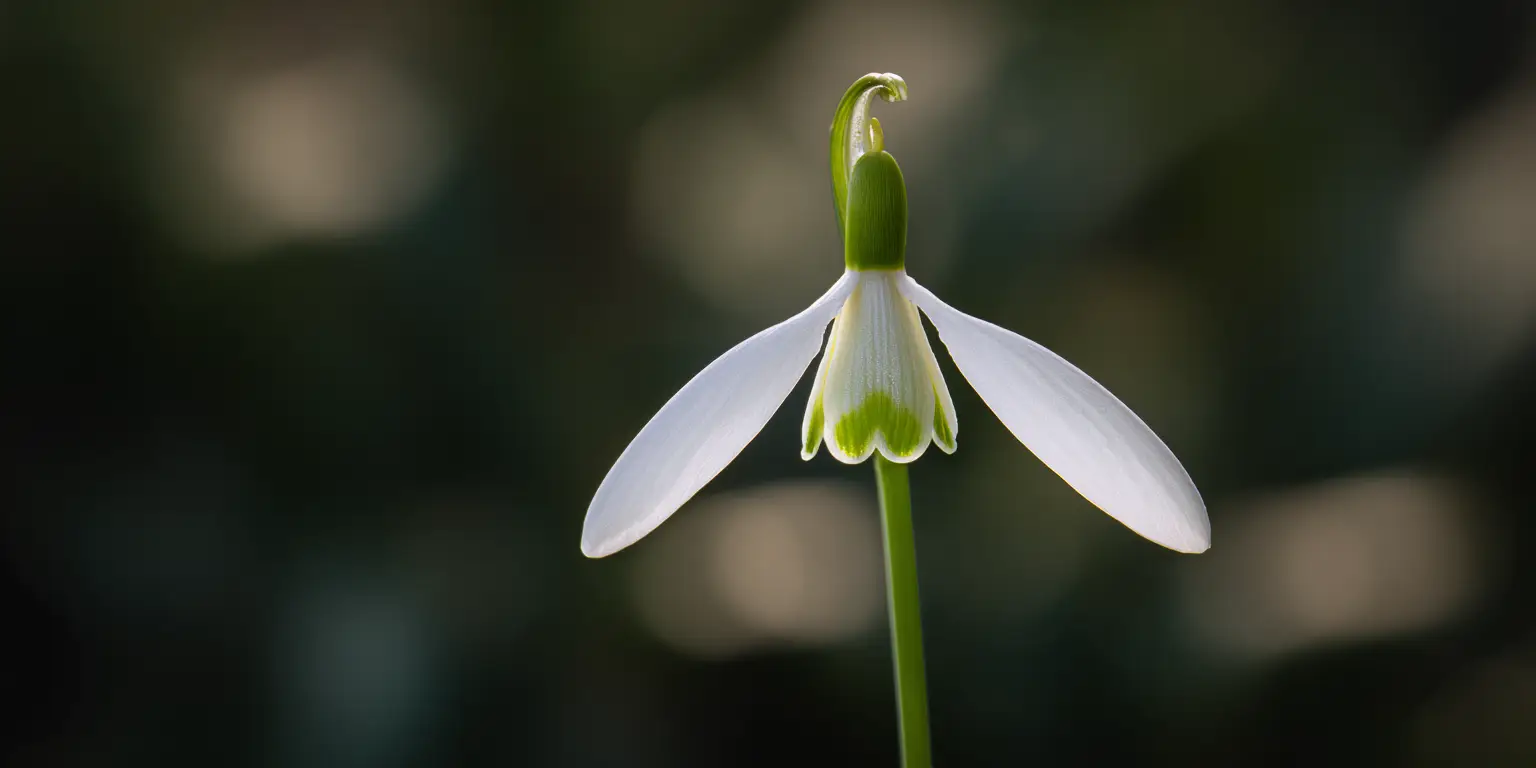
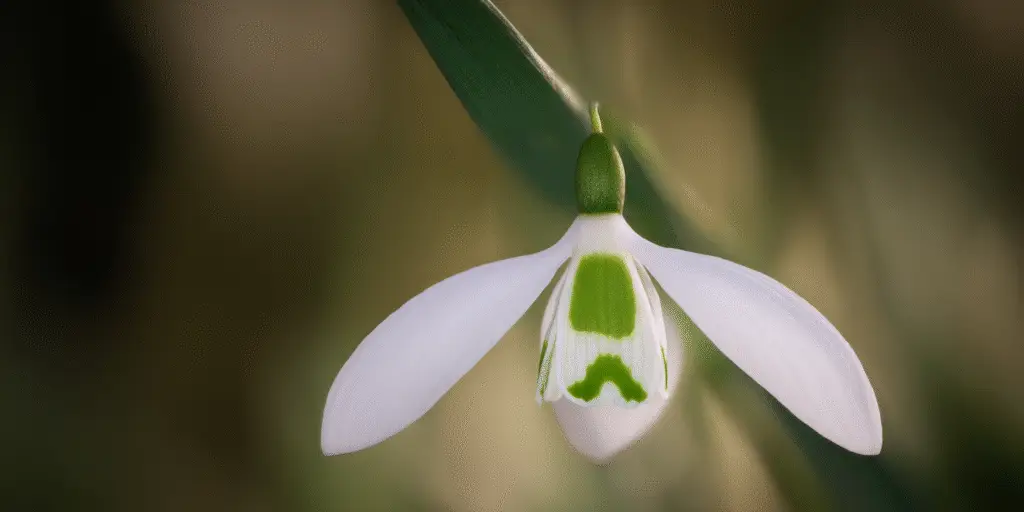
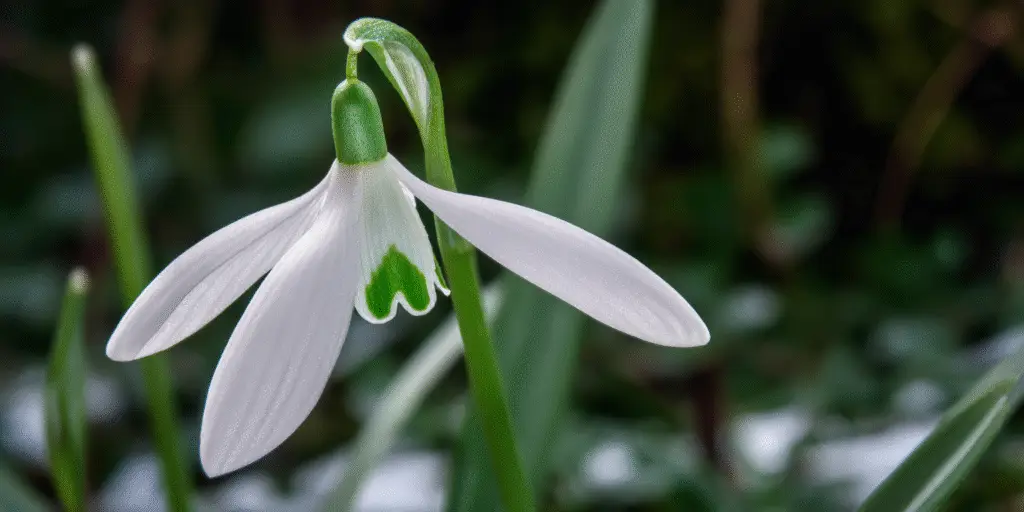
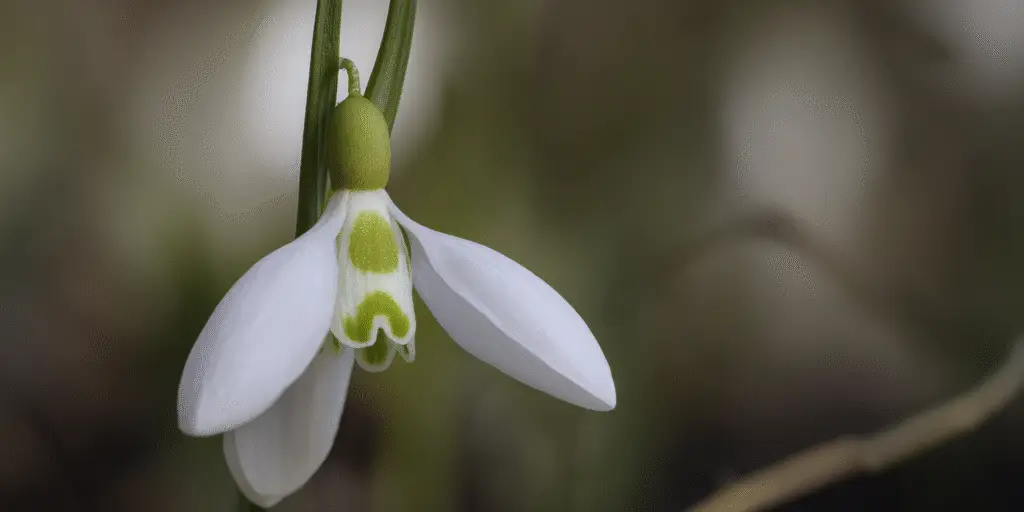
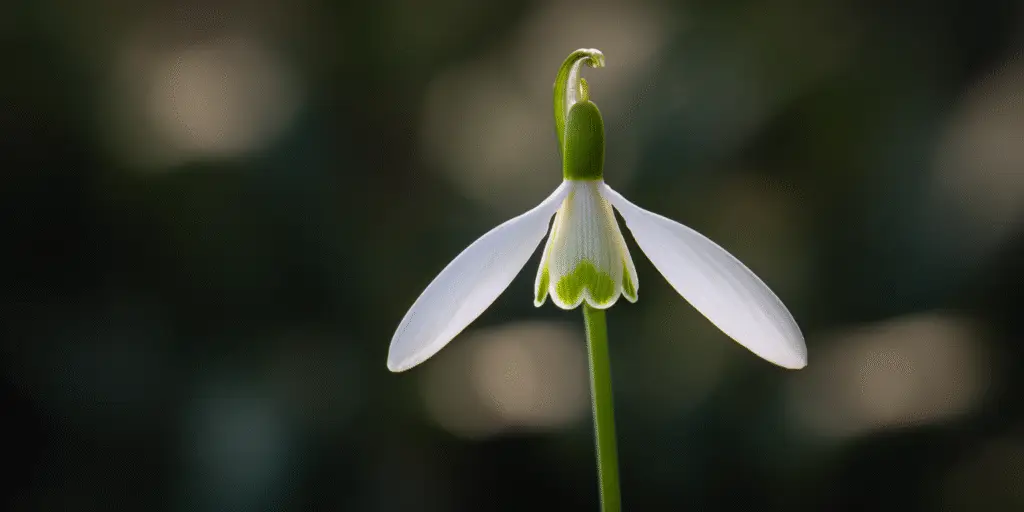
‘Magnet’ is a tall snowdrop valued for its unusually long flower stalk that holds the bloom away from the stem.
This feature makes the flowers move freely in the breeze and show well in plantings. Plants bloom in late winter to early spring and prefer cool climates with moist but well‑drained soil. It is a dependable garden plant and holder of the RHS Award of Garden Merit.
At‑a‑glance
Group/Class: Cultivar
Height × spread: 8–10 in × 3–6 in (20–25 cm × 8–15 cm)
Bloom window: February to March
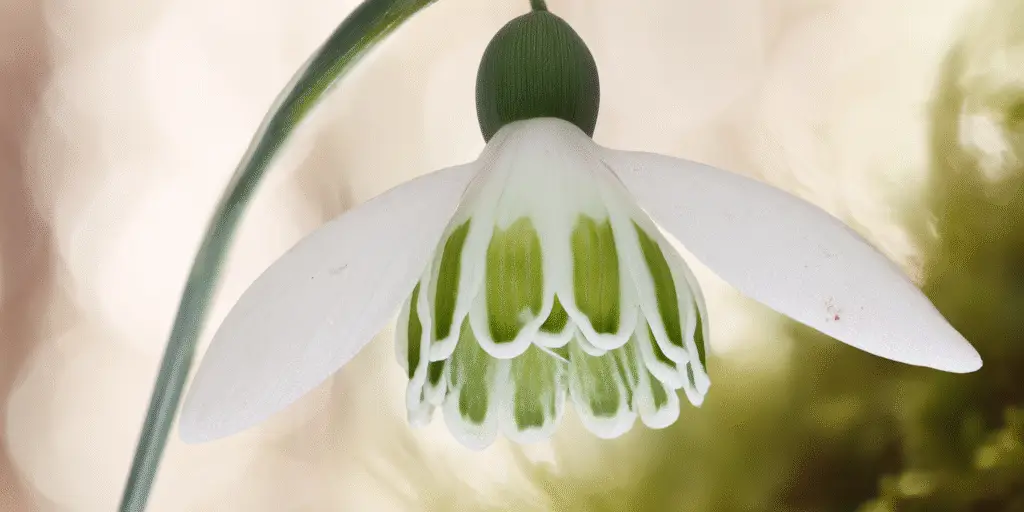
Color & flower form: White single on a long, slender pedicel; inner segments with V‑shaped green mark
Fragrance: 1 trace
USDA hardiness: zones 4–7
Breeder / Year / Origin: unknown
Awards/registration: RHS Award of Garden Merit
Pet safety: avoid
How it differs
Long pedicel displays the flower away from the stem
Taller habit than many common snowdrops
Clear markings and movement make flowers easy to see
Similar bloom window to the species
Strengths
Shows well in drifts and mixed clumps
Cold‑tolerant and reliable in late winter
Deer and rodent resistant
Naturalizes modestly in suitable soils
Care in one minute
Grow in partial shade with moist, well‑drained soil.
Plant bulbs in fall 2 to 3 in deep; space 2 to 3 in.
Water during dry autumns; avoid waterlogging.
Leave foliage until it yellows; top‑dress with compost after bloom.
Watch‑outs
Stems can catch wind in very exposed sites
Bulbs rot in saturated soils; ensure drainage
Less persistent in hot summer regions
Best uses (tags)
woodland, naturalizing, border front, under deciduous trees
Provenance note
An old, long‑grown garden selection noted for its extended flower stalk; recognized by RHS.
Written by: Your Flowers Guide editorial team We are a small independent group of flower lovers who research and review each guide using trusted horticultural and educational sources. Learn more about us