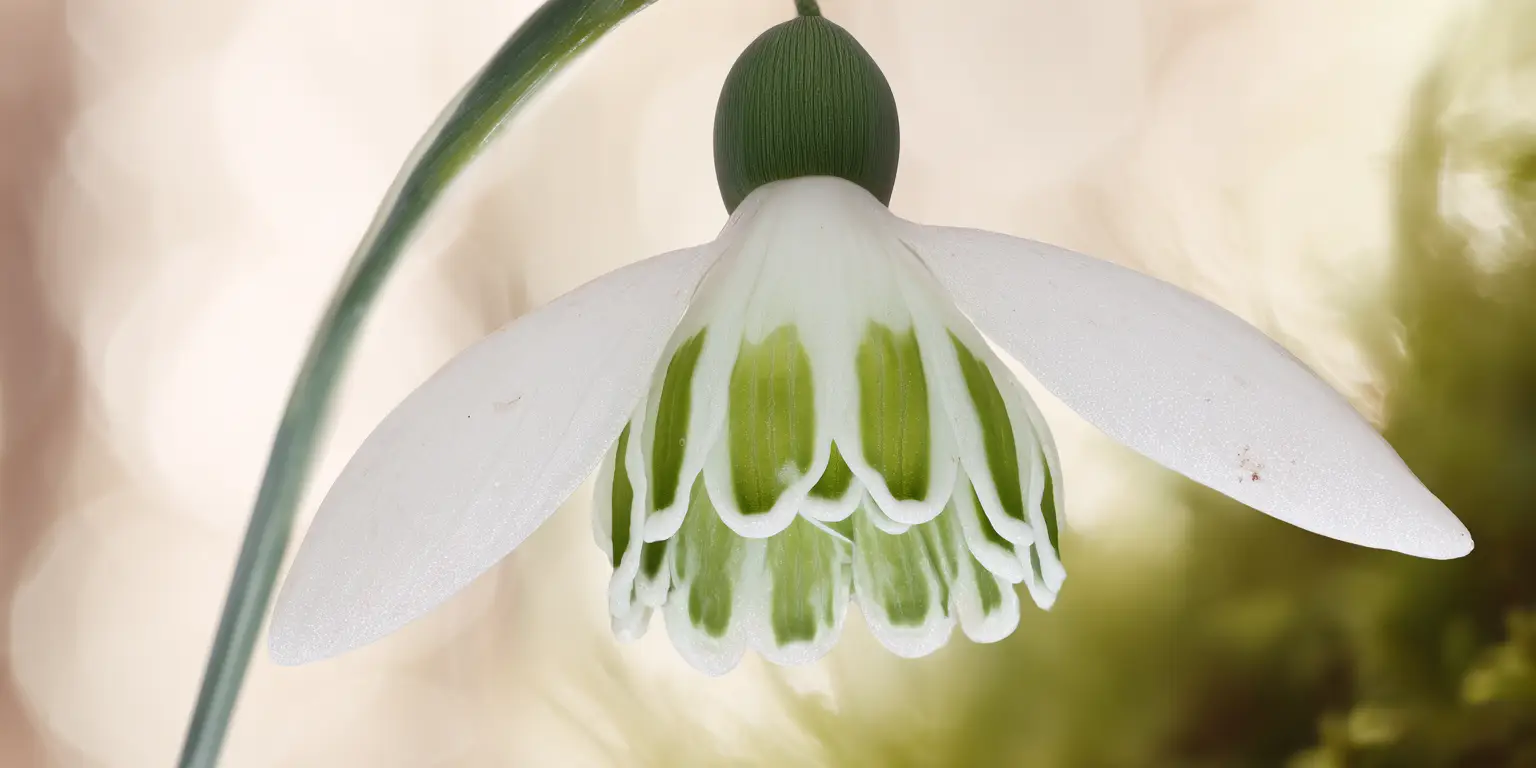
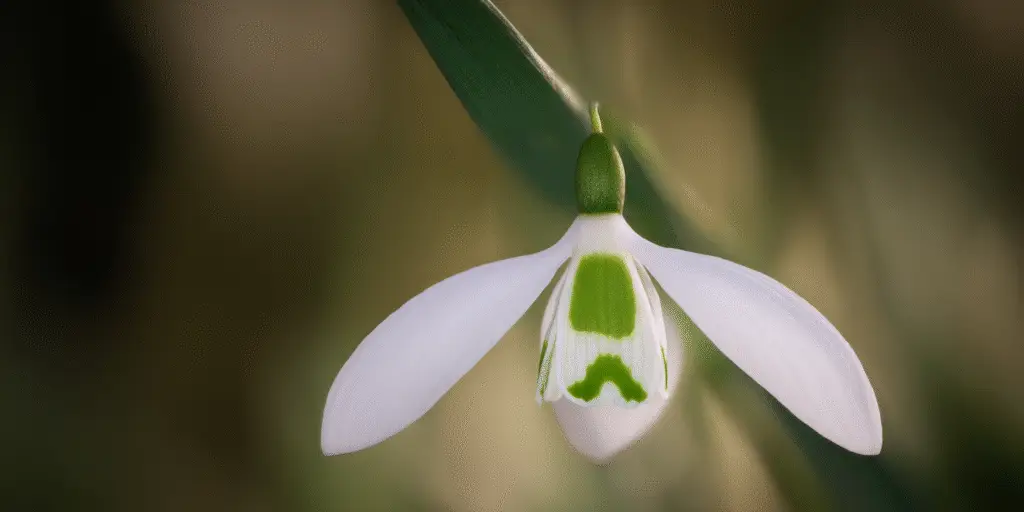
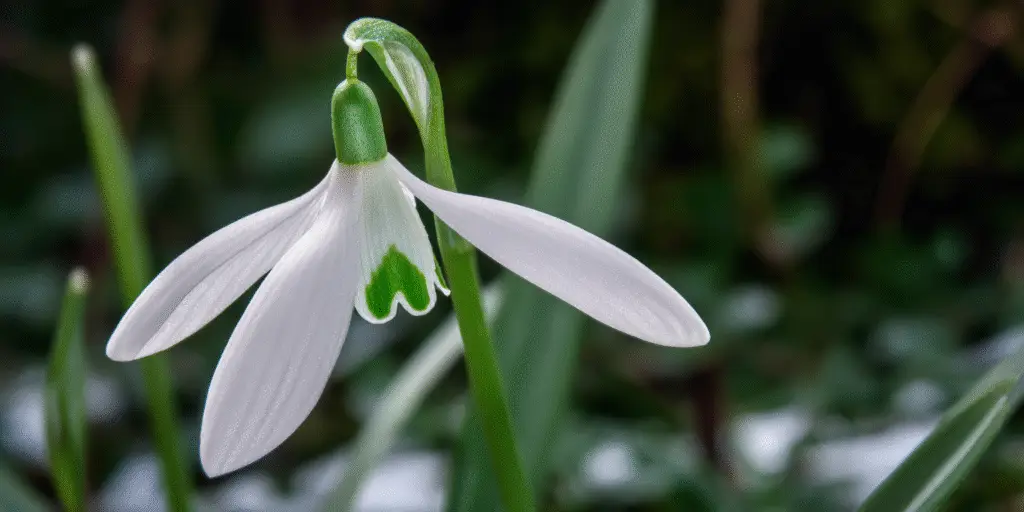
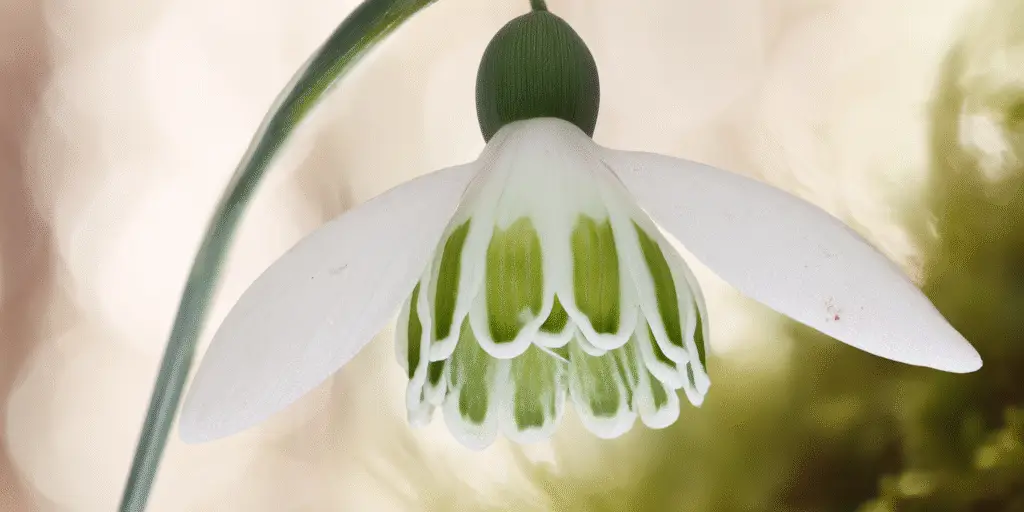
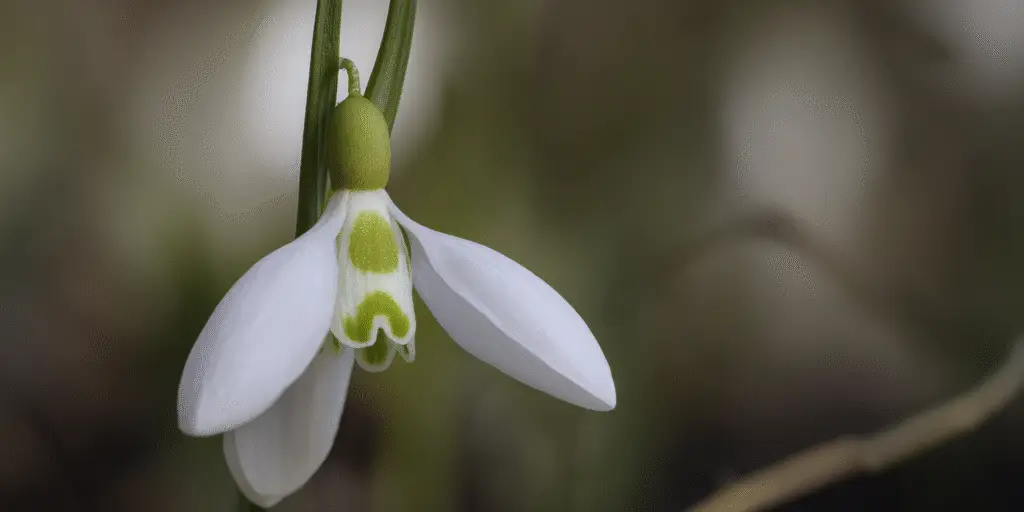
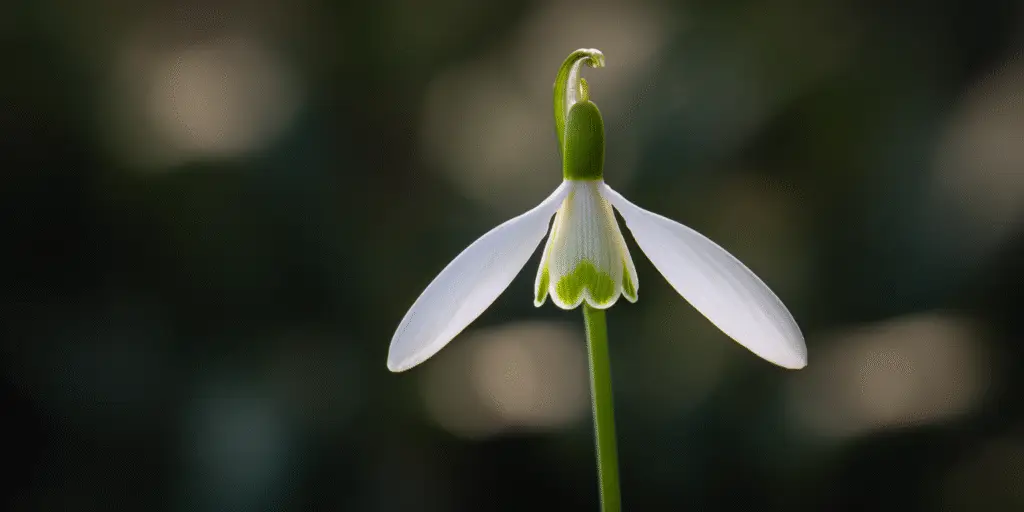
‘Flore Pleno’ is the classic double‑flowered form of the common snowdrop. It is prized for full, layered flowers that show green flecking on the inner segments. Plants bloom in late winter and suit cool climates with humus‑rich, well‑drained soils. This selection is widely grown and has the RHS Award of Garden Merit. Plant in drifts under deciduous trees or at path edges where flowers can be seen up close.
At‑a‑glance
Group/Class: Cultivar
Height × spread: 6–9 in × 3–6 in (15–23 cm × 8–15 cm)
Bloom window: February to March
Color & flower form: White double; inner segments with green marks
Fragrance: 1 trace
USDA hardiness: zones 3–7
Breeder / Year / Origin: unknown
Awards/registration: RHS Award of Garden Merit
Pet safety: avoid
How it differs
Double flowers create a fuller look than single snowdrops
Similar height to the species but blossoms appear denser
Showiness is higher at close range in small plantings
Comparable timing to the species in most climates
Strengths
Showy winter display in small bouquets and drifts
Hardy and reliable in cool regions
Naturalizes in suitable sites
Deer and rodent resistant
Care in one minute
Grow in partial shade with moist, well‑drained, humus‑rich soil.
Plant bulbs in fall 2 to 3 in deep and 2 to 3 in apart.
Water after planting and during dry autumns.
Allow foliage to die back naturally before cleanup.
Top‑dress with compost after bloom to support clump increase.
Watch‑outs
Often short‑lived south of Zone 7
Heavy blooms can hold water; avoid very wet positions
Susceptible to narcissus bulb fly
Best uses (tags)
woodland, naturalizing, border front, under deciduous trees
Provenance note
Also listed as Galanthus nivalis f. pleniflorus ‘Flore Pleno’; a long‑grown garden selection.
References
RHS – Galanthus nivalis f. pleniflorus ‘Flore Pleno’
Written by: Your Flowers Guide editorial team We are a small independent group of flower lovers who research and review each guide using trusted horticultural and educational sources. Learn more about us