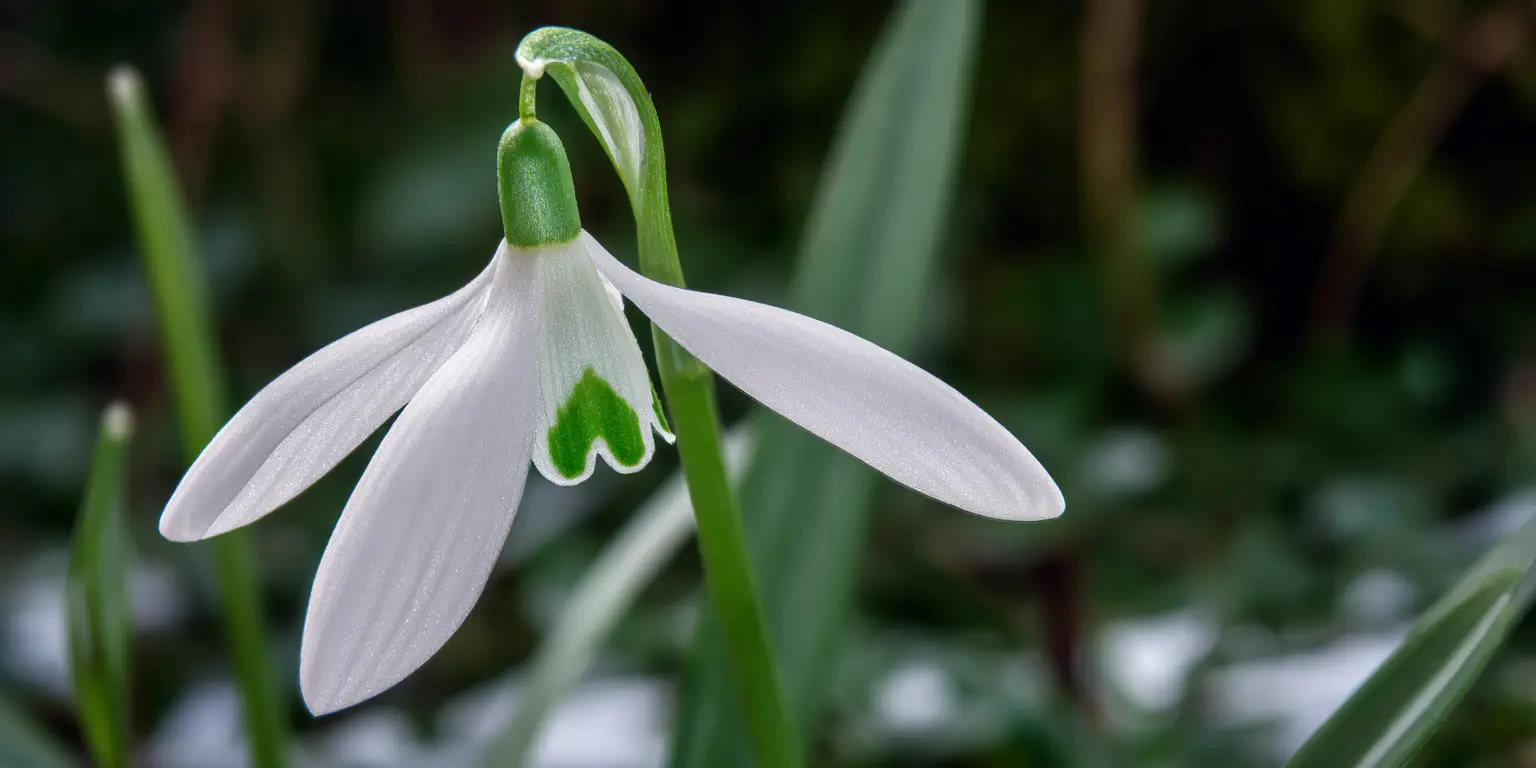
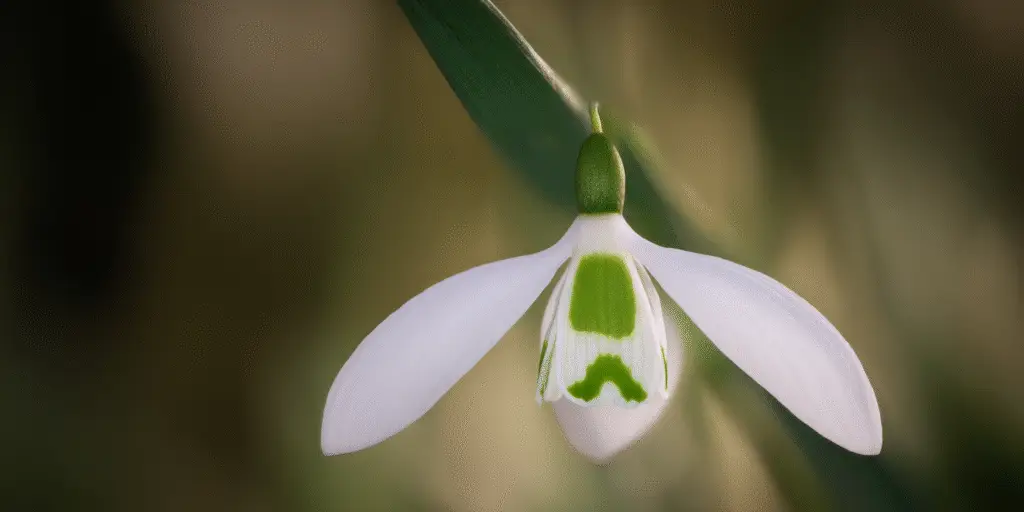
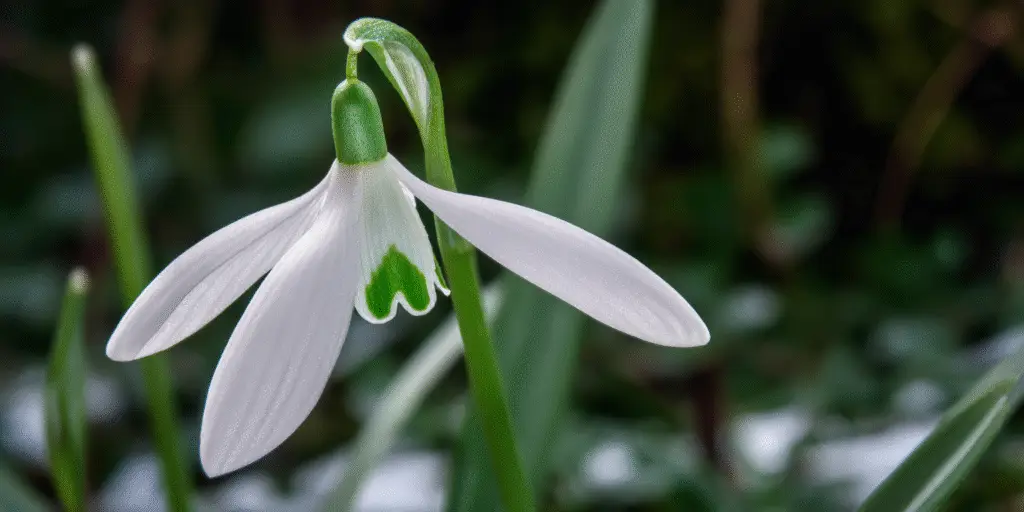
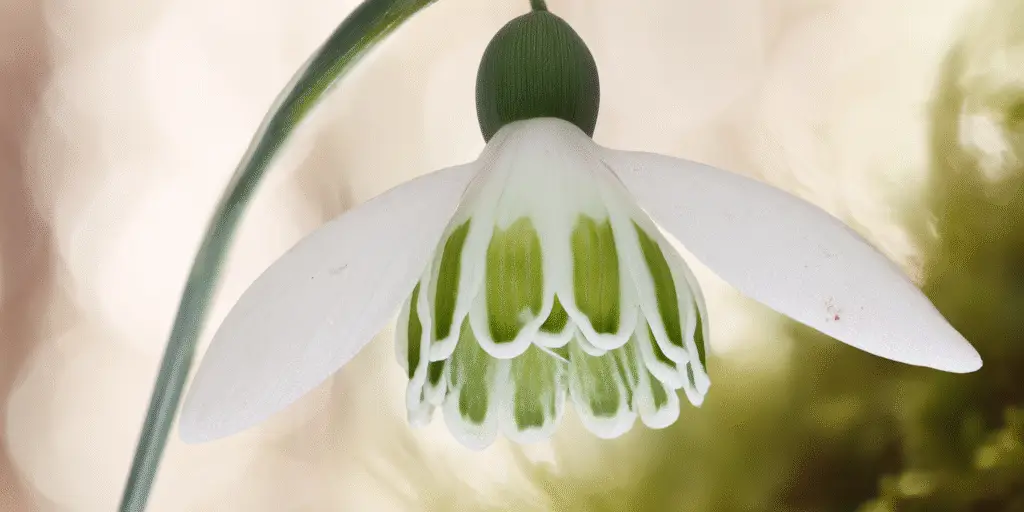
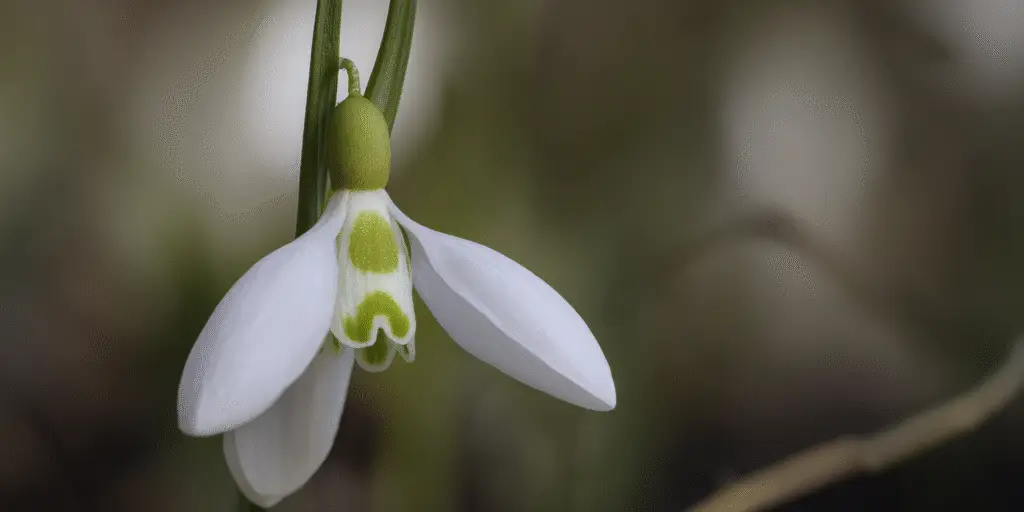
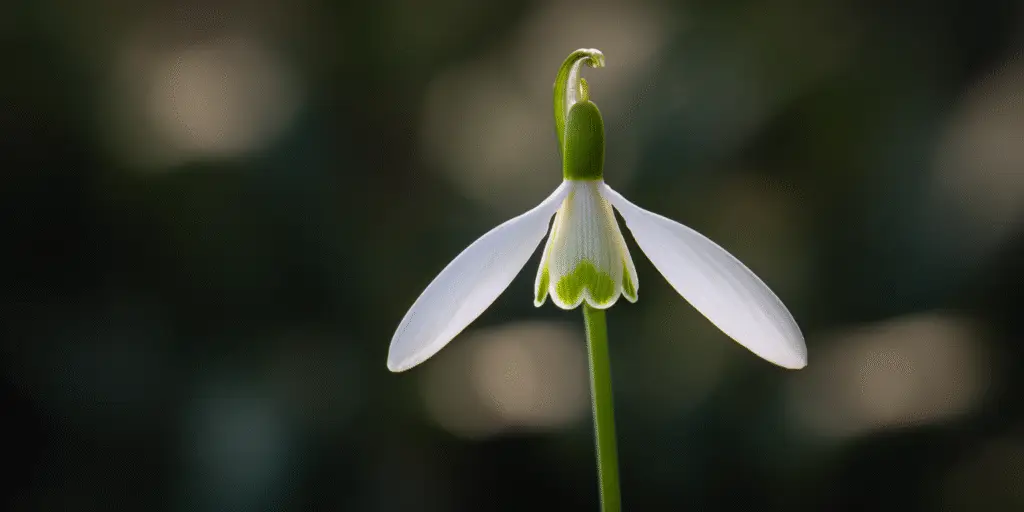
Woronow’s snowdrop is a compact species notable for its glossy bright green leaves. Plants flower in late winter to early spring with white bells marked green inside. It suits cool climates and performs best in partial shade with moist but well‑drained soil. The species is useful for naturalizing under deciduous canopies and along shaded paths. Flowers are scented and attract early insects in mild spells.
At‑a‑glance
Group/Class: Species
Height × spread: 4–6 in × unknown / varies by site (10–15 cm × varies)
Bloom window: February to March
Color & flower form: White single; inner segments with green marking; bright green leaves
Fragrance: 2 noticeable
USDA hardiness: zones 5–6
Breeder / Year / Origin: unknown
Awards/registration: RHS Award of Garden Merit
Pet safety: avoid
How it differs
Leaves are bright, glossy green rather than grey‑green
Compact stature compared with many cultivated forms
Often flowers in the same window but with distinctive foliage effect
Narrower hardiness range than the common snowdrop in North America
Strengths
Glossy foliage adds winter interest
Good for naturalizing in cool, moist sites
Deer and rodent resistant
Cold‑tolerant within its hardiness range
Care in one minute
Choose partial shade with winter sun.
Provide moist, well‑drained soil rich in organic matter.
Plant bulbs in fall 2 to 3 in deep; keep soil evenly moist while rooting.
Let foliage mature fully before cleanup.
Mulch lightly to moderate soil temperature and conserve moisture.
Watch‑outs
Less hardy in very cold interiors; outside zones 5–6 performance declines
Bulbs resent drying and waterlogging; ensure steady moisture with drainage
Best uses (tags)
woodland, naturalizing, under deciduous trees, rock gardens
Provenance note
Native to the Caucasus and northeastern Turkey; widely grown for its distinctive foliage.
Written by: Your Flowers Guide editorial team We are a small independent group of flower lovers who research and review each guide using trusted horticultural and educational sources. Learn more about us