How to Grow and Care for Sweet Alyssum (Lobularia maritima)
Contents
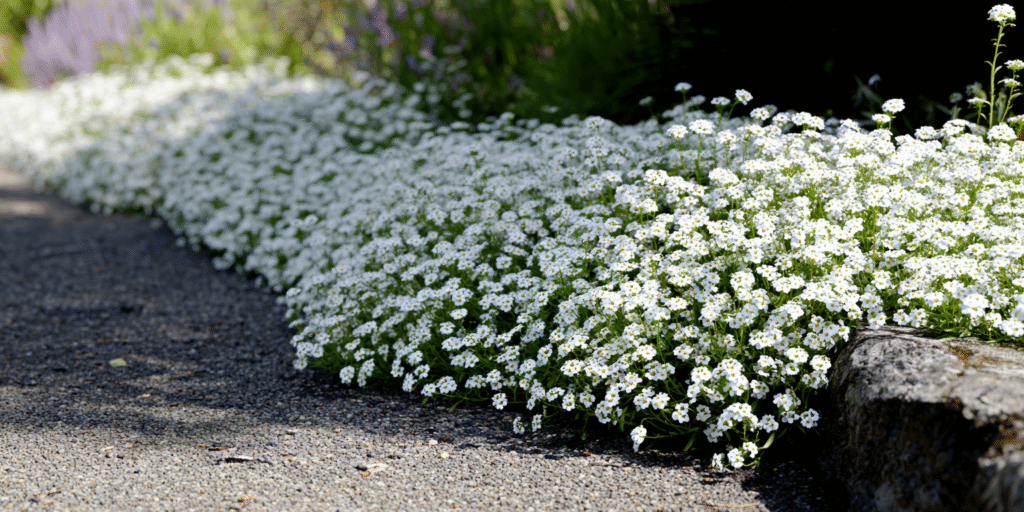
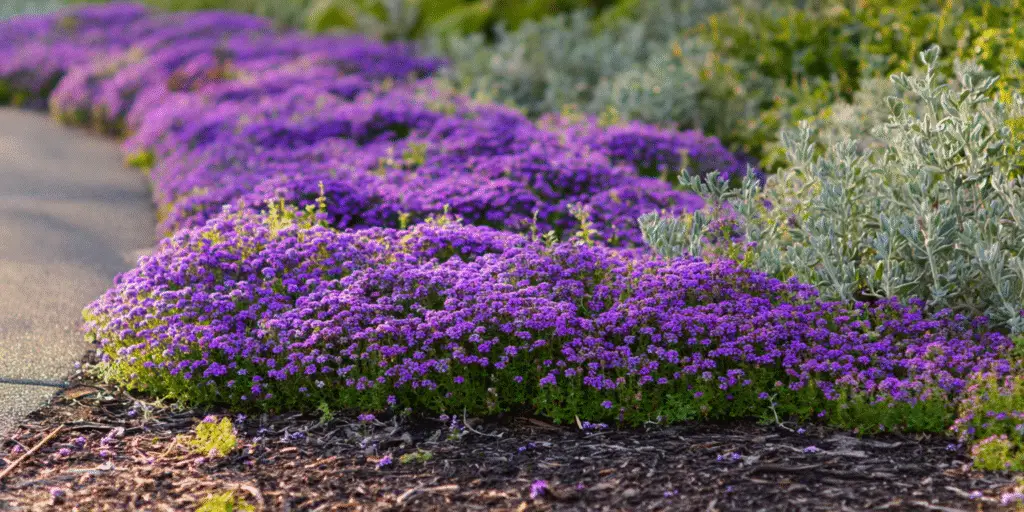
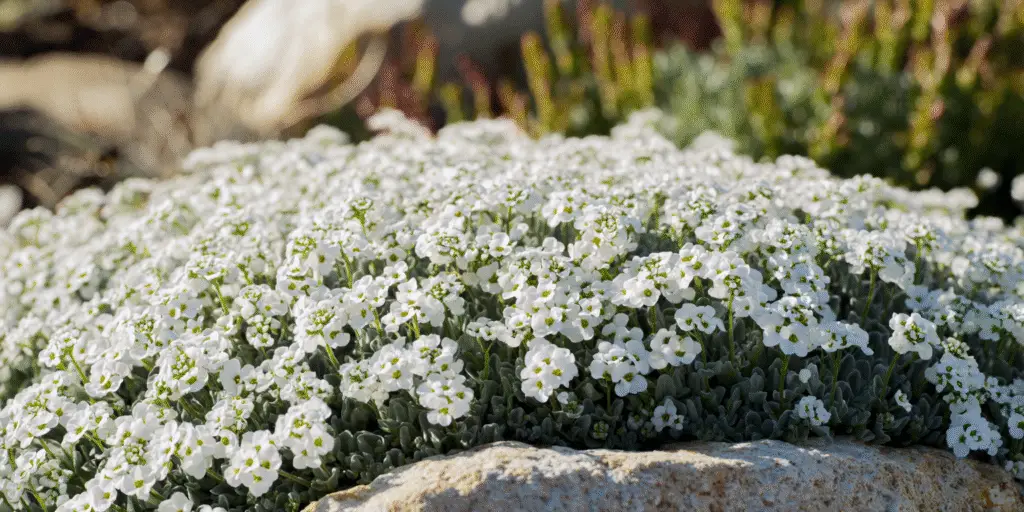
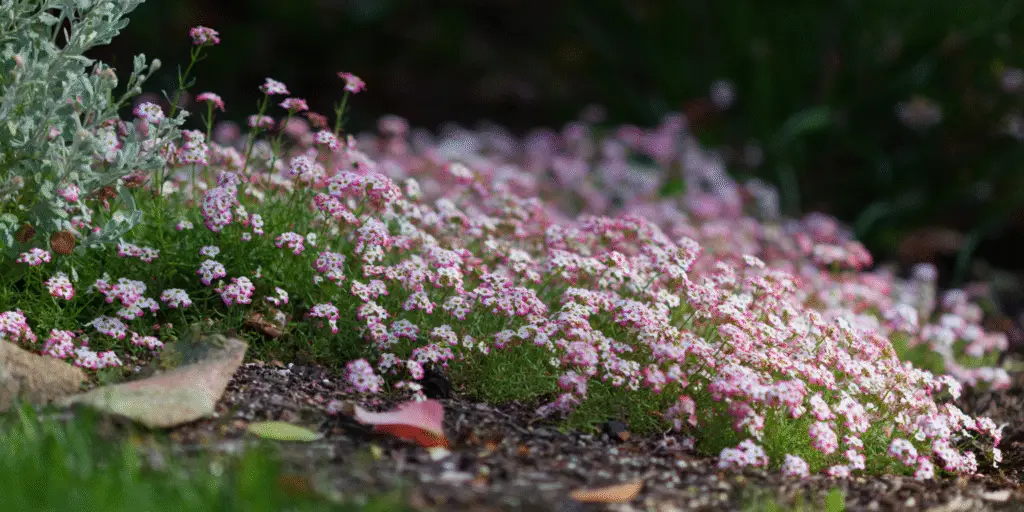
Sweet Alyssum, botanically Lobularia maritima (accepted name), is a low, mounding annual to short lived perennial grown primarily as a cool season annual across the United States. It is also widely known under the older synonym Alyssum maritimum. Plants are typically 4 to 10 inches tall and 10 to 24 inches wide depending on variety and weather. Flowers are most often white, though soft shades of pink, rose, and lavender to pale purple are common. The honey like scent is most noticeable on mild days. In regions with mild winters Sweet Alyssum may behave as a perennial and bloom fall through spring. In regions with hot summers it flowers best in spring and fall, resting during the peak of heat. Sweet Alyssum prefers full sun for the most flowers in spring and fall. In hot summer regions light afternoon shade protects flowers, maintains color, and reduces stress.
Soil & Bed Preparation
Sweet Alyssum thrives in friable, well drained soils. Sandy loam is ideal. Heavy clay can work if you open the texture with coarse compost and a small portion of fine bark or sharp grit to improve air space. The goal is soil that drains quickly yet holds enough moisture for steady growth. Avoid planting where water lingers after rain or irrigation. Roots are fine and shallow. Standing water leads to root stress and disease. Raised beds are helpful in cold or wet springs because they warm faster and drain better, which speeds establishment. In light, sandy soils add finished compost to hold moisture and nutrients. Work amendments 6 to 8 inches deep to match the natural rooting depth.
Organic matter targets: Aim for 3 to 5 percent organic matter in the top 6 inches of soil. Compost increases microbial activity and nutrient buffering without the excessive nitrogen that can make plants leggy. If you are preparing an entire bed for mixed annuals, incorporate 1 to 2 inches of finished compost over the surface and till or fork it in before raking smooth. If you are only spot planting among existing perennials, amend the immediate planting pockets and mulch the entire area afterward to moderate temperature and hold moisture.
pH range and salinity: Sweet Alyssum performs best in slightly acidic to neutral soils with a pH from 6.0 to 7.5. It tolerates slightly alkaline soil near coastal areas when drainage is excellent. Avoid saline irrigation or coastal spots that receive regular salt spray unless you can provide a leaching schedule because salts accumulate in shallow root zones and suppress flowering.
Raised beds vs in ground: Use raised beds where the native soil is compacted or slow to drain. Twelve inches of depth is plenty for Sweet Alyssum because roots remain shallow. In ground beds are fine where soil is loose and drains quickly. Either way, remove weeds before planting and level the surface so irrigation wets evenly.
Drainage Test and pH Targets: Dig a 12 inch wide by 12 inch deep hole and fill it with water. Let it drain completely. Refill. If the water drops 2 inches or more in one hour the spot is suitable. If drainage is slower, build a raised bed or amend with coarse materials and retest. For pH, use a home soil test kit and verify with your county Cooperative Extension if the result is borderline. To lower pH slightly, scratch in elemental sulfur at labeled rates. To raise pH in acidic soil, apply ground limestone and retest after several weeks. Recheck pH once a year before spring planting to keep it in the 6.0 to 7.5 band.
Planting Calendar by USDA Zone
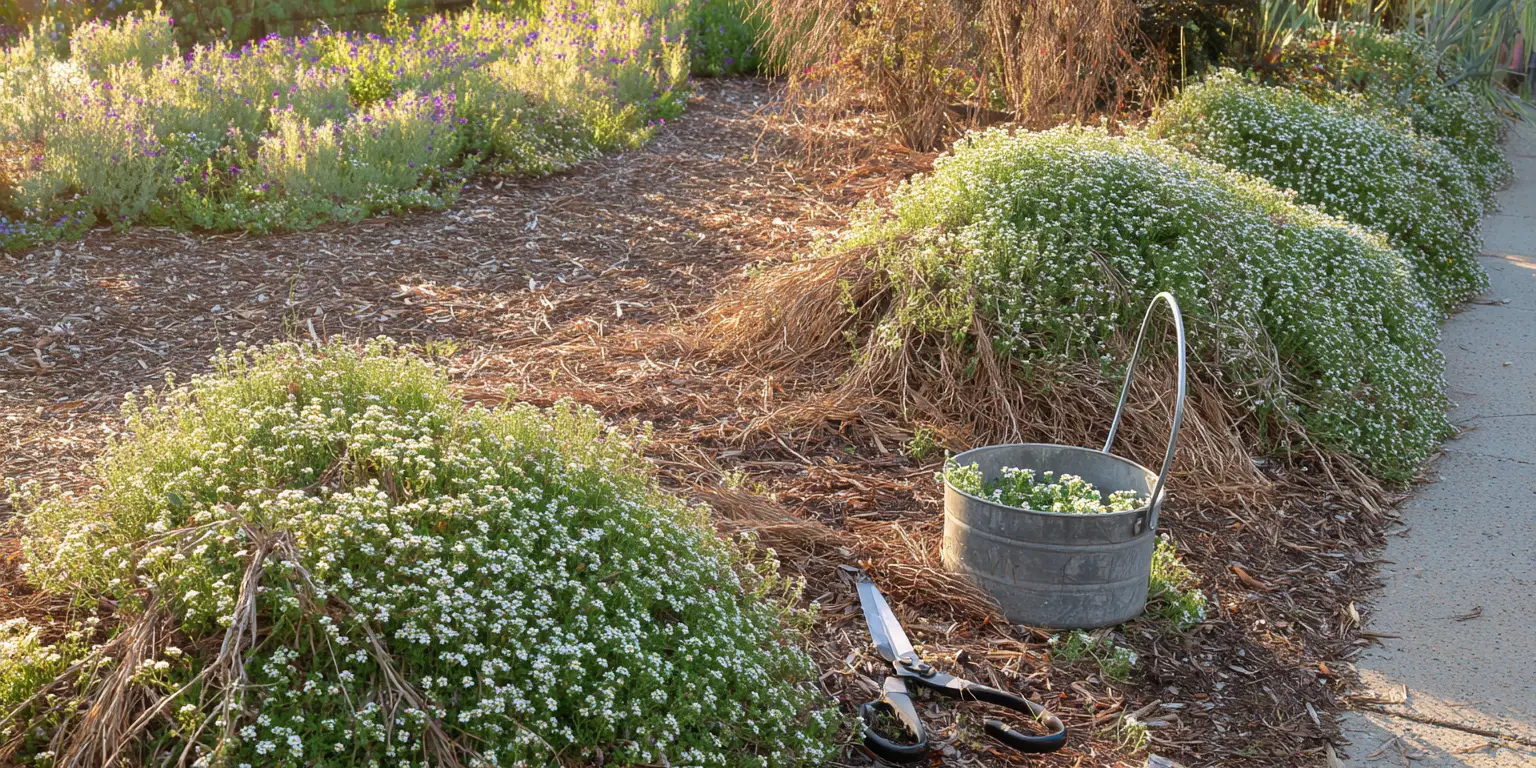
Sweet Alyssum is timed to cool weather. Because it is usually grown as an annual, base timing on last and first frost rather than perennial windows. Plan sowing and transplanting so plants enjoy the long, gentle temperatures of spring and fall.
Zones 3 to 5: Start seeds indoors 6 to 8 weeks before your average last frost. Sow outdoors as soon as soil is workable and hard freezes are unlikely. Transplant after hardening off when nights are consistently above 40 to 45°F (4 to 7°C). Expect the best bloom from late spring through early summer, with a second wave in early fall if you shear after heat peaks and rain returns. In short seasons, direct sowing often catches the longest cool window.
Zones 6 to 7: Direct sow 2 to 4 weeks before last frost because seeds germinate in cool soils. Transplant hardened starts just before or just after the frost date if a cold frame or row cover is available for late cold snaps. Plants flower spring to early summer, rest in midsummer heat, then return with fall rains. In some zone 7 areas, fall sowing 6 to 8 weeks before first frost gives robust winter rosettes that bloom early the next spring if protected lightly with mulch.
Zone 8: For spring color, sow outdoors 4 to 6 weeks before last frost and transplant shortly after the last frost date. For winter and early spring color, sow in fall 8 to 10 weeks before the first frost so plants establish in cool conditions. Provide afternoon shade during the hot season to reduce stress.
Zones 9 to 10: Treat Sweet Alyssum as a fall to spring annual. Sow in late fall for winter bloom and peak early spring color. In coastal areas with mild summers, plants may continue lightly through early summer. Inland heat will reduce flowering despite irrigation. Afternoon shade and steady moisture help but do not fully offset high temperatures.
Zone 11 and frost free coastal climates: Sow in late fall or midwinter for strongest bloom in late winter through spring. Summer flowering is limited where nights remain warm. Good drainage and light afternoon shade extend the season.
Special regional notes: In hot humid regions prone to summer downpours, space plants on the wider end of recommendations and use very sharp drainage to limit foliar disease. In arid regions, avoid reflective southwestern exposures that overheat shallow roots. In high elevation zones, start indoors because springs can be short and nights remain cool. In coastal sites, monitor salts if irrigating with hard or brackish water and leach containers periodically.
Planting: Depth & Spacing
Sweet Alyssum seeds are tiny and need light to germinate. Rake the bed level, water, and broadcast or sow in shallow rows. Press seeds into the surface or cover with only 1⁄16 to 1⁄8 inch of fine soil or vermiculite (about 1.5 to 3 millimeters). Keep the top quarter inch of soil evenly moist until germination. In average spring temperatures seeds sprout in 7 to 14 days. Thin seedlings to 6 to 12 inches apart based on the mature spread of your variety. Crowding reduces airflow and encourages foliar disease. If you want a dense carpet, stagger thinning over two weeks so you can judge fill and still relieve pressure.
Transplanting container grown starts
Plant at the same depth the seedlings grew in their cell packs or pots. Do not bury the crown. Water the planting hole before placing the plant, set the plug, backfill gently, and firm the soil to remove air pockets. Space 8 to 12 inches on center for most varieties. Trailing forms used to spill over pot rims can be set 10 to 14 inches apart in beds because they spread wider. For ground covers along paths, use 6 to 8 inches on center to close space quickly, then plan to shear once to even the surface.
Row spacing and massed plantings
If you plant in rows for cutting or bed edging, use rows 12 to 15 inches apart and thin within rows to 6 to 10 inches. For massed drifts in landscape beds, set plugs in a triangular grid at 8 to 10 inches on center for a fast, even fill. Leave access gaps for foot placement during early weeding to avoid crushing shallow roots.
Minimizing transplant shock and acclimation
Harden off seedlings for 7 to 10 days before planting by placing them outdoors for a few hours the first day, then increasing exposure until they spend full days outside. Keep them out of strong wind and midday sun during hardening. Water the day before planting and again right after planting. Use a light shade cloth for the first 2 to 3 days if a sudden warm spell follows planting. Avoid high nitrogen fertilizer at planting because it encourages soft growth that wilts in sun.
Watering & Mulching
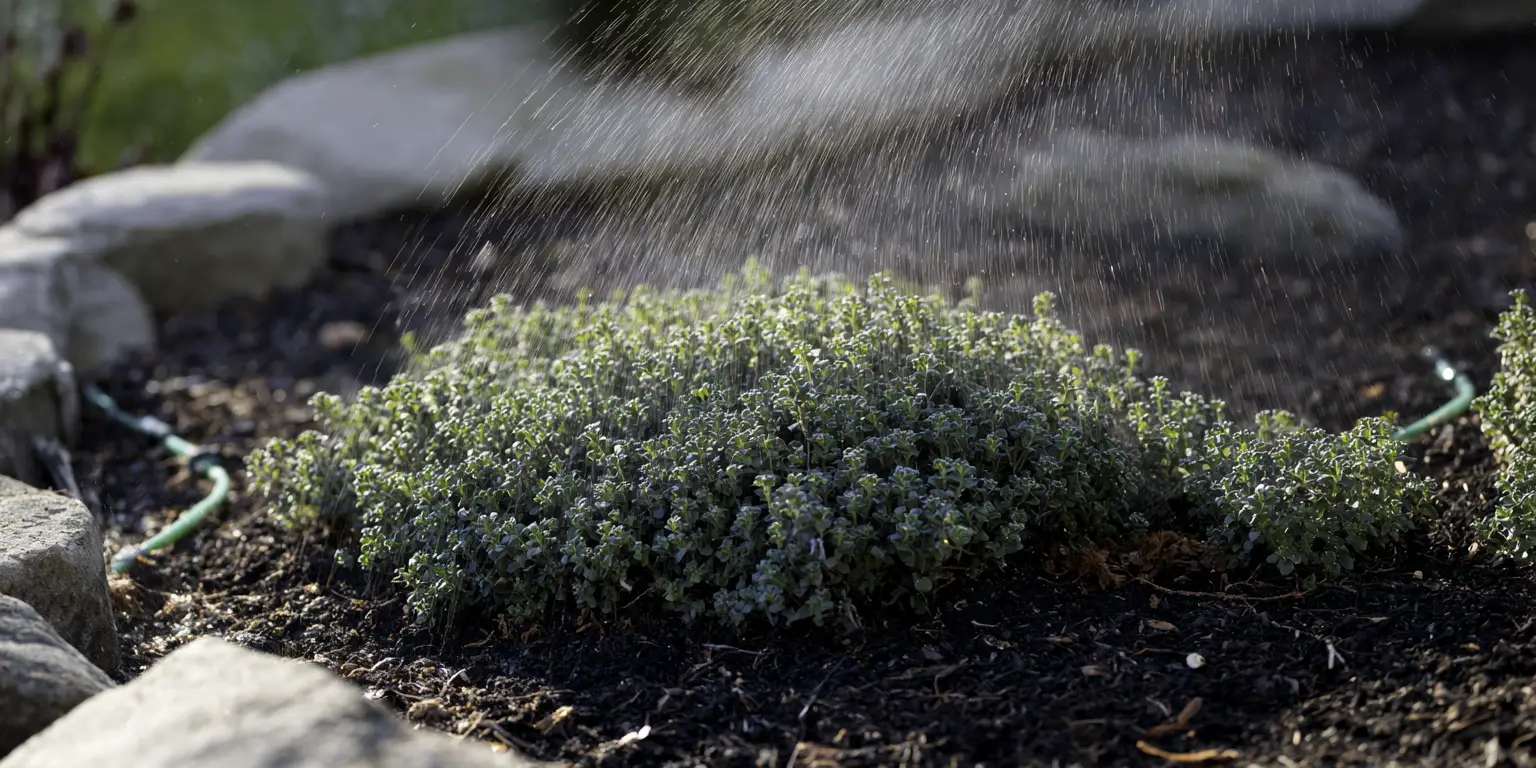
Keep the seedbed or new transplants evenly moist during the first two to three weeks. Once plants are rooted, provide about 1 inch of water per week from rain or irrigation in average spring weather. Adjust to 1.5 inches during hot periods if plants are not shaded in the afternoon. Water in the morning so leaves dry quickly. Shallow, frequent splashes create humidity around the foliage and can promote disease. Deep, less frequent watering that wets the top 6 inches of soil works better for shallow rooted Sweet Alyssum because it encourages a broader root zone without waterlogging.
Mulch types and thickness
After seedlings establish, apply 1 to 2 inches of fine textured mulch such as shredded leaves, pine needles, or finely screened compost. Keep mulch pulled back 1 inch from the crowns to prevent rot. In containers, use a thin half inch mulch of fine bark or compost to slow evaporation and to keep the soil surface from crusting. Coarse mulches are not needed for Sweet Alyssum and can overwhelm small plants.
Heat spikes and prolonged drought
In heat waves, provide temporary afternoon shade with a portable screen or shade cloth and water early in the day so plants begin with full hydration. If flowers pause, shear plants by one third, water well, and allow two weeks for regrowth. In regions with hard water or salty irrigation sources, leach containers every two to three weeks by watering until excess drains freely, then water again to flush salts from the root zone. Garden beds also benefit from a deep leaching irrigation after a period of high evapotranspiration.
Preventing crown and root rot
The most common mistake is wetting the crown with frequent short watering. Use a watering wand to place water at the base of the plants. If a stretch of wet weather is forecast and your site drains slowly, pull mulch back temporarily to speed surface drying. In heavy soils, a narrow shallow furrow on the uphill side of the bed can divert runoff so the crowns do not sit wet.
Feeding
N‑P‑K ranges and timing.
Sweet Alyssum is a light feeder. Over fertilizing produces loose, floppy growth and fewer flowers. At planting, work a balanced slow release fertilizer with an N‑P‑K in the range of 5‑5‑5 to 10‑10‑10 into the top few inches at one half the label rate for bedding plants. Alternatively, water in with a dilute liquid feed such as 3‑1‑2 or 3‑2‑3 at half strength once after planting, then repeat every 4 to 6 weeks during cool growth windows if foliage pales. In fertile garden soil you can skip fertilizer entirely and rely on compost. Containers benefit from a half strength liquid feed every 3 to 4 weeks in spring and fall because nutrients leach faster.
When to skip fertilizer.
If plants are lush and green but flowering sparsely, reduce or stop feeding and increase light. If foliage shows dark green leaves with minimal bloom, additional nitrogen is not needed. After a midsummer shear, wait for new growth and cooler nights before resuming a light feeding.
Soil biology notes and retesting.
Maintain organic matter near 3 to 5 percent to support microbial activity that cycles nutrients. Recheck soil pH and nutrient levels every one to two years in beds used for annuals. If tests show high residual nitrogen or phosphorus after a heavy feeding season, skip fertilizer the following spring and rely on compost only.
Pruning & Support
Deadheading and shearing
Routine deadheading of individual spent flower clusters is not necessary for Sweet Alyssum used as a bedding carpet, though it can neaten small plantings. A more efficient strategy is to shear plants by one third to one half when flowering slows or becomes patchy, usually after the first flush or during midsummer heat. Shearing removes spent stems, exposes new growth, and primes plants for a fresh round of bloom when temperatures moderate. Water well after shearing and apply a light top dressing of compost to support regrowth.
Structural support
Plants are naturally compact and do not need staking. In windy coastal sites or along driveways with reflected heat, trailing forms may flop on very rich soils. A low edging of bricks or a discreet border can help keep mounds upright without stakes.
Tool hygiene to limit disease spread
Clean pruners and shears before and after each session. Wipe blades free of sap, then dip or wipe with 70 percent isopropyl alcohol and allow to air dry. For heavier cleaning, a 10 percent bleach solution may be used, but rinse and oil blades afterward to prevent corrosion. Avoid pruning when foliage is wet to reduce the chance of spreading spores.
Overwintering
In zones with routine hard freezes, treat Sweet Alyssum as an annual. Pull and compost plants after the final fall flush ends or after a killing frost. If self sowing is desired, leave a few plants to set seed before cleanup. Rake the bed clean before winter to remove disease reservoirs. In beds that will host cool season annuals again, top dress with 1 inch of compost and a light granular fertilizer in late winter.
Perennial or reseeding in mild zones
In zone 9 coastal pockets and zones 10 to 11 where winters are mild, Sweet Alyssum may persist through winter. Apply a light 1 inch mulch in late fall to buffer soil temperature and moderate swings. In wet winters, keep mulch thin and airy so crowns remain dry. Remove winter cover in late winter when growth resumes and days lengthen. If rodents disturb bedding areas, use quarter inch hardware cloth as a subsurface barrier along the bed edge. Remove spent winter stems in early spring to encourage fresh bloom.
Containers in winter
In frost free climates, containers can bloom through winter with steady watering and full sun. In regions with frost, move pots to a protected porch during cold snaps. Water sparingly in winter because growth is slow. Resume normal watering and feeding as soon as day length increases.
Growing Environments
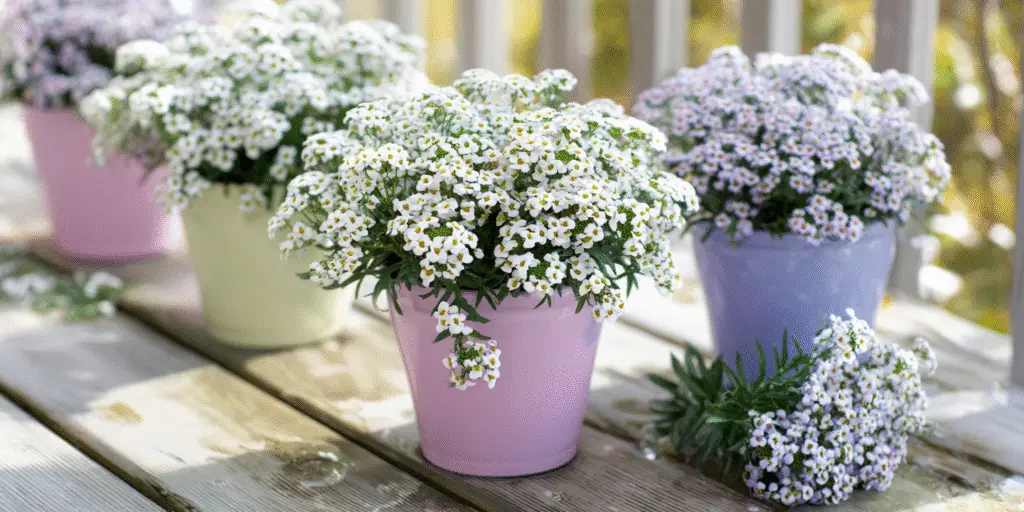
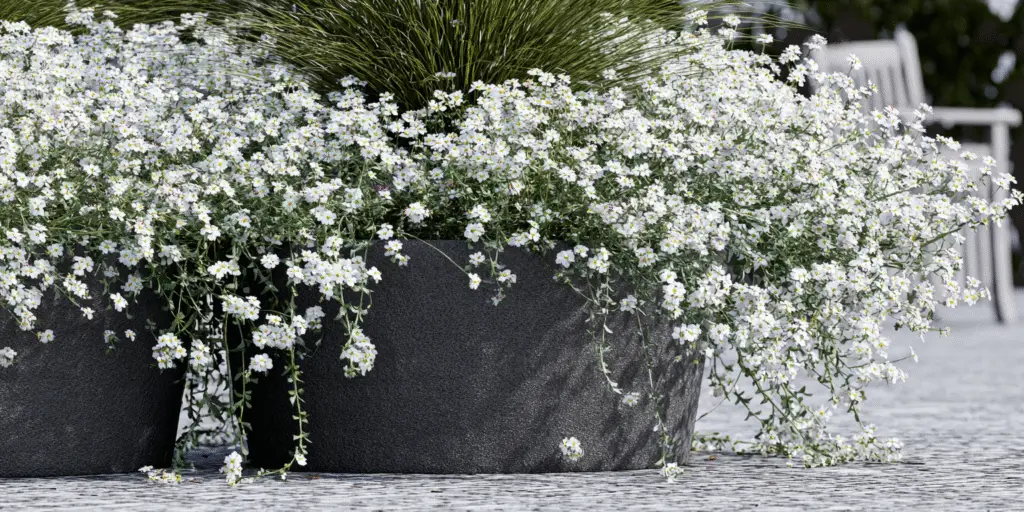
Sweet Alyssum is ideal for pots, window boxes, and hanging baskets. Use a high quality soilless mix with perlite or pumice for drainage. Make sure containers have generous drainage holes. For a 12 inch wide window box, set three to five plants at 6 to 8 inches apart for a full look. In mixed containers, tuck plants at the edge as a spiller around taller fillers. Water when the top inch of mix is dry. Container plants need more frequent water in warm weather because small root systems dry quickly. Leach containers periodically to flush salts.
Minimum soil volume
A single plant will flower well in a 6 to 8 inch pot with at least 1 gallon of volume. In community planters or long boxes, provide roughly 0.5 gallon per plant for balanced growth and fewer dry downs. In the ground, a friable top 6 to 8 inches of soil is plenty because roots naturally stay shallow.
Microclimate tips for shade, wind, and reflected heat.
Sweet Alyssum tolerates part shade in summer if mornings are sunny. Under deciduous trees, spring bloom is excellent before canopy leaf out. Avoid pockets of concentrated wind that desiccate foliage and stunt growth. Where sidewalks or south facing walls reflect heat, use afternoon shade or a light colored mulch to reduce surface temperatures. In coastal regions, a gentle daily breeze is helpful because it dries foliage and reduces disease pressure.
Companion Planting & Design
Pair Sweet Alyssum with spring bulbs such as daffodils and tulips so its foliage hides the bulb leaves as they yellow after bloom. Underplant cool season focal plants like pansies, dianthus, and early blooming lavender cultivars. Along the front of borders, use sweeping drifts of white or lavender Sweet Alyssum to connect pockets of color and to echo the hues of nearby hydrangea macrophylla in late spring. In summer, interplant to fill gaps left by early annuals and keep borders cohesive.
Pollinator friendly options
Flowers are rich with nectar on mild days. Bees, small native pollinators, and beneficial hoverflies visit freely, especially where pesticides are avoided. The presence of hoverflies often coincides with lower aphid pressure because their larvae feed on aphids. To support these helpful insects, provide shallow water sources and plant a sequence of cool and warm season blooms so food is available through the year.
Spacing for airflow and health
Use wider spacings in humid climates and where automatic irrigation splashes foliage. Edge sidewalks and paths with Sweet Alyssum but leave a few inches between the plant line and hardscape so airflow is not blocked by walls. Combine with upright cool season accents to create vertical movement while keeping the low, mounded habit visible near the front.
References
- North Carolina State Extension Plant Toolbox, Lobularia maritima
- ASPCA, Toxic and Non Toxic Plants: Sweet Alyssum